Author: Estattor.com

  • Dubai Holding Launches Golden Visa Service at Sales Centres

    Dubai Holding Launches Golden Visa Service at Sales Centres

    Dubai Holding Real Estate announced on Monday that it has introduced a dedicated Golden Visa and investor residency facilitation service at the Meraas and Nakheel sales centre, creating a more seamless journey for eligible property investors purchasing across its portfolio.

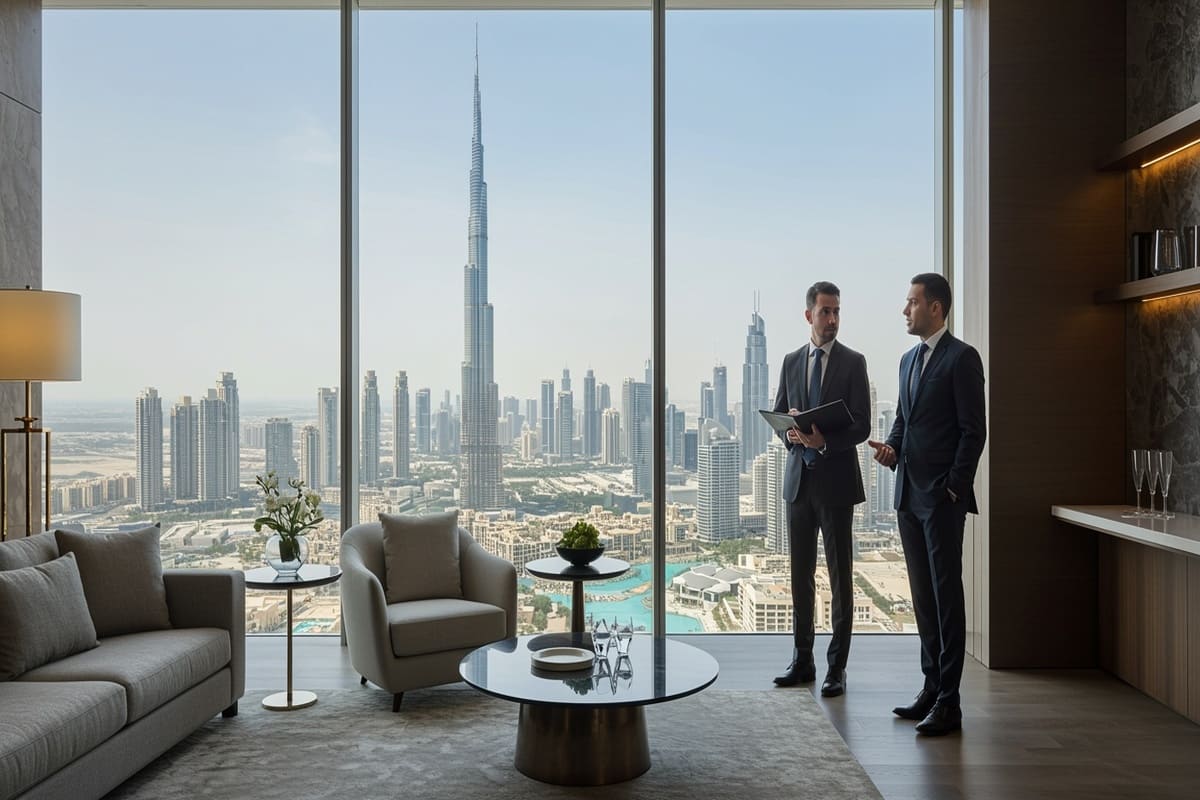
    The service brings residency guidance directly into the property sales journey, enabling customers to receive in-person support on eligibility, documentation and application requirements at the same destination where they select their home. Applications will be handled by an accredited visa service provider, with Meraas and Nakheel acting strictly as facilitators.

    Coverage and Eligibility

    Dubai Holding’s new Golden Visa facilitation service covers key residency pathways available to property investors, including the 10-year UAE Golden Visa for eligible real estate investors owning property or a group of properties valued at AED 2 million or more, subject to applicable conditions and approval by the relevant authorities.

    It also supports customers seeking investor residency options available to property owners in Dubai. By integrating visa facilitation into the sales centre experience, the initiative creates a more seamless ownership journey for investors at a key decision-making moment. This will also be applicable to existing customers.

    The service is designed to provide clearer guidance, support sales teams and brokers through a more coordinated process and strengthen the end-to-end ownership journey across the company’s portfolio.

    Strategic Alignment

    The initiative supports Dubai’s wider ambition to be the world’s leading destination for investors, residents and talent. It also aligns with the Dubai Real Estate Sector Strategy 2033, which aims to increase homeownership rates to 33 percent, double the real estate sector’s contribution to Dubai’s GDP to approximately AED73 billion and grow real estate transactions by 70 percent.

    “Dubai is one of the world’s most attractive destinations to live, invest and build a future. By integrating the Golden Visa and investor residency process into the property ownership journey, we are empowering our customers with greater clarity and confidence as they choose their home. This service reflects our commitment to making the ownership experience across our portfolio simpler, more seamless and aligned with the long-term opportunities Dubai offers,” said Khalid Al Malik, Chief Executive Officer, Dubai Holding Real Estate.

    The UAE’s Golden Visa offers long-term renewable residency for eligible applicants and allows holders to sponsor family members, subject to approval by the relevant authorities. According to the Dubai Land Department, eligible real estate investors owning property valued at AED 2 million or more can apply for a 10-year renewable residence permit.

    The service operates strictly on a facilitation basis, connecting customers with accredited residency specialists. All eligibility criteria, documentation requirements, government fees and approvals are determined by the relevant UAE authorities.

    The move comes as Dubai registers record project launches worth over AED275 billion in the first half of 2026, with developers expanding initiatives to attract both local and international buyers. The integration of residency services into sales processes reflects the emirate’s growing focus on supporting homeownership accessibility across multiple touchpoints.

  • Dubai Holding Real Estate Launches Golden Visa Service at Sales Centres

    Dubai Holding Real Estate Launches Golden Visa Service at Sales Centres

    Dubai Holding Real Estate has integrated residency services into the property purchase journey at its Meraas and Nakheel sales centres, offering customers immediate support on Golden Visa eligibility, required documents, and application procedures at the same location where they select their homes.

    Applications will be processed by an approved visa services provider, while Nakheel and Meraas will provide guidance and support without directly issuing visas, according to Al Khaleej Arabic daily.

    The service covers key residency options available to property investors, including the UAE’s 10-year Golden Visa for eligible real estate investors who own one or more properties worth at least Dh2 million, subject to applicable conditions and approval by the relevant authorities.

    “By integrating the Golden Visa and investor residency process into the property ownership journey, we are empowering our customers with greater clarity and confidence as they choose their homes,” said Khalid Al Malik, Chief Executive Officer of Dubai Holding Real Estate.

    Dubai Holding Real Estate confirmed the initiative also applies to existing customers and is designed to provide clearer guidance, help sales teams and brokers follow a more consistent process, and improve the end-to-end ownership experience across the company’s portfolio.

    The initiative supports Dubai’s ambition to become a leading global destination for investors, residents and talent. It also aligns with the Dubai Real Estate Strategy 2033, which aims to raise home ownership to 33 per cent, double the real estate sector’s contribution to Dubai’s GDP to about Dh73 billion, and increase real estate transactions by 70 per cent.

    The streamlined service comes as Dubai’s property market continues to attract strong investor interest, with the emirate projected to attract over AED1 trillion in new real estate projects over the next five years, driven by foreign investment inflows and a steady pipeline of mega-developments.

    By reducing administrative friction and consolidating services, Dubai Holding Real Estate aims to make ownership across its portfolio simpler and more closely aligned with the long-term opportunities Dubai offers to international investors and residents.

  • Abu Dhabi Property Market Rebounds as Buyer Activity Recovers 95%

    Abu Dhabi Property Market Rebounds as Buyer Activity Recovers 95%

    Based on in-house analysis of Abu Dhabi property activity between January and June 2026, Bayut and dubizzle recorded clear performance metrics across key demand indicators by Week 14. Property views recovered to 95% of the 2026 baseline, while impressions recovered to 83%, active users to 80%, and unique buyers to 87%, pointing to a gradual but consistent return to normalcy in search and inquiry behavior.

    “Abu Dhabi’s property market has continued to demonstrate resilience, supported by strong fundamentals, improving user activity and a clear appetite for quality residential communities,” said Haider Khan, CEO of Bayut and dubizzle and CEO of Dubizzle Group MENA.

    Agent Activity Remains Highly Resilient

    The latest data shows that agent activity across Abu Dhabi’s real estate market has remained highly resilient. Daily agent responses across Bayut and dubizzle in Abu Dhabi now stand at 102% of the 2026 baseline, suggesting that real estate professionals across the emirate have continued to actively engage with property seekers to match market momentum.

    Bayut and dubizzle’s AI-led analysis of more than 7,000 property inquiry calls recorded through their platforms in Abu Dhabi further highlights the strength of underlying demand. The analysis showed that the split between sales and rental inquiries remained stable, with sales accounting for 54% of calls and rentals 46%.

    “The market is benefiting from a more structured and transparent regulatory environment. ADREC’s continued focus on strengthening the sector, along with measures such as the recent rent freeze announcement, gives tenants, landlords and real estate professionals greater clarity when making decisions,” added Khan.

    Emerging Residential Hubs Attract Strong Tenant Interest

    Bayut and dubizzle’s area-level analysis points to notable recovery in several popular rental communities across Abu Dhabi’s real estate market, with several apartment areas moving above baseline levels of user activity.

    For rental apartments, communities such as Masdar City, Al Reef, Al Raha Beach, Yas Island, Al Khalidiyah and Al Reem Island have recorded a strong recovery in views, with many of these areas now returning to pre-conflict levels of demand. This suggests that established apartment communities, waterfront destinations and emerging residential hubs continue to attract strong interest from tenants.

    Villa rental communities also recorded significant recovery in user activity, with several areas moving well above baseline levels. Al Shamkha saw particularly strong traction, while Mohamed Bin Zayed City, Al Reef, Khalifa City and Yas Island also remained among the most active villa rental communities.

    Sales Activity Reflects Demand Across Ready and Off-Plan Segments

    Within the ready sales segment of Abu Dhabi’s real estate market, apartment communities such as Al Raha Beach, Yas Island, Saadiyat Island and Al Reem Island continued to show steady user interest. These communities remain relevant for buyers exploring established waterfront, island and urban residential options in Abu Dhabi.

    For ready-sale villas, Al Shamkha recorded particularly strong recovery across both impressions and views, moving above baseline levels. Al Reef and Khalifa City also remained key areas of interest, with recovery broadly ranging from the 80% to 130% band across user activity indicators.

    Off-plan activity also showed continued interest in Abu Dhabi’s emerging and lifestyle-led communities. For off-plan apartments, Masdar City recorded a strong recovery, while Zayed City, Yas Island, Al Reem Island, Al Maryah Island and Al Hudayriat Island continued to attract attention from users exploring future-ready residential options.

    In the off-plan villa segment, Ramhan Island, Yas Island and Saadiyat Island remained among the notable areas for user interest. These figures indicate that premium island communities and master-planned destinations continue to remain relevant for buyers considering long-term residential and investment opportunities.

    The emirate’s property rebound follows Abu Dhabi’s temporary rent freeze announced earlier this month, a move aimed at stabilizing housing costs amid double-digit rent growth in some segments. The recovery also aligns with broader market momentum across the UAE, where Dubai’s real estate launches hit a record $75 billion in the first half of 2026.

  • Dubai Real Estate Launches Hit Record $75 Billion in First Half of 2026

    Dubai Real Estate Launches Hit Record $75 Billion in First Half of 2026

    The value of new real estate projects in Dubai has exceeded AED275 billion ($74.88 billion) since the beginning of 2026, reflecting continued exceptional momentum in the sector and reinforcing the emirate’s entry into the largest half-year cycle of new real estate project launches in its history.

    A recent report by W Capital Real Estate Brokerage stated that the total value of new and announced real estate projects in the first half of this year exceeded AED275 billion. This includes 250 new real estate projects launched and registered with the Dubai Land Department by the end of May, valued at nearly AED75 billion, as well as the mega-project announced by Emaar Properties in June, valued at up to AED200 billion.

    The projects launched during the first five months of the year comprise approximately 59,400 residential units and 10,800 villas, reflecting the continued focus on the residential sector as the primary driver of real estate growth in Dubai, supported by strong demand from local and international buyers and investors.

    Historical comparisons indicate that Dubai witnessed the launch of 648 new real estate projects by 258 developers in 2025, encompassing over 167,000 residential units with an estimated value of approximately AED463 billion. This compares to 145,000 units valued at AED360.1 billion in 2024, representing a 15.2 percent increase in the number of units and a 28.4 percent increase in the total project value.

    Apartments continued to dominate the new supply last year, accounting for approximately 88.8 percent of all units offered. Meanwhile, villas and townhouses saw significant growth in total value, driven by increased demand for integrated residential communities and low-density projects.

    Confidence remains strong among developers and investors

    In a statement, Al Zarooni, W Capital CEO, said that the figures recorded in the first half of the year reflect strong confidence in Dubai’s real estate sector among both developers and investors. He emphasized that the emirate has successfully established itself as one of the most active and attractive global real estate markets.

    “The fact that the value of new and announced projects has reached nearly AED300 billion in less than six months is an exceptional indicator reflecting the strength of genuine demand for real estate in Dubai, rather than mere development activity driven by expectations,” said Al Zarooni.

    He also noted that Dubai’s real estate market has become more mature and better able to absorb new projects compared to previous years, thanks to the development of the regulatory environment, enhanced transparency and an advanced legislative framework that protects the rights of both investors and developers.

    Dubai on track to post new record high

    Al Zarooni explained that the current pace of launches puts Dubai on track to record one of its biggest years in history in terms of the value of new real estate projects. He predicted that the value of projects launched this year will surpass last year’s levels if the pace of major project announcements continues into the second half of 2026.

    He emphasized that current indicators reflect Dubai’s transformation into a global hub for attracting real estate capital, at a time when many international markets are experiencing a slowdown or a state of anticipation. He noted that the emirate continues to benefit from its position as a safe destination for investment, living and working, which is directly reflected in the strength of demand and the continued launch of new projects.

    The surge in project launches comes alongside other market developments, including Dubai’s Flexi Rents initiative introduced in June 2026 to ease financial pressure on tenants, and follows projections that Dubai’s real estate market will attract over AED1 trillion ($272.3 billion) in new projects over the next five years.

    “What we are witnessing today is not just cyclical growth, but a new phase of real estate development based on sustainable demand and long-term growth. This gives the market strong momentum and promising opportunities for developers and investors in the coming years,” Al Zarooni concluded.

  • Abu Dhabi Emerges as Off-Plan Hotspot with Investor Demand Remaining Robust

    Abu Dhabi Emerges as Off-Plan Hotspot with Investor Demand Remaining Robust

    The UAE’s off-plan property market continues to defy expectations, with investor demand remaining robust despite months of geopolitical uncertainty that many analysts had feared would slow long-term real estate commitments.

    Instead of retreating from projects that may take years to complete, investors are increasingly embracing off-plan developments, attracted by lower entry prices, flexible payment plans and the prospect of substantial capital appreciation.

    According to property advisory firm Equity, investor confidence in the UAE’s long-term growth story remains largely intact, with off-plan projects continuing to attract both regional and international buyers.

    What is particularly noteworthy is the growing shift in investor interest towards Abu Dhabi. While Dubai remains the dominant force in the UAE property market, Abu Dhabi accounted for nearly 70% of off-plan transactions within Equity’s portfolio this year, signaling a significant rebalancing of investor activity towards the capital.

    The trend reflects Abu Dhabi’s rapidly evolving real estate landscape, underpinned by major infrastructure investments, regulatory reforms and the expansion of large-scale master-planned communities.

    Industry observers say investors are increasingly seeking opportunities beyond traditional hotspots as the UAE’s property market enters a more mature phase. Rather than focusing solely on short-term gains, many buyers are targeting projects that offer strong long-term value and exposure to future growth corridors.

    Investor confidence in the UAE real estate market remains incredibly strong. Off-plan developments continue to be a key driver of long-term wealth creation, and the rising demand we’re seeing in Abu Dhabi reflects a clear shift toward high-growth opportunities and future-focused investment.

    Emrah Yar, founder and chief executive officer of Equity, said on June 25, 2026.

    The resilience of the off-plan market comes at a time when the UAE property sector continues to post record-breaking numbers. Dubai recorded property transactions worth more than Dh760 billion in 2025, while Abu Dhabi’s real estate market has also witnessed strong growth driven by rising demand from local and overseas investors.

    Market experts attribute the strength of the off-plan segment to several factors. Developers have become increasingly sophisticated in structuring payment plans, offering extended post-handover options and reducing upfront financial commitments. Such incentives have broadened the investor base and improved affordability, particularly among first-time buyers and overseas investors.

    At the same time, the UAE’s growing population, expanding economy and pro-investment policies continue to underpin long-term housing demand. Golden Visa programmes, business-friendly regulations and sustained economic diversification have enhanced the country’s appeal as a destination for global capital.

    Abu Dhabi’s emergence as an off-plan powerhouse is also being driven by major developments on Yas Island, Saadiyat Island, Al Reem Island and other strategic locations, where new residential communities are being launched to cater to rising demand from both investors and end-users.

    The capital’s increasingly transparent regulatory environment, combined with strong government backing and substantial investment in infrastructure, is further strengthening investor confidence.

    Analysts note that the shift towards Abu Dhabi does not signal a weakening of Dubai’s market. Rather, it highlights the growing depth and geographical diversification of the UAE’s real estate sector. Investors are no longer concentrating exclusively on one emirate but are increasingly viewing the country as a multi-market investment destination offering varied risk-return opportunities.

    As market conditions evolve, the continued strength of off-plan sales suggests investors remain confident in the UAE’s long-term economic prospects. Far from slowing down, the country’s property market appears to be entering a new phase of expansion—one characterised by broader geographic participation, deeper investor sophistication and growing confidence in future growth.

  • Abu Dhabi Property Market Rebounds as Buyer Activity Recovers 95%

    Abu Dhabi Property Market Rebounds as Buyer Activity Recovers 95%

    New data from property portals Bayut and dubizzle shows a broad-based recovery in market activity during the first half of 2026, with property searches, buyer enquiries and agent engagement rebounding steadily across the emirate’s most sought-after residential communities.

    According to the platforms’ analysis of user activity between January and June, property views recovered to 95% of their 2026 baseline by Week 14, while property impressions reached 83%, active users climbed to 80% and unique buyers recovered to 87%. The figures point to a gradual return in buyer confidence despite geopolitical volatility that briefly weighed on regional markets.

    The recovery mirrors broader trends in Abu Dhabi’s real estate sector. Data from the Abu Dhabi Real Estate Centre (ADREC) shows the emirate has continued to attract domestic and international investors, supported by long-term residency initiatives, expanding freehold ownership opportunities, major infrastructure investments and a diversified non-oil economy.

    Daily agent responses have risen to 102% of the year’s baseline, indicating that real estate professionals have remained actively engaged with buyers and tenants throughout the recovery period.

    An artificial intelligence-led analysis of more than 7,000 property enquiry calls recorded through the platforms further underlined the market’s stability. Sales enquiries accounted for 54% of all calls, while rentals represented 46%, suggesting balanced demand across both segments.

    “Abu Dhabi’s property market has continued to demonstrate resilience, supported by improving user activity and sustained demand for quality residential communities,” said Haider Khan, CEO of Bayut and dubizzle and CEO of Dubizzle Group Mena.

    The rental market has shown particularly strong momentum. Apartment communities including Masdar City, Al Reef, Al Raha Beach, Yas Island, Al Khalidiyah and Al Reem Island have returned close to or above pre-disruption demand levels, reflecting continued interest in waterfront developments and well-connected residential districts.

    Demand for villa rentals has also strengthened, led by Al Shamkha, Mohamed Bin Zayed City, Khalifa City, Al Reef and Yas Island, attracting families seeking larger homes and access to schools, healthcare and lifestyle amenities.

    Among ready properties, apartments in Al Raha Beach, Yas Island, Saadiyat Island and Al Reem Island remained the preferred destinations for end-users and investors, while Al Shamkha, Al Reef and Khalifa City led demand for ready villas.

    Interest in Abu Dhabi’s off-plan market has also remained robust. Buyers continued to favour apartment projects in Masdar City, Zayed City, Yas Island, Al Reem Island, Al Maryah Island and Al Hudayriat Island, reflecting confidence in the emirate’s long-term urban development strategy. Premium villa destinations such as Ramhan Island, Yas Island and Saadiyat Island also attracted sustained investor attention.

    The market’s resilience comes as Abu Dhabi froze all rent increases in early June 2026, providing greater certainty for tenants and landlords. The emirate is also managing over 600 infrastructure projects worth more than Dh200 billion as part of its economic diversification strategy.

    According to global property consultancy Cavendish Maxwell, thousands of new residential units are scheduled for delivery over the next three years, but demand is expected to remain supported by population growth, expanding business activity and government-led economic diversification under Abu Dhabi’s Falcon Economy strategy.

    Analysts note that population growth and job creation continue to underpin demand for quality housing across both the ownership and rental markets, positioning the emirate’s residential sector for measured growth as it enters the second half of 2026.

  • Nakheel Releases 222 Beachfront Homes on Palm Jebel Ali

    Nakheel Releases 222 Beachfront Homes on Palm Jebel Ali

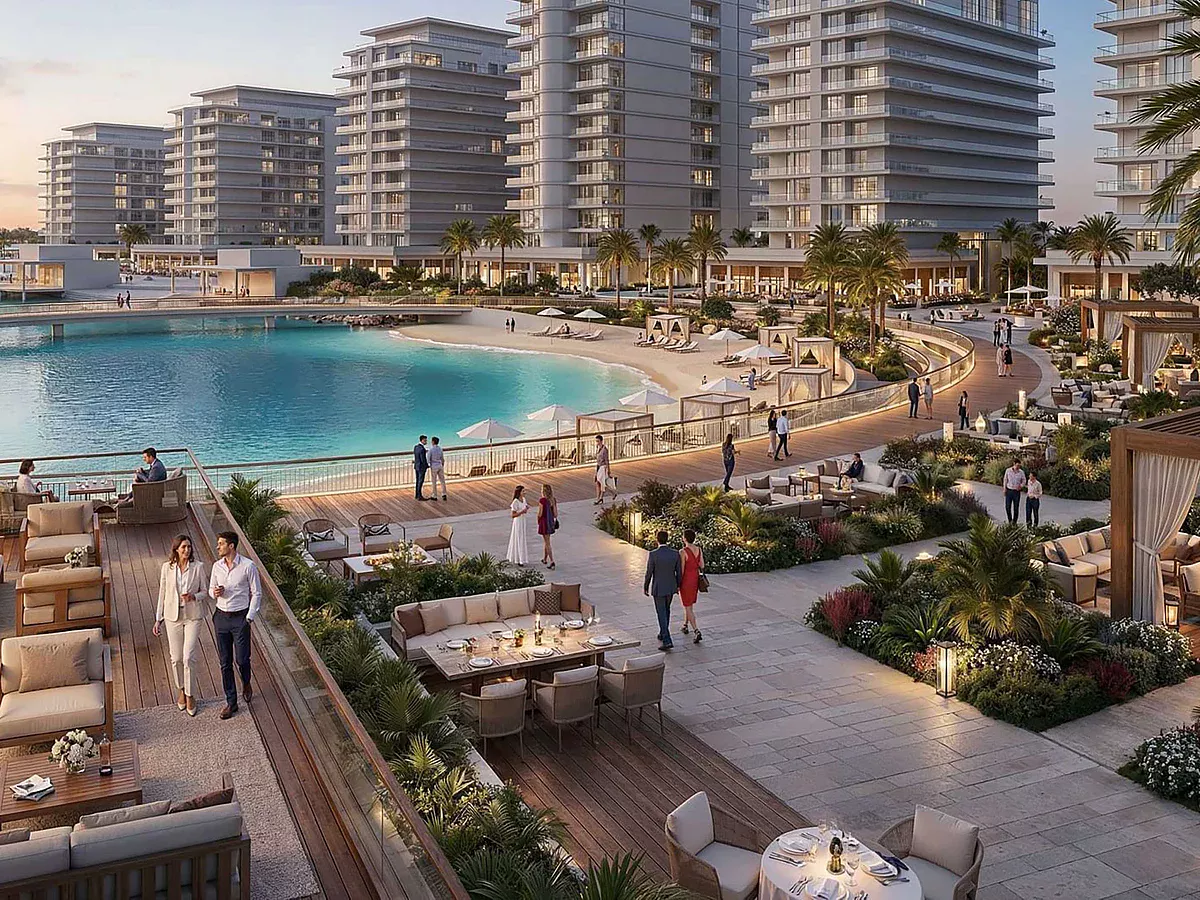
    The new release comprises homes across three low- to mid-rise residential buildings, including one- to four-bedroom apartments and four- to five-bedroom townhouses. All units will have direct beach access, with selected duplex residences featuring double-height living areas and large terraces.

    Residents will have access to amenities such as a fitness centre, games room, children’s club, swimming pools, landscaped outdoor spaces, and sports courts. As part of the wider masterplan, Palm Jebel Ali will include a 9,000-square-metre retail centre and the Palm Jebel Ali Friday Mosque, which will accommodate up to 1,000 worshippers.

    Spanning 13.4 kilometres, Palm Jebel Ali consists of seven interconnected islands and over 90 kilometres of coastline. The development is part of Dubai’s long-term urban expansion plans under the Dubai 2040 Urban Master Plan and the Dubai Economic Agenda D33.

    “This next phase of Palm Central Private Residences builds on that momentum, offering a new benchmark for beachfront living while reinforcing our commitment to shaping world-class communities that contribute meaningfully to Dubai’s future growth,” said Khalid Al Malik, CEO of Dubai Holding Real Estate.

    Al Malik said demand for Palm Jebel Ali reflects continued investor confidence in Dubai’s property market and the emirate’s long-term growth prospects.

    The latest release comes as Palm Jebel Ali prepares for first handovers later this year, with construction advancing across key residential areas following more than Dh8.5 billion in contracts awarded since 2024. The project aligns with broader market momentum, as Dubai’s property sector is projected to attract over $272 billion in new developments over the next five years.

  • Saudi Arabia Launches Property Ownership Portal for Foreign Investors

    Saudi Arabia Launches Property Ownership Portal for Foreign Investors

    The Saudi Properties portal marks a significant shift in the Kingdom’s approach to international real estate investment, offering a streamlined digital pathway for non-Saudis to navigate ownership regulations that previously required extensive in-person procedures.

    The platform enables prospective buyers from inside and outside Saudi Arabia to complete regulatory procedures online, check available ownership routes, view approved real estate opportunities, verify eligibility requirements, submit applications, and track their requests through a unified interface.

    How the Application Process Works

    Non-Saudi residents already in the Kingdom can apply directly through the portal using their residency number, with eligibility checks and procedures completed through an automated digital process.

    Applicants outside Saudi Arabia must first obtain a digital identity card from Saudi missions abroad before completing their online application. Non-Saudi companies and entities without an existing presence in the Kingdom must register with the Ministry of Investment through the Invest Saudi platform and obtain a national unified number before completing the ownership process electronically.

    The system allows non-Saudi individuals, companies, and entities to own property across various regions of Saudi Arabia, subject to the approved geographic scope and regulatory framework.

    Special Rules for Holy Cities

    Ownership in Makkah and Madinah remains regulated under specific rules. Property ownership in the two Holy Cities is limited to Saudi companies and Muslim individuals from inside and outside the Kingdom.

    The Real Estate General Authority said the framework is designed to make ownership decisions more transparent by linking property opportunities to official data sources and structured regulatory pathways, which will improve market credibility, support higher-quality urban growth, and enhance the experience for applicants.

    The move builds on Saudi Arabia’s broader economic transformation strategy, positioning the Kingdom alongside regional competitors like the UAE in attracting international property investment. While the UAE leads global rankings with 56% of investors planning to increase exposure, Saudi Arabia’s new digital infrastructure may accelerate its appeal to foreign capital seeking diversification beyond Dubai and Abu Dhabi.

    REGA emphasized that the Saudi Properties portal is the official channel for foreign real estate ownership applications and for accessing key information related to owning property in the Kingdom.

  • Dubai Launches Flexi Rents Initiative for Monthly Rental Payments

    Dubai Launches Flexi Rents Initiative for Monthly Rental Payments

    The initiative focuses on introducing a flexi-rent model that broadens tenants’ options through a variety of payment plans, including monthly, quarterly and semi-annual installments. It is supported by incentives and value-added packages offered by participating entities, helping to enhance rental market stability, improve quality of life and provide housing solutions tailored to the needs of diverse segments of society.

    To support the initiative’s implementation, DLD signed cooperation agreements with Wasl Properties, Deyaar Property Management, Dubai World Real Estate, Modern Real Estate, Dubai Investment Real Estate, SBK Real Estate, Rocky Real Estate, SRG Properties, Harbor Real Estate, Driven Properties and Al Showaib Real Estate.

    The move reflects DLD’s commitment to providing more flexible rental solutions that respond to evolving market needs, further strengthening Dubai’s position as a leading global real estate destination that offers more efficient and sustainable housing models for various segments of society.

    Under the cooperation agreements, the Flexi Rent model will be applied to vacant or eligible rental units in Dubai owned or managed by the participating partners. This will be achieved by offering flexible payment options and providing rental incentives, discounts, or promotional packages for new tenants, in accordance with the partners’ approved policies and in compliance with the laws and regulations in force in the Emirate of Dubai.

    DLD will provide the regulatory and coordination framework necessary for the implementation of the initiative, including supplying partners with relevant guidelines, updates and requirements, supporting technical integration with approved systems and monitoring the initiative’s overall performance in coordination with participating entities.

    The department will also support the visibility of partners’ participation through its official channels, including the Dubai REST app, the department’s website and its various digital platforms, in accordance with approved procedures and regulations.

    Dubai Land Department affirmed that the Flexi Rent initiative is an extension of its ongoing efforts to develop innovative and adaptable real estate solutions that enhance the market’s ability to respond to changing dynamics while meeting the community’s evolving needs. The department noted that providing tenants with a range of payment options contributes to improving quality of life, strengthening the stability of the rental market, and supporting the development of a more sustainable and efficient real estate ecosystem.

    It further emphasized that collaboration with the private sector is a key pillar in accelerating the adoption of new operational models that create tangible value for customers.

    The initiative is closely aligned with the objectives of the Dubai Real Estate Strategy 2033, which aims to enhance the sector’s competitiveness and reinforce Dubai’s position as a leading global destination for investment and living through an advanced real estate ecosystem that places people and their quality of life at the heart of its priorities.

    With the launch of this initiative, DLD continues to advance its vision of building a resilient and sustainable real estate sector founded on innovation and meaningful partnerships, while delivering practical solutions that enhance quality of life and respond to evolving economic and social needs. The initiative represents a further step within the department’s integrated roadmap to develop a more future-ready and competitive real estate ecosystem, supporting the objectives of the Dubai Economic Agenda D33 and reinforcing the emirate’s position as a leading global destination for living, working and investment.

    The flexible payment structure comes as Dubai’s real estate market attracts $272 billion in projected investment over the next five years, driven by rapid population growth and foreign capital inflows. Meanwhile, neighboring Abu Dhabi froze all rent increases in early June to stabilize housing costs amid double-digit growth in some segments.

  • Dubai Launches ‘Flexi Rents’ Initiative for Monthly Rental Payments

    Dubai Launches ‘Flexi Rents’ Initiative for Monthly Rental Payments

    Dubai tenants now have access to significantly more flexible rental payment options following the launch of a new affordability initiative that allows residents to spread housing costs through monthly instalments and other customized payment arrangements.

    The programme, branded as ‘Flexi Rents’, was unveiled by the Dubai Land Department (DLD) on June 23, 2026, and aims to reduce the financial burden of large upfront payments that have long characterized Dubai’s rental market.

    Under the initiative, tenants can choose from a range of payment schedules including monthly, quarterly and semi-annual instalments, depending on the property and participating landlord. In some cases, payment schedules may be extended for up to 12 months, enabling residents to better align rent payments with their monthly income.

    Relief from Upfront Payment Pressure

    Khalid Al Shaibani, Director of Rental Affairs Section at Dubai Land Department, said the initiative reflects Dubai’s commitment to improving housing stability and ensuring residents have access to practical rental solutions.

    “The Affordable Rental Initiative reflects Dubai’s commitment to promoting housing stability and supporting residents through flexible and accessible rental solutions,” Al Shaibani said.

    Traditionally, most Dubai tenants pay rent through one, two, four or six cheques covering significant portions of their annual rent. While this system has functioned for years, it often requires residents to commit substantial amounts of money upfront, creating financial pressure for households managing other living expenses.

    Additional Concessions and Benefits

    Beyond flexible payment schedules, the initiative introduces several concessions designed to ease the cost of renting. Depending on the property owner or management company, tenants may benefit from grace periods, revised payment schedules and promotional offers. Some participating landlords may also waive rental increases or administrative fees typically associated with delayed cheque payments.

    Tenants will be able to make payments through credit cards, debit cards and traditional cheques, offering greater convenience and flexibility. Importantly, the scheme is available not only to new tenants but also to existing residents who can approach participating landlords to explore whether their payment arrangements can be revised under the Flexi Rents framework.

    Twelve Major Property Companies on Board

    To support the rollout, DLD signed cooperation agreements with 12 major real estate companies operating in Dubai. These include Wasl Properties, Deyaar Property Management, Dubai World Real Estate, Modern Real Estate, Dubai Investment Real Estate, SBK Real Estate, Rocky Real Estate, SRG Properties, Harbor Real Estate, Driven Properties and Al Showaib Real Estate, among others.

    Under the agreements, participating companies will apply the Flexi Rents model to eligible vacant and occupied residential units within their portfolios. They will also manage tenancy contracts, process payments and ensure tenants are aware of the flexible options available to them.

    DLD will provide the regulatory and operational framework required for implementation, including technical support, system integration and oversight. The department will also promote participating properties through its official channels, including the Dubai REST application and other digital platforms.

    Market Context and Strategic Alignment

    The launch comes as Dubai’s property market continues its rapid expansion, fuelled by population growth, strong economic activity and sustained demand for housing across multiple income segments.

    According to DLD data, nearly 1.2 million tenancy contracts, including both new leases and renewals, were registered in Dubai last year, highlighting the scale and importance of the emirate’s rental sector.

    The initiative aligns with the Dubai Real Estate Sector Strategy 2033, which seeks to enhance the competitiveness of the property market through innovation, sustainability and customer-focused services. It also supports the goals of the Dubai Economic Agenda D33, which aims to strengthen Dubai’s position among the world’s leading cities for business, investment and quality of life.

    Similar initiatives are emerging across the UAE. Abu Dhabi recently implemented a rent freeze to stabilize housing costs amid growing demand, while efforts to improve affordability have gained momentum across the region.

    Expansion and Future Initiatives

    While the initial phase covers 12 participating companies, officials expect the programme to expand gradually across Dubai’s real estate market. Al Shaibani indicated that Flexi Rents is only the first of several initiatives aimed at improving housing affordability and customer experience.

    “This is only the beginning. More initiatives supporting the same objective of making Dubai the best city to live, work and enjoy will be announced in the coming months,” he said.

    DLD will monitor the pilot phase through key performance indicators including the number of units enrolled, tenancy contracts signed under the Flexi Rents model, occupancy rates, tenant payment compliance and customer feedback.

    For thousands of tenants facing rising housing costs, the ability to pay rent monthly rather than in large lump sums could offer welcome relief while reinforcing Dubai’s efforts to create a more inclusive and resident-friendly housing market.