• UAE Tops Global Property Investment Rankings, Surpassing U.S. and U.K.

    UAE Tops Global Property Investment Rankings, Surpassing U.S. and U.K.

    A comprehensive global survey commissioned by Arada and conducted by U.S.-based Penta Group has positioned the UAE as the top choice for international property investors, outranking traditional Western markets including France (28%) and Spain (27%).

    The index reveals that familiarity with UAE real estate opportunities stands at 51%, matching levels seen in the U.K. and trailing the U.S. by only two percentage points—a significant indicator of the market’s maturation on the global stage.

    Regional and European Demand Drives Interest

    The UAE’s appeal is particularly pronounced among investors from neighboring markets. The survey found that 91% of Indian investors, 92% of Egyptian investors, and 85% of Saudi investors cited the country as a top-three destination.

    Among European investors, the UAE emerged as the top choice outside their home country for French investors (63%), German investors (60%), and Swiss investors (57%).

    “These findings confirm that despite recent headwinds international investors recognise the UAE’s structural advantages in regulatory maturity, track record of performance, and stable economic fundamentals,” said Ahmed Alkhoshaibi, Group CEO of Arada.

    Returns and Stability Drive Investment Decisions

    Strong potential returns emerged as the primary investment driver globally, cited by 38% of respondents. Australian (57%), Spanish (56%), and British (41%) investors all ranked return potential as their primary consideration.

    For risk-averse investors, safety and stability proved decisive, particularly among Chinese (65%) and German (58%) investors. The UAE’s regulatory framework, political stability, and transparent property laws have established it as one of the world’s most trusted environments for property investment.

    Ease of purchase and ownership was cited by 34% of respondents overall, rising to 57% among Saudi investors and 41% among Egyptian investors—reflecting the UAE’s reputation as a low-barrier, investor-friendly market.

    Infrastructure Investment Reinforces Market Position

    The survey’s release coincides with announcements of record infrastructure investments across the UAE, including the AED34 billion Dubai Metro Gold Line, the world’s first commercial air taxi network, and the AED6 billion Fourth Federal Corridor designed to enhance connectivity between emirates.

    Alkhoshaibi emphasized the nation’s adaptive capacity: “Continued adaptation has been key to the UAE’s rise as a global investment destination – whether it’s the pandemic or the financial crisis, this country has demonstrated time and again that it adjusts fast and better than anywhere else in the world.”

    The findings arrive as Dubai’s property market demonstrates resilience, with off-plan properties continuing to dominate sales activity. Recent data shows off-plan sales accounting for 76% of residential transactions in April 2026, while Abu Dhabi recorded 6.4% price growth in Q1 2026.

    The UAE’s property sector has proven its ability to maintain momentum despite geopolitical uncertainty, positioning the nation as a long-term investment destination rather than a speculative market. With investor confidence backed by robust infrastructure development and regulatory clarity, the Emirates continues to reshape the global real estate investment landscape.
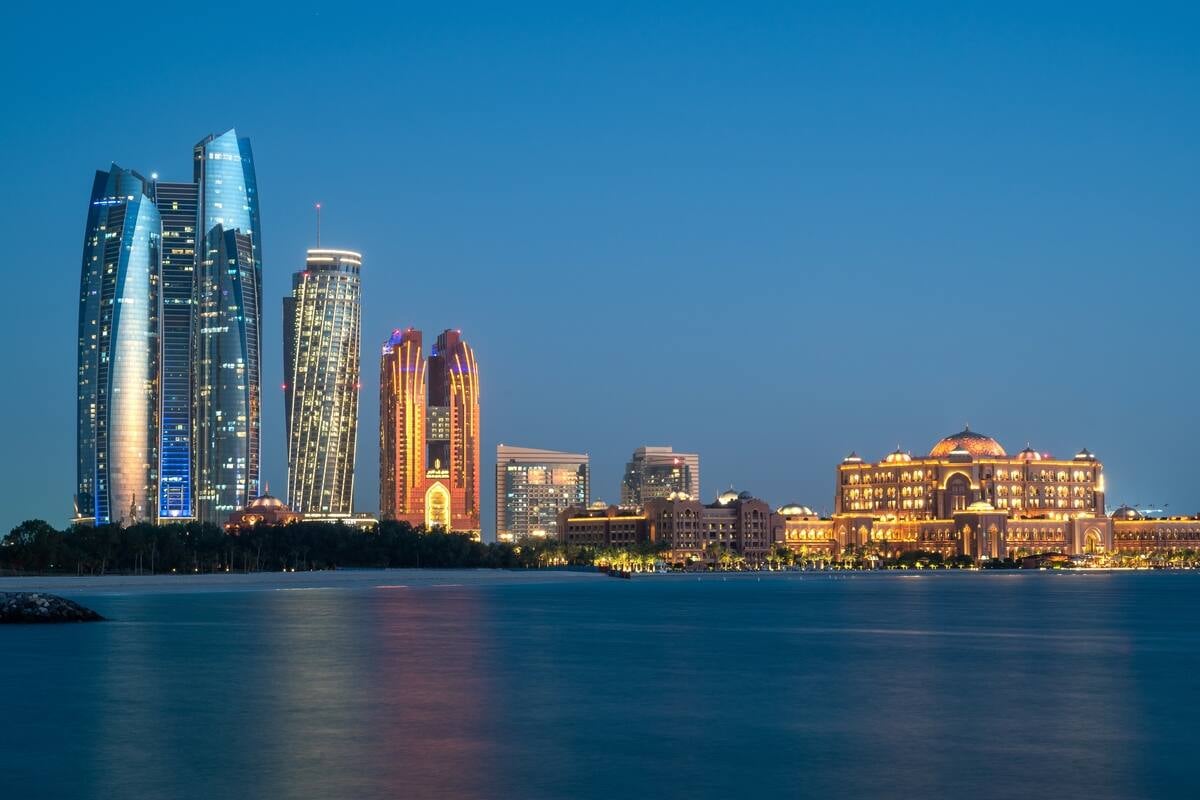
  • Four Factors Driving Abu Dhabi’s Property Boom in 2026

    Four Factors Driving Abu Dhabi’s Property Boom in 2026

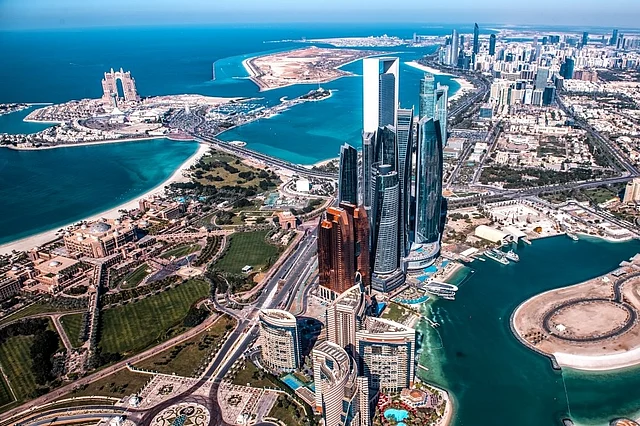
    Abu Dhabi has emerged as one of the UAE’s most attractive real estate destinations for both end-users and investors in 2026, underpinned by robust national frameworks, regulatory transparency, and strategic infrastructure investments, according to a comprehensive report by Object 1.

    The report identified four key factors shaping the next phase of the emirate’s property expansion as the capital prepares for a population exceeding six million residents by 2040.

    Government-Backed Vision Anchors Long-Term Confidence

    The first and most significant driver remains government support and strategic direction. Abu Dhabi Economic Vision 2030 continues to serve as the emirate’s long-term roadmap, guiding sustainable urban expansion, infrastructure development, and enhanced connectivity while reducing reliance on oil revenues.

    “The strategy continues to guide sustainable urban expansion, infrastructure development, and enhanced connectivity across the emirate, providing a strong foundation for resilient growth,” the report stated.

    Strategic Location Connects Global Markets

    The emirate’s strategic geographic position emerged as the second major growth catalyst. Positioned at the crossroads of Europe, Asia, and Africa, Abu Dhabi provides access to a significant share of the world’s population within an eight-hour flight radius, supported by world-class airports, seaports, and highways.

    Key infrastructure assets including Khalifa Port and Zayed International Airport are strengthening the capital’s appeal among international property buyers. Object 1’s buyer data shows strong interest from investors across India, the European Union, the UAE, Turkey, and CIS countries.

    Diverse Opportunities Across Price Points

    Rising demand across multiple market segments and locations represents the third factor behind Abu Dhabi’s real estate growth. The report emphasized that the market’s greatest strength lies in its diversity, offering opportunities across a broad range of price points and catering to different buyer profiles.

    This includes growing demand for luxury properties, ongoing developments focused on leisure and tourism destinations, and increasing participation from mid-market investors seeking long-term value.

    Investor-Friendly Framework Attracts Capital

    The fourth driver is Abu Dhabi’s investor-focused market structure. The UAE’s political and social stability, open economy, and investor-friendly regulatory environment continue to strengthen confidence in the real estate sector.

    Foreign investors benefit from attractive incentives including the absence of personal income tax and 100% foreign ownership in free zones and selected sectors. These fundamentals have generated strong capital inflows, helping position the UAE among the world’s top ten destinations for foreign direct investment.

    Abu Dhabi’s ecosystem is further strengthened by globally recognized institutions such as the Abu Dhabi Global Market (ADGM) and innovation hubs including Hub71, which continue to attract international companies, highly skilled talent, and investment capital.

    Balanced Growth Expected Ahead

    Looking ahead, Object 1 expects property demand in Abu Dhabi to remain robust even as new supply enters the market, helping maintain a healthy and balanced pace of price growth that benefits buyers.

    “International investors continue to show strong interest in smart, sustainable communities built around modern lifestyle concepts,” the report noted, adding that with numerous landmark developments and major tourism projects currently under construction, Abu Dhabi is well-positioned to enter its next chapter of growth with confidence and momentum.

    The report’s findings align with recent market data showing more than 3,200 unit sales in April 2026 and capital values climbing 6.4% in Q1, reflecting sustained investor confidence despite the emirate’s recent rent freeze measures.

  • Abu Dhabi Freezes Rents on All Residential and Commercial Properties

    Abu Dhabi Freezes Rents on All Residential and Commercial Properties

    Abu Dhabi has imposed a comprehensive rent freeze across its property market, extending to residential, commercial and industrial sectors as authorities prioritize market stability and tenant protection.

    According to ADREC, all tenancy contract renewals will be processed at 0 percent increase for the duration of the measure. Any new tenancy contract on a previously rented unit will be offered at the same rental value as the preceding contract, effectively capping prices at current levels.

    The decision is designed to maintain rental price stability across Abu Dhabi while ensuring greater transparency and predictability for tenants, according to the regulator.

    The rent freeze is designed to maintain rental price stability across Abu Dhabi while ensuring greater transparency and predictability for tenants.

    The freeze comes as the emirate experiences significant rent appreciation across multiple asset classes. According to JLL’s latest Real Estate Market Dynamics report, Abu Dhabi’s prime office rents surged 11.7 percent year-on-year, while Grade A and Grade B office spaces recorded increases of 5.1 percent and 4.2 percent, respectively.

    In the industrial segment, Abu Dhabi achieved 18.2 percent growth with rents averaging AED486 per square meter in Q1 2026, reflecting sustained occupier demand and constrained supply.

    The capital’s residential market has also demonstrated strong momentum. According to recent data, Abu Dhabi property prices jumped 6.4% in the first quarter of 2026, with the ValuStrat Price Index climbing to 148 points.

    The freeze represents a significant policy intervention in a market that has seen rapid appreciation driven by population growth, economic diversification and infrastructure development. It follows similar measures in neighboring Dubai, where authorities have historically employed rental caps tied to market indices.

    No end date for the temporary measure has been announced. ADREC stated the freeze will remain in effect “until further notice,” leaving landlords and tenants uncertain about the timeline for a return to market-driven pricing.

    The decision may prompt developers and investors to reassess project timelines and yield expectations, particularly in segments where rental income forms a core component of investment returns. Meanwhile, tenants across the emirate are expected to benefit from immediate cost certainty as UAE office rents surge in prime locations.

  • Abu Dhabi Freezes All Rent Increases Until Further Notice

    Abu Dhabi Freezes All Rent Increases Until Further Notice

    Abu Dhabi’s residential and commercial tenants now have certainty over one of their largest monthly expenses: the rent in their previous contract will remain the benchmark for renewals, with no increases permitted under the new suspension.

    The decision by ADREC means that landlords cannot demand higher rent when tenants renew their leases or sign new contracts. The approved rental value must match the amount listed in the last agreement, effectively freezing rent levels across the emirate until the regulator announces otherwise.

    What the Freeze Means for Tenants

    For existing tenants approaching lease renewals, the suspension removes the uncertainty of potential rent increases. Annual rents in Abu Dhabi range from approximately Dh30,000 for studio apartments in more affordable areas to over Dh400,000 for luxury villas, with monthly payments typically between Dh3,500 and Dh15,000 or more depending on location, size, and amenities.

    The freeze applies equally to residential and commercial properties, benefiting both families and businesses. Small and medium-sized enterprises that rely on stable operating costs can now plan budgets without worrying about immediate rental cost increases.

    The approved rental value must remain the same as the amount listed in the last contract.

    Market Context and Timing

    The decision comes as Abu Dhabi’s property market continues to attract residents, businesses, and investors. The emirate’s residential sector has sustained positive momentum through 2026, with property prices jumping 6.4% in Q1 2026 according to market data.

    In April 2026, Abu Dhabi recorded more than 3,200 residential unit sales, rebounding from a softer March and exceeding transaction volumes from the first two months of the year. As demand for homes and commercial space grows, rents often come under pressure to rise.

    Impact on Landlords and Property Owners

    Landlords and property management companies must continue using the current approved rental value and cannot increase rents while the suspension remains in force. The move creates clearer rules for both tenants and landlords, potentially reducing disputes over rent increases during contract renewals.

    Property owners will need to maintain current rental income levels without the ability to adjust for market conditions or inflation until ADREC lifts the suspension.

    Duration and Future Changes

    ADREC has not specified an end date for the rent freeze, stating only that it will remain in place “until further notice.” The regulator is expected to continue monitoring market conditions, housing demand, and rental trends before making any future adjustments to the policy.

    The suspension represents a significant intervention in Abu Dhabi’s property market, prioritizing tenant stability over market-driven rental adjustments in a period of sustained real estate activity across the UAE.

  • Bayut Launches Property Search App on ChatGPT in UAE First

    Bayut Launches Property Search App on ChatGPT in UAE First

    The Bayut App on ChatGPT allows users to discover listings by simply describing what they are looking for, including location, budget, size, bedroom count or property type. This creates a more intuitive search experience for buyers, tenants and casual browsers, allowing them to begin their property journey in the same conversational environments where they are already asking questions, comparing options and exploring decisions.

    “At Bayut, we have always viewed innovation as a way to solve real user problems and create more efficient property journeys. Search behavior is evolving, and people are increasingly using AI-powered platforms to ask questions, explore options and make decisions. With the Bayut App on ChatGPT, we are making it easier for users to search for properties in a way that feels natural, intuitive and aligned with how they discover information today,” said Haider Khan, CEO of Bayut and dubizzle.

    AI-Led Experiences Meet Global Standards

    The milestone is significant given that apps on ChatGPT are subject to OpenAI’s app submission and approval process, with a strong emphasis on real-world utility, intuitive conversational experiences and clear user value. Bayut’s availability as an app on ChatGPT reflects the relevance of property search as a natural use case for conversational AI, and also points to Bayut’s advanced credibility within the global tech ecosystem.

    For Bayut, this marks more than a product launch. It demonstrates how a UAE-born platform is building technology that meets global standards for AI-led discovery, while bringing meaningful innovation to one of the country’s most important sectors.

    “As a UAE-born platform, we are also proud to contribute to the country’s forward-looking AI agenda. The UAE has created an environment where technology, innovation and ambition can thrive, and this launch is another step in bringing practical AI-led experiences into everyday sectors such as real estate,” added Khan.

    New Discovery Pathway for Properties

    For real estate professionals and clients, the launch also creates another discovery pathway for listings on Bayut, helping properties reach users in emerging AI-led search environments. This reinforces Bayut’s commitment to supporting its partners through technology, visibility and user-first innovation.

    The Bayut App on ChatGPT is available globally across desktop web, mobile browsers and the ChatGPT app, with support for both light and dark modes.

    As the UAE continues to accelerate its artificial intelligence capabilities, Bayut is bringing this vision into the real estate sector through practical, user-focused technology that makes property search more accessible, intelligent and seamless.

    The launch comes as Dubai’s property market evolves into a mature investment destination, with technology playing an increasingly central role in how buyers and tenants discover and evaluate properties. The integration with ChatGPT positions Bayut at the forefront of AI-driven property search, complementing broader market trends that include sustained demand across residential and commercial segments.

  • Dubai Prime Homes Outpace Wider Market as Price Growth Stays Resilient

    Dubai Prime Homes Outpace Wider Market as Price Growth Stays Resilient

    Dubai’s residential property market is showing signs of cooling momentum, but underlying data points to sustained long-term strength — particularly in the prime segment, where price growth continues to outpace the broader market.

    The ValuStrat Price Index (VPI) stood at 224.9 in April 2026, reflecting a monthly decline of 1.9% after a sharper 5.9% drop in March. However, annual growth remained positive at 5.3%, underscoring the resilience of capital values despite short-term adjustments.

    According to findings from eXp Realty Dubai, while Dubai’s wider residential market recorded an average quarterly growth rate of 2.2% between Q1 2025 and Q1 2026, the prime segment outperformed with 2.7% growth, highlighting stronger demand among high-net-worth buyers.

    The divergence is particularly visible across asset classes. Villa values — typically associated with prime and upscale communities — remain the main driver of growth. ValuStrat data shows villa capital values rose 8.3% year-on-year, even as they slipped 1.7% month-on-month, outperforming apartments, which saw marginal annual growth of just 0.5% alongside a steeper 2.2% monthly decline.

    On a price basis, villas are now valued at an index level of 301.5 compared to 171.6 for apartments, indicating a widening performance gap between the two segments.

    Demand dynamics also reflect this split. Older freehold villa communities are now priced about 196% above post-pandemic levels and 80% higher than the 2014 peak, while apartments, though still 72% above post-pandemic levels, remain 6% below their previous peak.

    Transaction trends further illustrate changing buyer preferences. Off-plan properties dominated activity, accounting for nearly 79% of all residential sales, with 10,272 transactions recorded, despite a 13.9% annual decline. In contrast, ready home sales fell sharply by 43.8% year-on-year to 2,661 transactions, indicating a significant shift toward new developments.

    At the ultra-prime end, demand remains firm. The market recorded 16 transactions above Dh30 million, including four deals exceeding Dh50 million, concentrated in areas such as Palm Jumeirah, Dubai Hills Estate, and DIFC — underscoring continued appetite for high-value assets.

    Geographically, performance remains uneven. Villa markets in Jumeirah Islands, The Meadows and Emirates Hills delivered some of the strongest annual gains at 24.5%, 14.9% and 14.6% respectively. Meanwhile, in the apartment segment, areas such as Dubai Silicon Oasis and Remraam recorded double-digit growth of 12.4%, contrasting with declines in prime locations such as Burj Khalifa, where values fell 10.4% year-on-year.

    “What continues to stand out about Dubai’s property market is the consistency of long-term demand… particularly within the prime residential sector. The emirate is increasingly seen as one of the world’s most established and desirable residential destinations.” — Dounia Fadi, Managing Director, eXp Realty Dubai

    While short-term price corrections and slower sales activity signal a cooling phase, the data indicates that Dubai’s residential market remains underpinned by strong fundamentals — led by prime real estate, international demand, and a continued tilt toward higher-value investment assets.

    The resilience in the prime segment aligns with Dubai’s evolving investor profile, as the emirate increasingly attracts long-term buyers rather than short-term speculators. Recent market analysis also showed homeowners retaining properties for periods comparable to London and New York, further cementing Dubai’s status as a mature global real estate destination.

  • Dubai Property Market Shifts to Long-Term Investment Destination

    Dubai Property Market Shifts to Long-Term Investment Destination

    The average time for a renter in the UAE to become a homeowner has dropped to just 4.8 years, highlighting a growing shift toward long-term residency and ownership rather than short-term property trading, according to Nagham Hassan, market analyst at eToro, a trading and investing platform.

    The trend reflects changing buyer behaviour across the UAE property market. In 2025, data showed that the investor base expanded to more than 193,000 active participants, with resident investors accounting for over half of total investments by value — a trend analysts say reflects increasing market maturity and stronger long-term confidence in the UAE economy.

    Dubai has also launched the First Time Home Buyer Programme to support individuals seeking to purchase their first home in the emirate by offering a range of exclusive benefits that make it easier to enter the property ownership market.

    Industry experts noted that strong demand, fast-moving launches and limited supply in key communities are encouraging buyers to make quicker long-term purchasing decisions rather than waiting on the sidelines.

    Dubai recorded Dh252 billion in real estate transactions during the first quarter of 2026, up 31 per cent year-on-year, following a record-breaking Dh917 billion in transactions during 2025. Meanwhile, property prices rose 9.81 per cent last year, moderating from the double-digit gains seen in previous years.

    Despite heightened regional tensions earlier this year, Dubai’s property sector showed resilience. February transactions reached Dh84 billion before slowing to Dh56 billion in March as buyers briefly paused amid geopolitical uncertainty. However, sales rebounded 23 per cent in April to Dh69 billion, signalling renewed confidence in the market.

    The resilience has also extended to listed real estate developers, although share prices have lagged behind physical market performance.

    Emaar Properties entered 2026 with a revenue backlog of Dh163.4 billion, up 29 per cent year-on-year, while Aldar Properties reported a 12 per cent increase in revenue and a 22 per cent rise in EBITDA, alongside total liquidity of Dh38.2 billion.

    A resolution in the regional conflict would act as a catalyst, unlocking the pent-up demand that has already proven itself in the physical market and accelerating the repricing of both stocks toward their fundamental value.

    Analysts say the sector’s long-term outlook remains supported by escrow-protected sales structures, recurring income streams and strong project pipelines, making major UAE developers relatively insulated from short-term market volatility.

    The structural shift toward homeownership is further reinforced by Dubai homeowners now holding properties for periods comparable to mature markets like London and New York, reflecting the emirate’s maturation as a global residential hub.

  • Abu Dhabi Approves $419 Million Housing Package Ahead of Eid Al Adha

    Abu Dhabi Approves $419 Million Housing Package Ahead of Eid Al Adha

    The second housing package of 2026 was announced following directives from His Highness Sheikh Mohamed bin Zayed Al Nahyan, President of the UAE, in his capacity as Ruler of Abu Dhabi, underscoring the leadership’s ongoing commitment to promoting family and social stability through sustainable housing solutions.

    Housing Loans and Exemptions Total AED1.54 Billion

    The approved package comprises housing loans valued at AED1.41 billion, benefiting 929 citizens, and exemptions from housing loan repayments totaling AED123 million, supporting 145 senior citizens, limited-income retirees, and families of deceased citizens across the emirate.

    “We extend our deepest gratitude and appreciation to His Highness Sheikh Mohamed bin Zayed Al Nahyan, President of the UAE, and to His Highness Sheikh Khaled bin Mohamed bin Zayed Al Nahyan, Crown Prince of Abu Dhabi and Chairman of the Abu Dhabi Executive Council, for their continued directives that place citizens’ needs at the forefront of all priorities to achieve social stability,” said His Excellency Mohamed Ali Al Shorafa, Chairman of the Board of Directors of Abu Dhabi Housing Authority (ADHA).

    “The leadership remains steadfast in its commitment to ensuring a dignified life and suitable housing for local families, fostering their wellbeing and security while contributing to a cohesive society that actively supports the nation’s development journey.”

    Record Housing Support in 2026

    His Excellency Hamad Hareb Al Muhairi, Director-General of Abu Dhabi Housing Authority, emphasized that the package aligns with the nation’s comprehensive development objectives and reinforces the vital role of suitable housing in building a cohesive and prosperous society.

    With this approval, the total value of housing benefits delivered to citizens in Abu Dhabi during 2026 has reached AED5.76 billion. Since the establishment of the Abu Dhabi Housing Authority, more than 133,000 housing benefits have been delivered to citizens, exceeding AED182 billion in total value.

    The timing ahead of Eid Al Adha demonstrates the leadership’s focus on enhancing citizen welfare during significant occasions, reinforcing Abu Dhabi’s position as a government committed to long-term social stability and family wellbeing.

    Al Muhairi reaffirmed ADHA’s commitment to continuously developing its programs and services to ensure citizens across Abu Dhabi can access suitable housing with ease and convenience, while advancing the housing sector in alignment with the leadership’s vision.

    The emirate’s housing sector has witnessed significant momentum in 2026, with initiatives such as the ADIB and DAMAC financing plan offering up to 85% loan-to-value ratios, broadening access to homeownership across the UAE. Meanwhile, Aldar’s partnership with DMT to develop over 20 million square meters underscores the scale of residential expansion in the capital.

  • Qatar Property Transactions Reach $152.8 Million in One Week

    Qatar Property Transactions Reach $152.8 Million in One Week

    Data published by the Real Estate Registration Department showed that sales contracts registered during the period reached QAR558,832,165, marking an increase from the previous reporting period when property sales between May 10 and 14 totaled QAR405.7 million.

    The weekly bulletin confirmed that residential unit sales accounted for an additional QAR42.1 million in transactions over the same period.

    The deals covered a wide range of properties, including vacant land plots, houses, residential buildings, residential compounds, a mixed-use administrative and commercial building, a palace, commercial-residential buildings, retail shops, and residential units.

    Most activity was concentrated in the municipalities of Al Rayyan, Doha, Al Daayen, Al Wakrah, Al Shamal, Umm Salal, and Al Khor and Al Thakhira. Transactions were also recorded in The Pearl Island, Al Kharaitiyat, Lusail 69, Al Wukair, and Umm Al Amad.

    The rise in transaction value points to continued momentum in Qatar’s real estate market, particularly across residential and mixed-use developments in and around Doha. The latest figures reflect sustained investor confidence and diversified demand across property types and prime locations.

    The broader GCC property market has demonstrated resilience in recent months despite regional geopolitical developments, with both Qatar and the UAE maintaining strong transaction volumes driven by fundamentals rather than speculation.

  • UAE Office Rents Surge as Prime Space Shortage Tightens Market

    UAE Office Rents Surge as Prime Space Shortage Tightens Market

    The UAE’s commercial real estate market demonstrated remarkable resilience in the first quarter of 2026, sustaining strong rental growth across office and retail sectors despite heightened geopolitical uncertainty and evolving economic conditions across the Middle East.

    According to the latest Real Estate Market Dynamics report released by JLL on May 25, 2026, strong economic fundamentals, robust occupier confidence and limited availability of quality office space helped maintain momentum even as businesses adopted a more cautious approach to expansion and leasing decisions.

    Abu Dhabi recorded prime office rent growth of 11.7% year-on-year, while Grade A and Grade B office spaces posted annual increases of 5.1% and 4.2% respectively. Dubai delivered even stronger performance, led by Grade B office space, where rents surged 23.4% year-on-year as occupiers increasingly shifted to more affordable alternatives amid limited prime inventory in core business districts such as DIFC, Downtown Dubai and Business Bay.

    Grade A office rents in Dubai rose 19% annually, while prime office rents increased 17.2%.

    Taimur Khan, head of Research for the Middle East and Africa at JLL, said the UAE market continued to show exceptional resilience and adaptability despite short-term regional disruptions.

    “With strong underlying economic fundamentals and agile occupier and landlord strategies, the UAE’s office and retail sectors demonstrated remarkable resilience and a strong capacity for strategic adaptation. Demand remains robust, signalling the market’s inherent strength and positioning it for sustained growth as demand for prime spaces accelerates amid tightening supply.”

    Industry analysts say the sharp rise in Grade B rents reflects a growing mismatch between supply and demand as businesses seek cost-effective options without compromising on location and connectivity.

    Vacancy levels remained exceptionally low across both emirates. Abu Dhabi’s citywide office vacancy rate stood at just 1.4%, while prime vacancy dropped to an almost negligible 0.1%. Dubai’s citywide vacancy rate edged up slightly to 7.3% following new project deliveries, although prime vacancy remained extremely tight at 0.7%.

    Dubai’s total office inventory reached 101.1 million square feet during the quarter, while Abu Dhabi’s office stock expanded to 4.18 million square metres.

    The UAE’s broader economic diversification push, combined with strong growth in financial services, technology, consulting, logistics and family offices, has continued to fuel demand for commercial office space. This trend aligns with broader commercial momentum across the emirates.

    Despite the rental surge, leasing activity showed signs of moderation as companies adopted a more measured approach amid regional geopolitical tensions and global economic uncertainty. Office rental contract registrations declined 6% year-on-year in Abu Dhabi and 7.7% in Dubai during the first quarter. Monthly new contracts also fell sharply in March compared to February.

    However, Dubai demonstrated notable resilience, with office lease renewals rising 11.2% annually, underlining strong occupier retention and continued confidence in the emirate’s long-term growth prospects.

    The report highlighted a pronounced “flight to quality” trend, with companies increasingly prioritising premium office environments, flexible leasing structures and strategically located assets amid evolving economic and geopolitical conditions.

    Analysts say global supply-chain disruptions and rising construction costs are continuing to affect development timelines, although developers are increasingly mitigating these pressures through phased procurement planning, strategic sourcing and contractor negotiations.

    The UAE’s retail sector also remained relatively resilient, supported by strong domestic consumption, government stimulus measures and flexible leasing arrangements introduced by landlords. Dubai’s retail inventory stood at 56 million square feet, while citywide vacancy tightened further to 4.8%, reflecting sustained occupier demand despite softer tourism flows in certain segments. Abu Dhabi maintained a stable retail vacancy rate of 8.9%.

    The report noted that the UAE government’s Dh1 billion economic stimulus package, combined with landlord flexibility through turnover-rent and short-term relief models, played an important role in supporting occupancy levels and preserving retail market stability.

    Retail rents remained firm across key segments. Super-regional malls in Dubai recorded annual rental growth of 12.4%, while Abu Dhabi’s prime super-regional malls maintained premium positioning with rents reaching Dh5,524 per square metre, supported by selective demand from high-quality tenants.

    While leasing activity in Dubai softened, with new retail rental contracts declining 9.9% year-on-year, Abu Dhabi recorded a 3.6% increase in registrations, driven by a 16.7% rise in new contracts.

    JLL said retailers are increasingly focusing on flexible and experiential concepts to capture domestic demand as consumer behaviour evolves. Community and neighbourhood retail centres are expected to remain resilient, while experiential retail, wellness-focused concepts and home-grown brands are likely to outperform amid changing consumer preferences.

    Analysts believe the UAE’s strong population growth, rising tourism, expanding corporate activity and government-backed economic diversification programmes will continue to support the long-term outlook for both office and retail real estate despite short-term regional volatility. This confidence mirrors sustained investor sentiment across residential markets.