Author: Estattor.com

  • Dubai Waterfront Property Values Surge 140% in Five Years

    Dubai Waterfront Property Values Surge 140% in Five Years

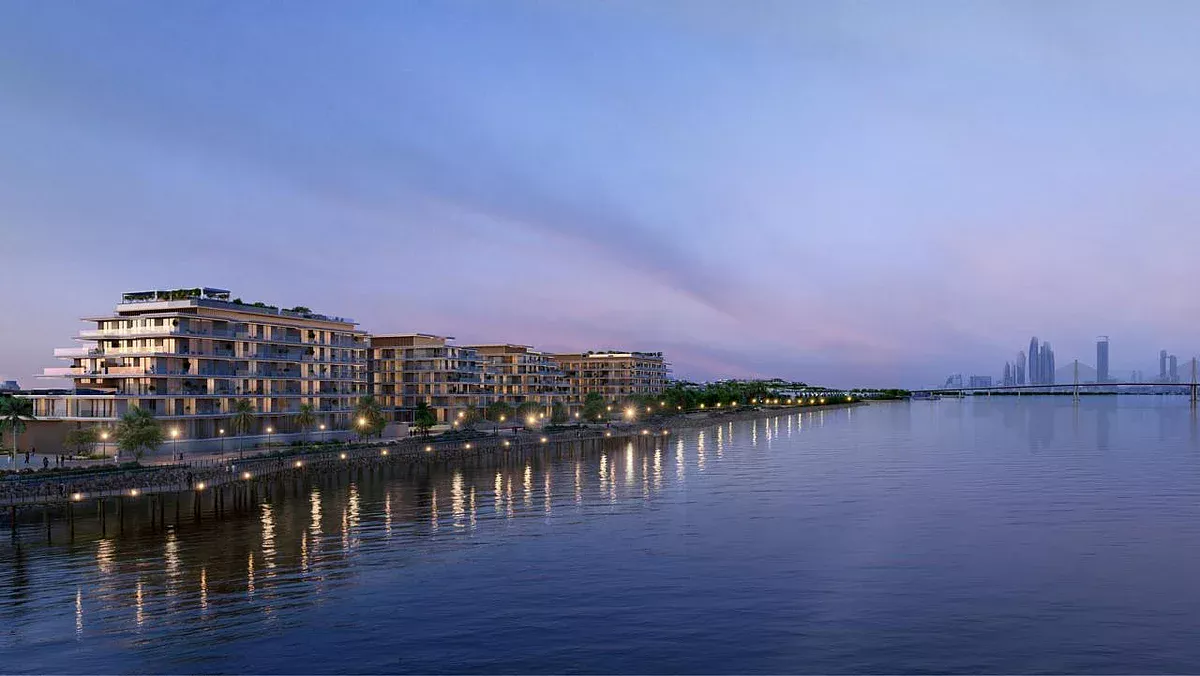
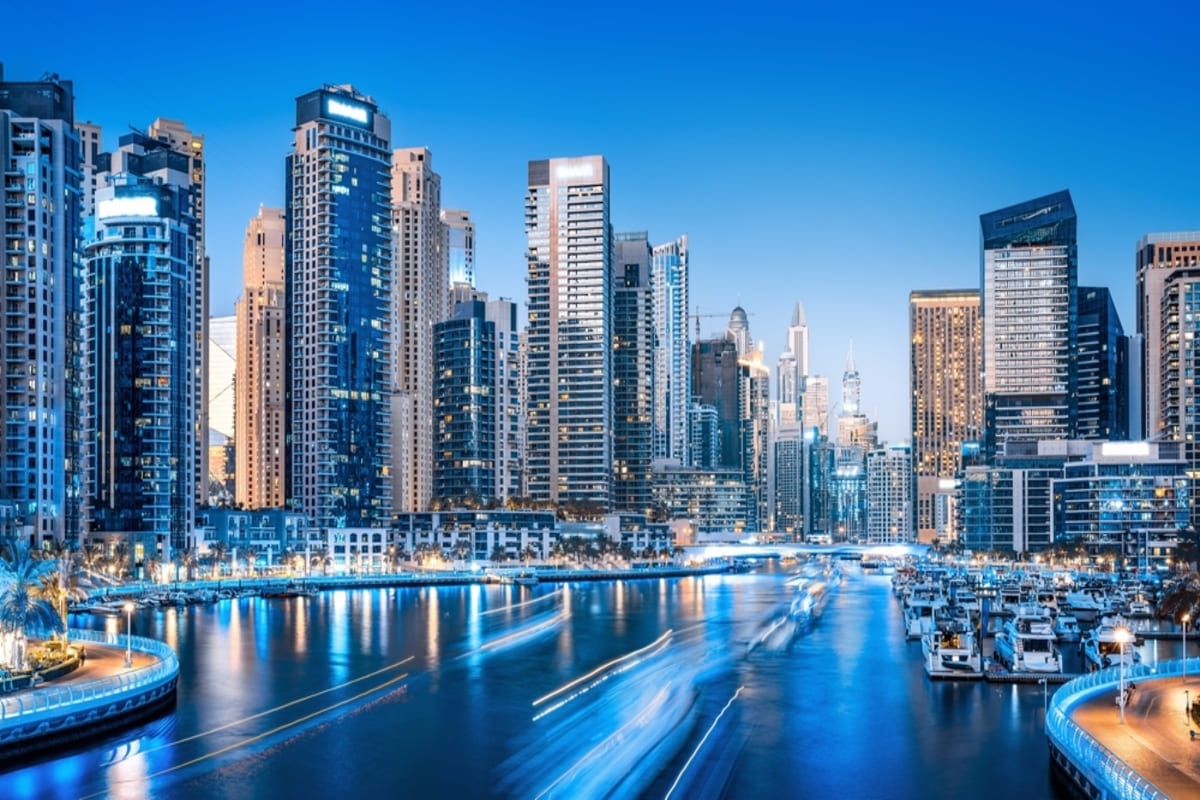
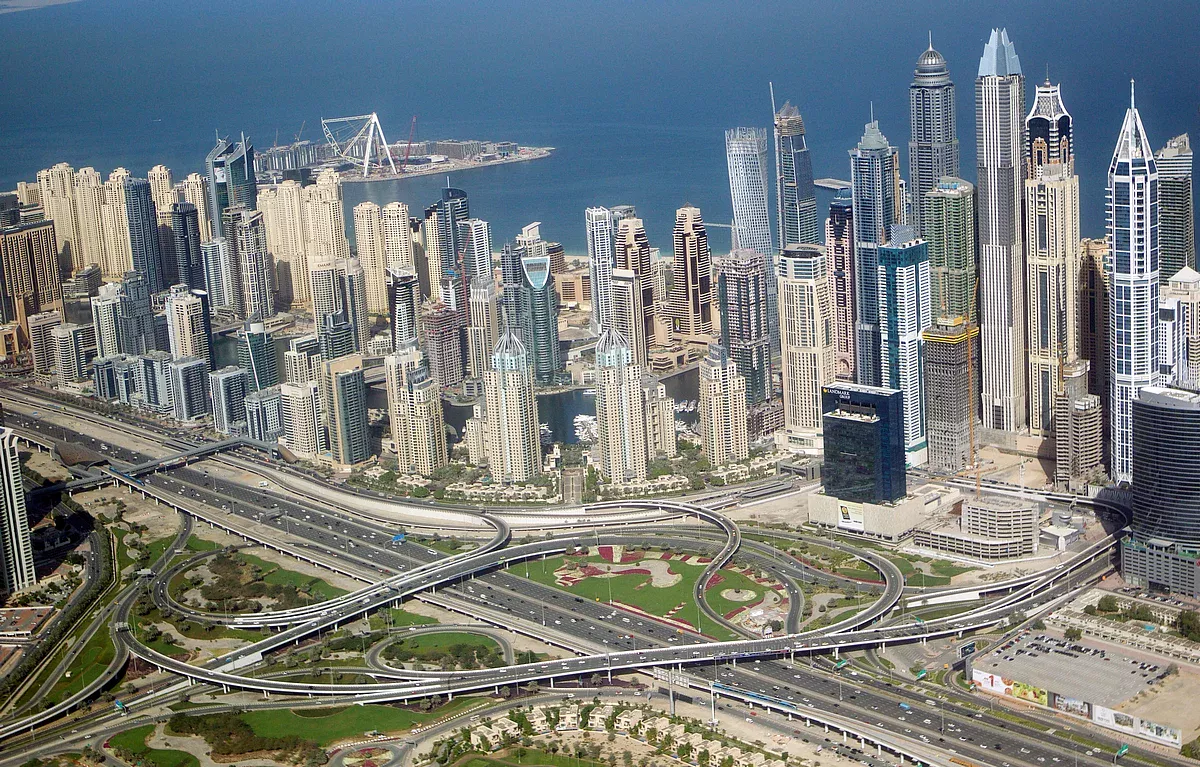
    Waterfront homes in Dubai commanded a 90 percent premium over inland properties in 2021, a figure that rose to 128 percent by the first quarter of 2026 as buyers competed for a finite supply of coastal homes, according to The Future of Seafront Being report produced by White Paper Media Consulting for Shamal Holding.

    The premium is being driven by a classic supply-demand imbalance. As developable seafront land becomes increasingly scarce, the number of premium waterfront homes under construction is expected to decline sharply from 4,261 units in 2026 to just 848 by 2031, according to the study. Demand, meanwhile, continues to strengthen on the back of population growth, inflows of high-net-worth individuals and Dubai’s growing reputation as a global hub for wealth and investment.

    The strength of the market was evident in 2025 when a record 68 homes valued at more than $25 million changed hands in Dubai. Total transaction value in the luxury residential segment reached $9.05 billion, up 27.7 percent from 2024. Four of the city’s five best-performing neighbourhoods during the fourth quarter of 2025 were waterfront communities, accounting for 79 transactions, while 55.6 percent of all Dubai homes sold above $10 million during the period were located in seafront communities.

    A YouGov survey found that 82 percent of UAE residents are considering moving to a seafront or marina-front home within the next two to three years, while 93 percent said they would pay a premium for waterfront living. Nearly all respondents — 99 percent — believe proximity to water enhances a property’s long-term value.

    “We believe that Seafront Being is the evolution of seafront living, from simply residing by the water to experiencing the waterfront as an integrated part of daily life, work, leisure, wellbeing and belonging. At Shamal, we see this as a responsibility of design, not a benefit of position,” said Abdulla Binhabtoor, Chief Executive Officer of Shamal Holding.

    Among those surveyed, 96 percent said proximity to water influences their daily decisions, from how they exercise to where they spend their leisure time, while 88 percent believe living near the sea improves both mental and physical wellbeing.

    Shehzad Jamal, Partner for Strategy and Consultancy at Knight Frank Mena, noted that demand for coastline property has surged as buyers increasingly seek complete lifestyle ecosystems rather than standalone residences.

    “UHNW buyers are no longer just buying a home by the water, they are buying into a lifestyle. The next phase of growth will be defined less by volume and more by quality, differentiation, and experience,” Jamal said.

    Dubai’s prime waterfront market continues to command significant premiums, with prime seafront properties attracting an average premium of around 68 percent. Buyers are increasingly prioritising privacy, direct beach access, wellness offerings and low-density developments over sheer scale.

    The wellness dimension is becoming an equally important driver of the sector’s growth. The YouGov study found that 91 percent of UAE residents feel noticeably more relaxed near water, while one-third described the emotional impact as profound. Sunset walks, marina visits and seaside dining ranked among the most valued experiences associated with coastal living.

    The study found that 48 percent of respondents now regard proximity to the seafront as the most important marker of modern luxury, ahead of prestige and design trends. As Dubai continues to expand its beaches, marinas, parks and public waterfronts, access to the sea is increasingly being viewed not merely as a premium amenity, but as a cornerstone of quality of life and long-term value.

    The convergence of scarcity, wellness and community is reshaping how luxury is defined in the UAE, positioning waterfront property as one of Dubai’s most enduring assets for investors and residents alike.

  • Nine UAE Mega Projects Set to Reshape Transport, Tourism and Finance

    Nine UAE Mega Projects Set to Reshape Transport, Tourism and Finance

    The UAE’s development pipeline includes Etihad Rail, Dubai’s Gold Metro Line, the Dubai Loop underground network, DIFC Zabeel District, Palm Jebel Ali, Al Maryah Island expansion, Group 42’s Project Stargate, the planned Disney Resort in Abu Dhabi, and Wynn Al Marjan Island in Ras Al Khaimah.

    Siraj Ahmed, Director and Head of Strategy and Consulting at Cavendish Maxwell, said priority should be placed on projects that strengthen competitiveness.

    In the current environment, priority should be placed on projects that underpin economic resilience and long-term competitiveness. Infrastructure and technology-led initiatives such as Etihad Rail and G42’s AI platforms are well positioned to support the UAE’s logistics, trade, and knowledge-based economy.

    Dubai Loop enters construction phase

    Dubai Loop, the underground transport network being developed by Elon Musk’s Boring Company with Dubai’s Roads and Transport Authority, has entered its foundation-laying stage with an initial investment of approximately Dh565 million.

    The first phase will cover 6.4 kilometers and include four stations, before a planned expansion to a 22.2-kilometer network with 19 stations connecting Dubai World Trade Centre and the financial district with Business Bay. The pilot route will connect Dubai International Financial Centre with Dubai Mall, reducing a journey that can take about 20 minutes to around three minutes.

    The system will transport passengers in electric vehicles through dedicated underground tunnels measuring 3.6 meters in diameter. The network is expected to carry approximately 13,000 passengers daily upon completion, with the full system projected to handle about 30,000 passengers a day.

    Etihad Rail and Gold Metro Line strengthen connectivity

    Etihad Rail’s 900-kilometer national railway network connecting all seven emirates is advancing toward phased completion between 2026 and 2030. Each train can replace about 300 trucks, helping cut emissions by up to 80 percent while improving logistics and reducing transport costs.

    Dubai’s Gold Metro Line, valued at $9.2 billion and scheduled for completion in 2032, will connect existing metro lines with Etihad Rail, strengthening the emirate’s public transport network and reducing pressure on the Red Line.

    Matthew Green, Head of Research at CBRE MENA, described the Gold Metro Line as “a catalyst for economic growth” that will “further advance Dubai’s already stellar position as a global city with leading infrastructure.”

    Financial districts expand capacity

    DIFC Zabeel District, also known as DIFC 2.0, is planned to more than double the capacity of Dubai’s financial centre by 2030 to 2040, supporting more than 42,000 companies and over 125,000 professionals while adding millions of square feet of mixed-use space.

    Green said the project is “undoubtedly one of the most important drivers of future growth for not just the finance sector, but also the wider real estate sector and economy.”

    In Abu Dhabi, Al Maryah Island’s Dh60 billion-plus expansion is planned to add about 1.5 million square meters of mixed-use space by 2029 to 2030, strengthening the emirate’s position as a financial and business center closely tied to Abu Dhabi Global Market.

    AI infrastructure takes center stage

    Group 42’s Project Stargate UAE is developing a 1-gigawatt AI infrastructure cluster as part of a wider 5-gigawatt UAE-US AI campus. The 26-square-kilometer campus has an estimated budget of $40 billion and is backed by major US technology companies including OpenAI, Oracle, Cisco and NVIDIA.

    Green said the project, already under construction, could position Abu Dhabi and the UAE as a global leader in AI and data centers, supporting AI model training, large-scale inferencing and sovereign data management.

    Tourism anchors add family-focused attractions

    The planned Disney Resort in Abu Dhabi, estimated at about $7 billion and expected around 2030, represents a move toward globally branded, family-oriented destination tourism. The development is expected to widen Abu Dhabi’s visitor base and add another major attraction to the emirate’s culture, museums, events and leisure offerings.

    Wynn Al Marjan Island in Ras Al Khaimah, valued at about $5.8 billion and expected to open in 2027, has been described by Green as the UAE’s first large-scale gaming-led tourism development. The integrated resort is expected to raise Ras Al Khaimah’s profile as a tourism destination and attract new visitor segments.

    Green said the Disney Resort and Wynn Al Marjan Island together “are expected to be transformational, significantly increasing the scale and depth of the UAE’s tourism sector, diversifying source markets and guest profiles.”

    Waterfront development continues expansion

    Palm Jebel Ali, one of Dubai’s largest waterfront projects, is expected to expand the city’s coastline by about 110 kilometers between 2028 and 2030. The development is planned to accommodate more than 35,000 families and include more than 80 hotels and resorts.

    Ahmed said large-scale tourism and residential-led developments should be delivered with care if regional conditions take longer to normalize.

    It would be prudent to adopt a measured and phased approach to large-scale developments that are primarily driven by tourism and residential sales. Should regional conditions take longer to fully normalize, buyer and visitor sentiment may remain selective in the short term, which could moderate absorption rates.

    The UAE’s project pipeline shows a clear split between infrastructure that improves productivity and lifestyle-led developments that support tourism, investment and population growth, with analysts pointing to the importance of aligning supply with demonstrated demand while maintaining delivery flexibility.

  • UAE Real Estate Market Projected to Reach $811.4 Billion by 2031

    UAE Real Estate Market Projected to Reach $811.4 Billion by 2031

    The UAE’s property sector is entering a new phase of expansion as developers and investors increasingly integrate cutting-edge technology into planning, design and sales processes. The market’s trajectory toward the projected $811.4 billion valuation reflects the nation’s strengthening position as a premier global destination for real estate investment and architectural innovation.

    According to Statista Market Insights, the market’s growth will be supported by continued population expansion, rising foreign direct investment, and the UAE’s increasing appeal as a global hub for business, talent and long-term residency. Residential, commercial and mixed-use developments are expected to drive long-term sectoral performance.

    Tech Adoption Reshapes Project Delivery

    As developments become larger and more complex, stakeholders are adopting advanced technologies to improve planning accuracy and reduce project risks before construction begins. Full-scale architectural projection displays, virtual reality and augmented reality are increasingly used to enable developers, architects and investors to review projects at 1:1 scale during the planning phase.

    Life Size Plans Dubai, an Australian company specializing in immersive visualization technologies, has been operating in the UAE since 2023. The firm supports developers by providing full-scale engineering plan projections that allow stakeholders to assess projects before breaking ground.

    “The positive expectations for the growth of the real estate market in the UAE reflect the country’s ability to attract investors and residents from all over the world, thanks to its ambitious vision, world-class infrastructure and supportive business environment,” said Georges Kallas, CEO of Life Size Plans Dubai.

    Kallas noted that demand for immersive technologies such as VR and AR is rising alongside market expansion, as these tools improve planning, accelerate decision-making and enhance buyer engagement throughout the development cycle.

    Market Context and Regional Growth

    The projection comes as Dubai recorded its second-highest half-year sales performance in history during the first half of 2026, with transactions exceeding AED286 billion ($77.88 billion). The capital has also seen significant momentum, with Abu Dhabi introducing its first off-plan home financing solution in partnership between Modon and Abu Dhabi Islamic Bank.

    The continued implementation of major development strategies and investment initiatives is expected to increase demand for innovative planning and visualization solutions across the UAE property sector. Advanced technologies are helping developers manage increasingly complex projects while improving transparency, operational efficiency and investor confidence.

    As the market expands toward the AED2.98 trillion valuation, innovation is expected to play a growing role in supporting sustainable growth. By integrating digital precision with ambitious architecture, the UAE is de-risking major capital investments and strengthening its standing as a globally competitive real estate powerhouse aligned with the needs of future residents and international investors.

  • Modon and ADIB Launch Abu Dhabi’s First Off-Plan Home Financing

    Modon and ADIB Launch Abu Dhabi’s First Off-Plan Home Financing

    For the first time in Abu Dhabi, homebuyers can secure financing for properties before construction is complete. The partnership between Modon Holding and ADIB creates a structured framework where customers pay 15 percent during construction and 5 to 10 percent upon handover, while the bank finances up to 75 percent of the property’s value for eligible buyers.

    “Abu Dhabi continues to strengthen its position as one of the world’s most attractive destinations for investment and long-term growth, creating high demand for new real estate launches,” said Bill O’Regan, Group Chief Executive Officer of Modon Holding. “Modon’s off-plan financing solution with ADIB will give more buyers access to these opportunities, reflecting the market’s ongoing transformation and supporting broader efforts to enhance global competitiveness.”

    The financing solution applies exclusively to future Modon developments and provides funding throughout the property development journey, from off-plan purchase through construction to handover. This approach addresses a gap in Abu Dhabi’s market that has traditionally required buyers to arrange financing closer to completion.

    Mohamed Abdelbary, Group Chief Executive Officer of Abu Dhabi Islamic Bank, emphasized the innovation: “Through our partnership with Modon, ADIB is introducing a first-of-its-kind offering in Abu Dhabi that transforms the home-buying experience by providing financing throughout the property development journey.”

    The initiative aligns with Abu Dhabi’s broader real estate expansion, which has seen significant infrastructure investment and development activity. Abu Dhabi’s Dh55 billion PPP pipeline and Dh200 billion infrastructure portfolio underscore the emirate’s commitment to long-term growth and urban development.

    Ibrahim Al Maghribi, CEO of Modon Real Estate, described the partnership as “a significant step forward in redefining off-plan home financing” that “unlocks easier access to Modon’s future developments” and “expands opportunities for eligible buyers.”

    The move comes as Abu Dhabi emerges as an off-plan hotspot, with the capital accounting for nearly 70 percent of off-plan transactions in some developer portfolios during 2026, signaling growing investor confidence in the emirate’s property market.

    The financing structure mirrors models that have proven successful in Dubai’s mature off-plan market, where developers and banks have collaborated on payment plans that reduce upfront capital requirements for buyers while maintaining project funding security for developers.

    By introducing institutional financing at the off-plan stage, the partnership is expected to attract a broader range of buyers, including families and professionals who meet ADIB’s eligibility criteria but may not have had sufficient liquidity to participate in traditional off-plan payment structures.

  • Azizi Developments Seeks 4,000 Subcontractors for UAE Construction Pipeline

    Azizi Developments Seeks 4,000 Subcontractors for UAE Construction Pipeline

    The Dubai-based private developer announced the large-scale subcontractor drive as part of efforts to reinforce construction capabilities and maintain delivery momentum across multiple ongoing developments in the emirate.

    The procurement initiative targets four core construction trades, with Azizi seeking 1,000 subcontractors in each category: tile installation, blockwork, plastering, and painting (supply and apply). The company emphasized that the drive aims to support qualified contractors while ensuring timely project completion across its growing portfolio.

    “The large-scale initiative underscores the company’s continued construction momentum and long-term commitment to delivering projects on schedule while expanding opportunities for contractors across the UAE’s thriving construction sector,” Azizi stated in the announcement.

    Qualified subcontractors with relevant experience and capabilities are invited to participate in the prequalification process by contacting [email protected], calling +971 52 332 1624, or visiting the company’s dedicated subcontractor portal.

    The procurement drive reflects broader activity across Dubai’s construction sector, which has been operating at elevated capacity following record development launches. Dubai registered over $75 billion in new project launches during the first half of 2026, putting pressure on contractor availability and specialist trade capacity.

    Azizi Developments has been among the most active private developers in Dubai’s residential market, with multiple projects under construction across Dubai South, MBR City, and other emerging communities. The company’s expansion comes as Dubai’s property market recorded $77.88 billion in sales during the first half of 2026, the second-highest half-year performance in the emirate’s history.

    The initiative also signals continued confidence in the UAE’s construction pipeline, as developers race to meet housing demand driven by population growth and sustained foreign investment inflows into the property sector.

  • Dubai Posts Second-Highest Half-Year Real Estate Sales at $77.88 Billion

    Dubai Posts Second-Highest Half-Year Real Estate Sales at $77.88 Billion

    The sales figures included 71,500 residential unit deals, 7,296 building transactions, and 7,129 land sales, falling just short of the record AED326.6 billion achieved in the first half of 2025.

    Sales of ready-built properties accounted for the largest share of total sales, topping AED146.7 billion through 27,200 transactions, comprising 18,300 residential units, 1,738 buildings, and 7,135 land plots. Off-plan property sales reached AED139.8 billion through 58,800 transactions, divided into 53,270 residential units and 5,563 buildings.

    The value of mortgage transactions exceeded AED102 billion through more than 22,000 deals in the first half of 2026, while gift transactions amounted to AED31.4 billion through 4,501 transfers.

    The total value of real estate transactions in Dubai during the first six months reached approximately AED419.94 billion through 112,850 transactions. In the second quarter alone, sales exceeded AED110 billion from 38,300 deals, with mortgages totaling AED42.6 billion and gifts reaching AED16 billion.

    “The results achieved by Dubai’s real estate market during the first half of 2026 confirm the sector’s resilience and ability to continue growing,” said Walid Al Zarooni, W Capital CEO. “Recording the second-highest half-year sales in the market’s history, despite being compared to an exceptional year like 2025, reflects the continued genuine demand for real estate, the high levels of confidence among local and international investors, and the strong economic fundamentals underpinning the market.”

    Al Zarooni emphasized that the record performance is no longer a temporary phenomenon, but rather a reflection of a sustainable growth trajectory supported by an ambitious government vision, a flexible legislative framework, world-class infrastructure, a competitive tax environment, and the continued development of high-quality projects that meet the needs of various investor segments.

    These factors have made Dubai one of the most attractive and stable real estate destinations globally, enhancing its ability to attract capital and high-net-worth individuals from various markets, he added.

    Looking ahead to the second half of 2026, Dubai’s real estate market holds very positive indicators, given the continued population growth, rising demand for residential units, the expansion of international companies establishing their headquarters in Dubai, and the ongoing launch of new world-class projects.

    Al Zarooni noted that the improvement in global geopolitical conditions and the easing of tensions compared to the past will boost investor confidence and increase global investment appetite, which will positively impact markets characterized by stability and transparency, foremost among them Dubai.

    “All current indicators point to continued strong market performance in the second half of the year, with the potential to reach new record levels in real estate sales and transactions,” Al Zarooni stated.

    The performance aligns with broader trends across the UAE property sector, where large-scale land transactions and record project launches have characterized the first half of the year. Meanwhile, high-supply communities are beginning to offer tenants more negotiating power as delivery volumes rise in select areas.

    Supported by robust economic growth, continued foreign direct investment inflows, sustained expansion in non-oil sectors, and increasing population numbers, 2026 is positioned to be among the best years in the history of Dubai’s real estate market, according to W Capital.

  • Dubai Property Market Records Dh900m in Friday Land Deals

    Dubai Property Market Records Dh900m in Friday Land Deals

    According to the Dubai REST app, four land plots in City of Arabia were sold for a combined Dh808 million on Friday morning. The plots cover a total area of 1.87 million square feet, with an average sale price of Dh432 per square foot.

    In a separate high-value transaction, a luxury villa in the Passo by Beyond development on Palm Jumeirah changed hands for Dh90 million. The waterfront property covers 12,400 square feet, achieving an average price of Dh7,265 per square foot.

    The City of Arabia land deal reflects growing developer interest in the area, which has attracted significant attention since BEYOND Developments unveiled The Yards, a Dh4 billion Mediterranean-inspired masterplan earlier in June 2026.

    The Palm Jumeirah villa sale adds to a string of ultra-luxury transactions on the island. Palm developments continue to attract premium pricing as Dubai’s waterfront communities maintain their appeal among high-net-worth buyers.

    Friday’s trading activity signals continued momentum in Dubai’s property sector, particularly for development land and branded residences. With new project launches exceeding $75 billion in the first half of 2026, the market remains on track for a record year in transaction volume and investor activity.

    The average land price of Dh432 per square foot in City of Arabia positions the area competitively for developers planning mid-to-large scale residential or mixed-use projects, while the Palm villa’s pricing reinforces the island’s status as Dubai’s premium villa destination.

  • Dubai Tenants May Find Better Rent Deals in High-Supply Areas

    Dubai Tenants May Find Better Rent Deals in High-Supply Areas

    Property experts say Dubai’s rental market is entering a normalization phase after years of steep increases, with new apartment leases expected to remain flat or soften in selected districts through the rest of the year, while villas, prime waterfront homes and established family communities stay firm due to limited available stock.

    Shiv Mahajan, CEO of Rently, emphasized that the market is experiencing normalization rather than correction. He expects citywide rent growth to stay in the low single digits in the second half of the year, with a clear split between communities—apartment areas with heavy supply could see more pressure, while villa and prime lifestyle communities may still record modest increases.

    The dominant theme is normalisation, not correction. For the rest of 2026 I’d expect a calm, increasingly tenant-friendly apartment market, a firm villa and prime segment, and projects like Flexi Rent gradually nudging monthly payments toward becoming the norm.

    Where Tenants Can Negotiate

    Tenants searching in Jumeirah Village Circle, Arjan, Dubai Silicon Oasis, Discovery Gardens and Sports City are likely to find more room to negotiate, according to industry experts. These apartment-heavy locations are experiencing fresh handovers that give residents more choice. Business Bay and Dubai South are also being closely watched because large numbers of new units are entering the market.

    Rupert Simmonds, Director of Leasing at Betterhomes, explained that the rest of 2026 should be the most tenant-friendly stretch the Dubai rental market has had in years. New tenancies are likely to be flat to slightly softer through the end of the year, with apartments easing more than villas.

    A wave of new handovers is giving tenants real choice, so they can negotiate in a way they couldn’t a year ago. Renewals stay anchored to the Smart Rental Index, so sitting tenants are protected while new tenants get the better deals.

    The correction in softer areas is expected to be controlled. Experts broadly see rents in some apartment districts staying flat or falling by up to around 5% on new contracts, with better-maintained buildings holding up more firmly than older stock.

    Villas and Prime Properties Stay Strong

    The stronger end of the rental market remains concentrated in villas, waterfront homes and prime family communities. Palm Jumeirah, Bluewaters Island, Jumeirah Golf Estates, Dubai Hills Estate, Arabian Ranches and Tilal Al Ghaf are expected to remain resilient because demand from families and high-net-worth residents continues to meet limited stock.

    Firas Al Msaddi, CEO of fäm Properties, said rent increases are now limited to specific high-demand pockets. He expects Dubai Hills Estate to see a 5% to 8% rise due to low vacancy rates, while Dubai South may record a 6% to 10% rise due to workforce expansion around Al Maktoum International Airport. The market has slowed to a modest citywide growth average of 3% to 6%.

    Villa tenants are less likely to see the same bargaining power as apartment tenants in high-supply communities. In many established villa areas, landlords still have the advantage because there is little new stock and family demand remains steady.

    Flexible Payment Options Expand

    Dubai’s Flexi Rent initiative is expected to change tenant behaviour by reducing the pressure of large upfront payments. The scheme allows more flexible payment options such as monthly, quarterly and semi-annual instalments, helping tenants manage cash flow while giving landlords access to a wider pool of renters.

    Al Msaddi said the initiative will make the market more responsive. “Over time, the initiative should contribute to higher occupancy stability and a more responsive rental market, where landlords compete not only on price but also on flexibility and service,” he explained.

    Taimur Khan, Head of Research, MEA at JLL, noted that average apartment rents from December 2020 to May 2026 have grown by around 94%, while average villa rents across the city increased by around 102%. He said tenants are likely to welcome measures that reduce the pressure of upfront annual rent payments.

    Demand Remains Active

    Experts stressed that the softer rent outlook should not be read as weak demand. Leasing activity remains healthy, but tenants are becoming more selective, and landlords in high-supply areas are having to compete harder.

    Al Msaddi said Business Bay clearly showed this pattern. New rental contracts in the area dropped from around 880 in February to almost half that level in March during the period of uncertainty following the Iran-US conflict, then recovered to about 945 in June. Median rents in Business Bay fell from about Dh105,000 to Dh85,000, improving affordability for tenants.

    Tenants looking for apartments in high-supply communities should compare their renewal offer with current asking rents in the same building, nearby towers and newer developments. Landlords may be more open to rent-free periods, extra cheques, flexible payments or lower asking rents where multiple similar units are available.

    The rest of 2026 is expected to bring more choice in apartment districts and steadier pricing in prime and villa areas, with families typically starting to relocate before the new school year as demand builds from late summer into October.

  • Dubai Property Portals Urged to Tighten Verified Listing Controls

    Dubai Property Portals Urged to Tighten Verified Listing Controls

    A growing concern over misleading ‘verified’ property listings has sparked calls for tighter checks on Dubai’s online real estate portals, with industry professionals warning that advertisements carrying verification badges should accurately reflect the official permit details attached to the properties they promote.

    Prominent Dubai realtor Salman Bin Ali said the issue extends beyond fake property listings appearing online. The greater concern, he argued, is that some advertisements may appear verified even though the permit information allegedly corresponds to a different property, potentially misleading buyers, tenants and investors who rely on verification badges when making property decisions.

    Verified property listings must actually match the official permit details. The issue is not only fake listings – it is fake listings appearing verified to the public.

    Why Verification Matters

    In Dubai’s highly digital real estate market, online portals are often the first point of contact between buyers and sellers. Verification badges are intended to reassure consumers that a listing complies with regulatory requirements and represents a genuine property.

    However, Bin Ali believes verification should go beyond confirming that a permit exists. Instead, platforms should ensure the permit belongs to the exact property being advertised.

    He said he had reviewed cases where apartment listings allegedly referenced permit information linked to land or plot records with substantially different classifications and sizes. According to Bin Ali, such discrepancies could give buyers false confidence that a property has passed compliance checks when the underlying permit does not correspond to the advertised unit.

    Calls for Smarter Verification

    Bin Ali said property portals should strengthen their automated verification systems by cross-checking official permit information against listing details before advertisements go live. The verification process should compare key information including property type, size, location, building name, project, unit details, permit validity and transaction type.

    He also suggested that once permit information is retrieved, brokers should not be able to manually alter critical listing details, reducing the risk of valid permits being used to support unrelated advertisements.

    In my view, permit data should be tied to the actual property being marketed, not used as a general compliance reference.

    Protecting Buyers and Compliant Brokers

    Bin Ali noted that inaccurate verified listings not only expose buyers to potential misinformation but also disadvantage brokers who comply with advertising regulations. Misleading listings can attract enquiries and online visibility despite not accurately reflecting the properties being marketed.

    He called for stronger penalties for agencies or brokers that repeatedly misuse permit information, arguing that simply removing misleading advertisements is insufficient if similar listings quickly reappear. He proposed a system of escalating enforcement, including warnings, temporary suspension of listing privileges, broker-level sanctions and referrals to the relevant authorities in cases of repeated violations.

    Existing Safeguards

    Dubai has already tightened oversight of property advertising. In 2024, the Dubai Land Department and the Real Estate Regulatory Agency (RERA) introduced stricter rules requiring brokers to obtain advertising permits before listing properties online and limiting the number of agents permitted to market the same property. The reforms significantly reduced duplicate listings across major property portals.

    Bin Ali said the next step is ensuring that verification systems confirm not only the existence of a valid permit but also that it accurately matches the property being advertised.

    The call for enhanced verification comes as Dubai’s property market continues to attract record investment and buyer interest. With new project launches exceeding $75 billion in the first half of 2026, ensuring listing accuracy and transparency has become increasingly critical for market integrity and consumer protection.

  • Imtiaz Breaks Ground on Dh600m Sea Cliff Residence on Dubai Islands

    Imtiaz Breaks Ground on Dh600m Sea Cliff Residence on Dubai Islands

    Imtiaz Developments held a groundbreaking ceremony for Sea Cliff by Imtiaz on June 30, 2026, with CEO Masih Imtiaz and the company’s executive leadership team in attendance. The premium waterfront project reinforces the developer’s position as one of the earliest private investors on Dubai Islands.

    “Our vision has always been to identify destinations with long-term potential before they become mainstream,” said Masih Imtiaz. “Dubai Islands represents exactly that opportunity. We believed in its future from the very beginning and invested with conviction.”

    The Dh600 million development features one-, two-, and three-bedroom residences, along with exclusive four-bedroom duplex homes designed for refined coastal living. Interiors have been curated with world-renowned brands including Hermès, Villeroy & Boch, and Miele, combining exceptional craftsmanship with premium materials and timeless design.

    Sea Cliff Residence offers residents access to signature lifestyle amenities including an infinity swimming pool, open-to-sky garden seating, outdoor cinema, pavilion clubhouse, outdoor gym, and yoga zone. The project is scheduled for handover in the first quarter of 2028.

    Imtiaz Developments has established one of the most extensive private development portfolios on Dubai Islands since entering the market at an early stage. The company successfully handed over Beach Walk by Imtiaz, the first completed residential development on the islands, and achieved a record-breaking Dh2 billion sell-out on launch day with RAW District by Imtiaz.

    The groundbreaking comes as Dubai expands its waterfront offerings under the Dubai 2040 Urban Master Plan. The Sea Cliff project adds to a development pipeline that has seen Dubai register over AED275 billion in new launches during the first half of 2026.

    With more than 22 developments valued at over Dh15 billion on Dubai Islands, Imtiaz Developments continues to play a leading role in shaping the waterfront destination through timely delivery, thoughtful design, and long-term investment as the area evolves into a world-class residential, hospitality, and leisure hub.