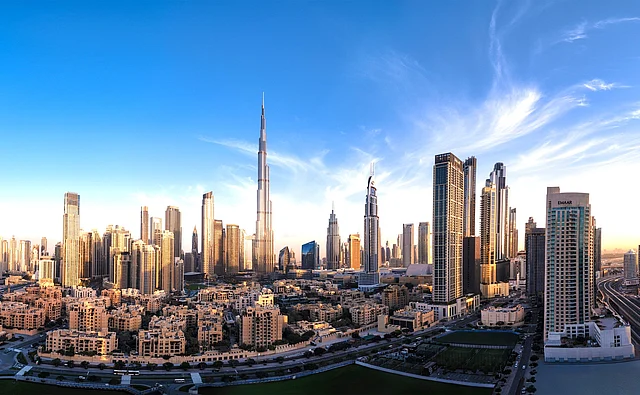
Transaction volumes rose 3.5% month-on-month, while overall deal value climbed 10.7%, pointing to continued strength in higher-value segments, according to data from fäm Properties released on May 4, 2026.
The performance comes at a time of heightened geopolitical tensions and global economic uncertainty, yet Dubai continues to attract strong capital inflows, supported by its reputation as a safe, transparent and well-regulated investment hub.
Primary market dominates activity
The primary market remained the clear driver of activity, with 10,563 transactions worth Dh35.8 billion, compared with 3,414 resale deals valued at Dh12.2 billion, according to DXBinteract. The continued strength of off-plan sales reflects investor appetite for new projects and expectations of future capital appreciation.
“April’s performance reflects the market’s underlying strength, with steady demand across both residential and commercial segments,” said Firas Al Msaddi, noting that the emirate continues to benefit from its global positioning as a stable destination for investors.
Apartments led the market with 11,377 transactions worth Dh24.1 billion, up 6.5% month-on-month, while plot sales surged 34.7% to Dh6.6 billion, indicating strong interest in land development opportunities. Commercial real estate also posted robust gains, with 561 transactions worth Dh4 billion, rising sharply both year-on-year and from March, signalling renewed business activity.
Regional hotspots and luxury deals
Dubai South retained its position as the top-performing area for the second consecutive month, recording 1,171 transactions worth Dh2.7 billion, followed by Jebel Ali First and Al Barsha South Fourth. Dubai Islands emerged as a high-value hotspot, generating Dh2.8 billion in sales, reflecting rising demand for premium waterfront developments.
Luxury transactions continued to capture attention, with the most expensive apartment selling for Dh171 million at Aman Residences in Jumeirah. Other high-end deals included Dh122 million at Baccarat Residences in Downtown Dubai and Dh118 million at Marsa Dubai, while the top villa sale reached Dh76 million at Eden Hills.
The bulk of transactions remained concentrated in the mid-market segment, with properties priced between Dh1 million and Dh2 million accounting for 34.7% of sales. Units below Dh1 million made up 23.3%, highlighting continued demand from first-time buyers and investors targeting rental yields, while properties above Dh5 million accounted for nearly 12%.
Signs of price moderation emerge
Average property prices rose 16.1% year-on-year to Dh1,840 per square foot, although recent indicators suggest the pace of appreciation is beginning to ease after a multi-year rally.
Data from ValuStrat indicates that its residential capital values index declined 3.8% in the first quarter of 2026 to 229.2 points, marking the first quarterly contraction since 2020. Market experts say the dip reflects a natural adjustment following sharp gains over the past three years rather than a downturn, as increased supply and shifting investor preferences begin to temper price growth.
“The moderation in prices is a healthy development and points to a more sustainable growth trajectory. Transaction volumes remain strong, liquidity is robust, and the fundamentals underpinning demand — from population growth to foreign investment — are firmly intact,” a Dubai-based analyst said.
With Dubai’s population having crossed the four million mark and new project launches continuing across emerging districts, the outlook for the sector remains broadly positive. Industry stakeholders expect the market to maintain steady momentum through 2026, supported by strategic initiatives such as the Dubai Economic Agenda D33 and the emirate’s expanding role as a global hub for business and investment.
The April performance follows a strong first quarter, during which the emirate recorded over Dh180 billion in property transactions, reinforcing its position as one of the world’s most resilient real estate markets.
Leave a Reply