The latest figures from Qatar’s Department of Real Estate Registration at the Ministry of Justice show that sales contracts reached QAR398.6 million during the reporting period, with residential units accounting for QAR39.8 million in separate bulletin transactions.
The week-on-week decline suggests a normalization in activity following a stronger mid-April performance, though market fundamentals remain solid as demand continues across both investment-driven and end-user segments.
Doha and Al Rayyan Lead Municipal Activity
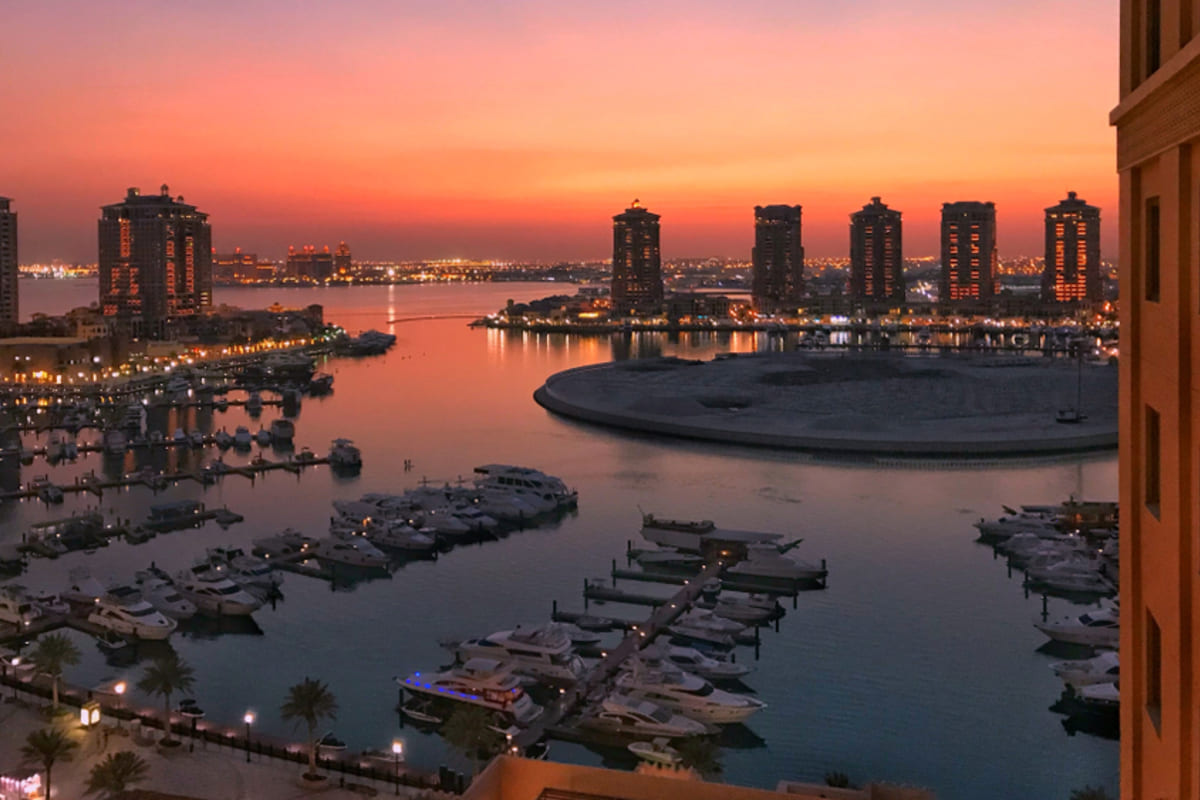
Transactions spanned a diverse mix of asset classes, including vacant land, residential properties, commercial shops, and mixed-use buildings. Sales were concentrated in the municipalities of Doha, Al Rayyan, Al Wakrah, Al Daayen, Umm Salal, Al Khor, Al Thakhira, and Al Shamal, with notable activity in Al Kharaej, Lusail 69, The Pearl, Legtaifiya, Al Wukair, Al Dafna 60, and Al-Gharafa.
The geographic spread reflects balanced investor interest across both established urban centers and emerging residential zones, underscoring Qatar’s continued infrastructure expansion and housing diversification efforts.
Strong Q1 2026 Performance Sets Foundation
The weekly performance comes on the back of a robust first quarter, during which Qatar’s real estate sector recorded QAR9.2 billion ($2.52 billion) in sales transactions, marking a 28.5% year-on-year increase from QAR7.2 billion in Q1 2025, according to the Real Estate Regulatory Authority (Aqarat).
Aqarat confirmed that 2026 delivered the strongest first-quarter performance in recent years, reflecting a recovery in market activity and sustained demand. The authority also noted that Qatar’s rental market remained robust, with rental contracts concluded in 2025 exceeding 2024 levels across all quarters.
The upward trend from 2023 to 2026 demonstrates the resilience of Qatar’s property sector, supported by continued government investment in infrastructure, housing initiatives, and economic diversification strategies aligned with Qatar National Vision 2030.
Market analysts point to strong fundamentals underpinning the sector, including stable employment growth, steady population expansion, and increased foreign investment in real estate following regulatory reforms that expanded property ownership rights for expatriates.
While weekly fluctuations are expected in any mature market, the broader trajectory suggests Qatar’s property sector remains on a steady growth path, with both developers and investors maintaining confidence in long-term fundamentals despite regional economic uncertainties.
Leave a Reply