The surge in completions marked Dubai’s strongest half-year delivery period in several years, reflecting projects launched during the recent market expansion reaching handover stage. New supply increased 12 percent from the second half of 2025, according to data released by Cavendish Maxwell on July 30, 2026.
Despite quarterly declines, residential prices remained 1.9 percent above year-earlier levels, with rents up 7.8 percent annually, signaling a shift toward more sustainable growth after two years of elevated activity.
“Dubai’s residential market is showing clear signs of transitioning to a new cycle following exceptional levels of activity over the last two years. The fundamentals that drive real estate demand in the emirate remain intact, but the near-term outlook is being shaped by a combination of factors – including the impact of fewer launches, regional uncertainty and a broader normalisation in buyer activity – that are likely to influence transaction levels and price performance,” said Ronan Arthur, Director and Head of Residential Valuations at Cavendish Maxwell.
Transaction volumes declined almost 14 percent year-on-year and 27 percent from the record levels recorded during the second half of 2025. Sales values fell almost 16 percent annually and 20 percent from the previous six-month period.
Off-plan homes accounted for nearly 75 percent of transactions, with developer sales representing more than 92 percent of activity in the segment. Initial off-plan sales reached 54,700 transactions, a modest 1.5 percent decline from last year, while off-plan resales fell 51 percent to 4,600.
New launch activity moderated significantly, with 28,000 units released across 124 projects during the first half, compared with 102,000 units across 410 launches a year earlier. The slowdown began during the first quarter after record launch volumes in 2024 and 2025, while regional uncertainty led some developers to delay projects during the second quarter.
“Buyers aren’t stepping away, they’re simply targeting higher value inventory. Flexible payment plans and Golden Visa incentives continue to draw serious international attention. Looking into H2, we anticipate steady, moderate price growth as the market continues to mature,” said Ajay Rajendran, Founder and Chairman of Meraki Developers.
Around 47,000 units are scheduled for completion during the second half of 2026, although Cavendish Maxwell expects actual handovers to range between 14,000 and 23,500 homes based on historical delivery rates. Apartments are likely to account for more than 82 percent of deliveries, with Jumeirah Village Circle, Dubai South, Dubai Science Park, Business Bay, Downtown Dubai and Dubai Healthcare City representing nearly 37 percent of scheduled completions.
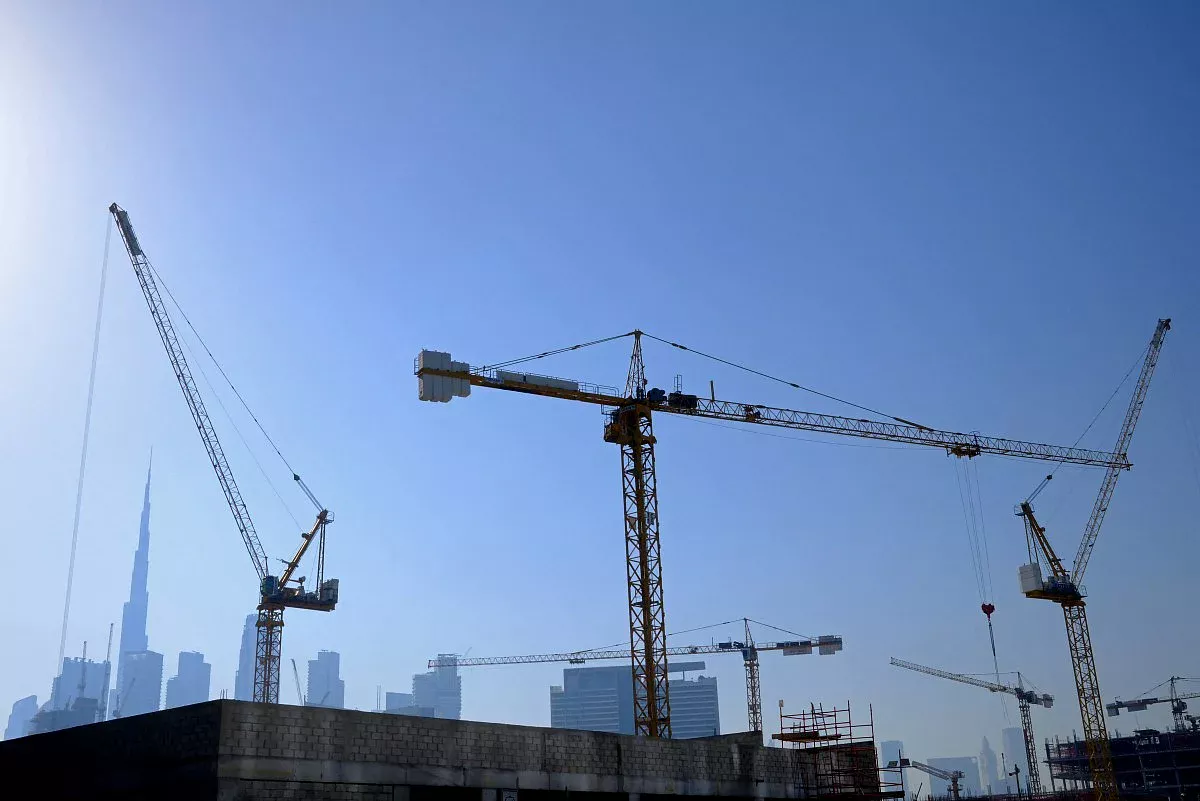
The longer-term pipeline includes 162,500 units scheduled for 2027 and 128,200 homes in 2028, adding to the emirate’s robust construction activity across multiple high-rise developments.
Apartments accounted for around 84 percent of transactions across the off-plan and ready segments. Dubai South led off-plan apartment sales with 7,306 transactions, followed by Dubai Residence Complex with 3,408 and Jumeirah Village Circle with 3,055. Jumeirah Village Circle retained the top position for ready apartment sales with 1,812 transactions, while DAMAC Islands 2 led off-plan villa and townhouse activity with 3,192 deals.
Gross rental yields averaged nearly 7 percent for apartments and 5 percent for villas and townhouses during the first half. Mortgage transactions increased 7.2 percent to 22,500, while sales of homes priced above Dh50 million rose 13 percent to 160 transactions.
The increase in handovers follows a period of sustained rental market strength, with Dubai recording record rental contract volumes in June 2026. The supply boost coincides with quarterly rent declines that have begun easing pressure on tenants after several years of double-digit growth.
Leave a Reply