Tag: Cavendish Maxwell

  • Dubai Adds 24,800 Homes in First Half of 2026

    Dubai Adds 24,800 Homes in First Half of 2026

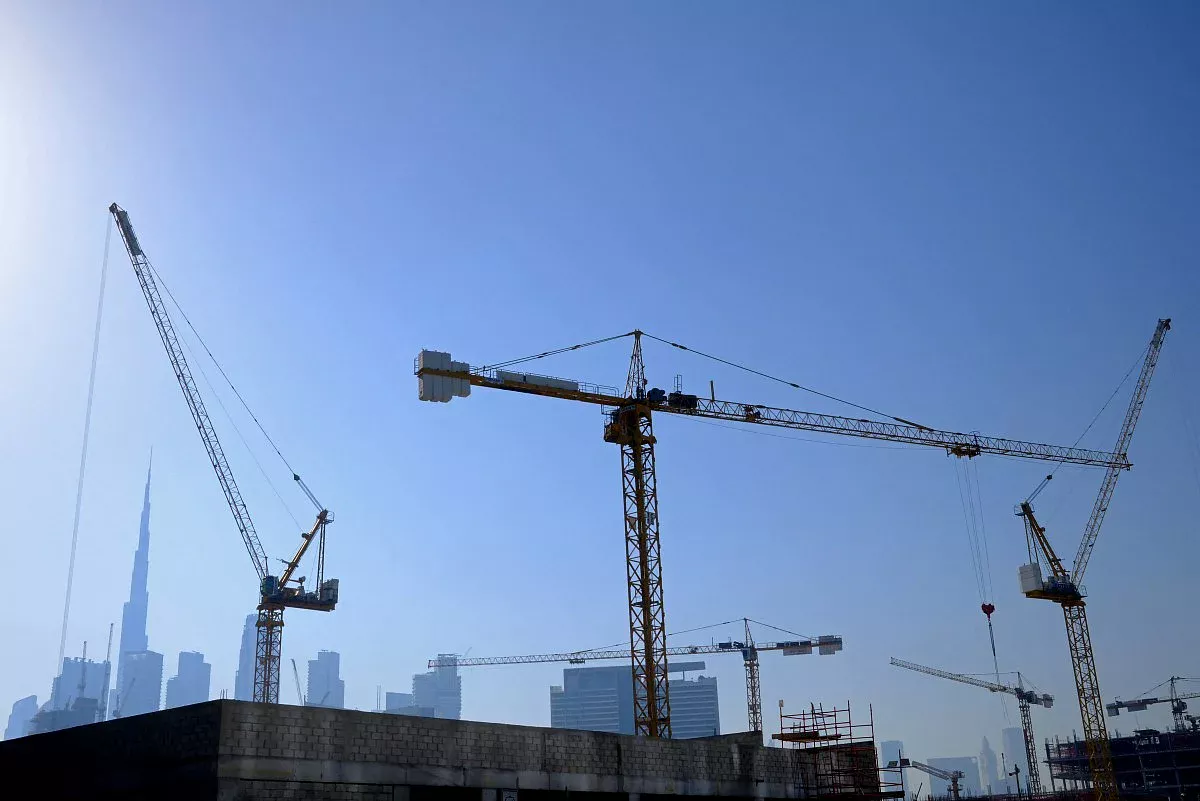
    The surge in completions marked Dubai’s strongest half-year delivery period in several years, reflecting projects launched during the recent market expansion reaching handover stage. New supply increased 12 percent from the second half of 2025, according to data released by Cavendish Maxwell on July 30, 2026.

    Despite quarterly declines, residential prices remained 1.9 percent above year-earlier levels, with rents up 7.8 percent annually, signaling a shift toward more sustainable growth after two years of elevated activity.

    “Dubai’s residential market is showing clear signs of transitioning to a new cycle following exceptional levels of activity over the last two years. The fundamentals that drive real estate demand in the emirate remain intact, but the near-term outlook is being shaped by a combination of factors – including the impact of fewer launches, regional uncertainty and a broader normalisation in buyer activity – that are likely to influence transaction levels and price performance,” said Ronan Arthur, Director and Head of Residential Valuations at Cavendish Maxwell.

    Transaction volumes declined almost 14 percent year-on-year and 27 percent from the record levels recorded during the second half of 2025. Sales values fell almost 16 percent annually and 20 percent from the previous six-month period.

    Off-plan homes accounted for nearly 75 percent of transactions, with developer sales representing more than 92 percent of activity in the segment. Initial off-plan sales reached 54,700 transactions, a modest 1.5 percent decline from last year, while off-plan resales fell 51 percent to 4,600.

    New launch activity moderated significantly, with 28,000 units released across 124 projects during the first half, compared with 102,000 units across 410 launches a year earlier. The slowdown began during the first quarter after record launch volumes in 2024 and 2025, while regional uncertainty led some developers to delay projects during the second quarter.

    “Buyers aren’t stepping away, they’re simply targeting higher value inventory. Flexible payment plans and Golden Visa incentives continue to draw serious international attention. Looking into H2, we anticipate steady, moderate price growth as the market continues to mature,” said Ajay Rajendran, Founder and Chairman of Meraki Developers.

    Around 47,000 units are scheduled for completion during the second half of 2026, although Cavendish Maxwell expects actual handovers to range between 14,000 and 23,500 homes based on historical delivery rates. Apartments are likely to account for more than 82 percent of deliveries, with Jumeirah Village Circle, Dubai South, Dubai Science Park, Business Bay, Downtown Dubai and Dubai Healthcare City representing nearly 37 percent of scheduled completions.

    The longer-term pipeline includes 162,500 units scheduled for 2027 and 128,200 homes in 2028, adding to the emirate’s robust construction activity across multiple high-rise developments.

    Apartments accounted for around 84 percent of transactions across the off-plan and ready segments. Dubai South led off-plan apartment sales with 7,306 transactions, followed by Dubai Residence Complex with 3,408 and Jumeirah Village Circle with 3,055. Jumeirah Village Circle retained the top position for ready apartment sales with 1,812 transactions, while DAMAC Islands 2 led off-plan villa and townhouse activity with 3,192 deals.

    Gross rental yields averaged nearly 7 percent for apartments and 5 percent for villas and townhouses during the first half. Mortgage transactions increased 7.2 percent to 22,500, while sales of homes priced above Dh50 million rose 13 percent to 160 transactions.

    The increase in handovers follows a period of sustained rental market strength, with Dubai recording record rental contract volumes in June 2026. The supply boost coincides with quarterly rent declines that have begun easing pressure on tenants after several years of double-digit growth.
  • Dammam Leads Saudi Real Estate with 71% Sales Surge

    Dammam Leads Saudi Real Estate with 71% Sales Surge

    Dammam has emerged as the standout performer in Saudi Arabia’s residential real estate sector during the first quarter of 2026, with quarterly sales values surging 71 percent to SAR3.6 billion ($957 million), according to new data from Cavendish Maxwell.

    Around 2,900 homes changed hands in Dammam from January to March this year, marking a 41 percent increase on the previous quarter, when sales values stood at SAR2.1 billion. Compared to the same period in 2025, sales volumes in the Eastern Province city rose 25 percent, with transaction values up 48 percent.

    March 2026 delivered the strongest monthly performance, with 1,265 transactions recorded despite ongoing regional tensions—a sign of the housing sector’s resilience in Dammam.

    “While the potential implications of the regional geopolitical situation remain closely monitored by market participants, it is still too early to draw definitive conclusions,” said Kevin Duffield, Director of Built Asset Consulting at Cavendish Maxwell. “Saudi Arabia’s residential market remains supported by strong domestic demand, with a predominantly local buyer base providing a degree of resilience against short-term external shocks.”

    Riyadh and Jeddah show mixed performance

    Riyadh posted a quarterly rise in transaction volumes and values, with 8,800 sales worth SAR13.4 billion in Q1 2026—an increase of nearly 12 percent in volume and more than 4 percent in value against the final quarter of 2025.

    However, the capital’s year-on-year figures tell a different story. Sales volumes dropped 64 percent compared to Q1 2025, with values down 72 percent, reflecting a normalization following elevated activity in late 2024 and early 2025. Higher financing costs, affordability constraints, Ramadan, Eid, and regional uncertainty also weighed on Riyadh’s Q1 performance.

    Jeddah saw activity moderate further, with sales declining 25 percent compared to Q4 2025 and around 30 percent year-on-year. Investors spent SAR7.2 billion across 5,800 transactions in the first three months of the year.

    Prices and rents stabilizing across major cities

    While real estate sales prices and rental rates across Riyadh, Jeddah, and Dammam increased year-on-year, the pace of growth is beginning to moderate, with little or no change compared to the fourth quarter of 2025.

    In Riyadh, apartment sales prices averaged SAR6,200 per square meter in Q1, up 3.7 percent year-on-year, while villas climbed nearly 7 percent to SAR5,700 per square meter. Prices for both property types remained broadly flat quarter-on-quarter.

    In Jeddah, the cost of apartments rose nearly 2 percent year-on-year and 1.3 percent quarter-on-quarter to SAR4,400 per square meter, with villa prices reaching SAR5,200 per square meter. In Dammam, apartment prices increased 4 percent annually, with villas up more than 2 percent, though both remained stable compared to Q4 2025.

    Rental rates also rose compared to a year ago but moderated in Q1 relative to the previous quarter. In Riyadh, apartment rents increased nearly 6 percent and villas more than 5 percent year-on-year, but declined 2.8 percent and 1.2 percent respectively quarter-on-quarter—partly due to the rent freeze introduced in September and new residential supply entering the market.

    In Jeddah, apartment rents were up 2.7 percent and villas nearly 1 percent compared to Q1 2025, with a softening against the previous quarter. In Dammam, rents rose 3.2 percent year-on-year for apartments and 2.1 percent for villas.

    Major supply pipeline ahead for Riyadh

    Riyadh delivered almost 3,000 new residential units in Q1 this year, bringing the capital’s residential stock to around 1.94 million. Another 31,000 units are due to come to market by the end of the year, with an additional 61,500 by the end of 2028, by which time Riyadh’s total residential inventory will reach 2.03 million.

    Jeddah now has around 1.1 million units following the delivery of 1,500 new homes in Q1. With 17,500 more in the pipeline this year and nearly 46,000 over the next two years, Jeddah’s residential stock is set to exceed 1.16 million by 2028.

    In Dammam, 4,800 new homes are expected to be delivered in 2026, bringing the city’s inventory to 435,000. Handovers will accelerate in 2027, when 10,600 units are scheduled for completion, with another 3,500 slated for 2028.

    “Development pipelines are evolving across each city, with Riyadh seeing the most new supply in the medium term, and growth in Jeddah and Dammam more modest and measured,” said Duffield. “Collectively, this expanding pipeline is expected to play an increasing role in shaping market dynamics and gradually improving the balance between supply and demand.”

    Foreign ownership framework brings new opportunities

    Saudi Arabia’s new foreign ownership law, introduced in January 2026, now allows non-Saudi individuals and companies to invest in the country’s real estate market.

    “Recently approved geographical zones in which the new rules apply bring greater clarity on where investors can buy,” Duffield noted. “The long-term impact on sales numbers and pricing will depend on the level of non-Saudi demand, the types of projects located within the designated areas, and how quickly the supporting regulatory framework is implemented over the next few years.”

    In Riyadh, designated locations for foreign ownership include new urban developments such as Qiddiya, New Murabba, and King Abdullah Financial District, while Jeddah has more than 55 zones open to non-Saudi investors. Several other giga-projects and Special Economic Zones, including NEOM, The Red Sea Project, Amaala, AlUla, and King Abdullah Economic City, also fall within the approved framework.

    “Overall, while short-term market activity is expected to remain influenced by affordability constraints, financing conditions, and external uncertainty, the medium-term outlook for Saudi Arabia’s residential sector remains supported by population growth, sustained government investment, and ongoing economic diversification,” Duffield added.

  • Dammam Outpaces Riyadh with 71% Home Sales Surge in Q1 2026

    Dammam Outpaces Riyadh with 71% Home Sales Surge in Q1 2026

    Around 2,900 homes were sold in Dammam between January and March 2026, representing a 41% increase from the final quarter of 2025, when transactions were valued at SAR2.1 billion, according to Cavendish Maxwell. Sales volumes were 25% higher than a year earlier, while the total value of transactions increased 48%.

    March was the busiest month of the quarter, with 1,265 residential sales completed despite regional tensions.

    The rise in Dammam contrasted with more measured activity in Riyadh and Jeddah, where affordability pressures, financing costs and a period that included Ramadan and Eid affected transactions.

    Riyadh Rents Decline as Supply Increases

    Tenants in Riyadh saw some relief during the first three months of the year, with apartment rents falling 2.8% compared with the previous quarter and villa rents declining 1.2%.

    The reductions were partly linked to the rent freeze introduced in September and the delivery of new residential supply in the capital. Rental costs remained higher than a year earlier, with apartment rents up nearly 6% and villa rents rising more than 5%, although quarterly declines indicated that the pace of growth had begun to ease.

    Riyadh recorded 8,800 home sales worth SAR13.4 billion during the quarter. Transaction volumes increased nearly 12% from the final three months of 2025, while sales values rose more than 4%. Activity remained considerably below the elevated levels recorded a year earlier, with sales volumes down 64% and values falling 72% compared with the first quarter of 2025.

    Home Prices Show Limited Movement

    Residential sales prices continued to rise annually across Riyadh, Jeddah and Dammam, although there was little movement from the previous quarter in most areas.

    Apartment prices in Riyadh averaged SAR6,200 per square metre, up 3.7% from a year earlier. Villa prices rose nearly 7% to SAR5,700 per square metre, with both categories broadly unchanged from the fourth quarter.

    Jeddah apartment prices increased nearly 2% annually and 1.3% during the quarter to SAR4,400 per square metre. Villa prices reached SAR5,200 per square metre, representing annual growth of 3.3% and a quarterly increase of 1%.

    Dammam apartment prices rose 4% from a year earlier, while villa rents increased 3.2% annually.

    Jeddah Transactions Decline 25%

    Residential sales in Jeddah fell 25% from the previous quarter and around 30% from a year earlier. Investors and buyers completed 5,800 transactions worth SAR7.2 billion during the first three months of 2026.

    While the potential implications of the regional geopolitical situation remain closely monitored by market participants, it is still too early to draw definitive conclusions. Saudi Arabia’s residential market remains supported by strong domestic demand, with a predominantly local buyer base providing a degree of resilience against short-term external shocks.

    Kevin Duffield, Director of Built Asset Consulting at Cavendish Maxwell, said in a statement released on July 13, 2026.

    New Supply Enters Market

    Riyadh added almost 3,000 homes during the first quarter, taking its residential inventory to around 1.94 million units. Another 31,000 units are due before the end of 2026, followed by 61,500 units through the end of 2028.

    Jeddah delivered 1,500 homes during the quarter, lifting its inventory to around 1.1 million units. A further 17,500 homes are scheduled for this year, with nearly 46,000 more expected over the following two years.

    Dammam is expected to receive 4,800 new homes during 2026, taking its inventory to 435,000 units. Deliveries are scheduled to rise to 10,600 homes in 2027, followed by another 3,500 in 2028.

    Duffield noted that development pipelines are evolving across each city, with Riyadh seeing the most new supply in the medium term, and growth in Jeddah and Dammam more modest and measured.

    Foreign Buyers Gain Access

    Saudi Arabia’s foreign property ownership law, introduced in January 2026, allows non-Saudi individuals and companies to invest in real estate within approved areas.

    Designated locations in Riyadh include Qiddiya, New Murabba and King Abdullah Financial District, while more than 55 zones in Jeddah have been opened to foreign ownership. NEOM, The Red Sea Project, Amaala, AlUla and King Abdullah Economic City are also covered by the framework.

    Separate rules apply in Makkah and Madinah, where ownership in designated zones is restricted to Muslim buyers.

    Dammam’s strong performance in Q1 2026 reflects the city’s growing appeal as affordability and supply dynamics shift across Saudi Arabia’s main urban markets. With regional real estate markets expanding rapidly, investor attention is increasingly diversifying beyond traditional capitals.

  • Sharjah Rents Surge Amid Dubai Spillover and Housing Demand

    Sharjah Rents Surge Amid Dubai Spillover and Housing Demand

    Sharjah’s residential rental market is experiencing one of its strongest growth phases in recent years, fueled by population growth, an influx of Dubai residents seeking lower housing costs, and a robust infrastructure and development pipeline reshaping the emirate’s residential landscape.

    Overall rental activity, including both residential and commercial leases, exceeded 368,500 contracts in 2025, representing annual growth of 4.4%, the Cavendish Maxwell report shows.

    Families accounted for 86% of all residential rental contracts, underlining Sharjah’s position as the preferred destination for long-term family living. Single tenants represented 10% of contracts, while staff and worker accommodation accounted for the remaining 4%.

    “Foreign ownership reforms, infrastructure investments and Sharjah’s comparatively lower living costs are driving unprecedented demand for real estate across the emirate,” said Ali Siddiqui, research manager at Cavendish Maxwell.

    Affordability Driving Migration from Dubai

    Residential rents in Sharjah are typically 20% to 30% lower than comparable properties in Dubai, encouraging a growing number of professionals and families to relocate while continuing to work in Dubai, the report estimates.

    Industry executives say this migration trend has intensified over the past two years as rental costs in Dubai have climbed sharply amid strong population growth and record residential demand.

    The resulting pressure on Sharjah’s housing stock has pushed rents significantly higher in several popular districts. Market data shows that some residential neighbourhoods have recorded annual rental increases ranging from 33% to 56%, particularly in high-demand areas such as Muwaileh, Aljada and emerging mixed-use communities offering modern amenities and improved transport connectivity.

    Tenant Protection Framework

    To protect residents from excessive rent hikes, Sharjah maintains one of the UAE’s most tenant-friendly rental frameworks. Under the emirate’s regulations, rents are frozen for the first three years from the commencement of a tenancy agreement. Landlords are prohibited from increasing rents or refusing lease renewals during this period unless tenants violate contractual obligations.

    Following the initial three-year period, landlords may raise rents only once every two years and any increase must reflect fair market value. The regulations also prohibit renewal fees and require tenancy contracts to be registered with the municipality, creating greater transparency and protection for both landlords and tenants.

    Real estate consultants say these rules have helped Sharjah maintain market stability even as rental values continue to rise.

    Supply Pipeline and Infrastructure

    Around 2,600 residential units were delivered in 2025, with apartments accounting for more than 80% of new supply. Another 1,100 apartments entered the market during the first quarter of 2026.

    Approximately 33,700 additional homes are scheduled for delivery by 2030, including 24,800 apartments and 9,900 villas and townhouses. Major developments by leading developers including Arada, Alef Group, Beeah Group and Eagle Hills are expected to expand housing choices and moderate rental pressures over the medium term.

    Infrastructure investment will further strengthen residential demand. Projects such as the Etihad Rail network, major road upgrades and the expansion of Sharjah International Airport are improving connectivity and reducing commuting times, making Sharjah increasingly attractive for residents employed across the UAE.

    Sharjah’s population is projected to rise from about 1.98 million today to more than 2.1 million by 2030, while expatriates account for over 85% of residents.

    Sharjah’s rental market closely mirrors broader regional trends, with property sales reaching a record Dh65.6 billion in 2025 as the emirate capitalizes on affordability advantages over Dubai. Meanwhile, Abu Dhabi has frozen all rent increases to stabilize its housing market amid rising costs.

    With strong demand fundamentals, a growing population, tenant-friendly regulations and thousands of new homes in the development pipeline, analysts expect Sharjah’s rental market to remain resilient. While fresh supply could ease some pressure on rents over time, the emirate’s affordability advantage and family-oriented appeal are likely to keep demand elevated for the foreseeable future.

  • RAK Property Market Records Dh12.4 Billion in 2025 Sales

    RAK Property Market Records Dh12.4 Billion in 2025 Sales

    The emirate’s property sector maintained steady price growth despite a year-on-year decline in total sales volume, driven primarily by fewer new project launches compared to 2024. Off-plan sales fell 17.2%, while ready property transactions dropped 18.7%, according to the property consultant’s annual analysis.

    Rental rates demonstrated consistent upward momentum throughout 2025, with annual apartment leases increasing 10.2% and villa rents rising 8.7% against a backdrop of continued business formation and investment activity across the emirate.

    At year-end, the average cost of an off-plan unit stood at Dh1.98 million, while ready homes averaged Dh1.16 million, reflecting a significant premium for under-construction properties as buyers positioned themselves ahead of future delivery.

    Yousir Habib, associate director at Cavendish Maxwell, noted that despite the moderation in transaction volumes, the emirate’s “underlying fundamentals stayed strong, with prices rising for both sales and rentals, reflecting continued investor and end-user interest in the emirate’s expanding portfolio of waterfront developments, branded residences, lifestyle offerings and competitive pricing.”

    Supply Pipeline Accelerates Through 2028

    The emirate delivered 1,200 new homes in 2025, with another 1,300 units scheduled to enter the market in 2026. Supply is projected to accelerate significantly in the coming years, with 1,900 properties planned for 2027, followed by a sharp increase to 5,200 new units in 2028. In total, 8,400 residential units are scheduled for delivery over the next three years.

    Habib attributed the robust development pipeline to continued enhancements in the emirate’s infrastructure, connectivity, and amenities, which are attracting and retaining residents. “The Wynn Al Marjan Island, scheduled to open in spring 2027, is expected to be key to demand by boosting tourism, creating new jobs and generating additional demand for housing,” he said.

    Construction on the Dh18.7 billion integrated gaming resort resumed after a brief pause during the start of the US-Israel-Iran conflict in early March. The US-based operator confirmed the project remains on schedule to open early next year after topping out in the fourth quarter of 2025.

    Strong Economic Fundamentals Support Market

    Despite the decline in transaction volumes, macroeconomic conditions across Ras Al Khaimah remained strong throughout 2025, with robust GDP performance and continued growth in free zone license issuance supporting the residential sector’s pricing power.

    The emirate’s property market performance reflects a maturing sector where pricing stability and rental growth take precedence over transaction volume as developers focus on quality projects aligned with long-term demand rather than speculative launches.

    With the substantial supply pipeline scheduled through 2028 and the upcoming opening of Wynn Al Marjan Island, Ras Al Khaimah’s residential market is positioned for continued evolution as the emirate strengthens its position as an attractive destination for investors and end-users seeking value relative to neighboring markets.

  • Abu Dhabi Property Market Records $1.16 Billion Weekly Sales

    Abu Dhabi Property Market Records $1.16 Billion Weekly Sales

    The emirate’s real estate sector maintained strong performance in early March, with a villa in Hidd Al Saadiyat selling for Dh88 million, marking the highest ready property transaction of the week, according to Abu Dhabi Real Estate Centre (Adrec) data released March 10, 2026.

    A duplex at Four Seasons Private Residences on Saadiyat Island fetched Dh68 million, representing the week’s top off-plan sale. Al Reem Island alone recorded 115 transactions valued at Dh189 million, underscoring sustained demand across multiple segments.

    The weekly figures reinforce Abu Dhabi’s growth trajectory following exceptional 2025 performance. Total transaction volumes reached approximately 22,400 deals last year, up 55% year-on-year, while aggregate sales value climbed to Dh73.2 billion.

    “Overall, Abu Dhabi’s residential market enters 2026 from a position of strength, supported by disciplined supply, strong investor confidence, robust demand drivers, and a supportive macroeconomic backdrop,” according to Cavendish Maxwell.

    Apartments dominated 2025 activity, accounting for 66.1% of transactions, while villas and townhouses recorded strong growth driven by families and high-net-worth individuals seeking larger living spaces.

    Residential stock expanded with approximately 7,400 units completed in 2025, bringing total supply to around 315,000 units. While 15,900 units are projected for 2026 completion, actual deliveries are likely to range between 6,500-9,000 units based on recent handover trends.

    Pricing momentum remained robust across both sales and rental markets. Apartment sales prices increased 15.1% year-on-year, while villa prices rose 12.2%. Rental growth showed apartment rates up 12.5% and villa rents climbing 5.5%, with elevated rental levels reinforcing sales demand as tenants increasingly view homeownership as a cost-effective long-term option.

    The market’s resilience mirrors trends across the UAE, where Dubai recorded sustained momentum despite geopolitical headwinds. Abu Dhabi’s strong fundamentals entering 2026 position the emirate for continued growth, with sales prices and rental rates expected to record further increases in the near term, though growth pace will vary across communities as new supply enters the market.

    The market is expected to remain resilient throughout 2026, supported by measured supply delivery that prevents near-term imbalances while maintaining pricing strength across prime communities.

  • Dubai Office Market Values Surge to Dh13.1 Billion in 2025

    Dubai Office Market Values Surge to Dh13.1 Billion in 2025

    Dubai’s office sales value surged by 102% compared to 2024, reaching Dh13.1 billion in 2025, marking the strongest performance in more than a decade, according to a report published Monday by Cavendish Maxwell. Transaction volumes increased by more than 53% to reach 4,600 deals last year.

    The top five areas by transactional volume were Business Bay with 1,230 transactions, Jumeirah Lakes Towers with 1,067, Barsha Heights with 267, Dubai Silicon Oasis with 147, and Dubai Investments Park with 92 transactions.

    Dubai’s business ecosystem expanded significantly in 2025, with the Dubai Chamber of Commerce registering 71,830 new member companies, pushing total active membership to 292,486—a 13.2% increase year-on-year.

    Off-Plan Segment Drives Market Momentum

    Off-plan activity jumped dramatically in 2025, with almost 700% growth in sales compared to 2024, fuelled by tight supply of ready premises and attractive prices and payment plans that enabled investors to enter the market. The off-plan segment accounted for 35% of all sales in 2025, with 1,400 transactions.

    Total off-plan sales values grew almost six-fold to Dh4.6 billion in 2025 compared to Dh700 million the year before.

    “With high quality office stock still severely constrained, buyers will be looking for viable entry points to the market through new off-plan premises,” said Vidhi Shah, head of commercial valuation at Cavendish Maxwell.

    Price Appreciation Driven by Demand

    Strong interest from both occupiers and investors drove Dubai’s office sales prices up 25.9% in 2025, reaching Dh1,951 per square foot. Rising rents and reduced landlord incentives prompted some tenants to buy rather than lease, while investors participated aggressively in the market.

    Office rental rates increased by 22.9% year-on-year across the city, as occupancy levels tightened and landlord incentives reduced. The heightened demand, coupled with limited inventory in prime locations, intensified competition and fuelled price appreciation.

    The property consultant expects similar patterns in 2026 as off-plan sales continue to see high demand, positioning Dubai’s commercial real estate sector for sustained growth amid the emirate’s expanding economic landscape. The market’s performance reflects broader property market strength as business activity accelerates across the emirate.

  • Dubai Residential Prices Rise 12.1% as Market Records 200,000 Transactions

    Dubai’s property sector concluded 2025 with landmark performance metrics, recording over 200,000 sales transactions—an 18.8% increase over 2024—as both off-plan and ready property segments outperformed previous years, according to a report by Cavendish Maxwell.

    Residential prices rose 12.1% during the year, down from 16.5% growth in 2024, while rental increases moderated to 11-12% by year-end compared to 13-15% earlier in the year, signaling a gradual market stabilization.

    Off-Plan Dominance Intensifies Market Concentration

    Off-plan transactions represented 72.9% of total real estate activity in Dubai, up from 69.3% in 2024, with transaction volumes reaching 146,400 units—a 25% year-on-year increase. This surge was driven by sustained developer confidence and robust investor appetite for future developments.

    Ready property sales recorded more modest but steady growth, reaching 54,400 transactions, up 5% compared to 2024, supported by stable demand from end-users and investors seeking immediate occupancy opportunities.

    The market’s increasing reliance on off-plan sales, however, creates concentration risks, making it potentially vulnerable to shifts in launch momentum and buyer sentiment.

    Supply Dynamics Show Persistent Delivery Gaps

    Approximately 40,400 residential units were completed in 2025, significantly below the initial projection of 82,600 units, resulting in a materialization rate of just 48.9%. Despite falling short of targets, actual completions were 16.4% higher than the 34,700 units delivered in 2024.

    Looking ahead, around 110,500 residential units are projected for delivery in 2026, though historical completion patterns suggest actual deliveries may range between 33,000 and 50,000 units, with some projects likely spilling into 2027.

    Apartments are expected to dominate upcoming completions, representing 84.3% of projected units through 2028. Key locations including Jumeirah Village Circle, Dubai South, Business Bay, Dubai Residence Complex and DAMAC Lagoons are forecast to contribute 30.7% of all projected deliveries during this period.

    Luxury Segment Surges 47% in Transaction Volumes

    Dubai’s luxury real estate segment recorded approximately 2,500 transactions in 2025, marking a 47.1% increase compared to the previous year. Off-plan sales led growth with a 52.6% year-on-year increase, accounting for 70.5% of all luxury transactions.

    The ultra-luxury segment exhibited robust performance with 302 transactions totaling Dh27.9 billion, representing increases of 31.9% in volume and 53.7% in value compared to 2024, highlighting growing preference among high-net-worth individuals for Dubai as both a residential and investment destination.

    Economic Fundamentals Remain Supportive

    Despite emerging supply pressures, broader macroeconomic fundamentals continue supporting the market. UAE GDP growth is projected at 5.2% in 2026, with Dubai expected to expand by 4.5%, supported by ongoing infrastructure investment, population growth, and sustained tourism momentum.

    Tourism is projected to maintain momentum with visitor volumes expected to surpass prior-year levels, while business activity indicators remain positive, providing continued support across housing, retail and commercial sectors.

    Market Enters Transition Phase

    Looking ahead, Dubai’s real estate market is expected to remain relatively stable in 2026, though entering a critical transition phase where supply pressures, moderating growth trajectories and potential external headwinds require heightened vigilance.

    While a sharp correction appears unlikely given Dubai’s solid macroeconomic foundation, diversified economy and sustained population growth, stakeholders should prepare for a more balanced environment characterized by moderate appreciation and heightened selectivity.

    The market’s performance contrasts with record results posted by developers in 2025, suggesting continued confidence in long-term fundamentals despite near-term moderation signals.