Tag: Dubai apartments

  • Dubai Property Market Holds Steady as Buyers Prioritize Value

    Dubai Property Market Holds Steady as Buyers Prioritize Value

    Despite ongoing regional uncertainty and cautious buyer sentiment, Dubai’s real estate market continues to demonstrate resilience, with little evidence of the distressed deals many had anticipated. Recent data from leading property platforms indicates that while buyer behaviour has become more measured, underlying demand remains robust, with millions of property searches and sustained engagement from serious buyers actively progressing toward transactions.

    Industry experts say the shift reflects a more mature and balanced market rather than the onset of a downturn.

    We’re seeing a clear evolution in how buyers approach decisions. There’s more analysis, more comparison, and more negotiation — but not the kind driven by distress. Buyers want fair value, not fire sales.

    Luke Remington, Managing Director at haus & haus, explained the current market dynamics.

    Across Dubai’s most sought-after villa communities — including Dubai Hills Estate, Palm Jumeirah, and Arabian Ranches — demand continues to outpace supply. These areas, favored by end-users and long-term investors, are experiencing minimal pricing pressure, with sellers holding firm due to strong financial positions.

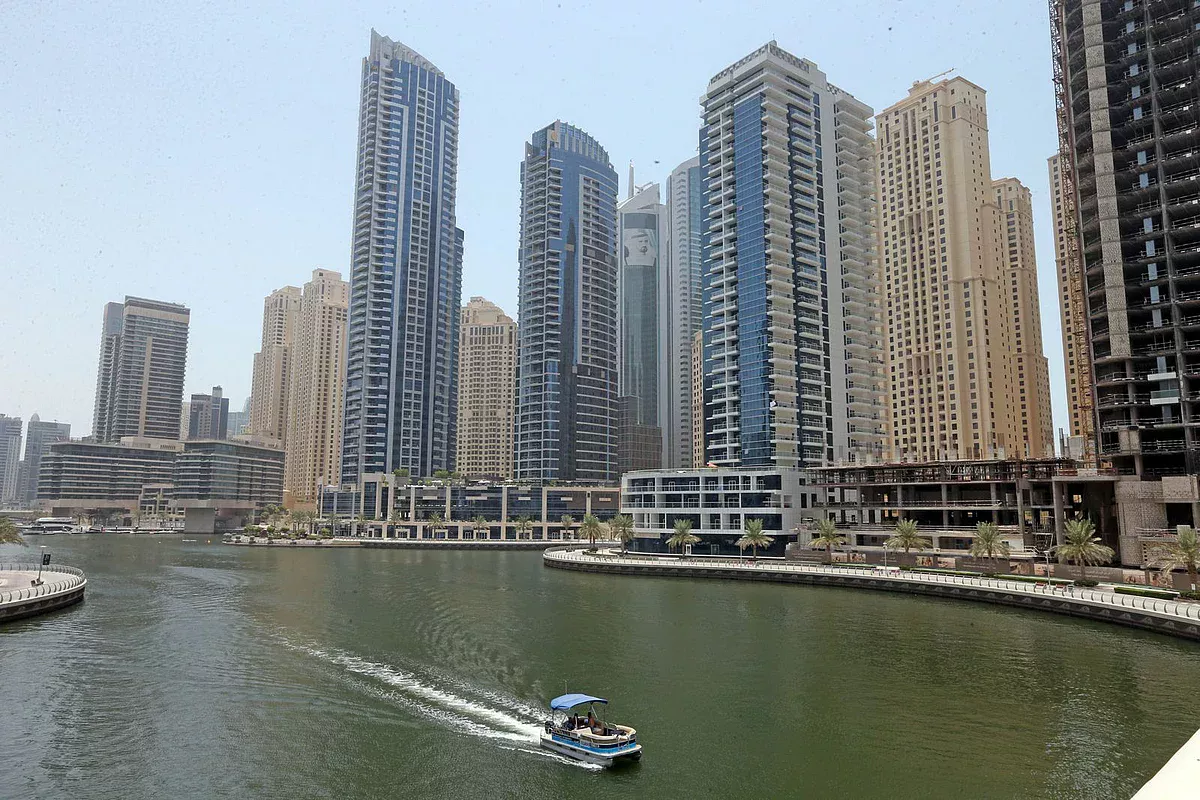
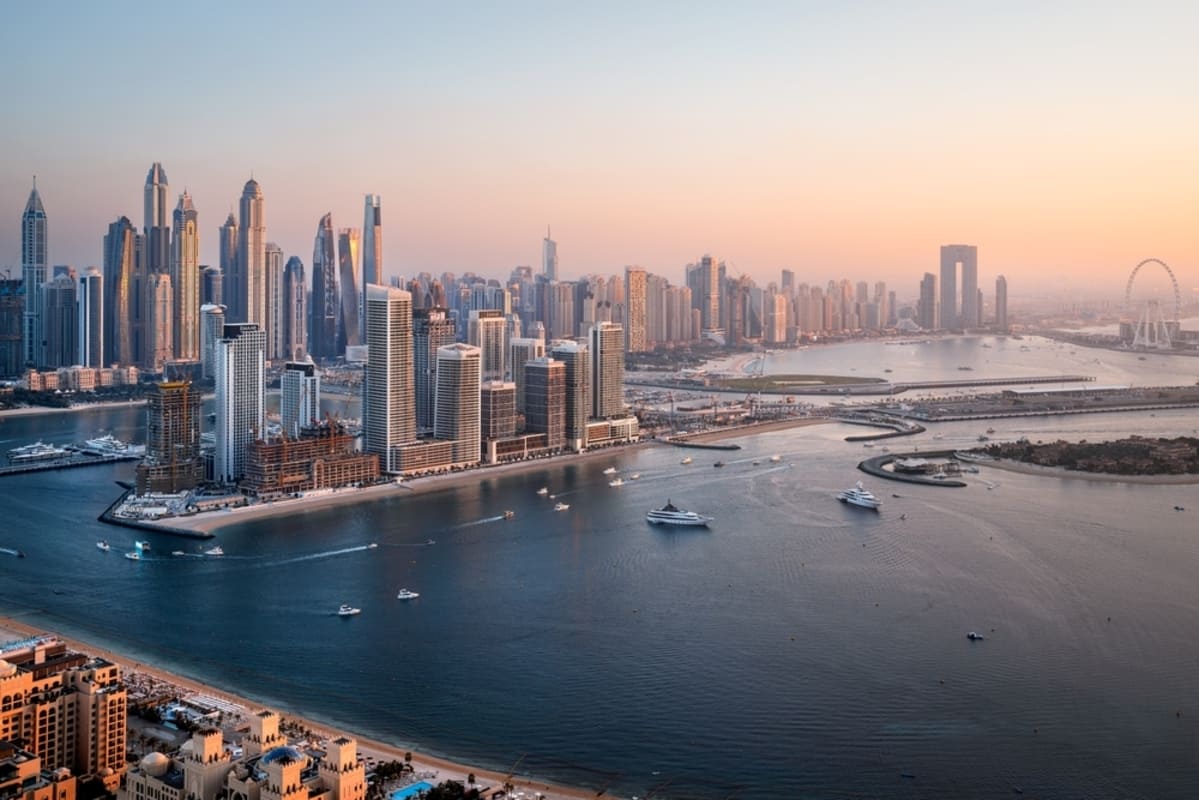
    On the apartment side, prime locations such as Dubai Marina, Downtown Dubai, and Business Bay remain highly active, particularly for one- and two-bedroom units. While some flexibility has emerged in mid-market segments with increasing inventory, price reductions remain moderate and selective.

    Negotiation has returned, but that’s a sign of a healthy market. Buyers are making offers below asking, but transactions are still closing within 5% to 15% of peak values. That’s typical of a functioning, stable environment — not a distressed one.

    Calum White, CEO and Founder of White & Co., emphasized the market’s stability.

    A key factor underpinning the market’s stability is seller behavior. Unlike previous downturns, there is limited urgency among property owners to liquidate assets. Most sellers are well-capitalized and willing to wait for the right offer, contributing to price support across key segments.

    Many expected uncertainty to trigger a wave of discounted inventory, but that hasn’t materialised. Instead, we’re seeing a more disciplined market where both buyers and sellers are adjusting expectations without panic.

    Fibha Ahmed, Vice President of Property Sales at Bayut, noted the absence of distressed inventory.

    This recalibration is also evident in transaction dynamics. Agents report longer decision cycles, increased property viewings, and more structured negotiations. Buyers are prioritizing quality, location, and developer credibility — particularly in the off-plan segment — over short-term pricing advantages.

    The conversation has shifted from timing the market to understanding value within it. That’s a much healthier foundation for long-term growth.

    Remington added regarding the evolving buyer mindset.

    The market’s resilience aligns with broader trends documented earlier this year. Dubai’s property market recorded over Dh180 billion in Q1 2026, with ultra-luxury deals surging 62.6% year-on-year. Meanwhile, commercial property prices jumped 28% between February and March 2026 despite regional tensions.

    While some buyers continue to wait for a potential dip, current indicators suggest that Dubai’s market is stabilizing rather than softening. Pricing remains supported by consistent demand, limited distress, and a steady inflow of both local and international investors.

    As the market enters this more balanced phase, industry leaders agree that opportunities still exist — but they are driven by informed decision-making rather than market-wide discounts. In this environment, Dubai’s property sector is not retreating — it is refining, offering a clearer alignment between price, value, and buyer expectations.

  • Dubai Records Dh422 Million Apartment Sale Amid Regional Tensions

    Dubai Records Dh422 Million Apartment Sale Amid Regional Tensions

    A luxury apartment spanning 31,201 square feet at Aman Residences Dubai on the Jumeirah Peninsula has been sold for Dh422 million ($115 million), marking one of the most significant property transactions in the emirate’s history amid heightened regional uncertainty.

    The deal, confirmed by fäm Properties, was completed off-plan and valued at Dh13,525 per square foot according to DXBinteract, the data platform developed in partnership with Dubai Land Department.

    Firas Al Msaddi, CEO of fäm Properties, said the transaction reflects fundamental structural strength in Dubai’s real estate sector.

    “The sale of an ultra-luxury unit at this level is particularly relevant in the current circumstances. It underlines the fact that the Dubai real estate market is structurally stronger than it has ever been. Over 70 per cent of transactions are now end-user driven, not speculative. The buyer base is globally diversified,” Al Msaddi stated.

    He emphasized that mortgage activity has doubled in four years and the regulatory environment has matured, with market fundamentals remaining unchanged despite regional events.

    The transaction comes as Dubai’s ultra-prime segment continues to demonstrate resilience. The sale represents the third most expensive apartment ever recorded in the emirate.

    Market analysts point to shifting buyer dynamics supporting the sector’s evolution. End-users transitioning from rental to ownership, continued international capital participation, and expansion of freehold corridors across strategic districts have broadened the participation base.

    Al Msaddi noted that UAE authorities’ commitment to safety and security sends a powerful message to investors globally. “It’s a sale which says so much about the UAE as a whole, and in this case, in particular, about Dubai as one of the world’s leading destinations for wealthy real estate investors,” he added.

    The market’s momentum is supported by disciplined supply pipelines and phased project launches that continue to reinforce pricing stability across key communities. More than 70 per cent of current transactions are driven by end-users rather than speculation, with a globally diversified buyer base providing additional market stability.

    This transaction reinforces Dubai’s position as a safe-haven real estate market, demonstrating that high-value property activity continues despite external pressures, with investors maintaining confidence in the emirate’s long-term prospects and governance framework.

  • Dubai Real Estate Sales Surge 18% to $16.5 Billion in February 2026

    Dubai Real Estate Sales Surge 18% to $16.5 Billion in February 2026

    Dubai’s real estate sector maintained exceptional momentum through February 2026, with transaction values climbing 18.14% year-on-year despite evolving market dynamics across property segments. According to Dubai Land Department data, total sales reached 16,959 deals generating AED60.60 billion ($16.5 billion), representing a 5% increase in volume compared to February 2025.

    Off-plan properties dominated market activity, accounting for 10,526 transactions or approximately 62% of total sales, while ready properties recorded 6,437 deals representing 38% of the market.

    Apartments Drive Residential Growth

    The apartment segment emerged as the primary growth driver, with transactions rising from 11,385 sales worth AED21.7 billion in February 2025 to 12,820 deals totaling AED26.6 billion in February 2026. The villa market experienced a sharp contraction, with transactions declining from 3,966 deals valued at AED19.7 billion to just 1,563 sales worth AED6.4 billion year-on-year.

    Commercial property demonstrated exceptional performance, with transactions surging from 443 sales valued at AED1.2 billion to 717 deals totaling AED9.54 billion—a near eight-fold increase in value.

    “Hitting over AED60 billion in sales volume solidifies Dubai’s position as one of the globe’s most resilient and desirable real estate hubs. This surge is driven by a balanced blend of end-user demand and enduring investor confidence,” said Tara Khan, Sales Director of Kelt and Co Realty.

    Khan noted that the market has reached a mature phase with steady price growth, strategically managed supply, and buyer involvement across both emerging and established communities.

    Transaction Activity Concentrated in Key Districts

    By volume, Jumeirah Village Circle led with 1,146 transactions, reaffirming its status as one of Dubai’s most active residential hubs. Al Yelayiss 1 followed with 916 deals, Madinat Al Mataar recorded 828 transactions, while Dubai Land Residence Complex registered 750 sales and Business Bay closed the top five with 733 deals.

    In value terms, Al Yelayiss 1 dominated with AED5.38 billion in sales, followed by Al Yelayiss 5 at AED2.41 billion and Me’Aisem Second at AED2.27 billion. Business Bay generated AED2.21 billion, while Palm Jumeirah reached AED1.89 billion, driven by continued demand for ultra-prime waterfront properties.

    Ultra-Luxury Transactions Define Upper Tier

    Among apartments, The Alba Residences by Omniyat topped the list with a AED225.97 million sale, followed by Peninsula Dubai Residences – Tower 2 at AED210 million. Solara Tower Dubai recorded a transaction worth AED113.66 million, while Passo by Beyond achieved AED98 million and Como Residences closed at AED63.5 million.

    In the villa segment, EOME at Palm Jumeirah led with a sale valued at AED115 million. Zaya Zuha Island at The World Islands featured multiple transactions at AED68.58 million, while Amali Island at The World Islands recorded a sale of AED68.4 million.

    The February performance follows Dubai’s landmark 2025, when the emirate’s population exceeded four million residents as property transactions approached Dh900 billion. The market has transitioned toward structured capital allocation, with strategic capital now accounting for approximately 40% of transactions.

    Market fundamentals remain supported by expanding business activity and tight inventory, particularly in the office sector where limited Grade A supply continues to drive investment activity across commercial segments.

  • Dubai Rents Cool as New Supply Reshapes Market

    Dubai Rents Cool as New Supply Reshapes Market

    Fresh data from Allsopp & Allsopp and industry analysts confirms the market is entering a more balanced phase, with demand remaining robust but rental inflation easing across several key segments. Industry experts characterize the shift as a maturing property cycle rather than a downturn, with rents expected to plateau in many communities as more units are handed over.

    Transaction Volumes Surge as Rental Growth Moderates

    Data from Allsopp & Allsopp for January revealed a 48 per cent surge in rental transaction volumes alongside a 5 per cent rise in total rental value, indicating that while tenant activity remains strong, rental growth is slowing compared with previous years. The moderation reflects growing supply and increased tenant choice across the emirate.

    Year-on-year figures from the Dubai Land Department point to further rebalancing. Rental renewals declined by 15 per cent in volume and 9 per cent in value, while new contracts slipped by 3 per cent in volume and 4 per cent in value, suggesting that tenants are negotiating more actively and exploring alternative options as new inventory enters the market.

    Average lettings prices across apartments, villas and townhouses have softened in some locations, with overall rental levels dipping in certain communities. This easing follows a period in which Dubai rents rose sharply amid strong population growth, limited supply and rising demand from global professionals and investors relocating to the emirate.

    After several years of consistent rental growth, we’re now seeing the market move into a phase of stabilisation. Demand remains strong, but as more supply comes to market — particularly apartments — the pace of rental increases is slowing. This is a healthy sign that the market is becoming more balanced and sustainable over the long term.

    Lewis Allsopp, chairman of Allsopp & Allsopp, emphasized the transition.

    Apartment Supply Drives Market Rebalancing

    Supply growth is emerging as a key driver of the shift. In the sales market, nearly 80 per cent of recent off-plan transactions have been apartments, with off-plan deals accounting for 78 per cent of total sales value. As these projects reach completion and enter the leasing market, they are expected to exert downward pressure on apartment rents, especially in mid-market and emerging communities.

    Apartment rentals have already recorded a year-on-year dip in both volume and value, and further adjustments are anticipated as additional units are delivered. In contrast, villa and townhouse rents remain relatively resilient due to limited new supply and continued demand from families seeking larger homes and lifestyle communities.

    Tenant Demand Remains Strong

    Despite signs of stabilization, tenant demand remains strong. Allsopp & Allsopp reported a 70 per cent month-on-month increase in listings, a 50 per cent rise in tenant registrations and a 53 per cent jump in property viewings in January, reflecting sustained interest from new residents and relocating professionals. Dubai’s population growth — driven by business expansion, visa reforms and its safe-haven status — continues to underpin rental demand.

    According to a recent report by property consultancy CBRE, average residential rents in Dubai rose by around 17 per cent in 2025 but the pace of growth is expected to slow significantly in 2026 as supply increases.

    The residential market is transitioning towards a more sustainable trajectory, with rental growth moderating as new completions provide tenants with greater choice.

    Knight Frank echoed a similar view, stating that while prime villa and waterfront locations may continue to command premium rents, broader market conditions are shifting towards equilibrium. “Dubai’s strong population growth and economic expansion will continue to support rental demand, but the scale of new supply scheduled for delivery over the next two years is likely to temper rental inflation,” the consultancy said in a recent research note.

    Market Entering Recalibration Phase

    Market watchers say Dubai’s rental market is entering a phase of recalibration rather than contraction. With demand still supported by economic growth, job creation and continued inflows of global talent, analysts expect rents to stabilise across much of the market through 2026, creating a more sustainable environment for both tenants and landlords.