Author: Estattor.com

  • Dubai Holding Becomes Emaar Properties’ Largest Shareholder with 29.73% Stake

    Dubai Holding Becomes Emaar Properties’ Largest Shareholder with 29.73% Stake

    The transaction reinforces a long-standing strategic partnership between Dubai Holding and Emaar Properties, one of the Middle East’s largest real estate developers with a diversified portfolio spanning residential, commercial, hospitality and retail assets across multiple continents.

    “The transaction builds on a long-standing strategic partnership and reflects our disciplined approach to capital allocation and long-term value creation,” Dubai Holding stated in an announcement on Tuesday.

    Emaar Properties is listed on the Dubai Financial Market and maintains a well-established footprint across the Middle East, North Africa, Asia and Europe, supported by a robust development pipeline and high-quality recurring income-generating assets.

    Strategic confidence in Dubai’s property sector

    The acquisition represents a strategic investment reflecting Dubai Holding’s confidence in Emaar’s market position, asset quality and long-term growth prospects, as well as in the enduring fundamentals of Dubai’s economy and real estate sector.

    Dubai Holding is a diversified global investment company with investments in more than 30 countries and an extensive portfolio of over AED500 billion worth of assets across key sectors, including real estate, hospitality, entertainment, retail, media and investments.

    The transaction also strengthens the strategic partnership between the two entities, building on multiple existing partnerships and continued collaboration across key joint ventures.

    The move comes as Emaar Properties recorded Dh22.4 billion in property sales during Q1 2026, marking a 16% year-on-year increase driven by sustained demand across both established and newly launched projects in the UAE.

    The consolidation of ownership reflects broader confidence in Dubai’s property market, which has demonstrated exceptional resilience in 2026 despite regional challenges. The emirate’s real estate sector rebounded quickly following recent geopolitical tensions, with digital platform activity recovering to 99% of normal levels within 51 days.

    Dubai Holding’s increased stake in Emaar underscores the strategic importance of the developer to the emirate’s long-term economic vision and the continued attractiveness of Dubai’s property sector to major institutional investors.

  • Aldar and DMT Partner to Develop 20 Million Sqm in Abu Dhabi

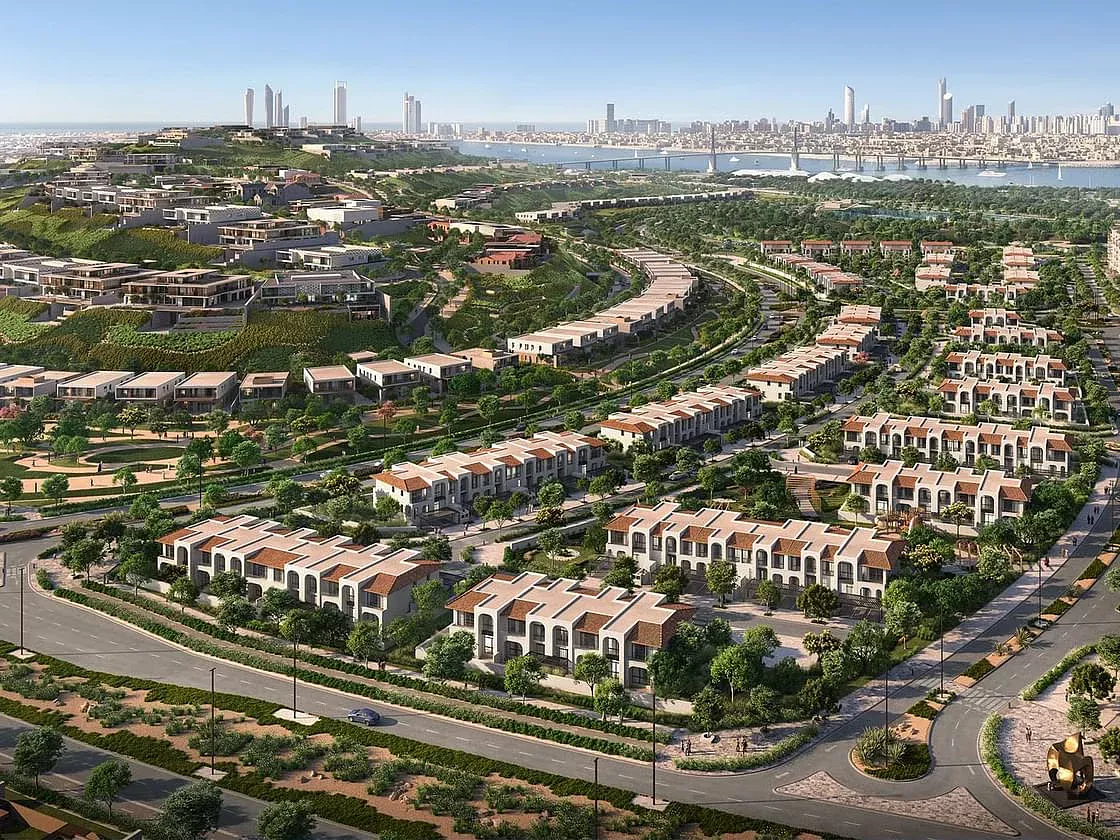
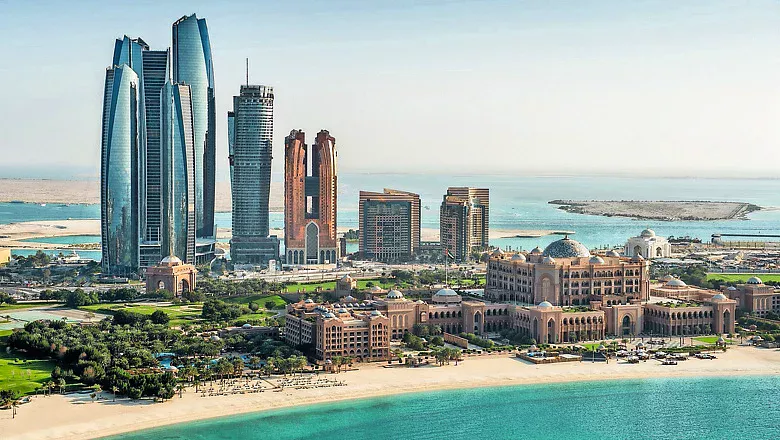
    Aldar and the Department of Municipalities and Transport (DMT) have formalized a major public-private partnership to deliver integrated communities spanning more than 20 million square meters across five strategic locations in Abu Dhabi, marking one of the emirate’s most ambitious urban development initiatives.

    The agreement was signed on May 12, 2026, during the Abu Dhabi Infrastructure Summit (ADIS) 2026, with His Excellency Suhail Mohamed Al Mazrouei, Minister of Energy and Infrastructure, His Excellency Mohammed Ali Al Shorafa, Chairman of DMT, and His Excellency Mohamed Khalifa Al Mubarak, Chairman of Aldar, in attendance.

    His Excellency Abdulla Mohamed Al Blooshi, Director General of the Urban Planning and Permits Centre at DMT, and Talal Al Dhiyebi, Group Chief Executive Officer of Aldar, executed the partnership documents.

    Strategic Locations and Community Design

    The new communities will be developed at Muwaylih, Mussafah, Al Zahiya, and Al Faya, combining residential, retail, educational, and lifestyle offerings within walkable neighborhoods featuring green public spaces and connectivity to Abu Dhabi’s transport networks.

    The collaboration directly supports the emirate’s urban development and housing priorities, including the expansion of the Value Housing Program, a DMT-led initiative increasing access to high-quality, affordable rental housing in Abu Dhabi.

    “This strategic partnership marks an important step in shaping Abu Dhabi’s next phase of urban growth. As the emirate continues to attract residents, businesses and investment, there is a growing need for thoughtfully planned destinations that expand housing choice across multiple market segments while enhancing quality of life,” said Talal Al Dhiyebi, Group Chief Executive Officer of Aldar.

    Al Dhiyebi emphasized that the scale and breadth of these projects reflect Aldar’s strong conviction in the long-term fundamentals of Abu Dhabi’s real estate market and continued confidence in the emirate’s economic growth trajectory.

    Value Housing Program Expansion

    The partnership marks a significant expansion of the Value Housing Program, building on a recently announced commitment to develop two integrated communities in Mohamed Bin Zayed City and Baniyas that will deliver 9,000 residential units to Abu Dhabi’s rental market.

    These communities are designed to offer walkable neighborhoods, green public spaces, schools, retail and gathering places, connected to the wider city and built around the lifestyle needs of residents. Strategically located along major road networks, each destination will offer seamless connectivity across Abu Dhabi while fostering a strong sense of place and belonging.

    “This partnership with Aldar represents a new model for Abu Dhabi’s urban development, one that brings together strategic master planning, private-sector execution capability and government oversight to deliver transformational growth,” said His Excellency Abdulla Mohamed Al Blooshi, Director General of the Urban Planning and Permits Centre at DMT.

    Al Mihsinah Island Activation

    In a landmark announcement, Aldar and DMT revealed plans to activate Al Mihsinah Island for the first time, creating a waterfront community that combines natural coastal surroundings with thoughtfully planned residential neighborhoods and lifestyle amenities.

    The development will offer a living experience that blends wellness, tranquility and connectivity within a waterfront setting, representing a new benchmark for coastal community development in the capital.

    New Model for Urban Development

    The agreement represents a new model for urban development in the emirate, aligning housing accessibility, community building and long-term economic growth within a single, coordinated framework. DMT contributes land while Aldar serves as master developer, combining public-sector land stewardship with private-sector development expertise.

    The partnership is a direct expression of Abu Dhabi’s urban development strategy, placing integrated community planning, housing accessibility and long-term liveability at its core. Aldar will draw on its extensive expertise in delivering iconic destinations such as Saadiyat Island, Yas Island and Al Raha Beach.

    The announcement comes as Abu Dhabi’s residential market continues to demonstrate strong momentum, with transaction volumes remaining elevated and investor confidence sustained by the emirate’s robust economic fundamentals and strategic infrastructure investments.

  • Emaar Properties Records Dh22.4 Billion in Q1 2026 Sales

    Emaar Properties Records Dh22.4 Billion in Q1 2026 Sales

    Dubai’s leading real estate developer demonstrated robust performance in Q1 2026, with total revenue reaching Dh12.4 billion—a 23% jump compared to the same period in 2025. The growth was supported by strong contributions from both UAE and international operations.

    Emaar’s subsidiary, Emaar Development, recorded property sales of Dh20.1 billion during the quarter, representing a 22% increase year-on-year. The company’s net profit climbed to just under Dh3.5 billion, a 36% surge from Q1 2025.

    As of March 31, 2026, Emaar’s revenue backlog stood at approximately Dh163.4 billion, reflecting a 29% annual increase and providing strong revenue visibility for the coming years. Emaar Development’s backlog reached Dh134.6 billion, up 35% from the prior year.

    “Our performance in the first quarter of 2026 reflects the strength and resilience of the UAE economy, which continues to provide a stable foundation despite broader regional volatility,” said Mohamed Alabbar, founder of Emaar.

    Alabbar emphasized that recent geopolitical developments have reinforced the UAE’s position as a market defined by safety, institutional continuity, and long-term vision. “The UAE’s stability is the result of decades of wise leadership, sustained investment in world-class infrastructure, and a clear, business-friendly policy environment,” he added.

    Despite regional tensions affecting the quarter’s final weeks, Emaar Development maintained construction schedules across all ongoing projects. The company launched 10 new residential projects across its master-planned communities in response to evolving market demand.

    The developer recently distributed a dividend equivalent to 100% of its share capital to shareholders, amounting to Dh8.9 billion—marking the second consecutive year of such a payout.

    Emaar’s Q1 performance aligns with broader market trends showing Dubai’s property sector resilience, as the emirate’s real estate market continues to attract sustained investor interest. The company’s strong backlog and project pipeline position it well to capitalize on Dubai’s robust Q1 market activity, which saw total transactions exceed Dh180 billion across the emirate.

  • Dubai Property Market Rebounds to 99% Activity in 51 Days

    Dubai Property Market Rebounds to 99% Activity in 51 Days

    Dubai’s real estate market has delivered a historic start to 2026, with first-quarter transactions reaching AED252 billion ($68.6 billion), marking a 31% increase compared to the same period last year, according to Dubai Land Department data released on May 11, 2026.

    The sector demonstrated remarkable recovery speed following regional geopolitical events, with total active users across digital property platforms returning to 99% of baseline levels in just 51 days, according to data from Bayut and dubizzle.

    International Demand Remains Stable

    The distribution of traffic between domestic and international property seekers showed no significant shift during the recovery period, reinforcing Dubai’s position as a stable global investment destination. The United Kingdom, Germany, and India continue to lead international markets actively pursuing opportunities in the emirate.

    India and Germany demonstrated particular resilience, recording smaller traffic decreases than other major markets during regional uncertainty in early 2026. This sustained international interest, combined with robust local participation within the UAE, propelled total engagement back to near-complete recovery within less than two months.

    “The property market in Dubai is increasingly guided by knowledgeable participants who give priority to data rather than impulse. The current observation is a rational market that has recently finished its most successful quarter on record,” said Fibha Ahmed, Vice President of Property Sales at Bayut and dubizzle.

    Ahmed noted that the steady demand split between local and international parties demonstrates that global investors are utilizing digital transparency to manage short-term volatility, supported by a professionalized workforce and real-time transaction data.

    Service Quality Reaches New Standards

    Beyond transaction volume, service quality has achieved new benchmarks, with 82% of property seekers describing agent performance as “Strong” throughout the recovery period, according to platform data.

    Villas Drive Market Momentum

    Demand for both off-plan developments and premium ready properties continues to fuel market growth. Established communities like Dubai Hills Estate saw viewing activity for ready apartments surge to 123% of normal levels.

    Emerging locations including Mohammed Bin Rashid City and Dubai South recorded healthy recoveries, with views reaching 92% and 63% of baseline levels respectively. Villa communities designed for end-users became the city’s recovery engine, with DAMAC Lagoons recording a 186% surge in viewing activity.

    The combination of record-breaking Q1 growth and rapid post-tension recovery underscores Dubai’s institutional-grade market stability and its status as a critical destination for high-value global capital. The emirate’s recent visa policy changes and infrastructure investments continue to support sustained investor confidence across all property segments.

  • Dubai Property Market Stabilizes on New Visa Rules, Metro Expansion

    Dubai Property Market Stabilizes on New Visa Rules, Metro Expansion

    Government policy reforms, resilient investor appetite, and strong off-plan demand are helping Dubai’s real estate sector weather geopolitical uncertainty, according to industry experts and new market data presented during a recent Betterhomes webinar on May 10, 2026.

    The emirate’s property market remains fundamentally strong nearly 10 weeks into regional conflict, though rental corrections and softer secondary market activity suggest the sector is entering a more balanced phase after years of rapid growth.

    Total property transactions in April edged up nearly 2% month-on-month, underscoring continued market resilience even as investors globally remain cautious amid geopolitical risks. Off-plan sales dominated the market, accounting for 76% of all transactions in April, up 7% from March.

    Three Key Policy Drivers

    The webinar highlighted three major policy developments expected to support medium- and long-term market growth.

    One significant measure was the removal of the Dh750,000 minimum threshold previously required for investor visa eligibility. This effectively widens residency-linked property investment access to a broader pool of buyers and could stimulate demand in affordable and mid-market housing segments, which are increasingly attracting both end-users and overseas investors.

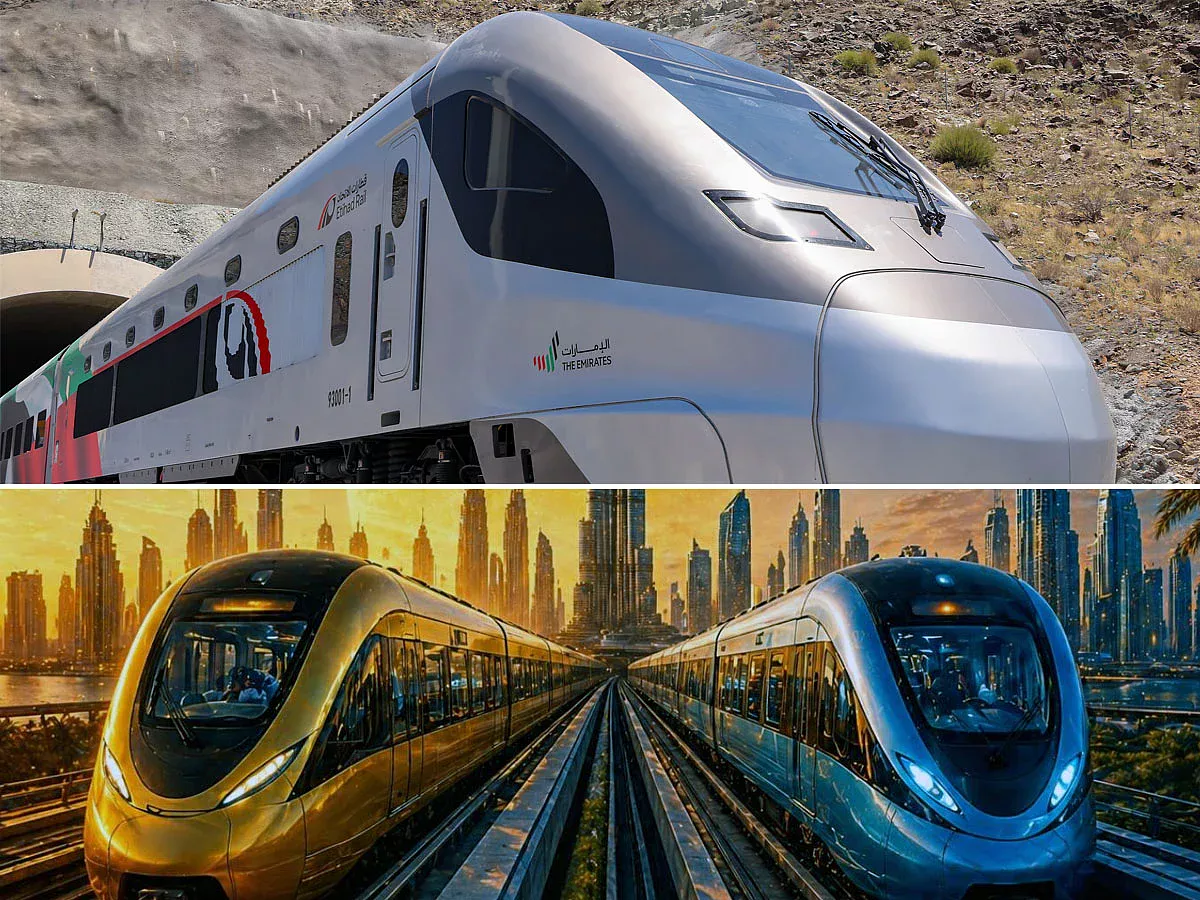
    Another key driver is Dubai’s proposed Gold Line Metro expansion project, a $9 billion transport corridor expected to connect 15 districts by 2032. Analysts noted that major transport infrastructure announcements in Dubai historically triggered property price appreciation of 8 to 11% in surrounding communities, citing earlier metro-linked gains in areas such as Jumeirah Village Circle, Business Bay, and Dubai Marina.

    The webinar also referenced the UAE’s recent decision to leave OPEC, describing the move as potentially giving the country greater flexibility in shaping its long-term economic and energy strategies. Broader economic diversification efforts, including expansion in tourism, financial services, logistics, and technology sectors, continue to reinforce Dubai’s attractiveness to global investors.

    Rental Market Shows Moderation

    In the leasing market, tenant enquiries surged nearly 40% in April, reflecting sustained demand for rental accommodation amid continued population growth and business expansion.

    However, rental prices have begun to moderate after two years of steep increases. Approximately 70% of rental listings recorded price reductions averaging just under 10%, according to Betterhomes. Property analysts say the correction could improve affordability for middle-income residents and help stabilize the market after rapid rental inflation in recent years.

    Dubai’s market is moving from an overheated phase into a healthier period of consolidation.

    Analysts noted during the webinar that demand fundamentals remain intact despite geopolitical headwinds.

    Secondary Market Activity Softens

    While activity in the secondary market has softened, listing volumes have not risen sharply, showing property owners are not engaging in panic selling despite heightened regional uncertainty. This aligns with recent investor sentiment data showing buyers are delaying decisions rather than exiting the market.

    Industry analysts note that Dubai’s property market has remained among the world’s strongest-performing real estate sectors over the past three years, driven by robust foreign investment inflows, liberal residency policies, low taxes, and sustained demand from high-net-worth individuals relocating to the UAE.

    According to data from the Dubai Land Department, Dubai recorded property transactions worth more than Dh760 billion in 2025, the highest annual total on record, with the number of deals crossing 226,000 for the first time.

    Dubai vs. London Investment Appeal

    The discussion compared Dubai’s investment appeal with London, arguing that rising taxes, tighter landlord regulations, and higher entry costs in the UK have reduced London’s relative attractiveness for international property investors. By contrast, Dubai continues to benefit from tax efficiency, high rental yields, flexible visa regimes, and comparatively lower acquisition costs.

    Property experts cautioned off-plan buyers against walking away from purchases due to market uncertainty, stressing that sale and purchase agreements remain legally binding and buyers should carefully review long-stop completion clauses before making decisions.

    Despite softer price momentum and geopolitical concerns, analysts broadly agree that Dubai’s property sector remains underpinned by strong economic fundamentals, infrastructure investment, and sustained foreign capital inflows — factors expected to support long-term market stability and growth.

  • Dubai Homeowners Now Hold Properties as Long as London, New York Buyers

    Dubai Homeowners Now Hold Properties as Long as London, New York Buyers

    A landmark analysis by fäm Properties using Dubai Land Department data reveals that 740,219 residential properties purchased since 2012 have never been resold, representing 69.9% of all primary market purchases and 61.1% of resale transactions—a decisive shift away from the emirate’s former reputation as a speculative investment hub.

    The study examined 687,406 primary market transactions between 2012 and 2025 and 425,083 resale transactions between 2009 and 2025, providing the most comprehensive picture yet of Dubai’s evolving ownership patterns.

    Retention rates mirror global cities

    Among primary market buyers, 42% of those who purchased in 2014 still own their properties 11 years later, while retention rises to 53% for 2017 buyers after eight years and 61% for 2022 buyers after three years. The secondary market shows similar patterns, with 38% of 2014 buyers retaining ownership after 11 years and 65% of 2022 resale buyers still holding their homes.

    “Buyers focused on flipping properties have increasingly been replaced by long-term owners committed to living in Dubai or holding assets for wealth preservation,” said Firas Al Msaddi, CEO of fäm Properties. “A buyer who purchased property in Dubai in 2014 and still owns it today is behaving exactly like the median homeowner in New York or London.”

    These figures broadly align with mature Western housing markets, where the average American homeowner stays in a property for 11 to 12 years, according to Redfin and the National Association of Realtors. In the UK, only about 4% of homes are sold annually, implying ownership durations extending well beyond a decade.

    Golden Visa drives permanent residency shift

    Property analysts attribute the trend to multiple factors, chief among them the UAE Golden Visa Programme introduced in 2019 and expanded in 2022, which established a direct connection between property ownership and long-term residency rights. The initiative has encouraged expatriates to view Dubai as a permanent home rather than a temporary workplace.

    Stronger legal protections for off-plan buyers, escrow regulations and stricter developer oversight have also boosted investor confidence. The Covid-19 pandemic further accelerated this shift as global investors prioritized politically stable, low-tax cities offering safety and lifestyle advantages.

    Market stability and economic implications

    The longer holding periods carry significant implications for market stability, reducing speculative volatility and limiting excessive supply turnover during uncertain periods. Analysts say this creates a healthier and more sustainable real estate cycle aligned with leading global cities.

    Major infrastructure developments including expansions to the Dubai Metro network and large-scale master communities such as Dubai South, Dubai Creek Harbour and Dubai Islands have broadened the range of areas where residents are willing to settle permanently. Improved transport connectivity, schools, healthcare facilities and lifestyle infrastructure are increasingly encouraging families to remain long-term.

    The findings arrive as Dubai’s real estate market continues to demonstrate resilience, with transaction volumes remaining robust despite early signs of price moderation. While the emirate recorded over Dh180 billion in Q1 2026, the rise in long-term ownership suggests the market is becoming more institutionally driven and fundamentally sound.

    For investors and policymakers, the data signals that Dubai’s housing market is no longer defined primarily by speculative trading cycles, but increasingly by permanence, wealth preservation and long-term economic confidence—characteristics that distinguish mature global property markets from emerging ones.

  • Abu Dhabi Property Prices Jump 6.4% in Q1 2026

    The capital’s residential sector sustained its positive momentum through the first quarter of 2026, with capital values showing faster growth compared to the prior quarter, according to ValuStrat’s latest market report published on May 8, 2026.

    The ValuStrat Price Index (VPI) for Abu Dhabi’s freehold residential properties climbed to 148 points in Q1 2026, reflecting a 6.4% quarter-on-quarter increase and a robust 17.8% year-on-year rise—clear signs of acceleration from the previous period.

    Apartments drove the surge, with values up 10.4% quarter-on-quarter and 22.7% year-on-year, while villas saw steadier advances of 2.7% quarterly and 13.4% annually. Strongest results appeared in mature communities offering immediate inventory availability.

    The analysis attributes this momentum partly to Abu Dhabi’s more advanced stage in the real estate cycle relative to Dubai, combined with relatively affordable pricing that keeps attracting end-user buyers. This resilience holds firm even amid a regionally uncertain environment.

    “While geopolitical tensions have sparked some caution across the UAE, no substantial effects on Abu Dhabi’s property market have emerged so far,” ValuStrat noted in the report.

    Supply dynamics further bolstered prices, with controlled delivery rates keeping conditions favorable. Transaction activity during the quarter likely faced headwinds from seasonal elements like Ramadan and Eid celebrations, plus remote work trends, homeschooling, and unfavorable weather.

    Rental trends stayed even-keeled, with the residential rental VPI holding steady quarter-on-quarter at 128.1 points but advancing 5.9% annually. Consistent rents paired with 88.1% occupancy underscore a balanced leasing landscape.

    The report describes Abu Dhabi’s office sector as solid, with listing sales prices and rents posting both quarterly and yearly gains, fueled by high occupancy. The industrial market also held steady, showing flat quarterly prices alongside double-digit annual growth, while rents kept rising in most areas.

    Given the UAE’s real estate dynamics, Abu Dhabi and Dubai don’t always sync perfectly, but they typically align on overarching trends over longer periods. Consequently, any lasting changes in market dynamics could take time to fully reach the capital, according to the ValuStrat analysis.

    The capital’s performance mirrors broader regional strength, with transaction volumes rebounding in April and the emirate posting its second-strongest quarter on record earlier this year.

  • Dubai Off-Plan Sales Drive $10.18 Billion Residential Market in April

    Dubai Off-Plan Sales Drive $10.18 Billion Residential Market in April

    Dubai’s residential sector maintained stable activity levels through April despite a more measured global investment environment, with transaction values increasing 0.46% compared to March 2026.

    Off-Plan Segment Accounts for AED28.55 Billion

    Off-plan activity remained the primary driver of market performance during the month, recording 9,990 transactions worth AED28.55 billion and representing 76.39% of total transaction value. The segment continues to benefit from demand for newly launched communities, phased payment structures, and infrastructure-led residential development.

    Dubai’s market performance through April once again reinforced the strength of the city’s long-term fundamentals. Despite broader geopolitical uncertainty, liquidity remained healthy, transaction activity held steady and investor participation across key residential corridors continued to reflect confidence in Dubai’s long-term growth trajectory.

    Farooq Syed, CEO of Springfield Properties, emphasized sustained confidence despite regional challenges.

    Secondary Market Records 3,072 Transactions

    Dubai’s secondary real estate market contributed AED8.83 billion across 3,072 transactions, with activity concentrated in established residential communities supported by end-user demand and long-term ownership confidence.

    Residential activity remained concentrated across several key master-planned communities. Dubai South recorded the highest transaction volume with 1,140 deals, followed by Jumeirah Village Circle with 797 transactions and Dubai Islands with 693 transactions. DAMAC Lagoons and Dubai Creek Harbour also maintained healthy activity levels.

    Pricing Holds Firm Across Segments

    Residential pricing remained broadly firm during April. Off-plan apartments averaged AED2,111 per square foot, while off-plan villas reached AED2,293 per square foot. Secondary villas maintained premium positioning at AED2,406 per square foot, reflecting sustained demand for completed family-oriented communities.

    Properties priced between AED1 million and AED3 million represented 53.62% of transactions with recorded sale values, while higher-value segments above AED5 million maintained stable activity levels.

    Commercial Sector Records AED10.35 Billion

    Beyond residential, Dubai’s commercial real estate market recorded AED10.35 billion across 963 transactions during April. Office transactions alone accounted for AED3.34 billion across 428 deals, reinforcing occupier and investor demand across established business districts and mixed-use commercial corridors.

    The report noted that recent updates to Dubai’s property-linked residency requirements are expected to support broader market participation over the medium term, particularly across affordable and mid-market residential segments.

    Dubai continues to strengthen its position as a global destination for capital, business and long-term residency. What differentiates the market today is not only resilience, but also the consistency of the city’s long-term vision, infrastructure investment, regulatory clarity and ability to sustain confidence through changing global conditions.

    Syed concluded that activity levels are expected to remain supported by population growth, strategic development, and sustained international demand across both residential and commercial sectors as market conditions continue to stabilize.

    The April figures align with broader market trends documented across the first quarter of 2026, when Dubai’s property sales exceeded Dh180 billion, reinforcing the emirate’s position as a global real estate destination.

  • Dubai Off-Plan Office Sales Hit Record $817 Million in April

    Dubai Off-Plan Office Sales Hit Record $817 Million in April

    The emirate’s office segment has maintained exceptional momentum throughout 2026, with April’s performance representing a sharp rebound from March’s AED1.3 billion and surpassing February’s previous peak of AED2.7 billion.

    Dubai’s office market recorded 318 off-plan office transactions in April, up from 182 in March, and compared with 355 in February and 414 in January, demonstrating sustained investor appetite for commercial property assets.

    Business Bay dominates commercial investment activity

    Business Bay emerged as the dominant commercial hub in April, generating approximately AED2.8 billion in off-plan office sales across 158 transactions, reinforcing its status as Dubai’s premier office investment destination. The district’s performance accounted for more than 90% of total off-plan office sales value during the month.

    Total off-plan office sales in Dubai reached AED9.4 billion during the first four months of 2026 across 1,269 transactions, representing a 104% increase compared to the full-year 2025 total of AED4.6 billion. Transaction volumes between January and April already represent approximately 90% of the 1,412 deals recorded throughout 2025.

    Ready office segment shows steady growth

    The ready office market also demonstrated resilience, with sales totaling AED296.3 million in April from 106 transactions, compared with AED234.5 million across 84 deals in March. Earlier in the year, February recorded AED695.1 million from 265 transactions, while January saw AED861.9 million from 265 deals.

    The surge in office sales aligns with broader market strength across Dubai’s property sector. Dubai’s real estate market recorded Dh48 billion in total transactions in April 2026, marking an increase of over 20% compared to March.

    The commercial property boom reflects sustained corporate expansion and investor confidence in Dubai’s economic fundamentals. Office prices jumped 29% year-on-year in prime locations during 2025, driven by limited Grade-A supply and strong demand from global corporations establishing regional headquarters in the emirate.

    April also witnessed the highest monthly value of off-plan residential apartment sales in 2026, reaching AED19.7 billion from 8,812 transactions, further demonstrating the breadth of activity across Dubai’s property market.

    The record-breaking performance in the office segment underscores Dubai’s expanding role as a global business hub, with corporate occupiers and institutional investors continuing to commit capital to commercial real estate despite broader regional uncertainty. The sustained transaction volumes and escalating values signal confidence in the emirate’s long-term economic trajectory and commercial property fundamentals.

  • UAE Property Demand Holds Firm Despite Regional Uncertainty

    UAE Property Demand Holds Firm Despite Regional Uncertainty

    The UAE’s residential property market continues to demonstrate resilience amid regional geopolitical uncertainty, with underlying demand remaining intact as buyers adopt a more cautious and selective approach rather than withdrawing entirely.

    According to Savills Middle East’s latest investor sentiment survey, conducted among investors, end users, landlords, tenants and prospective residents, nearly 45% of respondents intend to purchase property in the next 12 months, while a further 32% remain undecided. The data points to decision-making delays rather than a fundamental loss of demand.

    “The data clearly shows that demand remains intact,” said Andrew Cummings, head of residential agency at Savills Middle East. “What we are seeing is a shift in behaviour rather than a drop in interest. Buyers are taking more time, becoming more selective and focusing on fundamentals such as location, quality and long-term value.”

    After several years of strong post-pandemic growth, the residential market is now moving into what Savills describes as a more balanced and mature phase. Transaction activity remains high by historical standards, supported by population growth, capital inflows and a strong development pipeline, but momentum has moderated in recent months as buyers take a more cautious approach.

    Importantly, the slowdown is not being driven by distress selling. More than 60% of existing property owners surveyed said they plan to hold or expand their portfolios over the next six months, with only around 4% considering selling. This lack of selling pressure has helped support prices across several segments, even as transaction volumes soften.

    “The absence of widespread selling pressure reflects continued confidence among existing property owners. As a result, the market is moving towards a more balanced and sustainable phase rather than experiencing any structural correction.”

    Pricing expectations, however, have moderated. More than 80% of respondents expect prices to either remain stable or soften over the next year, contributing to longer transaction timelines and increased negotiation, particularly in the apartment segment where supply is perceived to be higher. Savills noted that this has created a gap between buyer expectations and seller pricing, resulting in slower deal-making rather than outright price declines.

    Buyer preferences are also shifting notably. Around 60% of respondents expressed a preference for ready properties, compared with about 23% favouring off-plan homes, reflecting a growing emphasis on certainty around delivery, pricing and immediate usability.

    External factors are playing an increasingly important role in shaping sentiment. Regional and geopolitical uncertainty emerged as the single biggest barrier to market entry, outweighing traditional concerns such as pricing or financing. Even so, Savills said the survey showed little evidence of knee-jerk seller reactions.

    Looking ahead, the firm expects the market to continue adjusting in the near term, with softer transaction volumes and more deliberate deal-making. While secondary apartments may face greater pressure, villas and prime residential assets are expected to remain relatively resilient, supported by the UAE’s long-term fundamentals and population growth.

    The findings align with recent market data showing sustained activity across the emirate. Dubai’s property market has demonstrated resilience with little evidence of distressed deals, while April 2026 sales reached Dh48 billion across nearly 14,000 transactions despite early signs of price moderation.