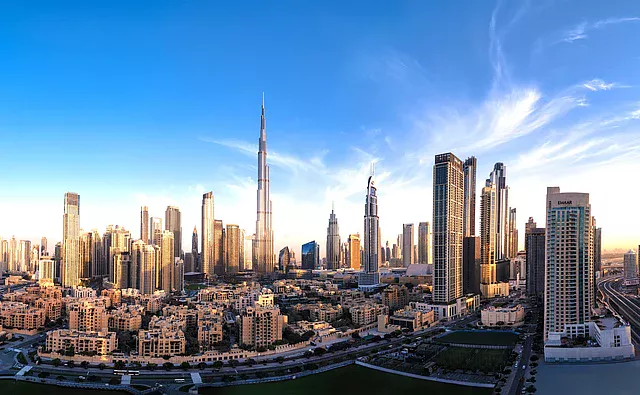
A landmark analysis by fäm Properties using Dubai Land Department data reveals that 740,219 residential properties purchased since 2012 have never been resold, representing 69.9% of all primary market purchases and 61.1% of resale transactions—a decisive shift away from the emirate’s former reputation as a speculative investment hub.
The study examined 687,406 primary market transactions between 2012 and 2025 and 425,083 resale transactions between 2009 and 2025, providing the most comprehensive picture yet of Dubai’s evolving ownership patterns.
Retention rates mirror global cities
Among primary market buyers, 42% of those who purchased in 2014 still own their properties 11 years later, while retention rises to 53% for 2017 buyers after eight years and 61% for 2022 buyers after three years. The secondary market shows similar patterns, with 38% of 2014 buyers retaining ownership after 11 years and 65% of 2022 resale buyers still holding their homes.
“Buyers focused on flipping properties have increasingly been replaced by long-term owners committed to living in Dubai or holding assets for wealth preservation,” said Firas Al Msaddi, CEO of fäm Properties. “A buyer who purchased property in Dubai in 2014 and still owns it today is behaving exactly like the median homeowner in New York or London.”
These figures broadly align with mature Western housing markets, where the average American homeowner stays in a property for 11 to 12 years, according to Redfin and the National Association of Realtors. In the UK, only about 4% of homes are sold annually, implying ownership durations extending well beyond a decade.
Golden Visa drives permanent residency shift
Property analysts attribute the trend to multiple factors, chief among them the UAE Golden Visa Programme introduced in 2019 and expanded in 2022, which established a direct connection between property ownership and long-term residency rights. The initiative has encouraged expatriates to view Dubai as a permanent home rather than a temporary workplace.
Stronger legal protections for off-plan buyers, escrow regulations and stricter developer oversight have also boosted investor confidence. The Covid-19 pandemic further accelerated this shift as global investors prioritized politically stable, low-tax cities offering safety and lifestyle advantages.
Market stability and economic implications
The longer holding periods carry significant implications for market stability, reducing speculative volatility and limiting excessive supply turnover during uncertain periods. Analysts say this creates a healthier and more sustainable real estate cycle aligned with leading global cities.
Major infrastructure developments including expansions to the Dubai Metro network and large-scale master communities such as Dubai South, Dubai Creek Harbour and Dubai Islands have broadened the range of areas where residents are willing to settle permanently. Improved transport connectivity, schools, healthcare facilities and lifestyle infrastructure are increasingly encouraging families to remain long-term.
The findings arrive as Dubai’s real estate market continues to demonstrate resilience, with transaction volumes remaining robust despite early signs of price moderation. While the emirate recorded over Dh180 billion in Q1 2026, the rise in long-term ownership suggests the market is becoming more institutionally driven and fundamentally sound.
For investors and policymakers, the data signals that Dubai’s housing market is no longer defined primarily by speculative trading cycles, but increasingly by permanence, wealth preservation and long-term economic confidence—characteristics that distinguish mature global property markets from emerging ones.
Leave a Reply