• Dubai Property Services Handled 563,920 Customers in 2025

    Dubai Property Services Handled 563,920 Customers in 2025

    Dubai’s real estate services sector demonstrated sustained operational growth throughout 2025, with key metrics pointing to rising activity across permits, valuations, and customer-facing transactions.

    The number of real estate permits issued in 2025 rose 24% to 26,044, reflecting strong demand for regulated property marketing channels. Electronic advertisements dominated activity, accounting for 23,521 permits, signaling how digital platforms are reshaping buyer engagement and developer outreach.

    Valuation Capacity Expands

    The emirate’s valuation infrastructure strengthened considerably during the year. The number of registered real estate valuers reached 133 by the end of 2025, with new registrations rising 50% year-on-year to 33.

    This expansion highlights how valuation has become central to investment decisions, financing, and pricing accuracy, particularly in a market that continues to attract both institutional and retail buyers seeking transparency in high-value transactions.

    Valuation capacity also increased on the ground, with the number of valuation offices rising to 68, including eight new offices added during the year, strengthening the sector’s ability to handle higher transaction volumes.

    Customer Service Network Grows

    Dubai’s real estate service infrastructure expanded with registration and service trustee offices increasing to 32, marking a 14% rise. Transaction volumes processed through these offices reached 282,661 in 2025, up 5% from the previous year, while the number of customers served climbed 7% to 563,920.

    The data points to growing reliance on structured, regulated channels to complete transactions, reflecting both higher activity levels and increased trust in the system as the market maintains momentum.

    Digital Oversight and Governance

    The rise in advertising permits is being supported by tighter regulatory oversight. Initiatives such as the Real Estate Advertising Governance Platform are helping to ensure accuracy and compliance across listings by using digital tools and artificial intelligence to monitor content.

    This approach is designed to enhance credibility in the market, reduce misinformation, and provide buyers with clearer, verified information when making property decisions.

    Structured Market Infrastructure

    The combined growth across permits, valuation services, and transaction channels signals a shift in how Dubai’s property market operates. Support services are playing a larger role in shaping efficiency, improving access, and strengthening regulatory discipline.

    This translates into more transparent pricing, better access to verified listings, and smoother transaction processes for customers, reinforcing confidence in one of the region’s most active real estate markets where regional activity remains strong.

    The expansion in service infrastructure demonstrates Dubai’s commitment to maintaining operational standards and transparency as the emirate continues to process record transaction volumes and attract global capital into its property sector.

  • Sharjah Property Market Hits Dh2.3 Billion in First Half of March

    Sharjah Property Market Hits Dh2.3 Billion in First Half of March

    Abdulaziz Rashid Al Saleh, Director of the Sharjah Real Estate Registration Department, confirmed on March 17, 2026, that the emirate’s property market recorded Dh2.3 billion ($626.3 million) in total transactions across 3,556 deals during the first half of March.

    Al Saleh emphasized that the figures demonstrate the robustness and resilience of Sharjah’s real estate sector, driven by rising interest from capital allocators. He noted that the department continues to deliver services through digital platforms and an extensive network of branches across the emirate.

    “The data demonstrates the robustness and steadfastness of the property sector in Sharjah, propelled by rising interest from capital allocators,” Al Saleh stated.

    The director attributed the sustained market activity to the consistent legal framework established by the emirate under the strategic vision of His Highness Sheikh Dr. Sultan bin Mohammed Al Qasimi, Supreme Council Member and Ruler of Sharjah, and the oversight of His Highness Sheikh Sultan bin Mohammed bin Sultan Al Qasimi, Crown Prince and Deputy Ruler of Sharjah.

    Sharjah’s real estate performance in early March reflects broader momentum across the UAE property sector. While Dubai recorded Dh3.8 billion in transactions on a single day earlier this week, neighboring emirates continue to demonstrate sustained investor confidence despite regional dynamics.

    The emirate’s property market has consistently posted strong growth over recent quarters, with institutional and retail investors maintaining active participation in both off-plan and secondary market segments. The Sharjah Real Estate Registration Department has facilitated this activity through ongoing digitalization of registration processes and enhanced service accessibility.

    Market analysts note that Sharjah’s relative affordability compared to Dubai, combined with expanding infrastructure and strengthened regulatory frameworks across the UAE, continues to support sustained transaction volumes as investors seek diversified exposure within the Gulf’s property markets.

  • Dubai Property Transactions Reach Dh3.8 Billion on Monday

    Dubai Property Transactions Reach Dh3.8 Billion on Monday

    Dubai’s real estate market processed transactions worth Dh3.8 billion at the start of the week through 1,194 deals, according to data released by the Dubai Land Department on March 16, 2026.

    Sales accounted for the largest share, reaching Dh2.93 billion through 930 transactions. Among the most prominent deals were properties in Al Yalyis 5 valued at Dh515.6 million, followed by Palm Jebel Ali with transactions worth Dh387 million, and Dubai Land Residence Complex totalling Dh187 million.

    Mortgage transactions reached Dh718.3 million across 243 deals. The largest mortgage was recorded in Dubai South (Dubai Aviation City) at Dh214.4 million, followed by Dubai Studio City at Dh82 million, and Meydan One with mortgages worth Dh81 million.

    Property gifts also contributed to the overall activity, totalling Dh164 million across 21 transactions. The most notable gifts were registered in Mohammed Bin Rashid City – District One valued at Dh43.5 million, Business Bay at Dh34.3 million, and Jumeirah Islands worth Dh28 million.

    The figures reflect continued momentum in Dubai’s property sector, with strong investor interest across a range of residential and mixed-use developments. The single-day volume underscores the market’s resilience as transaction activity remains robust across multiple segments.

    The data arrives as Dubai’s property market staged a sharp recovery in the second week of March 2026, with transaction volumes rising significantly despite continued selling pressure in real estate equities on the Dubai Financial Market.

    Industry observers note that the emirate’s real estate sector continues to attract diverse capital flows, supported by structural advantages and a diversified buyer base. Recent weeks have also seen major development announcements that signal long-term confidence in the market’s trajectory.

    The sustained transaction volumes demonstrate that Dubai’s property market maintains its appeal to both end-users and investors, with activity spread across established communities and emerging districts alike.

  • Ohana Development Records Dh6 Billion in Sales Within 72 Hours

    Ohana Development Records Dh6 Billion in Sales Within 72 Hours

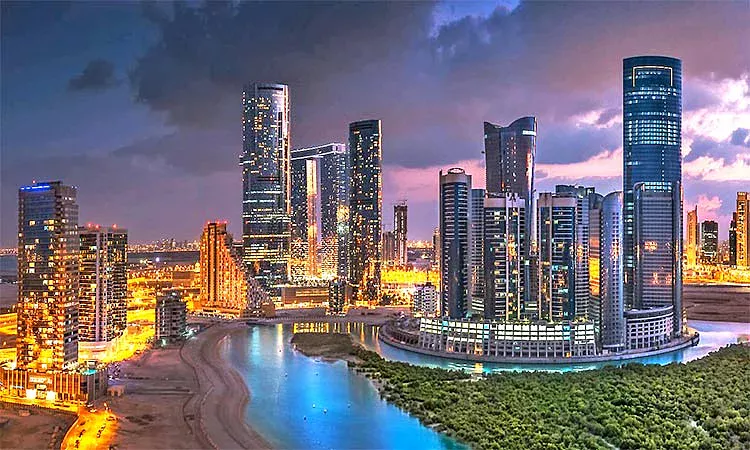
    The sales performance of Manchester City Yas Residences by Ohana marks one of the strongest project launches in Abu Dhabi’s real estate history, with the waterfront community on Yas Canal achieving the record figure between March 14 and March 17, 2026.

    Investors formed queues at the sales launch, reflecting exceptional demand for the project. The buyer profile shows 35% Emirati nationals and 65% expatriate and international investors, demonstrating broad appeal across market segments.

    “We would like to express our sincere appreciation to the UAE government and its visionary leadership for fostering a stable and forward-looking investment environment,” said Husein Salem, CEO of Ohana Development. “This strong foundation continues to strengthen confidence among investors and developers, supporting the resilience and growth of Abu Dhabi’s thriving real estate sector, despite any evolving circumstances.”

    Salem added that the strong response and sales record in just 72 hours reflects continued trust from investors locally and internationally, as well as the appeal of the project’s unique offering in the emirate.

    In response to the significant interest, Ohana Development is expected to release additional inventory from the project soon.

    The development spans 1.67 million square meters, with more than 55% of the masterplan dedicated to landscaped gardens and green spaces. Designed around sport and active living, the community will feature integrated training and recovery facilities, alongside a waterfront promenade with retail, dining and lifestyle destinations.

    Manchester City Yas Residences will include a marina sports club with water sports activities, as well as resort-style amenities including fitness facilities and pools.

    The sales achievement comes as Abu Dhabi’s property market recorded strong weekly sales in early March 2026, demonstrating sustained investor confidence. The UAE capital has been accelerating its development pipeline, with nearly 75 million square meters approved in 2025, marking a 137% year-on-year increase.

    The record-breaking launch underscores Abu Dhabi’s growing appeal as a premium residential destination, particularly for branded developments that combine lifestyle amenities with strategic locations on the emirate’s most sought-after addresses.

  • BEYOND Developments Unveils 8 Million Sq Ft Masterplan at Dubai Maritime City

    BEYOND Developments Unveils 8 Million Sq Ft Masterplan at Dubai Maritime City

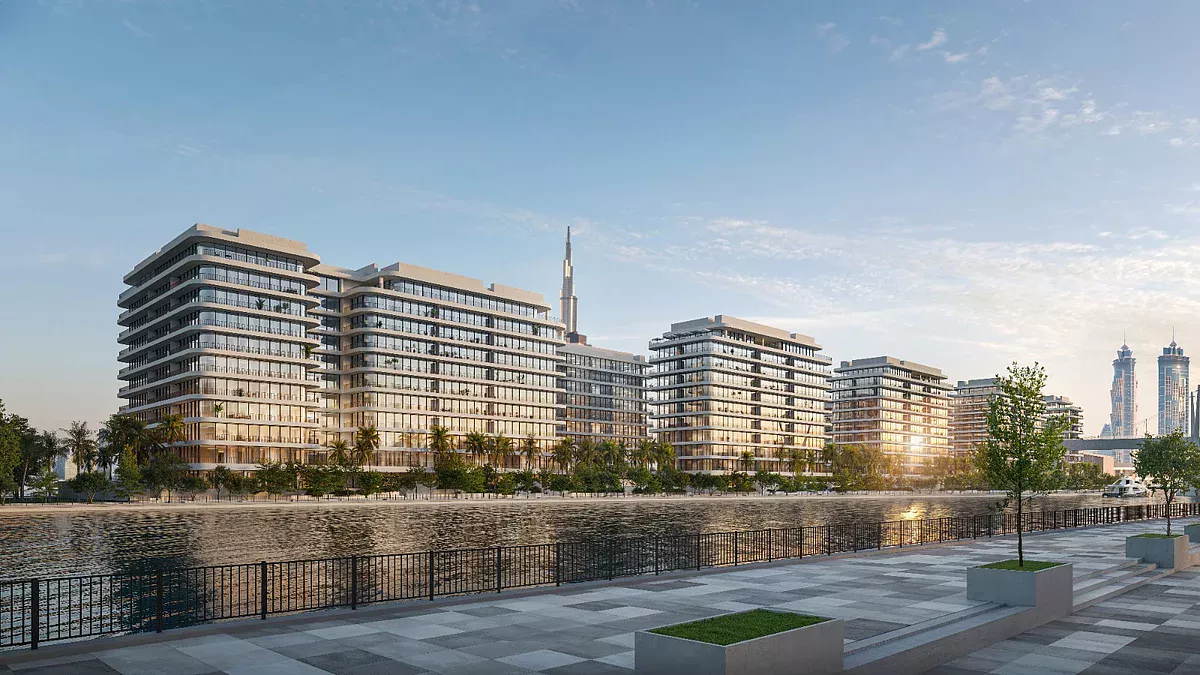
    BEYOND Developments announced the details of its flagship masterplan at Dubai Maritime City, a fully integrated urban ecosystem spanning 8 million square feet that combines waterfront living with nature-focused design across two distinct precincts.

    The masterplan, positioned along one of Dubai’s most strategic coastal corridors, represents a large-scale approach to urban placemaking that integrates residential towers, hospitality destinations, retail experiences, educational facilities, healthcare services, and lifestyle amenities within a single cohesive framework.

    Two Districts with Distinct Identities

    The development is structured around two complementary environments: The Bay and The Forest. The Bay district delivers more than two kilometers of continuous waterfront promenades and cycleways connecting residences, hospitality venues, and curated food and beverage experiences along the shoreline, with a focus on absolute oceanfront living and sea-facing residential units.

    The Forest introduces what the developer describes as the region’s first forest district by the sea, anchored by a 65,000 square meter central forest that functions as living infrastructure designed to shape microclimate, movement patterns, and daily wellbeing through shaded trails, wellness spaces, and nature-led public realms.

    Residences within The Forest precinct are oriented toward greenery and privacy while maintaining visual connections to both the sea and Dubai’s skyline, with a significant portion of the masterplan dedicated to landscaped open spaces.

    Infrastructure and Connectivity

    The masterplan incorporates a network of signal-free access points, internal flyovers, and viaduct connections designed to enable efficient movement into and out of the district, while internal circulation relies on shaded boulevards, pedestrian bridges, and interconnected promenades that prioritize pedestrian mobility alongside uninterrupted vehicular traffic flow.

    The wider Dubai Maritime City district provides supporting infrastructure including schools, nurseries, healthcare facilities, wellness-focused hospitality, mosques, and community services, allowing the masterplan to integrate seamlessly into an established urban framework.

    Global Investment Appeal

    The masterplan has attracted buyers and residents from Europe, North America, Asia, Australia, Russia, and the wider MENA region, reflecting its positioning as a destination for international capital, long-term residency, and cross-border real estate investment.

    BEYOND has unveiled eight projects within the district to date, including SARIA, ORISE, SENSIA, THE MURAL, SOULEVER, 31 ABOVE (a commercial tower), TALEA, and KANYON within The Forest precinct, with additional announcements planned for 2026 as the district continues to evolve.

    Market Context

    The announcement comes as Dubai’s property market staged a sharp recovery in the second week of March 2026, with transaction volumes rising 58% despite regional tensions, while industry leaders cite structural advantages and a diversified buyer base as key factors supporting continued capital inflows into the emirate’s real estate sector.

    The masterplan aligns with Dubai’s broader urban strategy focused on wellbeing, connectivity, and sustainable economic growth, positioning the district as a long-term investment destination built to support multi-generational residency and capital appreciation within the emirate’s evolving coastal landscape.

  • Dubai Property Market Rebounds as DFM Real Estate Stocks Extend Losses

    Dubai Property Market Rebounds as DFM Real Estate Stocks Extend Losses

    Two weeks after regional conflict began on February 28, Dubai’s real estate sector is demonstrating a striking divergence between physical market performance and listed equity valuations.

    According to Dubai Land Department (DLD) data analyzed by The Real Estate Reports, total transaction value surged to Dh15.66 billion in the week of March 9–15, representing a 51% increase in value and a 58% jump in transaction counts compared to the previous week.

    However, when excluding land plots to remove volatility from high-value land deals, built property value grew a more modest 13% to Dh8.26 billion, while transaction volume rose 56% to 4,327 deals. The gap between volume growth and value growth suggests buyers are proceeding with caution, resulting in a lower average ticket size per transaction.

    Off-Plan Sales Drive Market Activity

    Off-plan properties continued to dominate, accounting for 63% of built property value in the second week of March, only slightly below the 66% recorded immediately after conflict began. Within this segment, villa sales increased their share to approximately 23% of off-plan value, up from 16% the previous week, indicating buyer preference for tangible residential assets over commercial properties.

    The recovery in mortgage registrations provided further evidence of market functionality, with 1,053 mortgages registered during the week, nearly double the prior period, suggesting that the financing infrastructure supporting Dubai’s property sector remains intact despite regional tensions.

    “While the physical market shows signs of a recovery in activity, the heavy-volume sell-off on the DFM suggests that financial markets may be pricing in a more prolonged period of uncertainty.”

    Equity Markets Tell Different Story

    In stark contrast to the physical market’s resilience, the Dubai Financial Market (DFM) continued its downward trajectory. The DFM General Index (DFMGI) fell 5.7% in the second week of March on turnover of 1.52 billion shares—nearly double the volume of the previous week.

    Real estate stocks bore the brunt of the sell-off, with the DFM Real Estate Index (DFMREI) plunging 13.8% last week as investors demanded higher risk premiums for regional exposure. Trading resumed on March 4 with a temporary 5% limit-down threshold implemented to prevent panic selling.

    The divergence highlights how sentiment-driven equity markets are repricing regional risk while the underlying property economy continues to function. For investors, the data suggests that while short-term caution prevails in financial markets, Dubai’s real estate infrastructure and transactional mechanisms remain operational.

    Ali Shahin, founder of The Real Estate Reports, noted that Dubai real estate is proving it can operate under pressure even as listed property companies absorb the immediate shock of geopolitical uncertainty.

    The physical market’s resilience comes despite an initial 50% drop in weekly transactions immediately following the start of regional conflict, with industry leaders citing structural advantages and a diversified buyer base as key factors supporting continued capital inflows.

    For now, Dubai’s property sector appears capable of maintaining operational momentum despite elevated geopolitical risk, though the heavy selling in listed real estate stocks suggests investors remain cautious about medium-term prospects in the region.

  • Dubai Property Market Shows Resilience as Global Capital Flows Continue

    Dubai Property Market Shows Resilience as Global Capital Flows Continue

    Dubai’s real estate sector continues to demonstrate operational stability as developers, brokers and analysts report sustained investor interest across prime locations and luxury developments, with transaction activity maintaining momentum through the first weeks of March 2026.

    Firas Al Msaddi, chief executive of fäm Properties, emphasized the emirate’s track record of recovery following market disruptions. “I launched my company in Dubai in 2009 amid the global financial crisis, and have seen the market negotiate various geopolitical events since then,” he said. “Every single downturn in Dubai’s real estate history has been followed by a recovery that saw the market surpass the previous peak.”

    Market data supports this pattern. Sales value in Dubai’s property market rose from Dh71.5 billion in 2020 to Dh686.8 billion in 2025, while prices climbed approximately 60% and transaction volumes increased sixfold, according to DXBinteract data.

    Structural Advantages Support Demand

    Tauseef Khan, founder and chairman of Dugasta Properties, noted that core demand remains steady particularly for prime and well-located assets. “While short-term caution may reduce speculative activity, core demand from both regional and international investors often remains steady,” he said.

    Al Msaddi highlighted fundamental changes in market composition. “This moment is another test of Dubai’s resilience, and Dubai is well-equipped to pass the test again,” he said. “Over 70% of transactions are now end-user driven, not speculative. The buyer base is globally diversified, mortgage activity has doubled in four years, and the regulatory environment has matured.”

    The shift toward cash buyers has strengthened market stability. “Last year there were 129 villa transactions above Dh40 million totalling Dh11.5 billion,” Al Msaddi said. “Only around 55 were mortgaged.”

    Ultra-Prime Segment Shows Strength

    The luxury property segment continues to process high-value transactions without significant price adjustments. Khan confirmed that several major deals have closed at full asking prices. “The closure of high-value deals at full price shows continued confidence in Dubai’s real estate fundamentals, even through regional uncertainty,” he said.

    Abdullah Alajaji, founder and chief executive of Driven, Forbes Global Properties, noted that transaction evidence across prime and ultra-prime segments indicates stable pricing. “While opportunistic investors are actively screening for assets trading below intrinsic value, broad-based repricing has not been evidenced in current transaction data at this end of the market,” he said.

    Macroeconomic Backdrop

    The UAE’s strong fiscal position provides additional market support. S&P reaffirmed the country’s AA/A-1+ sovereign credit rating with a stable outlook in March 2026, highlighting consolidated net assets equivalent to 184% of GDP.

    Alajaji attributed recent market volatility to geopolitical events rather than structural issues. “Recent volatility in oil prices and global markets is likely to be cyclical rather than structural, largely reflecting current geopolitical escalation,” he said.

    Dubai’s economic diversification reduces direct correlation between oil prices and property demand, with non-oil sectors now accounting for approximately three-quarters of economic output.

    Market Data Timeline

    Industry experts cautioned that comprehensive impact assessment requires additional time. “Less than two weeks into the current conflict, it’s too early to give an overall assessment,” Al Msaddi said. “In real estate, transaction data takes 45 to 90 days to fully reflect actual sentiment from buyers, sellers and developers alike.”

    Current market indicators suggest balanced conditions. “Buyer demand is steady across most price ranges,” Al Msaddi said. “Sellers are being patient, buyers are being selective but committed, and that balance is holding.”

    The emirate’s regulatory framework continues to strengthen, with new building safety standards and shared housing regulations introduced in March 2026 to enhance market oversight and investor protection.

    Khan said geopolitical developments often reinforce Dubai’s regional positioning over time. “Geopolitical developments can initially introduce a degree of caution among investors, particularly in the speculative segment of the market,” he said. “However, over time, they often reinforce Dubai’s position as a stable investment destination within the region.”

  • Dubai Property Market Pauses Amid Regional Tensions, Off-Plan Demand Holds

    Dubai Property Market Pauses Amid Regional Tensions, Off-Plan Demand Holds

    The start of the conflict on February 28 has left a visible mark on Dubai’s real estate market, according to data tracked by The Real Estate Report. After entering the year with strong momentum, the market saw transaction volumes and values drop sharply in the first full week following the escalation.

    In Week 9 (February 23–March 1), the market recorded Dh20.72 billion across 5,473 transactions. By Week 10 (March 2–8), those figures fell to Dh10.37 billion across 3,038 transactions—a 49.9% decline in value and 44.5% fewer deals week-on-week.

    Looking at weekdays only to avoid weekend lulls, the five business days before the conflict saw Dh20.41 billion in activity, while the five days after saw Dh10.16 billion. Essentially, the market’s run-rate cut in half almost immediately.

    Off-Plan Still Leads Despite Slowdown

    One of the most significant findings is that the structure of the market remained stable. Despite geopolitical uncertainty, off-plan properties continued to dominate. In Week 9, off-plan made up 62.4% of built-property value. In Week 10, that share actually grew slightly to 66.2%.

    This suggests that investors have not abandoned long-term plays. Off-plan flats remain the core driver, making up about 78% of all off-plan value in Week 10. The ready market followed a similar pattern, remaining largely apartment-led.

    Luxury Segment Shows Resilience

    While overall sales cooled, the luxury end of the market demonstrated continued strength. On March 4, 2026, a single apartment at Aman Residences in Jumeirah 2 transacted for Dh422 million, marking the third most expensive apartment sale in Dubai’s history.

    Deals like this serve as a reminder that high-ticket liquidity has not disappeared. The top end of the market tends to operate on its own logic, even during periods of caution.

    Mortgages Remain Meaningful

    Mortgage registrations also eased but stayed meaningful, representing about 19% of the total market value in Week 10. These registrations remain heavily concentrated in the ready-property segment, where financing is most common.

    Market Context and Outlook

    It is important to keep the broader context in mind. Dubai entered this period from a position of extreme strength. Total market value in 2025 reached Dh841.7 billion, up from Dh665.4 billion in 2024. January 2026 alone nearly doubled the previous year’s performance.

    “The current data reflects a ‘risk-off’ environment where buyers are exercising caution,” said Ali Shahin, founder of The Real Estate Report.

    Activity continues to cluster in familiar hubs including Dubai Marina, Palm Jumeirah, Burj Khalifa, and Business Bay. These areas remain core to investor interest despite the temporary slowdown.

    Industry observers note that while the run-rate is lower for now, the fundamental interest in Dubai real estate remains intact. The market has slowed, but it has not broken. The structural preference for off-plan and the occasional massive luxury transaction suggest that underlying demand persists.

    Dubai’s property sector has weathered previous periods of uncertainty, and authorities continue to reinforce confidence in the emirate’s long-term stability. As the region navigates ongoing tensions, market participants are watching closely for signs of normalization in transaction activity.

  • Dubai Issues Building Safety Law with Fines up to Dh1 Million

    Dubai Issues Building Safety Law with Fines up to Dh1 Million

    Sheikh Mohammed bin Rashid Al Maktoum, Vice President and Prime Minister of the UAE and Ruler of Dubai, has issued comprehensive legislation aimed at strengthening the safety, quality and sustainability of buildings across the emirate.

    The new law applies to all buildings throughout Dubai, including those located in private development zones and free zones such as the Dubai International Financial Centre, regardless of whether the structures were built before or after the law’s enactment.

    Officials say the move reflects Dubai’s ongoing efforts to maintain high standards of construction and protect residents, tenants and investors in one of the world’s fastest-growing urban environments.

    Mandatory Quality and Safety Certificates

    Under the legislation, all buildings must obtain a Quality and Safety Certificate issued after a comprehensive inspection by a licensed engineering office. The certificate will only be granted after evaluating the building’s structural and technical condition in accordance with the law’s provisions.

    For buildings less than 40 years old, the certificate will remain valid for 10 years from the date of the building’s completion certificate. For buildings 40 years old or older, the certificate will be valid for five years. Certificates can be renewed for similar periods, with conditions and procedures determined by the chairman of the executive council of Dubai.

    Dubai Municipality will play a central role in enforcing the new law, developing a digital system to manage building safety and quality requirements, maintaining a unified database of buildings, and carrying out regular inspections and assessments.

    Building Owner Responsibilities

    The legislation places significant responsibility on building owners to maintain safe and compliant properties. Owners must obtain a Quality and Safety Certificate once construction is complete, address any defects identified during inspections, and comply with procedures set by the relevant authority.

    Building owners must hire a licensed engineering office to assess their properties and prepare a technical report. They are also required to carry out regular maintenance for buildings less than 20 years old and fix any issues that could threaten structural safety or endanger lives, property or neighboring buildings.

    The law also addresses situations where buildings are approved for demolition. Tenants who vacate a building under these circumstances will have priority to return once reconstruction, maintenance or repair work is completed, at the same rental value stated in their original lease agreement unless both parties agree to different terms.

    Strict Penalties for Non-Compliance

    The law introduces strict penalties for individuals or entities that violate its provisions. Violators may face fines ranging from Dh100 to Dh1 million. Repeat violations committed within two years could lead to fines being doubled, with penalties reaching up to Dh2 million.

    Authorities may also impose administrative measures, including suspending building permits or halting transactions and approvals related to the property, including procedures involving government and private entities such as the Dubai Land Department. Lease certification for units in the affected building may also be suspended until violations are resolved.

    Individuals affected by decisions or actions taken under the law have the right to appeal. Those subject to a decision may submit a written appeal to the municipality’s director general or the relevant authority within 30 days of notification. A dedicated committee will review the appeal and issue a decision within 30 days.

    One-Year Compliance Period

    Building owners, contractors and engineering offices will have one year from the law’s effective date to comply with its provisions. The chairman of the executive council of Dubai may extend this deadline if necessary.

    The law will be published in the Official Gazette and will take effect 60 days after publication.

    The new building safety law follows Dubai’s recent regulatory push to formalize key sectors. Earlier this week, authorities introduced comprehensive shared housing regulations with similar penalty structures, while mandatory registration for tenancy contracts also came into effect in February 2026.

    The legislation underscores Dubai’s commitment to safeguarding lives and property while preserving the architectural and urban identity of the emirate as it continues to attract record levels of real estate investment and population growth.

  • Qatar Property Sales Reach $740.5 Million in February 2026

    Qatar Property Sales Reach $740.5 Million in February 2026

    Qatar’s property sector demonstrated strong momentum throughout February 2026, with overall sales reaching QAR2.709 billion ($740.5 million), according to data published by the Real Estate Registration Department within the Ministry of Justice on March 13, 2026.

    The market registered 508 land transactions during the month, reflecting sustained capital commitment to the state’s economic outlook as regional markets continue to attract international investment.

    Sharp Month-on-Month Growth

    Compared with January 2026, the volume of registered properties showed growth of 19%, while the real estate transaction value index climbed by 56%. The total surface area traded recorded a jump of 55%, indicating both increased activity and higher-value deals entering the market.

    The performance aligns with broader regional real estate momentum, as Gulf markets continue to benefit from economic diversification strategies and infrastructure development programmes.

    Doha Municipality Leads Regional Activity

    Based on the real estate market index, Doha Municipality ranked highest for total monetary turnover during February 2026, registering transaction volumes worth QAR1.184 billion. Al Rayyan Municipality attained QAR847 million, while Al Dhaayen Municipality documented sales totaling QAR268 million.

    In terms of transaction volume share, Doha accounted for 30% of all property sales in February, followed by Al Daayen at 23% and Al Rayyan at 21%. Surface area metrics showed Al Rayyan leading at 37%, Doha at 25%, and Al Wakrah at 18% of aggregate transaction acreage.

    Property Valuation by Municipality

    Property valuation averaged QAR972 per square foot in Doha, followed by QAR571 in Al Daayen and QAR555 in Al Rayyan. Other regional rates included QAR399 in Al Wakrah, QAR394 in Umm Slal, QAR415 in Al Khor and Thakira, QAR261 in Al Shamal, and QAR146 in Al Sheehaniya.

    For vacant plots specifically, the average cost per square foot reached QAR493 in Doha, QAR429 in Al Wakrah, and QAR333 in Al Rayyan. Additional prices included QAR315 in Umm Slal, QAR283 in Al Daayen, QAR328 in Al Khor and Thakira, and QAR149 in Al Shamal.

    Top-Tier Transactions Concentrated in Doha

    Transaction data showed that the peak valuation for the top 10 real estate sales was documented in February, featuring eight assets located within Doha Municipality and two units within Al Rayyan, underscoring the capital’s continued appeal to high-net-worth investors.

    National Development Strategy Support

    The continuous strengthening of real estate activity underlines its importance to the Qatari economy, with upward trends supporting the success of initiatives aimed at diversifying national revenue streams beyond hydrocarbon sectors.

    Qatar’s Third National Development Strategy (NDS3) places significant emphasis on the property market, with objectives to enhance the state’s appeal to investors and enterprises while establishing a hospitable environment for both capital and qualified personnel.

    The February performance demonstrates Qatar’s ability to maintain robust property market fundamentals despite global economic uncertainties, reflecting investor confidence in the state’s long-term economic vision and strategic capital allocation trends across the Gulf region.