• Dubai Issues Building Safety Law with Fines up to Dh1 Million

    Dubai Issues Building Safety Law with Fines up to Dh1 Million

    Sheikh Mohammed bin Rashid Al Maktoum, Vice President and Prime Minister of the UAE and Ruler of Dubai, has issued comprehensive legislation aimed at strengthening the safety, quality and sustainability of buildings across the emirate.

    The new law applies to all buildings throughout Dubai, including those located in private development zones and free zones such as the Dubai International Financial Centre, regardless of whether the structures were built before or after the law’s enactment.

    Officials say the move reflects Dubai’s ongoing efforts to maintain high standards of construction and protect residents, tenants and investors in one of the world’s fastest-growing urban environments.

    Mandatory Quality and Safety Certificates

    Under the legislation, all buildings must obtain a Quality and Safety Certificate issued after a comprehensive inspection by a licensed engineering office. The certificate will only be granted after evaluating the building’s structural and technical condition in accordance with the law’s provisions.

    For buildings less than 40 years old, the certificate will remain valid for 10 years from the date of the building’s completion certificate. For buildings 40 years old or older, the certificate will be valid for five years. Certificates can be renewed for similar periods, with conditions and procedures determined by the chairman of the executive council of Dubai.

    Dubai Municipality will play a central role in enforcing the new law, developing a digital system to manage building safety and quality requirements, maintaining a unified database of buildings, and carrying out regular inspections and assessments.

    Building Owner Responsibilities

    The legislation places significant responsibility on building owners to maintain safe and compliant properties. Owners must obtain a Quality and Safety Certificate once construction is complete, address any defects identified during inspections, and comply with procedures set by the relevant authority.

    Building owners must hire a licensed engineering office to assess their properties and prepare a technical report. They are also required to carry out regular maintenance for buildings less than 20 years old and fix any issues that could threaten structural safety or endanger lives, property or neighboring buildings.

    The law also addresses situations where buildings are approved for demolition. Tenants who vacate a building under these circumstances will have priority to return once reconstruction, maintenance or repair work is completed, at the same rental value stated in their original lease agreement unless both parties agree to different terms.

    Strict Penalties for Non-Compliance

    The law introduces strict penalties for individuals or entities that violate its provisions. Violators may face fines ranging from Dh100 to Dh1 million. Repeat violations committed within two years could lead to fines being doubled, with penalties reaching up to Dh2 million.

    Authorities may also impose administrative measures, including suspending building permits or halting transactions and approvals related to the property, including procedures involving government and private entities such as the Dubai Land Department. Lease certification for units in the affected building may also be suspended until violations are resolved.

    Individuals affected by decisions or actions taken under the law have the right to appeal. Those subject to a decision may submit a written appeal to the municipality’s director general or the relevant authority within 30 days of notification. A dedicated committee will review the appeal and issue a decision within 30 days.

    One-Year Compliance Period

    Building owners, contractors and engineering offices will have one year from the law’s effective date to comply with its provisions. The chairman of the executive council of Dubai may extend this deadline if necessary.

    The law will be published in the Official Gazette and will take effect 60 days after publication.

    The new building safety law follows Dubai’s recent regulatory push to formalize key sectors. Earlier this week, authorities introduced comprehensive shared housing regulations with similar penalty structures, while mandatory registration for tenancy contracts also came into effect in February 2026.

    The legislation underscores Dubai’s commitment to safeguarding lives and property while preserving the architectural and urban identity of the emirate as it continues to attract record levels of real estate investment and population growth.

  • Qatar Property Sales Reach $740.5 Million in February 2026

    Qatar Property Sales Reach $740.5 Million in February 2026

    Qatar’s property sector demonstrated strong momentum throughout February 2026, with overall sales reaching QAR2.709 billion ($740.5 million), according to data published by the Real Estate Registration Department within the Ministry of Justice on March 13, 2026.

    The market registered 508 land transactions during the month, reflecting sustained capital commitment to the state’s economic outlook as regional markets continue to attract international investment.

    Sharp Month-on-Month Growth

    Compared with January 2026, the volume of registered properties showed growth of 19%, while the real estate transaction value index climbed by 56%. The total surface area traded recorded a jump of 55%, indicating both increased activity and higher-value deals entering the market.

    The performance aligns with broader regional real estate momentum, as Gulf markets continue to benefit from economic diversification strategies and infrastructure development programmes.

    Doha Municipality Leads Regional Activity

    Based on the real estate market index, Doha Municipality ranked highest for total monetary turnover during February 2026, registering transaction volumes worth QAR1.184 billion. Al Rayyan Municipality attained QAR847 million, while Al Dhaayen Municipality documented sales totaling QAR268 million.

    In terms of transaction volume share, Doha accounted for 30% of all property sales in February, followed by Al Daayen at 23% and Al Rayyan at 21%. Surface area metrics showed Al Rayyan leading at 37%, Doha at 25%, and Al Wakrah at 18% of aggregate transaction acreage.

    Property Valuation by Municipality

    Property valuation averaged QAR972 per square foot in Doha, followed by QAR571 in Al Daayen and QAR555 in Al Rayyan. Other regional rates included QAR399 in Al Wakrah, QAR394 in Umm Slal, QAR415 in Al Khor and Thakira, QAR261 in Al Shamal, and QAR146 in Al Sheehaniya.

    For vacant plots specifically, the average cost per square foot reached QAR493 in Doha, QAR429 in Al Wakrah, and QAR333 in Al Rayyan. Additional prices included QAR315 in Umm Slal, QAR283 in Al Daayen, QAR328 in Al Khor and Thakira, and QAR149 in Al Shamal.

    Top-Tier Transactions Concentrated in Doha

    Transaction data showed that the peak valuation for the top 10 real estate sales was documented in February, featuring eight assets located within Doha Municipality and two units within Al Rayyan, underscoring the capital’s continued appeal to high-net-worth investors.

    National Development Strategy Support

    The continuous strengthening of real estate activity underlines its importance to the Qatari economy, with upward trends supporting the success of initiatives aimed at diversifying national revenue streams beyond hydrocarbon sectors.

    Qatar’s Third National Development Strategy (NDS3) places significant emphasis on the property market, with objectives to enhance the state’s appeal to investors and enterprises while establishing a hospitable environment for both capital and qualified personnel.

    The February performance demonstrates Qatar’s ability to maintain robust property market fundamentals despite global economic uncertainties, reflecting investor confidence in the state’s long-term economic vision and strategic capital allocation trends across the Gulf region.

  • Dubai Landlords Offer Flexible Payment Plans Amid Regional Tensions

    Dubai Landlords Offer Flexible Payment Plans Amid Regional Tensions

    Dubai landlords are adapting to evolving market conditions by introducing more flexible payment terms for tenants, with properties previously marketed on one or two cheques now being offered with additional payment options to help secure occupancy.

    The shift comes as the emirate’s rental market maintains steady activity despite regional uncertainty, with real estate firm Betterhomes recording more than 1,200 tenant inquiries over the eight days preceding March 13, 2026.

    Market Remains Functional

    “We understand that many people are looking for reassurance right now,” said Rupert Simmonds, Director of Leasing at Betterhomes. “What our data shows is that Dubai’s leasing market is still functioning.”

    “Tenants continue to search for, renew, and move homes, which shows how the leasing market is able to withstand regional uncertainty.”

    Recent leasing data indicates that tenant enquiry levels continue to exceed the number of new rental listings entering the market, demonstrating sustained demand despite a 45% drop in enquiries from typical levels following the escalation of regional tensions on February 28, 2026.

    Supply Wave on the Horizon

    The increased flexibility from landlords is driven in part by a sustained increase in residential supply expected between 2026 and 2028. According to property consultancy Colliers, Dubai recorded the highest volume of residential completions in its history in 2025.

    The scale of the development pipeline could influence rental and pricing dynamics in the coming years, with performance expected to vary by asset quality, location and pricing, Colliers noted.

    “The market has become more measured, but it hasn’t stopped,” Simmonds said. “In the current environment, accurate pricing, flexibility and strong local insight are making the biggest difference.”

    Context of Growth

    Before regional tensions escalated dramatically in late February, Dubai’s property boom had reached a record Dh916 billion amid growing population and improved borrowing conditions. Engagement levels across digital platforms have remained consistent, suggesting that many potential tenants continue to monitor the market actively.

    The trend toward greater flexibility in Dubai’s rental sector aligns with broader regulatory changes, including new shared housing regulations that introduce mandatory permits and occupancy standards.

    As more projects come online, well-positioned and competitively priced properties are likely to perform strongly, while others may rely more on incentives and flexible payment structures to maintain occupancy, according to market analysts.

  • Dubai Mandates Official Registration for Shared Housing Tenancy Contracts

    Dubai Mandates Official Registration for Shared Housing Tenancy Contracts

    The new legislation establishes a Shared Accommodation Register that will record tenancy agreements, management contracts, and resident data for shared housing units across Dubai. Under the rules, tenancy contracts must be recorded in the registry to be legally recognised, providing enforceable protection for residents living in shared accommodation.

    Dr Hasan Elhais, legal consultant at Amal Al Rashedi Lawyers and Legal Consultants, explained the significance of the measure.

    Requiring tenancy contracts to be officially recorded creates an important layer of legal protection for residents. When tenancy arrangements are documented within an official registry, it becomes easier to verify rights and obligations, resolve disputes and ensure landlords and operators comply with the regulatory framework governing shared accommodation.

    Licensing and Compliance Framework

    The law regulates the allocation and operation of shared residential units across Dubai, introducing licensing requirements, occupancy limits, and health and safety standards designed to improve living conditions. Property owners or operators must obtain an official permit before designating any residential unit for shared accommodation, with permits valid for one year and subject to renewal.

    Authorities will have the power to conduct inspections and impose penalties on violators, with fines ranging from Dh500 to Dh500,000, which may double for repeat offences. Additional penalties may include suspending activities, revoking permits, or cancelling commercial licences for establishments that fail to comply with the regulations.

    Scope and Enforcement

    The law applies to residential units across Dubai, including those located in private development areas and free zones. It covers landlords authorised to allocate units for shared accommodation, residents living in those units, and licensed establishments managing such properties. However, the provisions do not apply to residential units designated for collective labour accommodation.

    Dr Elhais noted that the legislation reflects the UAE’s commitment to strengthening its legal framework while protecting residents.

    The UAE has consistently worked to develop modern legislation that supports economic growth and social stability. This law reflects how the legal system continues to evolve in response to changing urban realities while maintaining strong protections for residents.

    The new framework aims to curb unregulated overcrowding, improve living standards, and preserve Dubai’s urban environment. It further ensures that shared accommodation complies with public health and safety requirements, including fire safety systems, environmental standards, and infrastructure regulations approved by the relevant authorities.

    The introduction of the registry follows comprehensive shared housing regulations issued earlier this month under Law No. 4 of 2026, which established mandatory permits, occupancy limits, and space standards with penalties up to Dh1 million. Property owners and companies operating shared housing before the law takes effect have one year to bring their units and operations into compliance.

  • Abu Dhabi Approves 75 Million Sqm of Development in 2025

    Abu Dhabi Approves 75 Million Sqm of Development in 2025

    The Department of Municipalities and Transport (DMT) announced on March 12, 2026, that it approved nearly 75 million square meters of gross floor area for development across Abu Dhabi in 2025, representing a 137% year-on-year increase that signals the emirate’s rapid urban expansion.

    The scale of this expansion is equivalent to the entire developed capacity of Yas Island being built out seven times over, according to DMT officials.

    “This milestone reflects Abu Dhabi’s growing momentum as a world destination for investment and development. Through forward-looking approaches and streamlined regulatory processes, we are enabling diverse mixed-use districts that strengthen economic diversification, attract international talent and enhance quality of life across the emirate,” said His Excellency Eng Abdulla Mohamed Al Blooshi, Director General of the Urban Planning & Permits Centre at DMT.

    Nearly 190,000 Residential Units Approved

    Housing initiatives represented the largest share of development approvals, with nearly 190,000 residential units planned across new and existing neighborhoods. These include more than 158,000 market units and approximately 30,000 homes dedicated to UAE Nationals, supported by an extensive network of community amenities, including schools, healthcare facilities, community majlis and retail destinations.

    Industry and technology sectors also emerged as major drivers of activity, with new approved projects spanning industrial zones, data centers and advanced manufacturing facilities expected to support the emirate’s digital economy, logistics sector and technology-driven industries.

    In the hospitality and tourism sector, projects delivering nearly 5,000 new hotel keys were added across multiple destinations, alongside new waterfront attractions, beaches and cultural experiences that reinforce Abu Dhabi’s tourism appeal.

    Approval Cycle Reduced by 60 Days

    To facilitate this unprecedented scale of development, DMT reduced the approval cycle for master developers by 60 days, accelerating the delivery of major projects across the emirate while maintaining rigorous compliance standards.

    “The reduction in evaluation timelines demonstrates our commitment to enabling rapid and high-quality construction across Abu Dhabi. By balancing efficiency with strong regulatory oversight, we are ensuring that the emirate’s urban landscape evolves to meet market demand while maintaining the highest standards,” said Mansour Saleh Al Harbi, Acting Executive Director for Activation and Development Control Sector at DMT.

    The surge in planning approvals has been supported by the launch of BINAA, the region’s first AI-driven permits platform. Since its introduction in June 2025, the platform has shortened the average time required to issue a residential villa building permit by 57% and decreased resubmissions by 53% by automating complex technical reviews.

    In total, over 11,000 building permits were issued in 2025, representing a 15% increase compared with the previous year. DMT also conducted upskilling workshops for more than 7,000 consultants and contractors to support their adaptation to evolving regulatory and market requirements.

    The development surge comes as Abu Dhabi leads UAE real estate growth and as expatriate residents drive 62% of home sales in the emirate. DMT will continue to expand BINAA’s capabilities while promoting the adoption of digital and AI-enabled submissions to further streamline processes and strengthen Abu Dhabi’s global competitiveness.

  • Dubai Shared Housing Law Introduces Six Key Changes for Tenants and Landlords

    Dubai Shared Housing Law Introduces Six Key Changes for Tenants and Landlords

    Thousands of residents in Dubai rely on shared apartments or bed spaces to keep rent affordable. The new legislation will reshape how those arrangements work, affecting both tenants seeking economical accommodation and landlords operating in this segment.

    For residents living in shared flats, partitions, or bed spaces, the rules will determine where they can live, how many people can share a unit, and who can legally rent out those spaces. Landlords who rent out properties used for shared accommodation will face new requirements on permits, occupancy, and safety standards.

    Not Every Flat Can Be Used for Shared Housing

    Under the new framework, apartments cannot simply be turned into shared housing. Units must receive an official permit from Dubai Municipality before they can be used this way. For residents, this means shared units will need to meet official standards before being rented out. For landlords, it introduces a formal approval process before a property can be marketed as shared accommodation.

    Dubai Municipality will decide which neighbourhoods can host shared housing, based on factors such as population density, infrastructure capacity, and the social character of the area. As a result, some areas may no longer allow shared housing setups, affecting both tenants and property owners operating in those neighbourhoods.

    Limits on How Many People Can Live in a Unit

    The municipality will introduce standards that determine the maximum number of residents allowed in a unit, minimum space required per resident, and required shared facilities such as kitchens and bathrooms. For residents, this could mean fewer people sharing an apartment than before. For landlords offering shared housing, these rules set clear limits on how many occupants can legally live in a unit.

    Authorities say these standards are designed to prevent overcrowded living conditions and improve health and safety standards. The regulations complement Dubai’s new building safety law, which establishes mandatory quality certificates for all properties across the emirate.

    Only Licensed Landlords Can Rent Shared Units

    The law changes who can legally rent out shared accommodation. Only the property owner or an authorised real estate company can lease shared housing units. Tenants will not be allowed to sublease part of their apartment, such as renting out beds or partitioned spaces.

    For landlords, this means shared housing must be offered either directly by the owner or through licensed property management companies. Shared housing can only be offered through direct leasing by the property owner, a company managing the property on behalf of the owner, or a company that leases the unit from the owner and then subleases it to residents.

    New System to Track Shared Housing

    Dubai authorities are introducing digital systems to track shared accommodation across the city. Dubai Land Department will create a dedicated electronic registry for shared housing units. Each registered property will include details such as the landlord’s information, the number of residents living in the unit, unit specifications and layout, and the space allocated to each resident.

    Lease contracts will need to include these details, creating clearer documentation for both residents and landlords. The department will also create a rent indicator for shared housing, offering guidance on pricing based on unit specifications.

    Safety Standards Will Become Stricter

    All shared housing units must meet technical standards covering fire safety, sanitation and hygiene, electrical systems, and building safety and security. For residents, these standards aim to improve living conditions in shared spaces. For landlords, failing to meet these requirements could result in losing permits or facing enforcement action.

    Heavy Penalties for Illegal Shared Housing

    Authorities can issue fines ranging from Dh500 to Dh500,000 for violations of the law. Repeat violations within a year could push fines up to Dh1 million. Authorities may also take further action, including suspending property activity for up to six months, cancelling permits, revoking company licences, disconnecting utilities, and evicting residents from non-compliant units.

    Disputes related to shared housing will be handled by the Dubai Rental Disputes Center. The enforcement framework mirrors the approach taken in the comprehensive shared housing regulations announced earlier this month.

    What Happens to Existing Shared Apartments?

    Many shared apartments already operate across Dubai. The law gives property owners and operators one year to comply with the new rules. Authorities may grant a one-time extension if additional time is required. The law will officially take effect 180 days after its publication in the Official Gazette.

    For residents living in shared flats and landlords renting them out, the changes will reshape where shared housing is allowed, how many people can live in a unit, and how these arrangements are managed across Dubai. The regulations arrive as Dubai’s property market continues to record strong activity, with brokerage commissions surging 31% in 2025 amid sustained demand across all segments.

  • Dubai World Islands Villa Sells for Dh220 Million

    Dubai World Islands Villa Sells for Dh220 Million

    Dubai’s property market recorded a significant transaction on Thursday with the sale of a luxury villa on the World Islands for Dh220 million, highlighting strong momentum in the emirate’s ultra-prime real estate sector.

    According to data from the Dubai REST application, operated by the Dubai Land Department, the villa spans approximately 58,080 square feet, equivalent to about 5,395 square metres. The transaction reflects an average price of Dh3,787 per square foot.

    The property is located on Amali Island, one of the high-end residential projects within the World Islands development, which continues to attract growing interest from international investors and wealthy buyers seeking exclusive waterfront properties in Dubai.

    Dubai’s luxury real estate market recorded unprecedented activity during 2025, supported by rising demand from high-net-worth individuals from around the world who continue to choose the emirate for its attractive investment climate, favourable regulatory framework and competitive tax environment.

    Data show that Dubai recorded 6,668 luxury property transactions last year with a combined value of about Dh143.8 billion. This compares with 4,735 deals worth Dh99.3 billion in 2024, representing a 41% increase in the number of transactions and a 45% rise in total value.

    The Dh220 million villa sale comes as the emirate continues to process high-value transactions across multiple segments. Earlier this month, Dubai recorded a Dh422 million apartment sale at Aman Residences, marking the third most expensive apartment transaction in the emirate’s history.

    The World Islands transaction reflects broader market confidence despite regional tensions, with the emirate’s fundamentals—including stable leadership, long-term planning, and a regulated investment environment—continuing to support investor sentiment in the ultra-prime segment.

    The continued demand for exclusive waterfront properties on developments such as the World Islands underscores Dubai’s position as a leading destination for global wealth, with the emirate’s luxury market showing resilience and sustained momentum into 2026.

  • Dubai Issues New Law to Regulate Shared Housing with Fines up to Dh1 Million

    Dubai Issues New Law to Regulate Shared Housing with Fines up to Dh1 Million

    Dubai has introduced comprehensive legislation to regulate shared housing and establish clear standards for property owners, tenants, and management companies operating such units across the emirate.

    The new law governs how shared housing is managed and occupied throughout Dubai, applying to private development zones and free zones. It covers property owners who allocate units for shared housing, tenants living in those units, and companies licensed to lease and manage real estate on behalf of owners. Housing used for collective labour accommodation is not included under the law.

    Key Objectives

    The regulation aims to protect the rights of property owners and residents, ensure safe and healthy living conditions, prevent overcrowding and informal housing arrangements, address building and land-use violations, promote fair rental practices, and support stability in Dubai’s real estate market.

    Dubai Municipality will oversee shared housing across the emirate, setting policies and strategic plans, determining maximum occupancy levels, defining minimum space requirements per resident, specifying required shared facilities, and designating areas where shared housing is allowed based on urban planning factors such as population density, infrastructure capacity, and neighbourhood character.

    Digital Platform and Registry

    Dubai Municipality will operate a unified digital platform to process permits, store records, and allow authorities to access related data. Dubai Land Department will maintain an electronic registry for shared housing units linked to the municipality’s digital system, updating records when changes occur and setting required details for lease and management contracts.

    Contracts must include information such as landlord details, the number of residents, unit specifications, and space allocated per resident. The authority will also create and update a rent indicator for shared housing based on unit specifications.

    Permit Requirements

    Under the law, no person or company may designate a property as shared housing without a permit. Permits will be issued by Dubai Municipality based on rules set by its Director General in coordination with the Dubai Land Department and other authorities.

    Units must meet technical standards covering maximum occupancy limits, minimum space per resident, required shared facilities, and building and structural standards. Permits will remain valid for one year and can be renewed for similar periods, with owners also able to request a two-year permit. Renewal applications must be submitted at least 30 days before the permit expires.

    Leasing and Technical Standards

    Only property owners or authorised companies may lease shared housing units. Tenants are not allowed to sublease any part of the unit. Units can be leased directly by the property owner, through a company managing the unit for the owner, or through a company leasing the unit from the owner and subleasing it to residents.

    All properties must comply with safety and technical standards covering health, fire safety, sanitation, security, and electrical systems.

    Enforcement and Penalties

    Violations of the law can result in fines ranging from Dh500 to Dh500,000. Repeat violations within one year can lead to doubled fines, up to Dh1 million. The Dubai Land Department may also impose additional measures, including suspending activity for up to six months, cancelling permits, revoking commercial licences, disconnecting public services until violations are fixed, and ordering eviction from units that fail to meet permit rules.

    Dubai Rental Disputes Center will handle all disputes related to the law, resolving cases involving the rights and obligations of owners, tenants, and management companies according to its established procedures.

    Compliance Timeline

    Property owners and companies operating shared housing before the law takes effect must bring their units and operations into compliance within one year. The Director General of Dubai Municipality may grant a one-time extension if needed. The law will come into force 180 days after its publication in the Official Gazette.

    The new regulation follows Dubai’s recent building safety law, demonstrating the emirate’s commitment to establishing comprehensive quality and safety frameworks across its property sector as the market continues to record strong transaction volumes.

  • Azizi Developments Launches Dh75 Billion Hospitality Expansion with 151 Hotels

    Azizi Developments Launches Dh75 Billion Hospitality Expansion with 151 Hotels

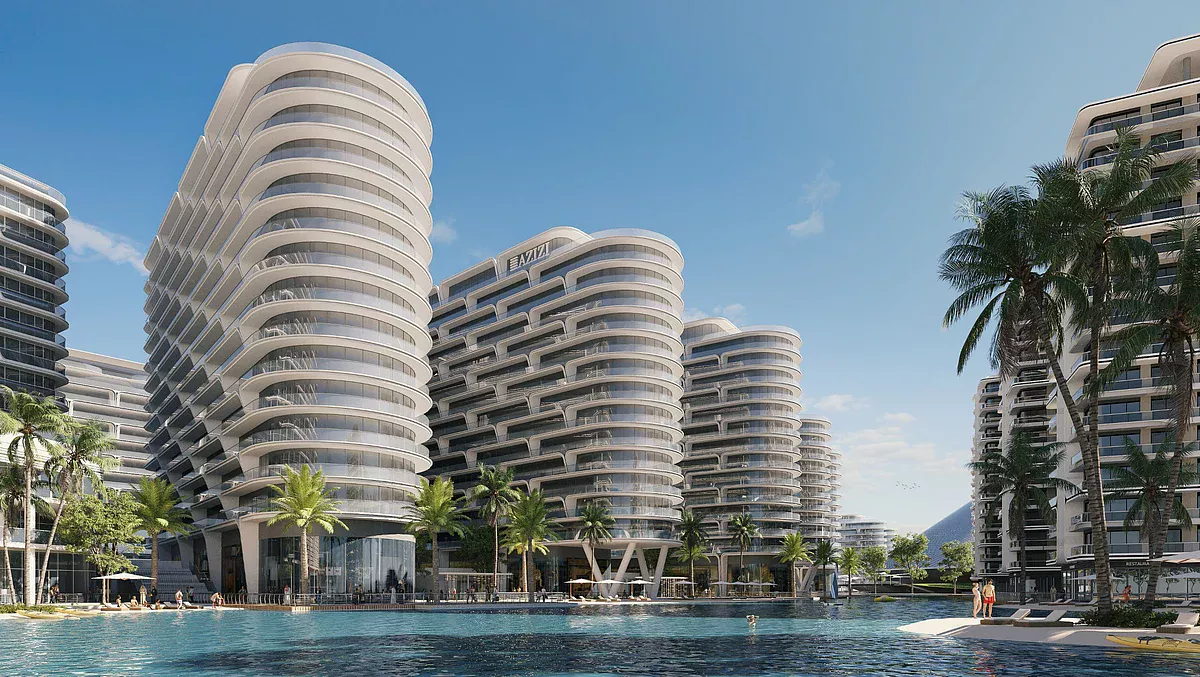
    The luxury property will rise within the Azizi Riviera community in Mohammed Bin Rashid City, representing the first project in a broader pipeline designed to support the emirate’s tourism ambitions.

    The programme, delivered through Azizi’s dedicated hospitality arm, includes 100 four-star hotels, 50 five-star hotels, and one seven-star property. More than 90% of the portfolio will be located in Dubai.

    Once completed, the developments are expected to add approximately 60,000 room keys to Dubai’s hospitality inventory while generating over 75,000 jobs across the sector. Several hotel projects are already progressing through design, development, and construction stages, with Azizi managing the programme through its in-house capabilities.

    “Dubai has consistently proven itself to be one of the world’s most stable, forward-looking and opportunity-rich destinations. The emirate’s leadership has built an environment that inspires confidence among investors and developers, enabling bold projects that contribute to its global standing,” said Mirwais Azizi, Founder and Chairman of Azizi Developments.

    One of the most prominent projects within the portfolio will be a seven-star hotel inside Burj Azizi, the developer’s planned landmark tower on Sheikh Zayed Road. The skyscraper is expected to become the world’s second tallest building once completed, introducing a new luxury hospitality destination in the city.

    Azizi emphasized that the investment reflects confidence in Dubai’s long-term economic trajectory and aligns with the vision of Sheikh Mohammed bin Rashid Al Maktoum. “Our Dh75 billion investment in hospitality reflects our long-term commitment to Dubai and our strong belief in its continued growth as a global tourism hub,” he stated.

    The developer is also planning to launch the Azizi Hospitality Academy, an institution designed to train hospitality professionals and provide internationally recognized programmes for the UAE’s expanding tourism workforce.

    The announcement comes as Dubai’s real estate and tourism sectors continue to demonstrate resilience. The emirate’s brokerage commissions surged 31% in 2025, while new regulatory frameworks, including mandatory building safety standards, aim to ensure sustainable growth across the sector.

  • Dubai Brokerage Commissions Surge 31% to $3.7 Billion in 2025

    Dubai Brokerage Commissions Surge 31% to $3.7 Billion in 2025

    The emirate’s brokerage industry has evolved from a transactional service into a major economic driver, supported by stringent regulatory frameworks and a growing base of professionally licensed agents operating across residential, commercial, and investment property segments.

    Dubai Land Department figures show broker-led transactions climbed 54% to 96,440 deals in 2025, demonstrating the sector’s central role in maintaining market efficiency as property values and transaction volumes continued their upward trajectory.

    Women Drive 83% Commission Growth

    Women brokers emerged as a major force within the sector, completing 28,909 transactions—a 49% increase—and earning AED2.98 billion in commissions, reflecting 83% growth year-on-year.

    By year-end 2025, women accounted for 11,371 of the 32,294 registered brokers in Dubai, underscoring the sector’s capacity to attract diverse talent within a competitive and equitable professional environment.

    The performance demonstrates the impact of inclusive licensing frameworks and professional development initiatives aimed at expanding participation across demographic segments.

    Broker Numbers Expand 38%

    The influx of new real estate brokers rose to 13,083 in 2025, representing a 38% increase from the previous year as the profession gained appeal amid sustained market momentum and attractive commission structures.

    Registered brokerage offices reached 9,785, operating under regulatory standards designed to balance market expansion with service quality and consumer protection.

    The emirate’s property market recorded AED60.60 billion in transactions during February 2026 alone, maintaining the momentum that has driven brokerage sector growth.

    Emirati Broker Development Programme

    Dubai Land Department has prioritized national talent development through initiatives including the Dubai Real Estate Brokers Programme and the Real Estate Brokers Incubator Programme, developed in partnership with Dubai Silicon Oasis and academic institutions.

    These programs support Emirati brokers in transitioning from individual practitioners to owners of integrated brokerage firms aligned with international best practices, with participants now managing transactions worth billions of dirhams.

    The structured approach reflects broader efforts to enhance local participation in the sector while maintaining professional standards that have contributed to market resilience amid regional challenges.

    Regulatory Framework Strengthens Market

    The sector’s expansion has occurred within a regulatory environment that mandates structured licensing requirements, ensuring professionalism and market discipline as transaction values increase.

    This framework has enhanced service quality and transaction efficiency, contributing to Dubai’s position as a transparent and professionally managed real estate market attracting international capital.

    The 2025 performance builds on long-term growth trends, with strategic capital now accounting for approximately 40% of transactions as the market transitions from speculation-led dynamics to structured capital allocation.