Tag: property investment

  • Dubai Holding Real Estate Launches Golden Visa Service at Sales Centres

    Dubai Holding Real Estate Launches Golden Visa Service at Sales Centres

    Dubai Holding Real Estate has integrated residency services into the property purchase journey at its Meraas and Nakheel sales centres, offering customers immediate support on Golden Visa eligibility, required documents, and application procedures at the same location where they select their homes.

    Applications will be processed by an approved visa services provider, while Nakheel and Meraas will provide guidance and support without directly issuing visas, according to Al Khaleej Arabic daily.

    The service covers key residency options available to property investors, including the UAE’s 10-year Golden Visa for eligible real estate investors who own one or more properties worth at least Dh2 million, subject to applicable conditions and approval by the relevant authorities.

    “By integrating the Golden Visa and investor residency process into the property ownership journey, we are empowering our customers with greater clarity and confidence as they choose their homes,” said Khalid Al Malik, Chief Executive Officer of Dubai Holding Real Estate.

    Dubai Holding Real Estate confirmed the initiative also applies to existing customers and is designed to provide clearer guidance, help sales teams and brokers follow a more consistent process, and improve the end-to-end ownership experience across the company’s portfolio.

    The initiative supports Dubai’s ambition to become a leading global destination for investors, residents and talent. It also aligns with the Dubai Real Estate Strategy 2033, which aims to raise home ownership to 33 per cent, double the real estate sector’s contribution to Dubai’s GDP to about Dh73 billion, and increase real estate transactions by 70 per cent.

    The streamlined service comes as Dubai’s property market continues to attract strong investor interest, with the emirate projected to attract over AED1 trillion in new real estate projects over the next five years, driven by foreign investment inflows and a steady pipeline of mega-developments.

    By reducing administrative friction and consolidating services, Dubai Holding Real Estate aims to make ownership across its portfolio simpler and more closely aligned with the long-term opportunities Dubai offers to international investors and residents.

  • Abu Dhabi Property Market Rebounds as Buyer Activity Recovers 95%

    Abu Dhabi Property Market Rebounds as Buyer Activity Recovers 95%

    New data from property portals Bayut and dubizzle shows a broad-based recovery in market activity during the first half of 2026, with property searches, buyer enquiries and agent engagement rebounding steadily across the emirate’s most sought-after residential communities.

    According to the platforms’ analysis of user activity between January and June, property views recovered to 95% of their 2026 baseline by Week 14, while property impressions reached 83%, active users climbed to 80% and unique buyers recovered to 87%. The figures point to a gradual return in buyer confidence despite geopolitical volatility that briefly weighed on regional markets.

    The recovery mirrors broader trends in Abu Dhabi’s real estate sector. Data from the Abu Dhabi Real Estate Centre (ADREC) shows the emirate has continued to attract domestic and international investors, supported by long-term residency initiatives, expanding freehold ownership opportunities, major infrastructure investments and a diversified non-oil economy.

    Daily agent responses have risen to 102% of the year’s baseline, indicating that real estate professionals have remained actively engaged with buyers and tenants throughout the recovery period.

    An artificial intelligence-led analysis of more than 7,000 property enquiry calls recorded through the platforms further underlined the market’s stability. Sales enquiries accounted for 54% of all calls, while rentals represented 46%, suggesting balanced demand across both segments.

    “Abu Dhabi’s property market has continued to demonstrate resilience, supported by improving user activity and sustained demand for quality residential communities,” said Haider Khan, CEO of Bayut and dubizzle and CEO of Dubizzle Group Mena.

    The rental market has shown particularly strong momentum. Apartment communities including Masdar City, Al Reef, Al Raha Beach, Yas Island, Al Khalidiyah and Al Reem Island have returned close to or above pre-disruption demand levels, reflecting continued interest in waterfront developments and well-connected residential districts.

    Demand for villa rentals has also strengthened, led by Al Shamkha, Mohamed Bin Zayed City, Khalifa City, Al Reef and Yas Island, attracting families seeking larger homes and access to schools, healthcare and lifestyle amenities.

    Among ready properties, apartments in Al Raha Beach, Yas Island, Saadiyat Island and Al Reem Island remained the preferred destinations for end-users and investors, while Al Shamkha, Al Reef and Khalifa City led demand for ready villas.

    Interest in Abu Dhabi’s off-plan market has also remained robust. Buyers continued to favour apartment projects in Masdar City, Zayed City, Yas Island, Al Reem Island, Al Maryah Island and Al Hudayriat Island, reflecting confidence in the emirate’s long-term urban development strategy. Premium villa destinations such as Ramhan Island, Yas Island and Saadiyat Island also attracted sustained investor attention.

    The market’s resilience comes as Abu Dhabi froze all rent increases in early June 2026, providing greater certainty for tenants and landlords. The emirate is also managing over 600 infrastructure projects worth more than Dh200 billion as part of its economic diversification strategy.

    According to global property consultancy Cavendish Maxwell, thousands of new residential units are scheduled for delivery over the next three years, but demand is expected to remain supported by population growth, expanding business activity and government-led economic diversification under Abu Dhabi’s Falcon Economy strategy.

    Analysts note that population growth and job creation continue to underpin demand for quality housing across both the ownership and rental markets, positioning the emirate’s residential sector for measured growth as it enters the second half of 2026.

  • Dubai Real Estate to Attract $272 Billion Over Next Five Years

    Dubai Real Estate to Attract $272 Billion Over Next Five Years

    W Capital Real Estate has projected that the total value of new projects launched or developed in Dubai will surpass AED1 trillion ($272.3 billion) over the next five years, reflecting sustained momentum across the emirate’s property sector.

    The outlook is underpinned by strong population growth, continued inflows of foreign investment, and a steady pipeline of mega-project announcements from leading developers, reinforcing Dubai’s position as one of the world’s most dynamic property investment hubs.

    New Phase of Urban and Investment Expansion

    Walid Al Zarooni, CEO of W Capital Real Estate, affirmed that Emaar’s AED200 billion development announcement clearly indicates that the market is moving toward a new phase of urban and investment expansion, reinforcing expectations of continued mega-project launches in the future.

    Al Zarooni said that the company’s estimates are based on projects announced by major real estate developers, project launch rates over the past years, and development plans linked to Dubai’s economic agenda and the emirate’s D33 population and urban growth targets, which support continued demand for various types of real estate assets.

    He noted that Dubai’s real estate market is witnessing a qualitative shift in the nature of projects offered. It is no longer limited to traditional residential complexes but now includes integrated cities, mixed-use projects, business centers, and community projects that rely on the latest sustainability concepts and smart infrastructure, reflecting the evolving needs of both investors and residents.

    Population Growth and Infrastructure Drive Demand

    The rapid population growth, along with Dubai’s ability to attract global talent, entrepreneurs, and investors, is a key driver of real estate demand across residential, commercial, and hospitality segments. This trend is giving developers greater clarity and confidence to expand and pursue long-term project development.

    Al Zarooni further highlighted that Dubai’s advanced regulatory framework, modern infrastructure, economic stability, and overall resilience have strengthened its status as one of the world’s most attractive real estate destinations, allowing it to continue drawing capital and long-term investment despite broader global economic and geopolitical uncertainty.

    Dubai is well-positioned to maintain its leadership in regional real estate growth, noting that the wave of recently announced mega-projects underscores strong confidence from both developers and investors in the emirate’s long-term outlook.

    He also pointed out that ongoing large-scale infrastructure developments, including enhancements to transport and service networks, are expected to further boost the real estate sector. These initiatives are set to unlock new urban districts and generate a wider range of investment opportunities in the years ahead.

    Al Zarooni concluded that these developments mark the start of a new phase of urban expansion, with expected projects set to exceed AED1 trillion in total value over the next five years.

    The projection comes as Dubai continues to demonstrate market resilience, with neighboring Sharjah recording strong property performance and Abu Dhabi approving major developments across the UAE.

  • UAE Property Market Launches 59 Projects Worth Dh118.3 Billion Since Conflict Began

    UAE Property Market Launches 59 Projects Worth Dh118.3 Billion Since Conflict Began

    Based on the latest data from Property Monitor, Matt Gregory, senior director of strategy at Bayut and dubizzle, confirmed the 59 projects represented more than 12,000 units across the UAE launched after the conflict escalated.

    “This continued launch activity reflects sustained developer confidence and the market’s ability to progress despite short-term uncertainty. The total estimated gross sales value (GSV) of all those units launched is Dh118.3 billion,” Gregory said.

    The regional military conflict involving the US, Israel and Iran escalated on February 28, 2026. Following the US-Israel attacks, Iran targeted the UAE and other Gulf countries with missiles and drones.

    The property sector, which was already undergoing a correction phase after a strong five-year rally, came under pressure due to the conflict. However, the market demonstrated resilience and has been recovering since the ceasefire.

    Market Recovery and Engagement Metrics

    According to Bayut and dubizzle Property data, active users rebounded to 85% of the 2026 baseline by day 58 of the conflict, while unique buyers returned to 87%. The recovery was even more pronounced across platform engagement metrics, with impressions reaching 92% of the 2026 baseline, views reaching 89%, and high-intent enquiries recovering to 80%.

    “Periods of uncertainty often reveal the true strength of a market. What we are seeing across our platforms is a measured and confident return of activity, supported by serious buyers, committed agents and increasingly data-led decision-making. The UAE real estate market continues to demonstrate maturity, with users actively engaging with trusted tools such as TruEstimate and Dubai Transactions to understand value, compare opportunities and make better-informed choices. This is exactly the kind of behaviour that supports long-term market stability,” Matt Gregory said.

    Dubai’s Strong Property Interest

    Dubai continued to witness strong property interest across both ready and off-plan segments. In ready sales, communities such as Jumeirah Village Circle, Business Bay, Downtown Dubai, Dubai Marina and Arjan were among the most searched apartment areas. For villas, Damac Hills 2, Dubai Hills Estate, Arabian Ranches 3, Arabian Ranches and Dubai South led buyer interest.

    For off-plan demand, areas such as Majan, Jumeirah Village Circle, Dubai South, Jumeirah Village Triangle and Business Bay stood out for apartments. Villa demand was led by The Oasis by Emaar, The Valley by Emaar, Damac Lagoons, Dubai South and Mohammed Bin Rashid City.

    Rather than seeing stress in specific communities, Bayut and dubizzle data indicated that established residential areas continued to attract strong interest, particularly those with proven lifestyle appeal, mature infrastructure and sustained end-user demand, Gregory said.

    Rental Market Remains Robust

    Data also showed that rental demand remained concentrated in established and emerging family and lifestyle communities. Jumeirah Village Circle, Arjan, Business Bay, Dubai Marina and Meydan ranked among the most popular apartment rental areas. For villas, Damac Hills 2, Dubai South, Mirdif, Arabian Ranches 3 and The Valley by Emaar were among the most searched rental communities.

    The latest findings point to a market that is not only recovering, but doing so with greater reliance on data, transparency and qualified engagement, nearly two months after the onset of the recent regional uncertainty. The data reinforces the underlying resilience of the UAE’s real estate market as new policy measures and infrastructure projects continue to support buyer confidence.

  • Dubai Removes Minimum Property Value for Residency Visas

    Dubai Removes Minimum Property Value for Residency Visas

    Dubai Land Department eliminated the minimum property value requirement for sole owners on April 30, 2026, removing the Dh750,000 threshold and relaxing conditions for jointly owned properties as the emirate opens its real estate market to a broader pool of investors and first-time buyers.

    The policy shift represents a significant departure from previous restrictions, effectively lowering the barrier to residency at the entry level while other global jurisdictions tighten their requirements.

    Industry Leaders Welcome the Move

    Francis Alfred, Managing Director of Sobha Realty, described the update as a forward-thinking approach that builds on Dubai’s investor-friendly reputation.

    “This latest progressive move by the Dubai Land Department builds on the forward-thinking, investor-friendly approach the emirate has long cultivated. The removal of a minimum property value threshold for homeowners is particularly significant as it opens the door for a wider pool of first-time buyers and investors. Such policies strengthen demand fundamentals and deepen market maturity,”

    Alfred told Khaleej Times.

    Firas Al Msaddi, CEO of fäm Properties, emphasized the strategic timing of the decision. “Dubai has just done what most global property markets won’t – lowering the barrier to residency at the entry level at a moment when other jurisdictions are tightening theirs,” he said.

    Al Msaddi noted that the policy sends a clear message: “Residency in Dubai is no longer reserved for those who can write a seven-figure cheque on day one. You can now plant your stake in this city with capital that matches your stage of life, and grow your position from there.”

    Impact on Market Segments

    Luthfullah K, Director at Casagrand Dubai, said the expanded eligibility will naturally stimulate demand in the entry and mid-market segments, where rental yields and long-term capital growth remain attractive. “Many buyers today are choosing Dubai not just as an investment destination, but also as a residency hub, and this policy further strengthens that appeal,” he added.

    Tauseef Khan, Founder and Chairman at Dugasta Properties, highlighted Dubai’s commitment to accessibility. “This update highlights Dubai’s dedication to making property ownership accessible and investor-friendly. The removal of the minimum property value requirement for sole owners and the introduction of practical conditions for jointly owned assets open the door for a wider range of buyers.”

    Annuj Goel, chairman of Golden Light Group, emphasized the structural change. “What changed today isn’t a number — it’s a barrier. By moving away from a fixed investment threshold and instead focusing on ownership structure, the UAE has made the market far more accessible,” Goel said, noting that the buyer pool widens overnight, especially in the mid-market segment where most genuine end-users sit.

    Broader Market Context

    The policy update comes as Dubai’s property market maintains strong momentum, with sales crossing Dh180 billion in Q1 2026 and luxury home prices jumping 25% in 2025.

    The removal of minimum thresholds aligns with Dubai’s broader strategy to attract global talent and maintain its position as a premier destination for long-term living and investment. Industry experts suggest the measures support a more balanced and resilient real estate ecosystem, driven by genuine ownership rather than short-term speculation.

    The policy strengthens the connection between ownership and residency, reinforcing one of Dubai’s biggest competitive advantages in the global property market.

  • Dubai Off-Plan Apartment Sales Rise 12.9% to $4.77 Billion in March

    Dubai Off-Plan Apartment Sales Rise 12.9% to $4.77 Billion in March

    Dubai’s real estate market demonstrated continued resilience in March 2026, with off-plan residential apartment sales reaching AED17.5 billion ($4.77 billion), up from AED15.5 billion in the same month last year, according to an analysis of Dubai Land Department (DLD) data released April 1, 2026.

    Transaction volumes increased 2.3% year-on-year to 7,983 off-plan residential apartment deals, compared to 7,801 transactions in March 2025, reflecting sustained investor confidence in Dubai’s under-construction residential segment.

    Dubai Islands Leads Off-Plan Sales

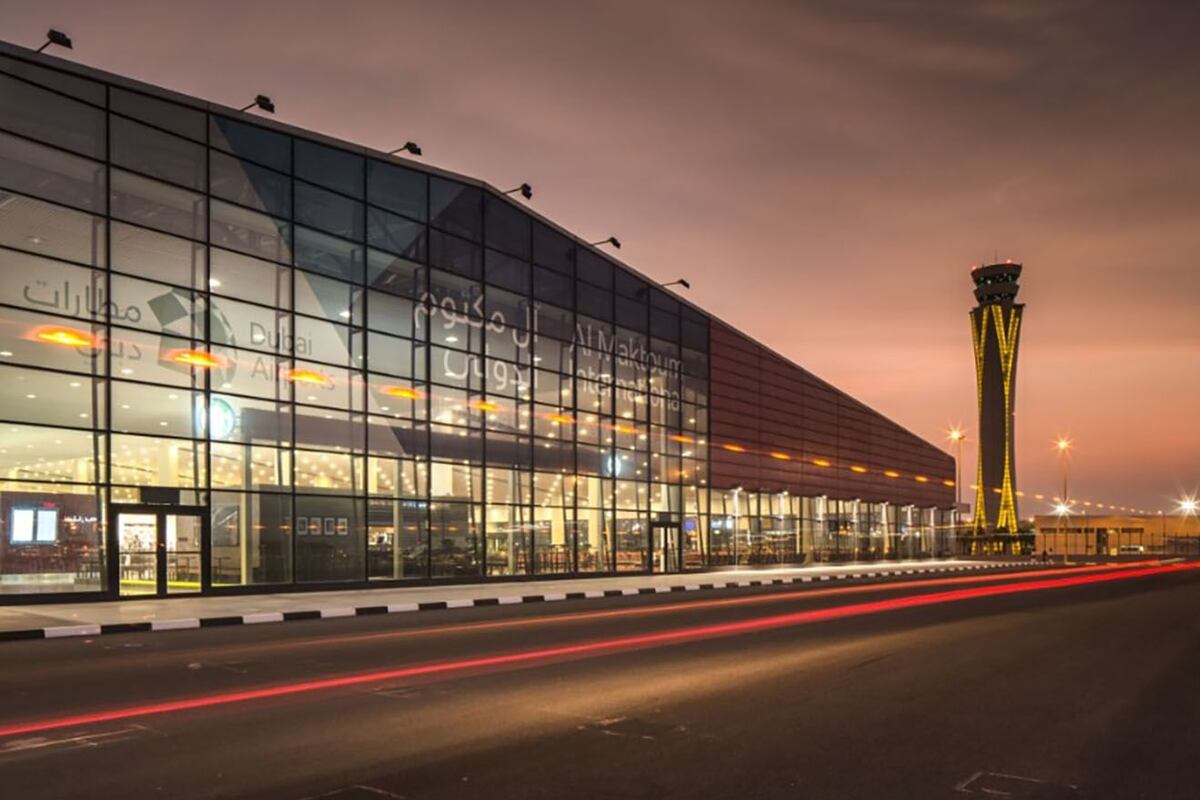
    Al Masdar Al Aqaari’s latest report revealed that Dubai Islands emerged as the top-performing area by sales value, generating AED1.3 billion from 402 transactions during March. Madinat Al Mataar, near Al Maktoum International Airport, ranked second with AED1.2 billion across 809 off-plan residential apartment transactions while also leading in transaction volume.

    Jumeirah Second secured third place with AED1.1 billion in total sales, driven by just nine high-value transactions within the Dubai Peninsula master development, including Aman Residences Dubai and Peninsula Dubai Residences – Tower 2.

    By transaction volume, Madinat Al Mataar led with 809 deals, followed by Dubai Land Residence Complex with 651 transactions worth AED618.9 million, and Jumeirah Village Circle (JVC), which recorded 570 transactions totaling AED660.6 million.

    Luxury Segment Posts Record Transactions

    Dubai’s luxury real estate segment recorded several landmark deals in March, with Aman Residences Dubai completing the third most expensive off-plan apartment sale in Dubai’s history. The transaction, valued at AED422 million, involved a 31,201-square-foot off-plan residential apartment sold at AED13,525 per square foot. The project also recorded another high-value deal, with a similar-sized unit selling for AED356.2 million at AED11,417 per square foot.

    The highest price per square foot during the month was recorded at South Square, Madinat Al Mataar, where a 1,230-square-foot off-plan residential apartment sold for AED19.9 million, equating to AED16,180 per square foot.

    The second-highest rate was at Aman Residences Dubai, where a 3,824-square-foot off-plan residential apartment sold for more than AED55.6 million at AED14,545 per square foot.

    Market Context

    The strong March performance comes as Dubai’s property market shows resilience amid ongoing regional tensions. Industry analysts note that the off-plan segment continues to attract both local and international investors, with move-in-ready properties and under-construction units both seeing strong demand.

    The data reinforces Dubai’s position as a leading real estate investment destination, with developers continuing to launch new projects and buyers maintaining confidence in the emirate’s long-term growth trajectory. As S&P Global Ratings recently noted, strong developer fundamentals and substantial revenue backlogs continue to support market stability.

  • Sharjah Property Market Hits Dh2.3 Billion in First Half of March

    Sharjah Property Market Hits Dh2.3 Billion in First Half of March

    Abdulaziz Rashid Al Saleh, Director of the Sharjah Real Estate Registration Department, confirmed on March 17, 2026, that the emirate’s property market recorded Dh2.3 billion ($626.3 million) in total transactions across 3,556 deals during the first half of March.

    Al Saleh emphasized that the figures demonstrate the robustness and resilience of Sharjah’s real estate sector, driven by rising interest from capital allocators. He noted that the department continues to deliver services through digital platforms and an extensive network of branches across the emirate.

    “The data demonstrates the robustness and steadfastness of the property sector in Sharjah, propelled by rising interest from capital allocators,” Al Saleh stated.

    The director attributed the sustained market activity to the consistent legal framework established by the emirate under the strategic vision of His Highness Sheikh Dr. Sultan bin Mohammed Al Qasimi, Supreme Council Member and Ruler of Sharjah, and the oversight of His Highness Sheikh Sultan bin Mohammed bin Sultan Al Qasimi, Crown Prince and Deputy Ruler of Sharjah.

    Sharjah’s real estate performance in early March reflects broader momentum across the UAE property sector. While Dubai recorded Dh3.8 billion in transactions on a single day earlier this week, neighboring emirates continue to demonstrate sustained investor confidence despite regional dynamics.

    The emirate’s property market has consistently posted strong growth over recent quarters, with institutional and retail investors maintaining active participation in both off-plan and secondary market segments. The Sharjah Real Estate Registration Department has facilitated this activity through ongoing digitalization of registration processes and enhanced service accessibility.

    Market analysts note that Sharjah’s relative affordability compared to Dubai, combined with expanding infrastructure and strengthened regulatory frameworks across the UAE, continues to support sustained transaction volumes as investors seek diversified exposure within the Gulf’s property markets.

  • Abu Dhabi Residential Market Enters 2026 with Strong Fundamentals

    The market is expected to remain resilient throughout 2026, with sales prices and rental rates likely to record further increases in the near term, although the pace of growth will vary across communities as new supply gradually enters the market.

    Record-Breaking 2025 Performance

    In 2025, Abu Dhabi’s residential real estate market delivered a record-breaking performance, with total transaction volumes reaching approximately 22,400 deals—up 55% year-on-year—while total sales value climbed to AED73.2 billion. This performance was driven by robust end-user demand, sustained investor activity, and a wave of new project launches that kept the off-plan segment at the center of market activity.

    Apartments dominated the market, accounting for 66.1% of transactions, while villas and townhouses also recorded strong growth, supported by demand from families and high-net-worth individuals seeking larger living spaces.

    Off-Plan Segment Leads Market Activity

    The off-plan segment continued to lead market activity, accounting for 71% of total transactions, supported by flexible payment plans, competitive developer incentives, and strategic launches across key districts. Meanwhile, ready market activity also remained resilient, supported by population growth, rising rental costs, and a growing shift among tenants toward homeownership.

    On the supply side, residential stock continued to expand steadily, with approximately 7,400 units completed in 2025, bringing total supply to around 315,000 units. While approximately 15,900 units are projected for completion in 2026, recent handover trends suggest actual deliveries are likely to be lower, in the range of 6,500-9,000 units. This measured pace of supply delivery is expected to support pricing momentum and help prevent near-term market imbalances.

    Sustained Price Growth Across All Segments

    Apartment sales prices in Abu Dhabi continued their upward trajectory in 2025, rising 15.1% year-on-year, accelerating from the 10.9% growth recorded in 2024. This strong price performance was driven by a broadening buyer base, as owner-occupiers sought affordable homeownership amid rising rental costs and investors were attracted by strong rental yields and capital appreciation potential.

    Villa sales prices grew 12.2% year-on-year in 2025, slightly accelerating from 11.6% in 2024, driven by a combination of end-user and investor demand. This trend has been shaped largely by the post-pandemic shift in lifestyle priorities, with buyers increasingly seeking larger living spaces, community-focused environments, and access to outdoor areas.

    Rental growth also remained robust, with apartment rents rising 12.5% and villa rents increasing 5.5%. Elevated rental levels have further reinforced sales demand, as tenants increasingly viewed homeownership as a more cost-effective long-term option.

    Structural Demand Drivers Remain in Place

    Looking forward, transaction activity is expected to remain elevated in 2026, with the off-plan segment continuing to lead the market. Several structural factors are expected to support robust housing demand beyond 2026, including population growth, continued talent inflows, business-friendly visa policies, and expanding employment across various sectors.

    Long-term residency initiatives, including the Golden Visa program, are also expected to broaden the buyer base by attracting high-net-worth individuals and professionals seeking stable, long-term ties to the emirate.

    Taking these factors into account, Abu Dhabi’s residential market is expected to enter 2026 from a position of strength. Supply discipline, strong investor confidence, and a supportive macroeconomic backdrop support market resilience and help mitigate external shocks. While potential risks should continue to be monitored, the likelihood of a broad market correction remains relatively low, supporting the outlook for sustainable growth throughout the year.

    The Abu Dhabi market’s performance mirrors broader trends across the UAE, where expatriates now drive 62% of home sales and the UAE real estate sector concluded 2025 with exceptional growth led by Abu Dhabi’s record-breaking performance.

  • Dubai Property Market Has Nothing to Fear, Says Emaar Founder

    Dubai Property Market Has Nothing to Fear, Says Emaar Founder

    The UAE’s real estate sector continues to demonstrate exceptional confidence amid geopolitical uncertainty, according to one of its most prominent figures. Mohamed Alabbar, CEO and founder of Emaar Properties, one of the world’s largest real estate developers, expressed absolute certainty that Dubai’s property market will weather both regional tensions and the wave of new supply expected in 2026 and 2027.

    “We are not here for the short run. We are here for a long, long time to do business,” Alabbar said in a recent interview with CNBC. He characterized the incoming supply as a natural feature of a market built on decade-long ambitions rather than short-term speculation. While acknowledging that a brief cooling-off period is possible, he dismissed concerns about structural problems ahead.

    Market Sentiment Remains Firm

    To illustrate current confidence levels, Alabbar shared a telling anecdote from his personal property search. Currently looking for a seafront apartment for his own use, he noted that after two days of viewing, not a single seller was willing to negotiate on price.

    “Nobody wants to budge. Nobody wants to give a discount. That’s a true situation.”

    The observation serves as a quiet but powerful signal of where sentiment stands on the ground, reflecting sustained demand despite external pressures.

    Structural Resilience Built on Prudent Lending

    Alabbar highlighted a fundamental characteristic that distinguishes Dubai from other global property markets: its real estate sector is not built on bank borrowing. Lending to buyers remains tightly restricted, insulating the market from credit-driven collapses seen elsewhere during financial crises.

    “Our real estate business is not built on bank borrowing. Bank borrowing is very restricted in this market,” he explained, adding that while consumer confidence may experience temporary dips, the UAE’s policy environment has a proven track record of restoring it quickly.

    This assessment aligns with recent market performance. Dubai real estate continues processing deals exceeding $100 million, with developers reporting uninterrupted operations despite some buyers adopting a cautious stance.

    Long-Term Capital Recognizes Stability

    On the broader question of geopolitical uncertainty and Dubai’s reputation as a refuge for global wealth, Alabbar expressed unwavering confidence. He argued that investors who study the trajectory of UAE policy over years and decades will consistently find the same qualities: consistency, sustainability, wisdom, and stability.

    “A country like this, with all these principles and stable leadership and the safety, it has shown that it can deliver,” he stated.

    Alabbar reserved particular admiration for the UAE’s leadership and its capacity for long-range strategic planning. While acknowledging he is not versed in military affairs, he said he was genuinely moved by the country’s demonstrated capabilities during recent tensions.

    “People with true capital understand this, they appreciate this, and they will double down on investing.”

    The sentiment echoes statements made earlier this week, when Alabbar noted that recent attacks have ultimately reinforced confidence in the country’s stability, pointing to decades of consistent policy and institutional strength.

    Market Context and Performance

    Alabbar’s confidence comes as Dubai’s property sector maintains strong fundamentals. The emirate’s real estate market recorded 874 transactions worth AED2.46 billion on March 2, 2026, demonstrating sustained investor confidence as economic fundamentals continue to outweigh short-term geopolitical sentiment.

    The debt-free structure of Dubai’s real estate market, combined with prudent lending restrictions and long-term government planning, positions the emirate to absorb new supply without the leverage-driven volatility that has characterized property cycles in other global cities. As regional tensions persist, Dubai’s market continues to attract capital seeking stability, transparency, and proven governance frameworks.

  • Dubai Real Estate Defies Regional Tensions with $100M Deals

    Dubai Real Estate Defies Regional Tensions with $100M Deals

    The UAE property market is operating normally despite heightened geopolitical tensions, with real estate activity continuing across the country and developers maintaining scheduled project launches.

    A $100 million-plus property transaction was recorded in Dubai this week, demonstrating sustained investor appetite even as some international buyers pause purchase decisions to monitor regional developments.

    Broker Ben Crompton confirmed that transactions already underway are progressing as planned.

    Buyers who already signed MOUs are proceeding as normal, and some deals are still being negotiated. Most buyers are in a ‘wait-and-see’ mode as you can imagine.

    He noted that property prices typically decline only during periods of forced selling triggered by widespread job losses or sharp interest rate increases—conditions that have not materialized in the UAE.

    International Investors Monitor Closely

    International investors, who represent a significant share of UAE property buyers, are watching the situation more closely than long-term residents, according to market participants.

    A second broker, speaking anonymously, said a major project scheduled to launch next week is proceeding as planned.

    They are not postponing launches because of the current situation.

    The broker emphasized that Abu Dhabi’s market is anchored by families with deep roots in the emirate.

    A large proportion of residents here are families who have been in the UAE for many years. They consider this their home and they are planning long-term—with schools, jobs and their families here—so they still want to buy property.

    However, some foreign buyers from the UK, US, and Germany have become more cautious, the broker noted.

    Opportunity for Strategic Investors

    Market professionals indicated that short-term uncertainty can create opportunities for cash investors. When sellers exit quickly and reduce prices, those units tend to be acquired rapidly by investors with available liquidity.

    The broker cited examples of properties valued at Dh1.3 million being negotiated at Dh1 million for quick transactions, with investors planning to hold until market conditions stabilize.

    Real estate is a slow and stable market. It doesn’t react like the stock market where prices can suddenly fall by 10 per cent in a day. For significant price changes to happen, a large number of people would need to move in the same direction. Right now, the majority still believe in the UAE and its government, so the market remains stable.

    Developers Emphasize Continuity

    On March 6, 2026, Emaar Properties confirmed normal operations across all assets. Earlier, Aldar Properties stated that all its residential communities, retail destinations, commercial offices, hotels, schools, and development sites continue to operate without interruption.

    Aldar highlighted its strong financial position with more than Dh30 billion in available liquidity, including Dh14.2 billion in free cash and Dh16.4 billion in undrawn bank facilities.

    Developers have not adjusted launch pricing, but some are offering more flexible payment plans—such as 35-65 or 40-60 structures instead of 50-50—to reduce upfront costs and maintain investor confidence.

    Economic Fundamentals Remain Robust

    Crompton emphasized that broader economic conditions supporting the property market remain strong.

    The economic fundamentals are very strong. Capital hates uncertainty more than anything. The sooner there is long-term clarity, the sooner investors will feel comfortable committing again.

    The UAE real estate sector has been supported by strong population growth, international investment, and economic expansion. Dubai’s population has surpassed four million, driving unprecedented housing demand as the emirate’s property market recorded nearly Dh900 billion in transactions during 2025.

    Industry professionals point to continued long-term demand across key residential hubs including Reem Island, Yas Island, and Saadiyat Island, where new infrastructure and lifestyle developments are expected to support property values over time.

    The broker concluded:

    There is still strong belief in the long-term prospects of the market. Real estate in the UAE has historically moved upward over the long term, even if there are short-term fluctuations.