Tag: Abu Dhabi Real Estate

  • UAE Real Estate Market Projected to Reach $811.4 Billion by 2031

    UAE Real Estate Market Projected to Reach $811.4 Billion by 2031

    The UAE’s property sector is entering a new phase of expansion as developers and investors increasingly integrate cutting-edge technology into planning, design and sales processes. The market’s trajectory toward the projected $811.4 billion valuation reflects the nation’s strengthening position as a premier global destination for real estate investment and architectural innovation.

    According to Statista Market Insights, the market’s growth will be supported by continued population expansion, rising foreign direct investment, and the UAE’s increasing appeal as a global hub for business, talent and long-term residency. Residential, commercial and mixed-use developments are expected to drive long-term sectoral performance.

    Tech Adoption Reshapes Project Delivery

    As developments become larger and more complex, stakeholders are adopting advanced technologies to improve planning accuracy and reduce project risks before construction begins. Full-scale architectural projection displays, virtual reality and augmented reality are increasingly used to enable developers, architects and investors to review projects at 1:1 scale during the planning phase.

    Life Size Plans Dubai, an Australian company specializing in immersive visualization technologies, has been operating in the UAE since 2023. The firm supports developers by providing full-scale engineering plan projections that allow stakeholders to assess projects before breaking ground.

    “The positive expectations for the growth of the real estate market in the UAE reflect the country’s ability to attract investors and residents from all over the world, thanks to its ambitious vision, world-class infrastructure and supportive business environment,” said Georges Kallas, CEO of Life Size Plans Dubai.

    Kallas noted that demand for immersive technologies such as VR and AR is rising alongside market expansion, as these tools improve planning, accelerate decision-making and enhance buyer engagement throughout the development cycle.

    Market Context and Regional Growth

    The projection comes as Dubai recorded its second-highest half-year sales performance in history during the first half of 2026, with transactions exceeding AED286 billion ($77.88 billion). The capital has also seen significant momentum, with Abu Dhabi introducing its first off-plan home financing solution in partnership between Modon and Abu Dhabi Islamic Bank.

    The continued implementation of major development strategies and investment initiatives is expected to increase demand for innovative planning and visualization solutions across the UAE property sector. Advanced technologies are helping developers manage increasingly complex projects while improving transparency, operational efficiency and investor confidence.

    As the market expands toward the AED2.98 trillion valuation, innovation is expected to play a growing role in supporting sustainable growth. By integrating digital precision with ambitious architecture, the UAE is de-risking major capital investments and strengthening its standing as a globally competitive real estate powerhouse aligned with the needs of future residents and international investors.

  • Modon and ADIB Launch Abu Dhabi’s First Off-Plan Home Financing

    Modon and ADIB Launch Abu Dhabi’s First Off-Plan Home Financing

    For the first time in Abu Dhabi, homebuyers can secure financing for properties before construction is complete. The partnership between Modon Holding and ADIB creates a structured framework where customers pay 15 percent during construction and 5 to 10 percent upon handover, while the bank finances up to 75 percent of the property’s value for eligible buyers.

    “Abu Dhabi continues to strengthen its position as one of the world’s most attractive destinations for investment and long-term growth, creating high demand for new real estate launches,” said Bill O’Regan, Group Chief Executive Officer of Modon Holding. “Modon’s off-plan financing solution with ADIB will give more buyers access to these opportunities, reflecting the market’s ongoing transformation and supporting broader efforts to enhance global competitiveness.”

    The financing solution applies exclusively to future Modon developments and provides funding throughout the property development journey, from off-plan purchase through construction to handover. This approach addresses a gap in Abu Dhabi’s market that has traditionally required buyers to arrange financing closer to completion.

    Mohamed Abdelbary, Group Chief Executive Officer of Abu Dhabi Islamic Bank, emphasized the innovation: “Through our partnership with Modon, ADIB is introducing a first-of-its-kind offering in Abu Dhabi that transforms the home-buying experience by providing financing throughout the property development journey.”

    The initiative aligns with Abu Dhabi’s broader real estate expansion, which has seen significant infrastructure investment and development activity. Abu Dhabi’s Dh55 billion PPP pipeline and Dh200 billion infrastructure portfolio underscore the emirate’s commitment to long-term growth and urban development.

    Ibrahim Al Maghribi, CEO of Modon Real Estate, described the partnership as “a significant step forward in redefining off-plan home financing” that “unlocks easier access to Modon’s future developments” and “expands opportunities for eligible buyers.”

    The move comes as Abu Dhabi emerges as an off-plan hotspot, with the capital accounting for nearly 70 percent of off-plan transactions in some developer portfolios during 2026, signaling growing investor confidence in the emirate’s property market.

    The financing structure mirrors models that have proven successful in Dubai’s mature off-plan market, where developers and banks have collaborated on payment plans that reduce upfront capital requirements for buyers while maintaining project funding security for developers.

    By introducing institutional financing at the off-plan stage, the partnership is expected to attract a broader range of buyers, including families and professionals who meet ADIB’s eligibility criteria but may not have had sufficient liquidity to participate in traditional off-plan payment structures.

  • Abu Dhabi Property Market Rebounds as Buyer Activity Recovers 95%

    Abu Dhabi Property Market Rebounds as Buyer Activity Recovers 95%

    Based on in-house analysis of Abu Dhabi property activity between January and June 2026, Bayut and dubizzle recorded clear performance metrics across key demand indicators by Week 14. Property views recovered to 95% of the 2026 baseline, while impressions recovered to 83%, active users to 80%, and unique buyers to 87%, pointing to a gradual but consistent return to normalcy in search and inquiry behavior.

    “Abu Dhabi’s property market has continued to demonstrate resilience, supported by strong fundamentals, improving user activity and a clear appetite for quality residential communities,” said Haider Khan, CEO of Bayut and dubizzle and CEO of Dubizzle Group MENA.

    Agent Activity Remains Highly Resilient

    The latest data shows that agent activity across Abu Dhabi’s real estate market has remained highly resilient. Daily agent responses across Bayut and dubizzle in Abu Dhabi now stand at 102% of the 2026 baseline, suggesting that real estate professionals across the emirate have continued to actively engage with property seekers to match market momentum.

    Bayut and dubizzle’s AI-led analysis of more than 7,000 property inquiry calls recorded through their platforms in Abu Dhabi further highlights the strength of underlying demand. The analysis showed that the split between sales and rental inquiries remained stable, with sales accounting for 54% of calls and rentals 46%.

    “The market is benefiting from a more structured and transparent regulatory environment. ADREC’s continued focus on strengthening the sector, along with measures such as the recent rent freeze announcement, gives tenants, landlords and real estate professionals greater clarity when making decisions,” added Khan.

    Emerging Residential Hubs Attract Strong Tenant Interest

    Bayut and dubizzle’s area-level analysis points to notable recovery in several popular rental communities across Abu Dhabi’s real estate market, with several apartment areas moving above baseline levels of user activity.

    For rental apartments, communities such as Masdar City, Al Reef, Al Raha Beach, Yas Island, Al Khalidiyah and Al Reem Island have recorded a strong recovery in views, with many of these areas now returning to pre-conflict levels of demand. This suggests that established apartment communities, waterfront destinations and emerging residential hubs continue to attract strong interest from tenants.

    Villa rental communities also recorded significant recovery in user activity, with several areas moving well above baseline levels. Al Shamkha saw particularly strong traction, while Mohamed Bin Zayed City, Al Reef, Khalifa City and Yas Island also remained among the most active villa rental communities.

    Sales Activity Reflects Demand Across Ready and Off-Plan Segments

    Within the ready sales segment of Abu Dhabi’s real estate market, apartment communities such as Al Raha Beach, Yas Island, Saadiyat Island and Al Reem Island continued to show steady user interest. These communities remain relevant for buyers exploring established waterfront, island and urban residential options in Abu Dhabi.

    For ready-sale villas, Al Shamkha recorded particularly strong recovery across both impressions and views, moving above baseline levels. Al Reef and Khalifa City also remained key areas of interest, with recovery broadly ranging from the 80% to 130% band across user activity indicators.

    Off-plan activity also showed continued interest in Abu Dhabi’s emerging and lifestyle-led communities. For off-plan apartments, Masdar City recorded a strong recovery, while Zayed City, Yas Island, Al Reem Island, Al Maryah Island and Al Hudayriat Island continued to attract attention from users exploring future-ready residential options.

    In the off-plan villa segment, Ramhan Island, Yas Island and Saadiyat Island remained among the notable areas for user interest. These figures indicate that premium island communities and master-planned destinations continue to remain relevant for buyers considering long-term residential and investment opportunities.

    The emirate’s property rebound follows Abu Dhabi’s temporary rent freeze announced earlier this month, a move aimed at stabilizing housing costs amid double-digit rent growth in some segments. The recovery also aligns with broader market momentum across the UAE, where Dubai’s real estate launches hit a record $75 billion in the first half of 2026.

  • Abu Dhabi Emerges as Off-Plan Hotspot with Investor Demand Remaining Robust

    Abu Dhabi Emerges as Off-Plan Hotspot with Investor Demand Remaining Robust

    The UAE’s off-plan property market continues to defy expectations, with investor demand remaining robust despite months of geopolitical uncertainty that many analysts had feared would slow long-term real estate commitments.

    Instead of retreating from projects that may take years to complete, investors are increasingly embracing off-plan developments, attracted by lower entry prices, flexible payment plans and the prospect of substantial capital appreciation.

    According to property advisory firm Equity, investor confidence in the UAE’s long-term growth story remains largely intact, with off-plan projects continuing to attract both regional and international buyers.

    What is particularly noteworthy is the growing shift in investor interest towards Abu Dhabi. While Dubai remains the dominant force in the UAE property market, Abu Dhabi accounted for nearly 70% of off-plan transactions within Equity’s portfolio this year, signaling a significant rebalancing of investor activity towards the capital.

    The trend reflects Abu Dhabi’s rapidly evolving real estate landscape, underpinned by major infrastructure investments, regulatory reforms and the expansion of large-scale master-planned communities.

    Industry observers say investors are increasingly seeking opportunities beyond traditional hotspots as the UAE’s property market enters a more mature phase. Rather than focusing solely on short-term gains, many buyers are targeting projects that offer strong long-term value and exposure to future growth corridors.

    Investor confidence in the UAE real estate market remains incredibly strong. Off-plan developments continue to be a key driver of long-term wealth creation, and the rising demand we’re seeing in Abu Dhabi reflects a clear shift toward high-growth opportunities and future-focused investment.

    Emrah Yar, founder and chief executive officer of Equity, said on June 25, 2026.

    The resilience of the off-plan market comes at a time when the UAE property sector continues to post record-breaking numbers. Dubai recorded property transactions worth more than Dh760 billion in 2025, while Abu Dhabi’s real estate market has also witnessed strong growth driven by rising demand from local and overseas investors.

    Market experts attribute the strength of the off-plan segment to several factors. Developers have become increasingly sophisticated in structuring payment plans, offering extended post-handover options and reducing upfront financial commitments. Such incentives have broadened the investor base and improved affordability, particularly among first-time buyers and overseas investors.

    At the same time, the UAE’s growing population, expanding economy and pro-investment policies continue to underpin long-term housing demand. Golden Visa programmes, business-friendly regulations and sustained economic diversification have enhanced the country’s appeal as a destination for global capital.

    Abu Dhabi’s emergence as an off-plan powerhouse is also being driven by major developments on Yas Island, Saadiyat Island, Al Reem Island and other strategic locations, where new residential communities are being launched to cater to rising demand from both investors and end-users.

    The capital’s increasingly transparent regulatory environment, combined with strong government backing and substantial investment in infrastructure, is further strengthening investor confidence.

    Analysts note that the shift towards Abu Dhabi does not signal a weakening of Dubai’s market. Rather, it highlights the growing depth and geographical diversification of the UAE’s real estate sector. Investors are no longer concentrating exclusively on one emirate but are increasingly viewing the country as a multi-market investment destination offering varied risk-return opportunities.

    As market conditions evolve, the continued strength of off-plan sales suggests investors remain confident in the UAE’s long-term economic prospects. Far from slowing down, the country’s property market appears to be entering a new phase of expansion—one characterised by broader geographic participation, deeper investor sophistication and growing confidence in future growth.

  • Abu Dhabi Property Market Rebounds as Buyer Activity Recovers 95%

    Abu Dhabi Property Market Rebounds as Buyer Activity Recovers 95%

    New data from property portals Bayut and dubizzle shows a broad-based recovery in market activity during the first half of 2026, with property searches, buyer enquiries and agent engagement rebounding steadily across the emirate’s most sought-after residential communities.

    According to the platforms’ analysis of user activity between January and June, property views recovered to 95% of their 2026 baseline by Week 14, while property impressions reached 83%, active users climbed to 80% and unique buyers recovered to 87%. The figures point to a gradual return in buyer confidence despite geopolitical volatility that briefly weighed on regional markets.

    The recovery mirrors broader trends in Abu Dhabi’s real estate sector. Data from the Abu Dhabi Real Estate Centre (ADREC) shows the emirate has continued to attract domestic and international investors, supported by long-term residency initiatives, expanding freehold ownership opportunities, major infrastructure investments and a diversified non-oil economy.

    Daily agent responses have risen to 102% of the year’s baseline, indicating that real estate professionals have remained actively engaged with buyers and tenants throughout the recovery period.

    An artificial intelligence-led analysis of more than 7,000 property enquiry calls recorded through the platforms further underlined the market’s stability. Sales enquiries accounted for 54% of all calls, while rentals represented 46%, suggesting balanced demand across both segments.

    “Abu Dhabi’s property market has continued to demonstrate resilience, supported by improving user activity and sustained demand for quality residential communities,” said Haider Khan, CEO of Bayut and dubizzle and CEO of Dubizzle Group Mena.

    The rental market has shown particularly strong momentum. Apartment communities including Masdar City, Al Reef, Al Raha Beach, Yas Island, Al Khalidiyah and Al Reem Island have returned close to or above pre-disruption demand levels, reflecting continued interest in waterfront developments and well-connected residential districts.

    Demand for villa rentals has also strengthened, led by Al Shamkha, Mohamed Bin Zayed City, Khalifa City, Al Reef and Yas Island, attracting families seeking larger homes and access to schools, healthcare and lifestyle amenities.

    Among ready properties, apartments in Al Raha Beach, Yas Island, Saadiyat Island and Al Reem Island remained the preferred destinations for end-users and investors, while Al Shamkha, Al Reef and Khalifa City led demand for ready villas.

    Interest in Abu Dhabi’s off-plan market has also remained robust. Buyers continued to favour apartment projects in Masdar City, Zayed City, Yas Island, Al Reem Island, Al Maryah Island and Al Hudayriat Island, reflecting confidence in the emirate’s long-term urban development strategy. Premium villa destinations such as Ramhan Island, Yas Island and Saadiyat Island also attracted sustained investor attention.

    The market’s resilience comes as Abu Dhabi froze all rent increases in early June 2026, providing greater certainty for tenants and landlords. The emirate is also managing over 600 infrastructure projects worth more than Dh200 billion as part of its economic diversification strategy.

    According to global property consultancy Cavendish Maxwell, thousands of new residential units are scheduled for delivery over the next three years, but demand is expected to remain supported by population growth, expanding business activity and government-led economic diversification under Abu Dhabi’s Falcon Economy strategy.

    Analysts note that population growth and job creation continue to underpin demand for quality housing across both the ownership and rental markets, positioning the emirate’s residential sector for measured growth as it enters the second half of 2026.

  • UAE Leads Global Property Investment Rankings with 56% Investor Interest

    UAE Leads Global Property Investment Rankings with 56% Investor Interest

    The survey, which polled international investors across multiple regions, reveals that 51% of respondents are fully aware of investment opportunities available in the UAE market, signaling both interest and informed decision-making among global capital allocators.

    Lieutenant General Sheikh Saif bin Zayed Al Nahyan, Deputy Prime Minister and Minister of Interior, emphasized that the country’s leadership had made stability a strategy, security a guarantee, legislation a cornerstone, and opportunity an extension of a vision that shapes the future.

    “Investors do not come to the UAE to merely invest. They come to a country where capital feels secure, and where vision precedes returns,”

    Lt. Gen Sheikh Saif said in response to the findings.

    Regional investor confidence in the UAE remains particularly strong. Among those who ranked the UAE among their top three investment destinations, 92% of Egyptian investors, 91% of Indian investors, and 85% of Saudi investors selected the country as a preferred market.

    European interest is equally notable: 63% of French investors, 60% of German investors, and 57% of Swiss investors identified the UAE as their leading investment destination.

    The US-based Penta Group survey cited legislative transparency, political stability, a strong regulatory framework, ease of property ownership, security and stability, and the prospect of attractive returns as the primary factors driving the UAE’s global appeal.

    The findings align with broader market trends observed throughout 2026. The UAE surpassed the U.S. and U.K. in global property investment rankings earlier this year, reflecting sustained momentum in the sector.

    Both Dubai and Abu Dhabi markets have demonstrated resilience despite regional uncertainties, with transaction volumes and property values maintaining upward trajectories across residential, commercial, and off-plan segments.

    The survey results underscore the UAE’s transition from a regional hub to a globally recognized safe haven for real estate capital, supported by regulatory reforms, investor-friendly policies, and long-term economic diversification strategies that continue to attract institutional and individual investors worldwide.

  • Four Factors Driving Abu Dhabi’s Property Boom in 2026

    Four Factors Driving Abu Dhabi’s Property Boom in 2026

    Abu Dhabi has emerged as one of the UAE’s most attractive real estate destinations for both end-users and investors in 2026, underpinned by robust national frameworks, regulatory transparency, and strategic infrastructure investments, according to a comprehensive report by Object 1.

    The report identified four key factors shaping the next phase of the emirate’s property expansion as the capital prepares for a population exceeding six million residents by 2040.

    Government-Backed Vision Anchors Long-Term Confidence

    The first and most significant driver remains government support and strategic direction. Abu Dhabi Economic Vision 2030 continues to serve as the emirate’s long-term roadmap, guiding sustainable urban expansion, infrastructure development, and enhanced connectivity while reducing reliance on oil revenues.

    “The strategy continues to guide sustainable urban expansion, infrastructure development, and enhanced connectivity across the emirate, providing a strong foundation for resilient growth,” the report stated.

    Strategic Location Connects Global Markets

    The emirate’s strategic geographic position emerged as the second major growth catalyst. Positioned at the crossroads of Europe, Asia, and Africa, Abu Dhabi provides access to a significant share of the world’s population within an eight-hour flight radius, supported by world-class airports, seaports, and highways.

    Key infrastructure assets including Khalifa Port and Zayed International Airport are strengthening the capital’s appeal among international property buyers. Object 1’s buyer data shows strong interest from investors across India, the European Union, the UAE, Turkey, and CIS countries.

    Diverse Opportunities Across Price Points

    Rising demand across multiple market segments and locations represents the third factor behind Abu Dhabi’s real estate growth. The report emphasized that the market’s greatest strength lies in its diversity, offering opportunities across a broad range of price points and catering to different buyer profiles.

    This includes growing demand for luxury properties, ongoing developments focused on leisure and tourism destinations, and increasing participation from mid-market investors seeking long-term value.

    Investor-Friendly Framework Attracts Capital

    The fourth driver is Abu Dhabi’s investor-focused market structure. The UAE’s political and social stability, open economy, and investor-friendly regulatory environment continue to strengthen confidence in the real estate sector.

    Foreign investors benefit from attractive incentives including the absence of personal income tax and 100% foreign ownership in free zones and selected sectors. These fundamentals have generated strong capital inflows, helping position the UAE among the world’s top ten destinations for foreign direct investment.

    Abu Dhabi’s ecosystem is further strengthened by globally recognized institutions such as the Abu Dhabi Global Market (ADGM) and innovation hubs including Hub71, which continue to attract international companies, highly skilled talent, and investment capital.

    Balanced Growth Expected Ahead

    Looking ahead, Object 1 expects property demand in Abu Dhabi to remain robust even as new supply enters the market, helping maintain a healthy and balanced pace of price growth that benefits buyers.

    “International investors continue to show strong interest in smart, sustainable communities built around modern lifestyle concepts,” the report noted, adding that with numerous landmark developments and major tourism projects currently under construction, Abu Dhabi is well-positioned to enter its next chapter of growth with confidence and momentum.

    The report’s findings align with recent market data showing more than 3,200 unit sales in April 2026 and capital values climbing 6.4% in Q1, reflecting sustained investor confidence despite the emirate’s recent rent freeze measures.

  • Abu Dhabi Freezes Rents on All Residential and Commercial Properties

    Abu Dhabi Freezes Rents on All Residential and Commercial Properties

    Abu Dhabi has imposed a comprehensive rent freeze across its property market, extending to residential, commercial and industrial sectors as authorities prioritize market stability and tenant protection.

    According to ADREC, all tenancy contract renewals will be processed at 0 percent increase for the duration of the measure. Any new tenancy contract on a previously rented unit will be offered at the same rental value as the preceding contract, effectively capping prices at current levels.

    The decision is designed to maintain rental price stability across Abu Dhabi while ensuring greater transparency and predictability for tenants, according to the regulator.

    The rent freeze is designed to maintain rental price stability across Abu Dhabi while ensuring greater transparency and predictability for tenants.

    The freeze comes as the emirate experiences significant rent appreciation across multiple asset classes. According to JLL’s latest Real Estate Market Dynamics report, Abu Dhabi’s prime office rents surged 11.7 percent year-on-year, while Grade A and Grade B office spaces recorded increases of 5.1 percent and 4.2 percent, respectively.

    In the industrial segment, Abu Dhabi achieved 18.2 percent growth with rents averaging AED486 per square meter in Q1 2026, reflecting sustained occupier demand and constrained supply.

    The capital’s residential market has also demonstrated strong momentum. According to recent data, Abu Dhabi property prices jumped 6.4% in the first quarter of 2026, with the ValuStrat Price Index climbing to 148 points.

    The freeze represents a significant policy intervention in a market that has seen rapid appreciation driven by population growth, economic diversification and infrastructure development. It follows similar measures in neighboring Dubai, where authorities have historically employed rental caps tied to market indices.

    No end date for the temporary measure has been announced. ADREC stated the freeze will remain in effect “until further notice,” leaving landlords and tenants uncertain about the timeline for a return to market-driven pricing.

    The decision may prompt developers and investors to reassess project timelines and yield expectations, particularly in segments where rental income forms a core component of investment returns. Meanwhile, tenants across the emirate are expected to benefit from immediate cost certainty as UAE office rents surge in prime locations.

  • Abu Dhabi Approves $419 Million Housing Package Ahead of Eid Al Adha

    Abu Dhabi Approves $419 Million Housing Package Ahead of Eid Al Adha

    The second housing package of 2026 was announced following directives from His Highness Sheikh Mohamed bin Zayed Al Nahyan, President of the UAE, in his capacity as Ruler of Abu Dhabi, underscoring the leadership’s ongoing commitment to promoting family and social stability through sustainable housing solutions.

    Housing Loans and Exemptions Total AED1.54 Billion

    The approved package comprises housing loans valued at AED1.41 billion, benefiting 929 citizens, and exemptions from housing loan repayments totaling AED123 million, supporting 145 senior citizens, limited-income retirees, and families of deceased citizens across the emirate.

    “We extend our deepest gratitude and appreciation to His Highness Sheikh Mohamed bin Zayed Al Nahyan, President of the UAE, and to His Highness Sheikh Khaled bin Mohamed bin Zayed Al Nahyan, Crown Prince of Abu Dhabi and Chairman of the Abu Dhabi Executive Council, for their continued directives that place citizens’ needs at the forefront of all priorities to achieve social stability,” said His Excellency Mohamed Ali Al Shorafa, Chairman of the Board of Directors of Abu Dhabi Housing Authority (ADHA).

    “The leadership remains steadfast in its commitment to ensuring a dignified life and suitable housing for local families, fostering their wellbeing and security while contributing to a cohesive society that actively supports the nation’s development journey.”

    Record Housing Support in 2026

    His Excellency Hamad Hareb Al Muhairi, Director-General of Abu Dhabi Housing Authority, emphasized that the package aligns with the nation’s comprehensive development objectives and reinforces the vital role of suitable housing in building a cohesive and prosperous society.

    With this approval, the total value of housing benefits delivered to citizens in Abu Dhabi during 2026 has reached AED5.76 billion. Since the establishment of the Abu Dhabi Housing Authority, more than 133,000 housing benefits have been delivered to citizens, exceeding AED182 billion in total value.

    The timing ahead of Eid Al Adha demonstrates the leadership’s focus on enhancing citizen welfare during significant occasions, reinforcing Abu Dhabi’s position as a government committed to long-term social stability and family wellbeing.

    Al Muhairi reaffirmed ADHA’s commitment to continuously developing its programs and services to ensure citizens across Abu Dhabi can access suitable housing with ease and convenience, while advancing the housing sector in alignment with the leadership’s vision.

    The emirate’s housing sector has witnessed significant momentum in 2026, with initiatives such as the ADIB and DAMAC financing plan offering up to 85% loan-to-value ratios, broadening access to homeownership across the UAE. Meanwhile, Aldar’s partnership with DMT to develop over 20 million square meters underscores the scale of residential expansion in the capital.

  • Aldar and DMT Partner to Develop 20 Million Sqm in Abu Dhabi

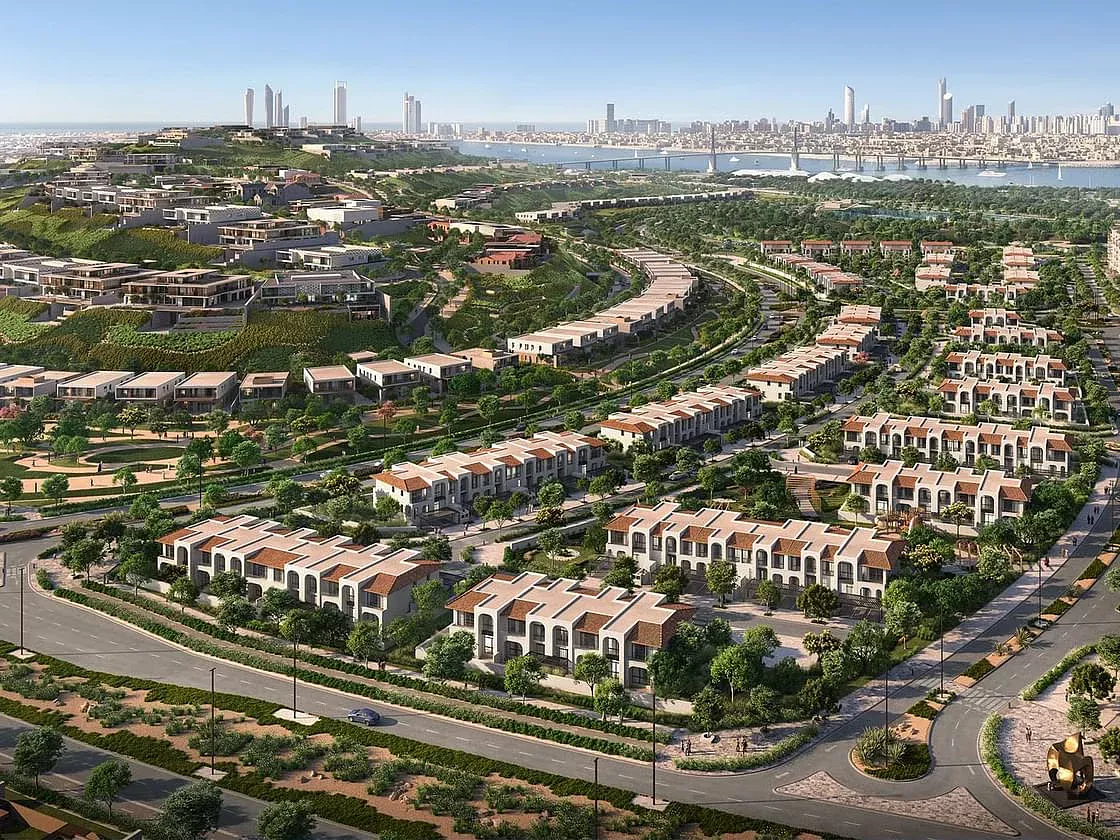
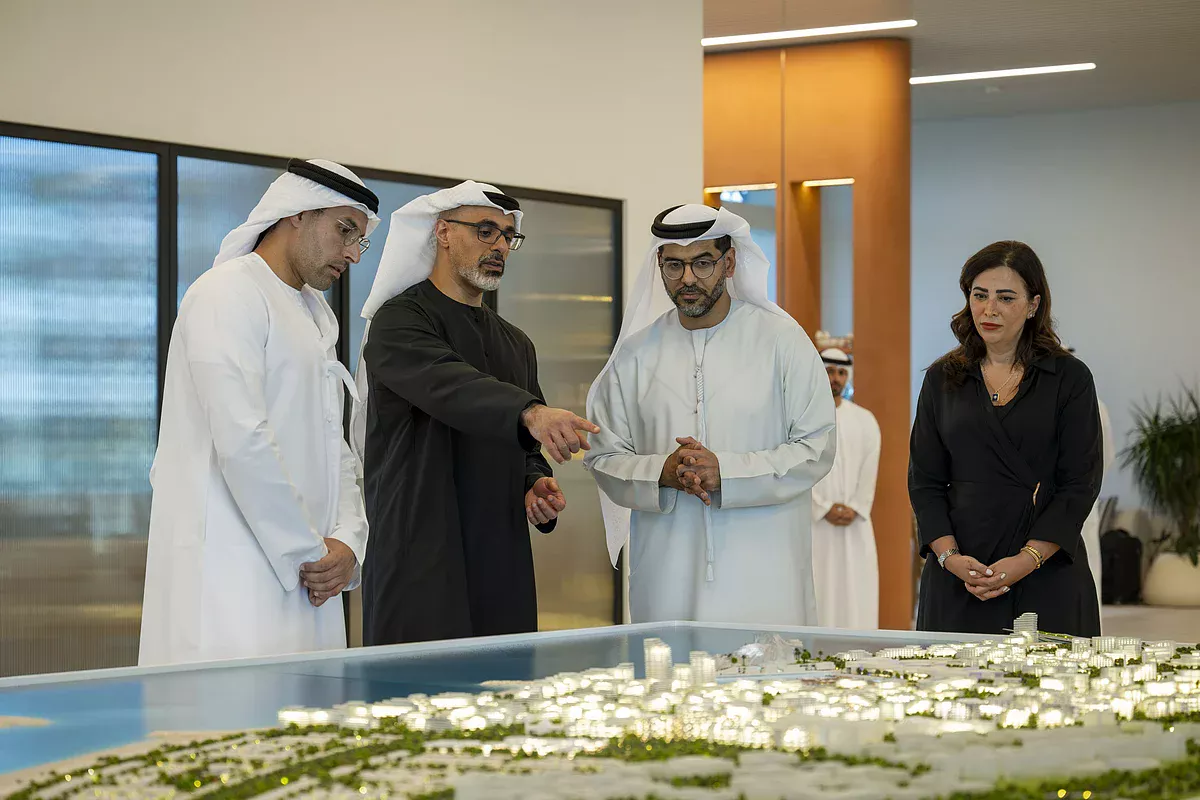
    Aldar and the Department of Municipalities and Transport (DMT) have formalized a major public-private partnership to deliver integrated communities spanning more than 20 million square meters across five strategic locations in Abu Dhabi, marking one of the emirate’s most ambitious urban development initiatives.

    The agreement was signed on May 12, 2026, during the Abu Dhabi Infrastructure Summit (ADIS) 2026, with His Excellency Suhail Mohamed Al Mazrouei, Minister of Energy and Infrastructure, His Excellency Mohammed Ali Al Shorafa, Chairman of DMT, and His Excellency Mohamed Khalifa Al Mubarak, Chairman of Aldar, in attendance.

    His Excellency Abdulla Mohamed Al Blooshi, Director General of the Urban Planning and Permits Centre at DMT, and Talal Al Dhiyebi, Group Chief Executive Officer of Aldar, executed the partnership documents.

    Strategic Locations and Community Design

    The new communities will be developed at Muwaylih, Mussafah, Al Zahiya, and Al Faya, combining residential, retail, educational, and lifestyle offerings within walkable neighborhoods featuring green public spaces and connectivity to Abu Dhabi’s transport networks.

    The collaboration directly supports the emirate’s urban development and housing priorities, including the expansion of the Value Housing Program, a DMT-led initiative increasing access to high-quality, affordable rental housing in Abu Dhabi.

    “This strategic partnership marks an important step in shaping Abu Dhabi’s next phase of urban growth. As the emirate continues to attract residents, businesses and investment, there is a growing need for thoughtfully planned destinations that expand housing choice across multiple market segments while enhancing quality of life,” said Talal Al Dhiyebi, Group Chief Executive Officer of Aldar.

    Al Dhiyebi emphasized that the scale and breadth of these projects reflect Aldar’s strong conviction in the long-term fundamentals of Abu Dhabi’s real estate market and continued confidence in the emirate’s economic growth trajectory.

    Value Housing Program Expansion

    The partnership marks a significant expansion of the Value Housing Program, building on a recently announced commitment to develop two integrated communities in Mohamed Bin Zayed City and Baniyas that will deliver 9,000 residential units to Abu Dhabi’s rental market.

    These communities are designed to offer walkable neighborhoods, green public spaces, schools, retail and gathering places, connected to the wider city and built around the lifestyle needs of residents. Strategically located along major road networks, each destination will offer seamless connectivity across Abu Dhabi while fostering a strong sense of place and belonging.

    “This partnership with Aldar represents a new model for Abu Dhabi’s urban development, one that brings together strategic master planning, private-sector execution capability and government oversight to deliver transformational growth,” said His Excellency Abdulla Mohamed Al Blooshi, Director General of the Urban Planning and Permits Centre at DMT.

    Al Mihsinah Island Activation

    In a landmark announcement, Aldar and DMT revealed plans to activate Al Mihsinah Island for the first time, creating a waterfront community that combines natural coastal surroundings with thoughtfully planned residential neighborhoods and lifestyle amenities.

    The development will offer a living experience that blends wellness, tranquility and connectivity within a waterfront setting, representing a new benchmark for coastal community development in the capital.

    New Model for Urban Development

    The agreement represents a new model for urban development in the emirate, aligning housing accessibility, community building and long-term economic growth within a single, coordinated framework. DMT contributes land while Aldar serves as master developer, combining public-sector land stewardship with private-sector development expertise.

    The partnership is a direct expression of Abu Dhabi’s urban development strategy, placing integrated community planning, housing accessibility and long-term liveability at its core. Aldar will draw on its extensive expertise in delivering iconic destinations such as Saadiyat Island, Yas Island and Al Raha Beach.

    The announcement comes as Abu Dhabi’s residential market continues to demonstrate strong momentum, with transaction volumes remaining elevated and investor confidence sustained by the emirate’s robust economic fundamentals and strategic infrastructure investments.