Tag: Qatar real estate

  • Qatar Real Estate Trading Reaches QAR438 Million in Late April

    Qatar Real Estate Trading Reaches QAR438 Million in Late April

    The latest figures from Qatar’s Department of Real Estate Registration at the Ministry of Justice show that sales contracts reached QAR398.6 million during the reporting period, with residential units accounting for QAR39.8 million in separate bulletin transactions.

    The week-on-week decline suggests a normalization in activity following a stronger mid-April performance, though market fundamentals remain solid as demand continues across both investment-driven and end-user segments.

    Doha and Al Rayyan Lead Municipal Activity

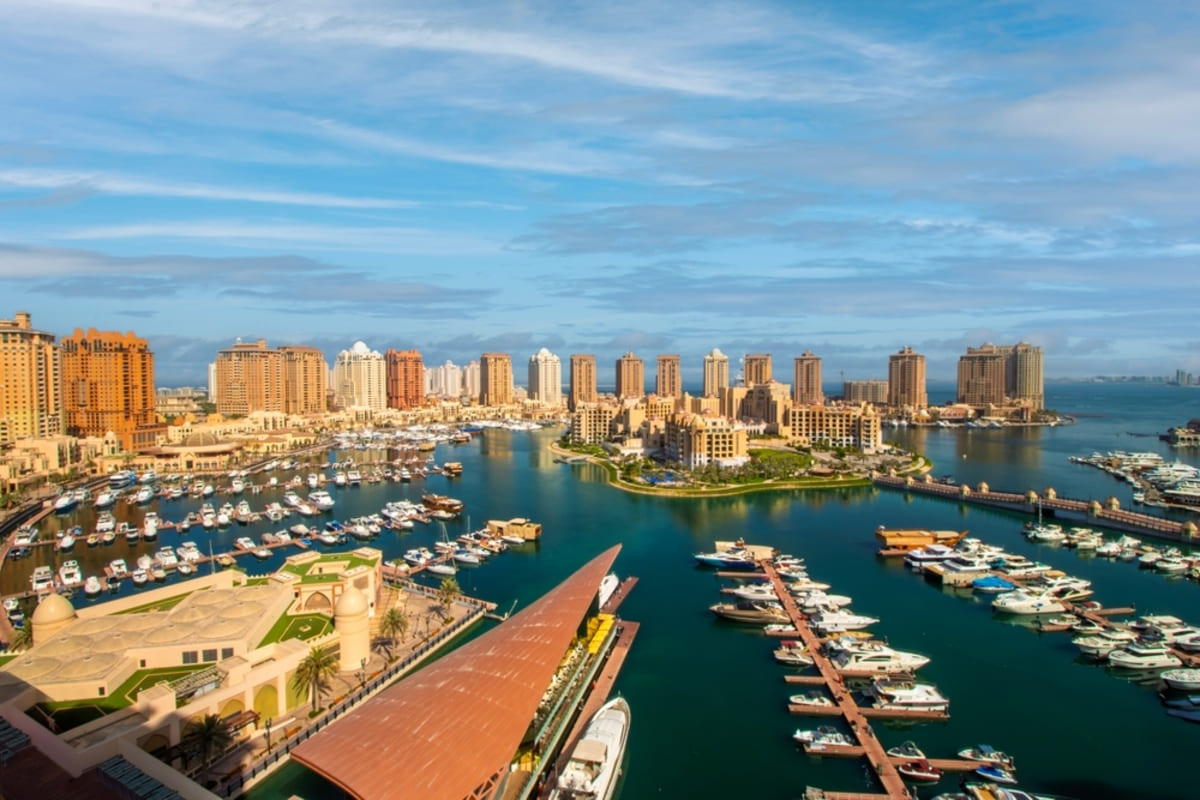
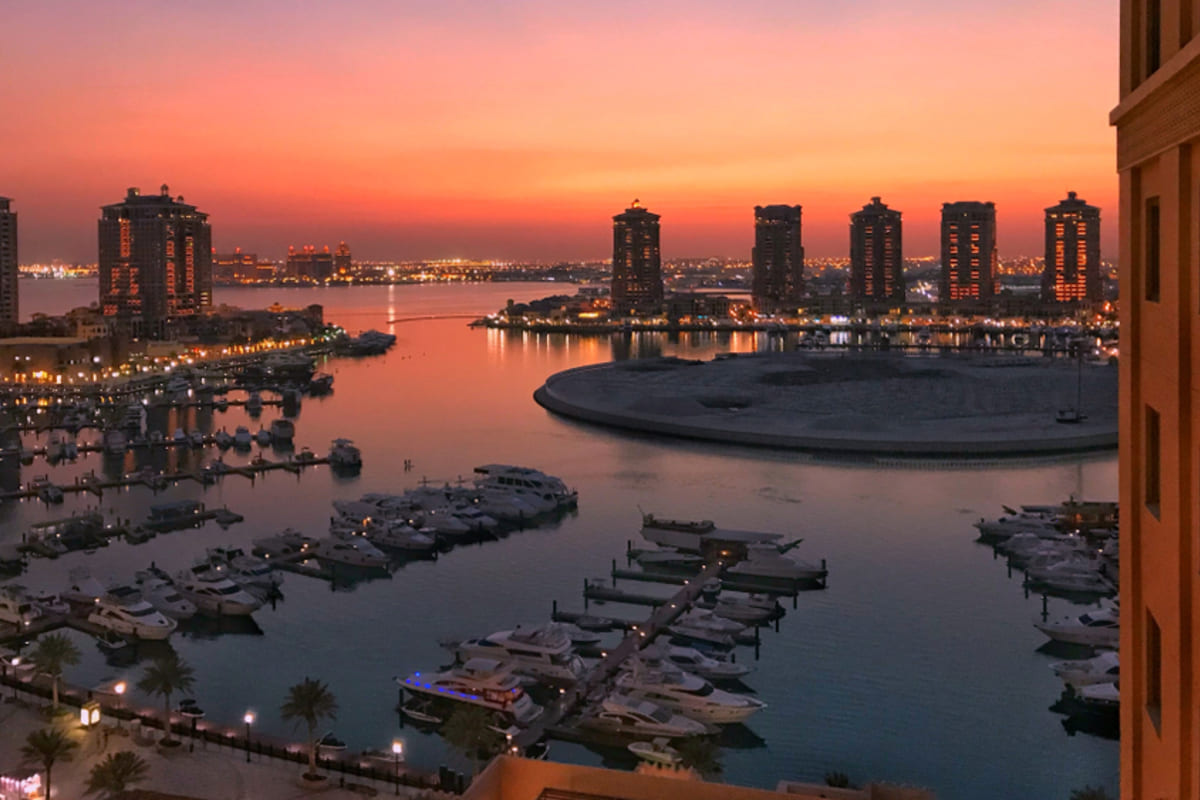
    Transactions spanned a diverse mix of asset classes, including vacant land, residential properties, commercial shops, and mixed-use buildings. Sales were concentrated in the municipalities of Doha, Al Rayyan, Al Wakrah, Al Daayen, Umm Salal, Al Khor, Al Thakhira, and Al Shamal, with notable activity in Al Kharaej, Lusail 69, The Pearl, Legtaifiya, Al Wukair, Al Dafna 60, and Al-Gharafa.

    The geographic spread reflects balanced investor interest across both established urban centers and emerging residential zones, underscoring Qatar’s continued infrastructure expansion and housing diversification efforts.

    Strong Q1 2026 Performance Sets Foundation

    The weekly performance comes on the back of a robust first quarter, during which Qatar’s real estate sector recorded QAR9.2 billion ($2.52 billion) in sales transactions, marking a 28.5% year-on-year increase from QAR7.2 billion in Q1 2025, according to the Real Estate Regulatory Authority (Aqarat).

    Aqarat confirmed that 2026 delivered the strongest first-quarter performance in recent years, reflecting a recovery in market activity and sustained demand. The authority also noted that Qatar’s rental market remained robust, with rental contracts concluded in 2025 exceeding 2024 levels across all quarters.

    The upward trend from 2023 to 2026 demonstrates the resilience of Qatar’s property sector, supported by continued government investment in infrastructure, housing initiatives, and economic diversification strategies aligned with Qatar National Vision 2030.

    Market analysts point to strong fundamentals underpinning the sector, including stable employment growth, steady population expansion, and increased foreign investment in real estate following regulatory reforms that expanded property ownership rights for expatriates.

    While weekly fluctuations are expected in any mature market, the broader trajectory suggests Qatar’s property sector remains on a steady growth path, with both developers and investors maintaining confidence in long-term fundamentals despite regional economic uncertainties.

  • Qatar Rental Market Records 35,917 Contracts in Q4 2025

    Qatar Rental Market Records 35,917 Contracts in Q4 2025

    The Public Authority for Real Estate Regulatory Affairs (Aqarat) confirmed on April 2, 2026, that Qatar’s rental market achieved sustained expansion across all four quarters of 2025, with each period surpassing the corresponding quarter in 2024.

    The third quarter of 2025 registered the most significant year-on-year growth at approximately 12.6%, while the fourth quarter climbed by nearly 6.9% to reach a record 35,917 contracts, Aqarat stated in a post on its X platform.

    The authority attributed the broad-based recovery to increased activity and consistent demand, noting that the volume of rental agreements finalized in 2025 exceeded 2024 figures throughout every quarter.

    Aqarat observed that this comprehensive growth within the rental industry strengthens Qatar’s status as a premier location for residence and investment, illustrating growing trust in the national real estate regulatory and legislative systems.

    The sustained performance in Qatar’s rental sector reflects broader momentum across the GCC, where residential markets continue to benefit from economic diversification and infrastructure investment. Earlier data showed that Qatar’s property sales reached $740.5 million in February, with transaction values climbing 56% month-on-month as Doha Municipality led regional activity.

    The record contract volumes come as Qatar advances long-term development plans and regulatory frameworks designed to support both local and international investors in the residential sector.

    With all four quarters of 2025 outperforming the previous year, the rental market’s trajectory signals sustained confidence in Qatar’s real estate infrastructure and its appeal as a destination for long-term residency and capital deployment.

  • Qatar Property Sales Reach $740.5 Million in February 2026

    Qatar Property Sales Reach $740.5 Million in February 2026

    Qatar’s property sector demonstrated strong momentum throughout February 2026, with overall sales reaching QAR2.709 billion ($740.5 million), according to data published by the Real Estate Registration Department within the Ministry of Justice on March 13, 2026.

    The market registered 508 land transactions during the month, reflecting sustained capital commitment to the state’s economic outlook as regional markets continue to attract international investment.

    Sharp Month-on-Month Growth

    Compared with January 2026, the volume of registered properties showed growth of 19%, while the real estate transaction value index climbed by 56%. The total surface area traded recorded a jump of 55%, indicating both increased activity and higher-value deals entering the market.

    The performance aligns with broader regional real estate momentum, as Gulf markets continue to benefit from economic diversification strategies and infrastructure development programmes.

    Doha Municipality Leads Regional Activity

    Based on the real estate market index, Doha Municipality ranked highest for total monetary turnover during February 2026, registering transaction volumes worth QAR1.184 billion. Al Rayyan Municipality attained QAR847 million, while Al Dhaayen Municipality documented sales totaling QAR268 million.

    In terms of transaction volume share, Doha accounted for 30% of all property sales in February, followed by Al Daayen at 23% and Al Rayyan at 21%. Surface area metrics showed Al Rayyan leading at 37%, Doha at 25%, and Al Wakrah at 18% of aggregate transaction acreage.

    Property Valuation by Municipality

    Property valuation averaged QAR972 per square foot in Doha, followed by QAR571 in Al Daayen and QAR555 in Al Rayyan. Other regional rates included QAR399 in Al Wakrah, QAR394 in Umm Slal, QAR415 in Al Khor and Thakira, QAR261 in Al Shamal, and QAR146 in Al Sheehaniya.

    For vacant plots specifically, the average cost per square foot reached QAR493 in Doha, QAR429 in Al Wakrah, and QAR333 in Al Rayyan. Additional prices included QAR315 in Umm Slal, QAR283 in Al Daayen, QAR328 in Al Khor and Thakira, and QAR149 in Al Shamal.

    Top-Tier Transactions Concentrated in Doha

    Transaction data showed that the peak valuation for the top 10 real estate sales was documented in February, featuring eight assets located within Doha Municipality and two units within Al Rayyan, underscoring the capital’s continued appeal to high-net-worth investors.

    National Development Strategy Support

    The continuous strengthening of real estate activity underlines its importance to the Qatari economy, with upward trends supporting the success of initiatives aimed at diversifying national revenue streams beyond hydrocarbon sectors.

    Qatar’s Third National Development Strategy (NDS3) places significant emphasis on the property market, with objectives to enhance the state’s appeal to investors and enterprises while establishing a hospitable environment for both capital and qualified personnel.

    The February performance demonstrates Qatar’s ability to maintain robust property market fundamentals despite global economic uncertainties, reflecting investor confidence in the state’s long-term economic vision and strategic capital allocation trends across the Gulf region.

  • Qatar Real Estate Market Stabilizes as Residential Demand Shifts

    Qatar Real Estate Market Stabilizes as Residential Demand Shifts

    The residential real estate sector in Qatar has reached a period of relative stability, according to international strategy and consulting group ValuStrat, with the ValuStrat Price Index (VPI) registering a marginal quarterly decline of only 0.3%. Within this segment, villas have demonstrated stronger resilience than apartments, maintaining better capital value retention in high-end areas such as Al Waab and West Bay Lagoon.

    However, the rental market has faced more significant downward pressure, as residential rents decreased by approximately 1.5% compared to the previous half-year. This shift is largely attributed to a substantial influx of new housing supply entering the market in developing districts like Lusail and The Pearl.

    Prime Office Locations Maintain Stability

    In the commercial sector, the total stock of office space across the country reached an estimated 5.6 million square meters by the conclusion of 2025, with the city of Lusail contributing the largest portion of these new completions. Despite the increase in supply, prime office locations in West Bay managed to keep occupancy rates relatively stable at around 80%.

    A visible “flight to quality” trend has emerged, where corporate tenants are increasingly moving toward modern, high-tier spaces, placing secondary locations at higher risk for vacancies. Consequently, average office rental rates saw a year-on-year decline of 2% as landlords in newer districts adopted more competitive pricing strategies.

    Tourism Drives Hospitality Resilience

    The hospitality industry showed signs of resilience throughout the latter half of the year, bolstered by a steady rise in international visitor arrivals which reached nearly 4 million by late 2025. This increase in tourism has supported healthy performance metrics for hotels, particularly within the 4-star and 5-star categories, where Average Daily Rates and Revenue Per Available Room remained steady.

    Meanwhile, the retail sector continued to expand with the addition of several new community malls. However, analysts at ValuStrat suggest that organized retail space is nearing a point of saturation, forcing landlords to offer more flexible lease terms to attract and retain retail tenants.

    Market Transitions to Sustainable Growth Phase

    Looking ahead to 2026, the Qatari real estate market appears to be transitioning into a more mature phase characterized by a slowing of price corrections. Demand is expected to be increasingly fueled by long-term residents and the broader economic diversification goals outlined in the Qatar National Vision 2030.

    Government-led initiatives—specifically the expansion of residency rights for property owners—are projected to create a consistent floor for residential demand within freehold areas. According to ValuStrat, these factors combined suggest a market that is successfully adjusting to post-tournament economic realities while finding a new baseline for sustainable growth.

    The stabilization reflects a broader regional trend, as GCC real estate markets sustain momentum through easing monetary conditions and infrastructure investment across the Gulf.