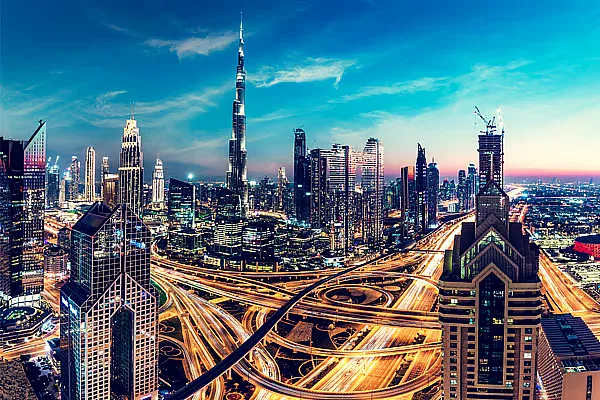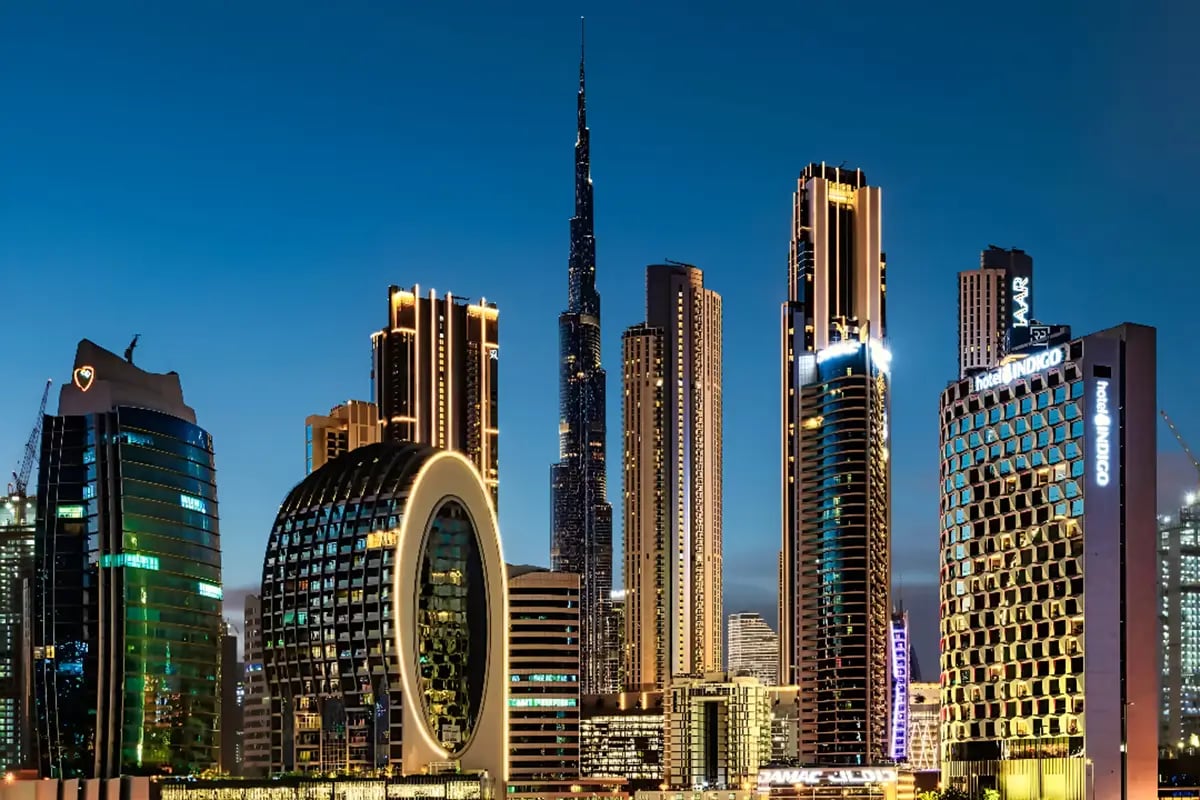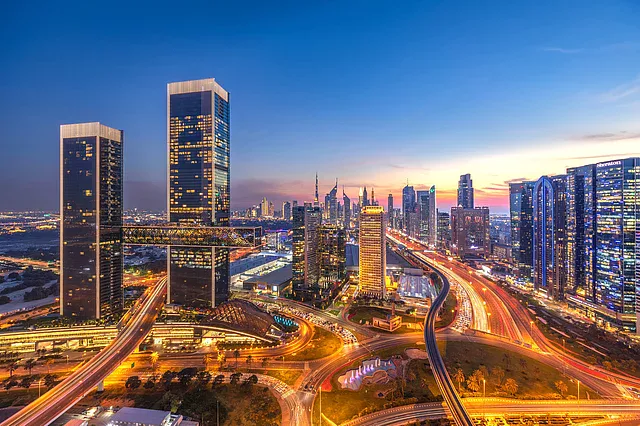
Indian investors are once again emerging as the dominant force behind Dubai’s booming real estate market, reinforcing the emirate’s status as one of the most attractive overseas property destinations for Indian capital despite rising geopolitical tensions in the Gulf.
According to a research note by property consultancy Anarock Group, Indian nationals account for roughly 20–22 per cent of all foreign property purchases in Dubai, making them the largest overseas investor group in the market. The scale of Indian participation reflects a combination of financial returns, geographical proximity and long-standing economic ties between India and the UAE.
Industry estimates suggest Indian investors purchased Dh35 billion to Dh40 billion worth of residential properties annually in recent years, highlighting the scale of capital flowing into the emirate from India.
Attractive rental yields, strong capital appreciation and the stability of the UAE dirham—which is pegged to the US dollar—continue to make Dubai one of the most compelling global property markets for Indian investors. Residential properties in Dubai typically generate annual rental yields between 6 and 9 per cent, among the highest in major global property markets such as London, New York and Singapore.
Dubai’s property market entered the current period of geopolitical uncertainty after completing one of the strongest growth cycles in its history. According to Dubai Land Department data analysed by Anarock and other industry consultancies, total real estate transactions reached Dh917 billion ($250 billion) in 2025, the highest value ever recorded in the emirate.
“Transaction volumes crossing 270,000 deals clearly reflect strong investor participation and deep liquidity in the market. Residential real estate has been the main growth engine, and since 2021 housing prices in Dubai have risen roughly 60–75 per cent, making it one of the strongest housing cycles globally in the post-pandemic period.”
— Dr Prashant Thakur, Executive Director and Head of Research and Advisory at Anarock Group
Global property consultancies have also highlighted the exceptional performance of Dubai’s housing market. According to Knight Frank, the emirate recorded more than 500 residential sales worth over $10 million in 2025, underscoring the extraordinary growth of its luxury property segment and the rising influx of wealthy global buyers.
Indian investors have been particularly active in both luxury and mid-market segments, with demand driven by high rental yields and long-term wealth preservation strategies.
Indian Developers Expand Footprint
Beyond individual investors, Indian developers are also expanding their footprint in Dubai’s real estate landscape. According to Anarock, companies with Indian roots now account for around 8–10 per cent of the development pipeline in Dubai.
Among the most prominent players is Sobha Realty, which developed the luxury Sobha Hartland community in Mohammed Bin Rashid City and continues to expand its portfolio of premium projects. Danube Properties, another developer founded by Indian entrepreneur Rizwan Sajan, has launched more than 20 residential projects in Dubai and remains a major player in the mid-market segment.
Other Indian groups, including Shapoorji Pallonji Real Estate and Casagrand, have also begun exploring high-end residential developments in the emirate. The growing footprint of Indian developers mirrors the broader expansion of Indian capital into Dubai’s property ecosystem, reinforcing the deep economic linkages between the two economies.
Geopolitical Tensions and Market Resilience
The latest geopolitical tensions introduce a psychological factor that could influence investor behaviour in the near term. However, Dubai’s position as a global financial hub continues to provide strong structural support to its real estate sector.
“The current geopolitical tensions will undoubtedly introduce a degree of caution among investors,” the Anarock report noted. “Transaction volumes may moderate in the near term as buyers assess the evolving risk environment. Yet Dubai’s position as a global financial and lifestyle hub continues to provide strong structural support to its real estate sector.”
Another potential transmission channel is tourism—a key pillar of Dubai’s economy. The broader Middle East tourism sector is estimated to be worth around $367 billion annually, and prolonged regional instability could dampen travel sentiment across the region. Such a scenario would primarily affect short-term rental apartments, hospitality properties and retail assets located in tourist-heavy districts.
However, Dubai’s housing demand is not solely dependent on tourism. One of the emirate’s strongest structural supports is its rapidly expanding population. Dubai’s population crossed four million residents in 2025, driven largely by expatriate inflows, according to official statistics.
The emirate’s property market also benefits from one of the most diversified investor bases globally, with buyers from more than 150 nationalities participating in the market. This diversity reduces reliance on any single investor group, helping the market remain resilient even during periods of geopolitical volatility.