Tag: Dubai property market

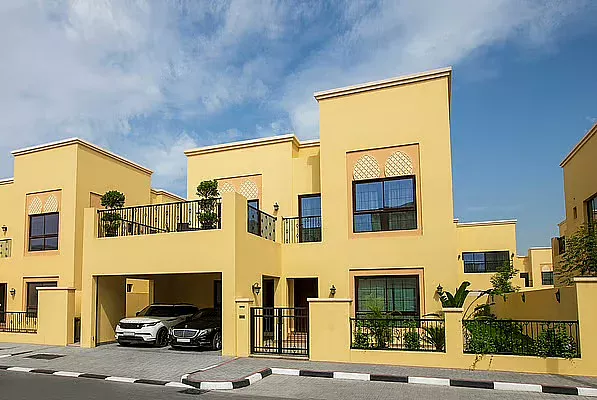
  • School Proximity Drives 35% Villa Price Surge in Dubai

    School Proximity Drives 35% Villa Price Surge in Dubai

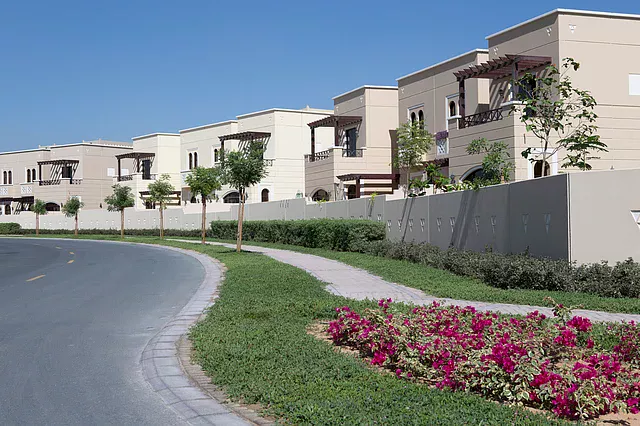
    Mature villa neighborhoods with easy access to top-tier educational institutions are significantly outperforming the broader Dubai property market, with genuine end-user demand from families replacing speculative investment as the primary driver of growth.

    The latest Property Monitor Dynamic Price Index, tracking three-month moving average median prices per square foot across 42 master communities, reveals that education proximity has become a primary decision-making filter for villa buyers planning five to ten years ahead.

    Victory Heights leads the surge, with non-renovated villas posting annual price increases between 25% and 35%, while renovated properties rose 15% to 20%. Townhouses around the Dh5 million mark saw more modest gains of approximately 10%, partly due to mortgage loan-to-value restrictions on properties above this threshold.

    Matthew Bate, founder and CEO of BlackBrick, emphasized the fundamental shift in buyer behavior:

    Dubai’s villa market is being led by families planning five to ten years ahead, and education is central to that decision. School proximity is no longer a secondary consideration—it has become one of the primary decision-making filters.

    Arabian Ranches demonstrates similar pricing resilience, driven by sustained demand from families seeking proximity to Jumeirah English Speaking School (JESS). Non-renovated villas in the community have delivered annual gains of 20% to 25%, with high-end properties above Dh15 million achieving rental yields up to 7-8% when fully renovated.

    Annual tuition fees at leading British and International Baccalaureate schools in Dubai typically range from Dh95,000 to over Dh105,000, reinforcing the profile of buyers who prioritize convenience and long-term lifestyle planning over short-term investment returns.

    The trend mirrors patterns in mature global real estate markets such as London and Singapore, where properties near top schools consistently command price premiums. Knight Frank reported that Dubai’s prime villa market recorded double-digit growth through 2025, driven largely by expatriate families relocating for long-term residency.

    Faisal Durrani, partner and head of Middle East research at Knight Frank, observed:

    The shift toward end-user driven buying is making the market more stable and sustainable. Communities offering lifestyle infrastructure such as schools, parks and retail are seeing the strongest and most resilient price growth.

    CBRE data supports the education-driven narrative, reporting that average villa prices in Dubai rose by more than 20% in 2025, significantly outpacing apartment price growth as family buyers sought larger homes in well-established neighborhoods.

    Taimur Khan, head of research for the Middle East and Africa at CBRE, noted that villa communities with strong schooling options and established infrastructure continue to outperform, supported by limited supply and a growing base of long-term residents.

    The growing importance of education-linked property decisions is reinforcing long-term market stability. With many buyers committing to five- to ten-year ownership horizons, transaction volumes in mature villa communities are increasingly driven by end users rather than short-term investors, reducing volatility and supporting sustained capital appreciation.

    Industry analysts expect school proximity to remain a defining factor in villa pricing as Dubai continues to attract global talent and high-income families seeking long-term residency. With limited new supply in mature neighborhoods and strong demand from families prioritizing education and lifestyle, the emirate’s established villa communities are likely to maintain upward momentum through 2026 and beyond.
  • UAE to Add 390,000 New Homes by 2030

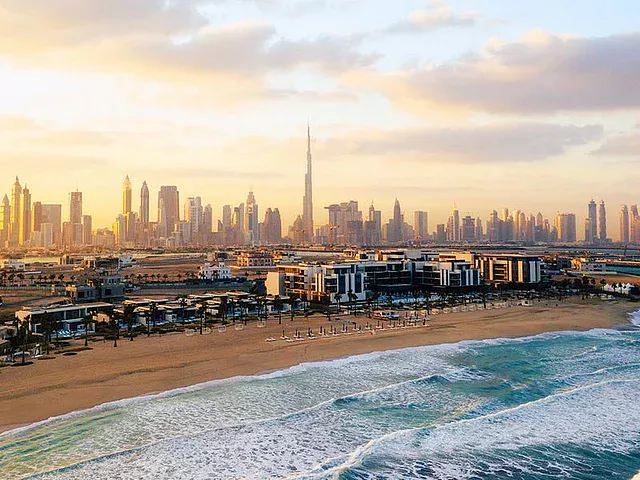
    UAE to Add 390,000 New Homes by 2030

    Dubai will account for the majority of this pipeline, with apartment-led mixed-use communities continuing to dominate new launches, while Abu Dhabi focuses more on premium villas and waterfront neighbourhoods.

    Across the broader Gulf region, residential supply is expected to increase from approximately 6.26 million units in 2025 to 7.28 million units by 2030, with Saudi Arabia and the UAE accounting for the bulk of new supply. Saudi Arabia’s residential stock is estimated to grow by 499,000 units during this period, reaching 3.45 million by 2030, driven by giga projects in Riyadh and Jeddah.

    “Dubai has led this transformation, establishing itself as a global metropolis fuelled by foreign ownership, massive infrastructure investments and ambitious strategies,” said Sameena Ahmad, Managing Director, Alpen Capital.

    According to Ahmad, the region’s real estate industry is expected to witness steady supply across residential, commercial, hospitality and retail segments over the next few years, largely supported by continued government spending and investments in world-class infrastructure.

    What This Means for Rental Prices

    A supply increase of this scale typically shifts the balance between landlords and tenants. The report stated that supply growth in the GCC is becoming more “structured” and increasingly aligned with demand rather than speculative expansion, which could reduce the risk of sharp corrections.

    However, with nearly 390,000 additional homes entering the UAE market over five years, rental growth is likely to moderate if deliveries outpace new household formation. The study highlights that population growth, expatriate inflows and urbanisation remain strong demand drivers.

    The UAE’s population has surpassed 11 million in 2025, according to Worldometer, with continued inflow of expatriates and high-net-worth individuals supporting both mid-tier and luxury segments. If those inflows remain steady, the additional supply may ease pressure without triggering a widespread rent correction. But in sub-markets where deliveries cluster heavily, tenants could gain greater negotiating power.

    Property Price Outlook

    The report from Alpen stated that supply across the GCC is entering a more disciplined phase, with greater emphasis on mixed-use developments, asset quality and long-term livability.

    “Over the coming years, we expect supply–demand dynamics across the GCC to become more balanced. Large-scale developments are being phased more strategically, with a clear emphasis on quality, mixed-use formats, and demand-led execution,” said Sharmin Karanjia, Executive Director, Alpen Capital.

    Karanjia noted that development trends are shifting towards master-planned, sustainable, and technology-enabled communities focused on long-term liveability. While certain sub-markets may experience short-term oversupply pressures, well-located and high-quality projects are likely to continue seeing strong absorption and pricing support.

    “As major development zones reach operational maturity, investors will have a broad base of high-quality assets maintaining interest from both regional and international buyers,” Sharmin added.

    Future Development Drivers

    High disposable incomes, steady population growth, expatriate inflows, and a favourable tax environment will remain key demand drivers across the region. Future development pipelines will feature mixed-use projects, enhanced asset quality, sustainability, and the integration of residential, commercial and lifestyle components.

    In the commercial segment, office supply across the GCC is estimated to expand from 33.3 million sqm in 2025 to 42.4 million sqm by 2030, with over 65 per cent of new supply delivered in Saudi Arabia and the UAE, according to the existing pipeline.

    The findings align with broader market trends, as GCC real estate markets sustain growth momentum driven by infrastructure investment and easing monetary conditions. Meanwhile, property buyers shift to value-driven approaches, prioritizing developer credibility and rental yields over speculative gains.

  • UAE Long-Term Renters Turn Homeowners Amid Flexible Payment Plans

    UAE Long-Term Renters Turn Homeowners Amid Flexible Payment Plans

    Competitive pricing compared to global cities, flexible payment plans, and residency incentives such as the Golden Visa are helping nudge more UAE residents towards home ownership, according to real estate experts.

    Blagoje Antic, CEO and Founder of DHG, noted strong interest in emerging, master-planned communities with a clear long-term vision, such as Meydan Horizon and Dubai Islands.

    “Looking ahead to 2026, demand is moving toward communities that balance accessibility with green spaces and a more sustainable way of living,”

    he said.

    The shift comes as buyer intent remains strong. Last month, a survey revealed that seven in 10 UAE residents plan to buy property in the next six months. The findings, based on Property Finder’s bi-annual Market Pulse survey, gathered responses from 5,540 participants and showed that buyers expect only moderate changes in prices.

    That intent is increasingly translating into actual purchases, supported by government-backed initiatives aimed at making home ownership more accessible. Dubai’s First-Time Home Buyer Programme has enabled more than 2,000 residents to purchase their first home in the past six months, generating over Dh3.25 billion in residential property sales, according to figures from the Dubai Land Department.

    Launched in July 2025 by the Dubai Department of Economy and Tourism and DLD, the programme offers first-time buyers priority access to new projects, tailored mortgage solutions and preferential pricing. More than 41,000 residents have registered for the programme so far, with nearly half of completed purchases made by residents who have lived in Dubai for more than five years without previously owning a home, highlighting its role in converting long-term renters into homeowners.

    Industry experts say this renewed confidence is drawing more first-time buyers and long-term residents into the market, with purchasers increasingly focused on build quality, location, developer reputation, and how well a home will hold up over time.

    “End users are more informed and are prioritising good layouts, practical design, amenities, and strong community infrastructure,”

    Antic said. “One- and two-bedroom apartments remain the most in-demand, mainly due to affordability and strong rental demand, with well-planned layouts and quality finishes playing a bigger role in decision-making.”

    Svetlana Vasilieva, Head of Secondary Sales at Metropolitan Premium Properties, said most first-time buyers currently have a budget range between Dh2 million and Dh3 million. She added that while some developers rarely offer incentives, others provide flexible payment plans or upfront discounts to encourage sales.

    “My advice to first timers is to buy with resale and long-term value in mind, not just what fits your budget today,”

    she said.

    Affordability and space remain key considerations.

    “Many first-time buyers are looking for larger apartments or townhouses within family-oriented communities and are willing to live further out to achieve a lower price per square foot,”

    Vasilieva added. In Dubai, buyers are most frequently enquiring about Arabian Ranches 3, The Valley, Dubai South, Nad Al Sheba and Town Square.

    Elie Namaan, CEO and Co-Founder of Ellington Properties, said market momentum is increasingly being driven by end-users buying with intent rather than urgency.

    “We have noticed far more confident and deliberate first-time buyers than even a year ago. These buyers are asking sharper questions and making decisions after more consideration, not just around price but around how a home fits into their daily life,”

    he said.

    Namaan added that livability has become central to the decision-making process, with buyers prioritising thoughtful layouts, natural light, storage, walkability and a sense of community over short-term gains.

    “There’s a growing recognition that a first home is not just a financial milestone, but an everyday environment that needs to support work, wellbeing and long-term comfort,”

    he said.

    The trend aligns with broader market shifts toward value-driven purchases across the region, as buyers prioritize developer credibility and long-term stability. With Dubai recording over 200,000 transactions in 2025 and residential prices rising 12.1%, the emirate continues to attract investors seeking quality and sustainable communities.

  • Dubai Residential Prices Rise 12.1% as Market Records 200,000 Transactions

    Dubai’s property sector concluded 2025 with landmark performance metrics, recording over 200,000 sales transactions—an 18.8% increase over 2024—as both off-plan and ready property segments outperformed previous years, according to a report by Cavendish Maxwell.

    Residential prices rose 12.1% during the year, down from 16.5% growth in 2024, while rental increases moderated to 11-12% by year-end compared to 13-15% earlier in the year, signaling a gradual market stabilization.

    Off-Plan Dominance Intensifies Market Concentration

    Off-plan transactions represented 72.9% of total real estate activity in Dubai, up from 69.3% in 2024, with transaction volumes reaching 146,400 units—a 25% year-on-year increase. This surge was driven by sustained developer confidence and robust investor appetite for future developments.

    Ready property sales recorded more modest but steady growth, reaching 54,400 transactions, up 5% compared to 2024, supported by stable demand from end-users and investors seeking immediate occupancy opportunities.

    The market’s increasing reliance on off-plan sales, however, creates concentration risks, making it potentially vulnerable to shifts in launch momentum and buyer sentiment.

    Supply Dynamics Show Persistent Delivery Gaps

    Approximately 40,400 residential units were completed in 2025, significantly below the initial projection of 82,600 units, resulting in a materialization rate of just 48.9%. Despite falling short of targets, actual completions were 16.4% higher than the 34,700 units delivered in 2024.

    Looking ahead, around 110,500 residential units are projected for delivery in 2026, though historical completion patterns suggest actual deliveries may range between 33,000 and 50,000 units, with some projects likely spilling into 2027.

    Apartments are expected to dominate upcoming completions, representing 84.3% of projected units through 2028. Key locations including Jumeirah Village Circle, Dubai South, Business Bay, Dubai Residence Complex and DAMAC Lagoons are forecast to contribute 30.7% of all projected deliveries during this period.

    Luxury Segment Surges 47% in Transaction Volumes

    Dubai’s luxury real estate segment recorded approximately 2,500 transactions in 2025, marking a 47.1% increase compared to the previous year. Off-plan sales led growth with a 52.6% year-on-year increase, accounting for 70.5% of all luxury transactions.

    The ultra-luxury segment exhibited robust performance with 302 transactions totaling Dh27.9 billion, representing increases of 31.9% in volume and 53.7% in value compared to 2024, highlighting growing preference among high-net-worth individuals for Dubai as both a residential and investment destination.

    Economic Fundamentals Remain Supportive

    Despite emerging supply pressures, broader macroeconomic fundamentals continue supporting the market. UAE GDP growth is projected at 5.2% in 2026, with Dubai expected to expand by 4.5%, supported by ongoing infrastructure investment, population growth, and sustained tourism momentum.

    Tourism is projected to maintain momentum with visitor volumes expected to surpass prior-year levels, while business activity indicators remain positive, providing continued support across housing, retail and commercial sectors.

    Market Enters Transition Phase

    Looking ahead, Dubai’s real estate market is expected to remain relatively stable in 2026, though entering a critical transition phase where supply pressures, moderating growth trajectories and potential external headwinds require heightened vigilance.

    While a sharp correction appears unlikely given Dubai’s solid macroeconomic foundation, diversified economy and sustained population growth, stakeholders should prepare for a more balanced environment characterized by moderate appreciation and heightened selectivity.

    The market’s performance contrasts with record results posted by developers in 2025, suggesting continued confidence in long-term fundamentals despite near-term moderation signals.