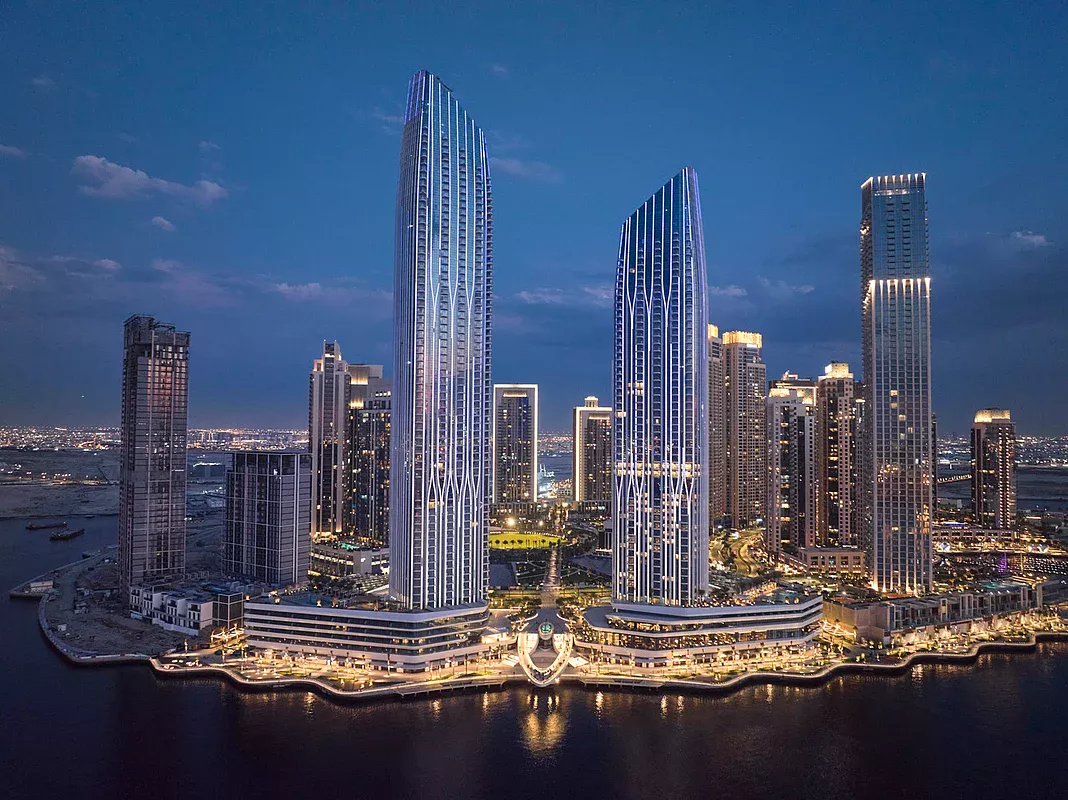
• Emaar Properties Reports Record 2025 Results with Dh80.4 Billion Sales

    Emaar Properties delivered its strongest financial performance to date in 2025, with growth accelerating across all business segments including property development, retail, hospitality, and international operations.

    The Dubai-based developer reported a 16% year-on-year increase in property sales to Dh80.4 billion ($21.9 billion), while total revenue climbed 40% to Dh49.6 billion ($13.5 billion). Net profit before tax rose 36% to Dh25.7 billion ($7 billion), and EBITDA reached Dh25.6 billion ($7 billion), marking a 33% increase from 2024.

    Revenue backlog surged 39% to Dh155 billion ($42.1 billion), providing substantial visibility on future earnings and demonstrating sustained market confidence.

    “Our 2025 results were shaped by a business environment that enables ambition and rewards long-term thinking. The UAE Government and the city of Dubai have created a framework built on stability, clear regulation, and openness to global investment, allowing companies like Emaar to plan with confidence, scale responsibly, and focus on execution,” said Mohamed Alabbar, Emaar founder.

    Domestic Development Drives Growth

    Emaar Development PJSC recorded Dh71.1 billion ($19.4 billion) in UAE property sales, representing a 9% increase from 2024. Revenue from domestic projects reached Dh36.4 billion ($9.9 billion), while net profit before tax grew an impressive 52% to Dh15.5 billion ($4.2 billion).

    The company launched 48 new residential projects throughout the year, including high-profile developments such as Grand Polo Club and Resort, The Valley, and Bristol at Emaar Beachfront. The UAE backlog stood at Dh134.3 billion ($36.6 billion), reflecting strong pre-sales momentum.

    These results align with broader market trends, as Dubai’s property sector continues its upward trajectory with record-breaking transaction volumes.

    International Expansion Accelerates

    International property sales experienced exceptional growth, surging 124% to Dh9.3 billion ($2.5 billion), with revenue of Dh2.6 billion ($0.7 billion) generated across operations in Egypt and India. This expansion demonstrates Emaar’s successful geographic diversification strategy beyond its home market.

    Recurring Revenue Streams Strengthen

    Emaar’s malls and retail leasing revenue increased 13% to Dh6.3 billion ($1.7 billion), maintaining an impressive 98% occupancy rate across its portfolio. The hospitality, leisure, and entertainment segment recorded revenue of Dh4.2 billion ($1.1 billion), up 12%, supported by higher tourism inflows and the addition of three new hotels.

    Combined recurring revenue from malls, hotels, and commercial leasing reached Dh10.5 billion ($2.8 billion), reflecting a 13% increase and strengthening the company’s diversified income base.

    The record performance comes as Dubai’s property market demonstrates exceptional momentum, with investor confidence remaining robust amid favorable regulatory frameworks and economic stability.

    Emaar’s 2025 results reinforce the company’s market leadership position and highlight the sustained appeal of Dubai real estate as a destination for both end-users and investors seeking long-term value in a transparent, well-regulated environment.
  • Arca South: Manila’s Next Major Real Estate Hub Emerges

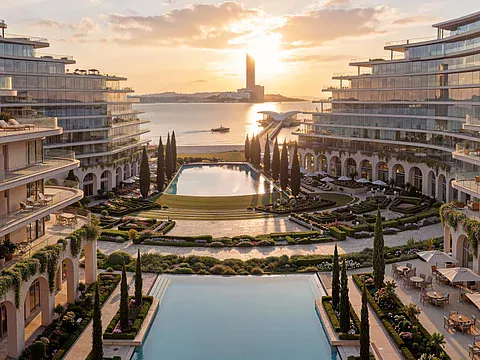
    Manila’s property investment landscape is experiencing a significant shift, with a massive new development south of Bonifacio Global City (BGC) capturing investor attention at an unprecedented pace. Arca South, developed by Ayala Land on 74 hectares of former FTI complex land, is being positioned as the region’s next transformative real estate hub.

    The 74-hectare estate sits on what was once part of a 120-hectare Food Terminal Inc. complex in Taguig, one of Metro Manila’s 16 component cities. Following Ayala Land’s 2012 acquisition of the majority of the site, the remaining 46 hectares have attracted government attention, with reports indicating 16.7 hectares are under consideration for privatisation.

    Connectivity as Core Asset

    Unlike BGC’s focus on vertical density, Arca South’s primary competitive advantage lies in its role as a major intermodal transport hub. The development will house the Taguig Integrated Terminal Exchange (TITX) and serve as a key station for both the Metro Manila Subway and the North-South Commuter Railway (NSCR). Once fully operational, these transit links will reduce travel times to Ninoy Aquino International Airport (NAIA) and the Makati Central Business District to under 15 minutes—a dramatic improvement over the region’s notorious traffic congestion.

    The Ayala Malls Arca South component officially opened on February 13, 2026, marking a tangible milestone in the development’s progression and signalling the estate’s readiness to accommodate commercial and retail activity alongside residential growth.

    Sustainable Urban Design

    Arca South’s master plan emphasises a distinctly different approach from BGC’s high-density corporate environment. Marketing the development as a “City in Sync,” the estate prioritises low-to-mid-density living with wider sidewalks, dedicated bike lanes, and approximately 40% of the total land area dedicated to green spaces. This design philosophy appeals to investors seeking a more walkable, livable alternative to the dense urban sprawl characterising neighbouring districts.

    The estate already features high-end residential offerings, including developments such as Arbor Lanes and Gardencourt Residences, establishing the area’s premium positioning and attracting affluent buyers seeking both lifestyle quality and investment returns.

    Early-Mover Investment Thesis

    Industry observers draw clear parallels between current Arca South opportunities and the investment landscape of BGC two decades ago. Property values in the estate are climbing steadily as infrastructure milestones reach completion, with investors positioning themselves to capture appreciation similar to those early BGC buyers who witnessed astronomical returns over 20 years.

    The development’s timing coincides with broader infrastructure expansion across Metro Manila. Major connectivity projects—including Skyway Stage 4 completion—are reducing travel bottlenecks and making previously peripheral areas increasingly attractive for both residential and commercial development. This mirrors regional trends where strategic infrastructure investment drives real estate value appreciation, as demonstrated in established UAE markets.

    Market Confidence

    Investor momentum around Arca South reflects confidence in Ayala Land’s track record of transforming former government land into premium mixed-use ecosystems. The developer’s proven ability to create integrated communities—combining residential, commercial, retail, and transit infrastructure—provides security to investors concerned about execution risk in emerging markets.

    As Metro Manila’s property sector continues evolving, Arca South represents a rare opportunity to acquire premium real estate in a master-planned environment before reaching peak development maturity. For investors globally, including those in mature markets like the UAE, the project exemplifies how strategic transit connectivity and deliberate urban design can unlock substantial value in emerging metropolitan areas.

  • BEYOND Developments Unveils EVERMORE: A French-Inspired Waterfront Project on Marjan Beach

    BEYOND Developments Unveils EVERMORE: A French-Inspired Waterfront Project on Marjan Beach

    In a spectacular evening event that blended immersive storytelling and theatrical spectacle, BEYOND Developments officially unveiled EVERMORE, a transformative waterfront project located on Marjan Beach in Ras Al Khaimah. This landmark development marks the company’s first expansion outside Dubai and signals the opening chapter of its 2026 growth strategy.

    Spanning over 7 million square feet, EVERMORE is designed as a comprehensive cultural and residential district drawing inspiration from French classical elegance. The master plan reimagines waterfront living through contemporary architecture, strategic nature integration, and lifestyle-focused placemaking.

    Mahdi Amjad, Founder and Executive Chairman of BEYOND Developments, emphasized the project’s significance: “Ras Al Khaimah is witnessing a new phase of development, underpinned by disciplined planning and rising global relevance.”

    Key project highlights include:

    • 250,000 sq metres of landscaped open spaces
    • 3.5km of accessible beachfront
    • 1 million sq ft of hospitality and branded residential offerings
    • Integrated festival plaza, botanical souqs, and F&B village

    Abdulla Al Abdouli, Group CEO of Marjan, described EVERMORE as a “significant milestone” that strengthens Marjan Beach’s evolution as a destination where lifestyle, hospitality, and nature converge.

    Strategically located opposite Wynn Al Marjan Island, the development features architectural designs inspired by French classical principles, with cascading buildings maximizing sea and landscape views. The master plan prioritizes pedestrian connectivity, well-being, and human-centric living.

    EVERMORE is not just a real estate project but a long-term commitment to contributing to Ras Al Khaimah Vision 2030, promising to add a meaningful layer to the emirate’s urban and economic narrative.

  • Dubai Service Charges: What Property Buyers Need to Know

    Dubai Service Charges: What Property Buyers Need to Know

    When purchasing a property in Dubai, potential homeowners must budget beyond the initial sale price and consider the recurring service charges that are crucial for maintaining their investment.

    Understanding Service Charges

    Service charges are mandatory fees paid by property owners to cover essential maintenance and management of residential buildings or communities. These typically include:

    • Cleaning and general maintenance
    • Security services
    • Landscaping
    • Waste disposal
    • Repairs and general upkeep
    • Management and administration
    • Utilities, including DEWA

    Cost Breakdown

    The Dubai Land Department (DLD) provides a Service Charge Index to help buyers understand approved service charges. Fees are calculated per square foot and can range from Dh3 to Dh30 or more, depending on several factors:

    • Property Type: Villas generally have higher charges due to larger areas and gardens
    • Service Range: Communities with amenities like gyms, pools, and private security have higher fees
    • Management Standards: Premium developers and communities often charge more to maintain higher standards

    How to Check Service Charges

    Homeowners can easily access service charge information through the DLD website or Dubai REST app. The process involves:

    1. Visiting the DLD Service Charge Index
    2. Entering property details like certificate number and property type
    3. Verifying user credentials
    4. Calculating service charges

    For those looking to understand the broader real estate landscape, Dubai’s property market continues to show remarkable dynamism, with recent record-breaking transactions reaching Dh15.6 billion in a single day.

  • Emaar Posts Strongest-Ever Results as Revenues Climb 44%

    Emaar Posts Strongest-Ever Results as Revenues Climb 44%

    Emaar Development has concluded 2025 with unprecedented financial results, demonstrating the continued strength and attractiveness of Dubai’s real estate market. The company’s performance reflects robust demand for homes and strategic expansion across various communities.

    Key financial highlights include:

    • Property sales reached Dh71.1 billion, the highest ever and a 9% rise from 2024
    • Revenues climbed 44% to Dh27.5 billion
    • Net profit before tax jumped 52% to Dh15.5 billion
    • Revenue backlog grew to Dh125.2 billion, indicating strong future earnings

    In 2025, the company significantly expanded its land bank, acquiring 36 million square feet of land with an estimated development value of Dh120 billion. Emaar launched more than 48 residential projects across master-planned communities, including new phases in The Valley, Bristol at Emaar Beachfront, and the Grand Polo Club and Resort.

    A notable announcement was Emaar Hills, a new master-planned district featuring Dubai Mansions, a collection of ultra-luxury homes targeting high-net-worth global buyers. This move signals the company’s strategic push into the luxury property segment.

    “A stable regulatory environment, long-term planning and openness to global investment allow developers like Emaar to plan with confidence and execute at scale,” said Founder Mohamed Alabbar.

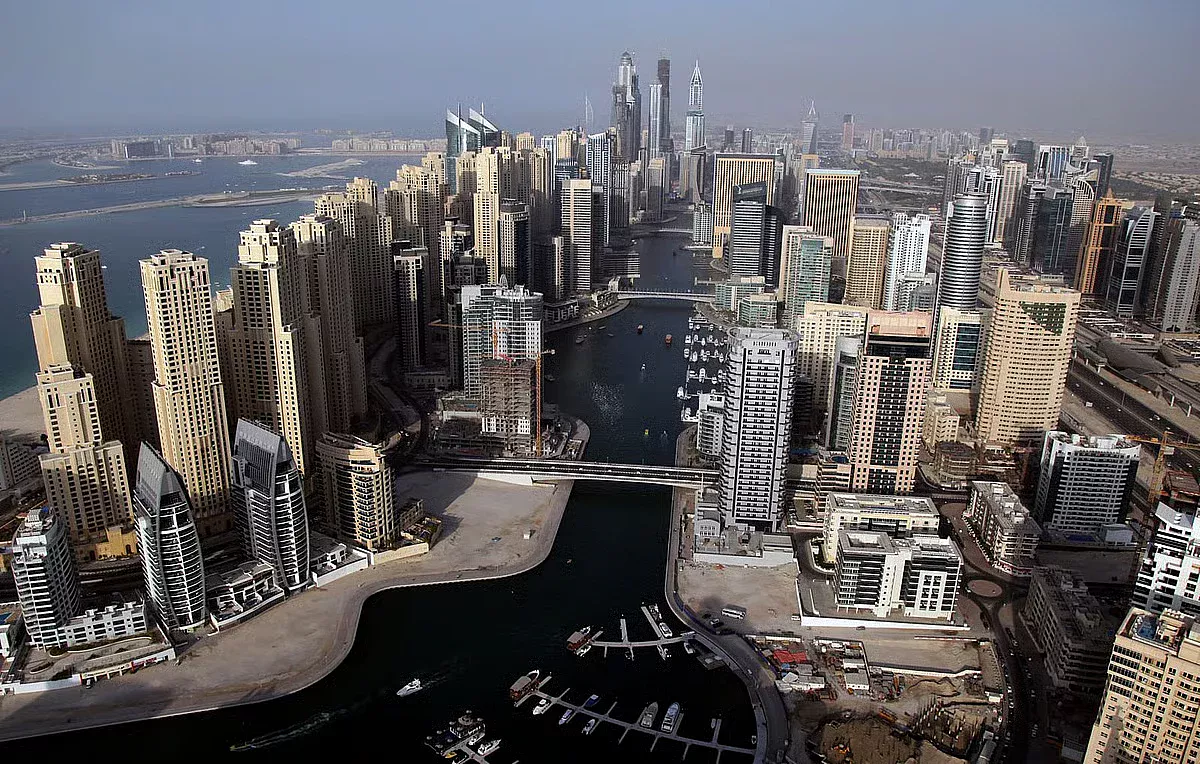
    As of now, Emaar Development has delivered over 80,500 residential units since 2002 and currently has around 51,000 units under development in prominent Dubai communities like Dubai Hills Estate, Arabian Ranches, Downtown Dubai, Dubai Marina, and Emaar Beachfront.

    The company’s proposed dividend payout of Dh4 billion, pending shareholder approval, represents a 47% increase from the previous year, further underlining its strong financial performance.

    This remarkable growth reflects not just Emaar’s strategic capabilities, but also the broader confidence in Dubai’s property market, which continues to attract global investors with its dynamic and supportive ecosystem.

  • Aldar Unveils Exclusive Baccarat Residences in Saadiyat Cultural District

    Aldar Unveils Exclusive Baccarat Residences in Saadiyat Cultural District

    Abu Dhabi’s real estate landscape welcomes a new pinnacle of luxury with the launch of Baccarat Residences Saadiyat, a prestigious development by Aldar that combines architectural excellence, cultural significance, and unparalleled design.

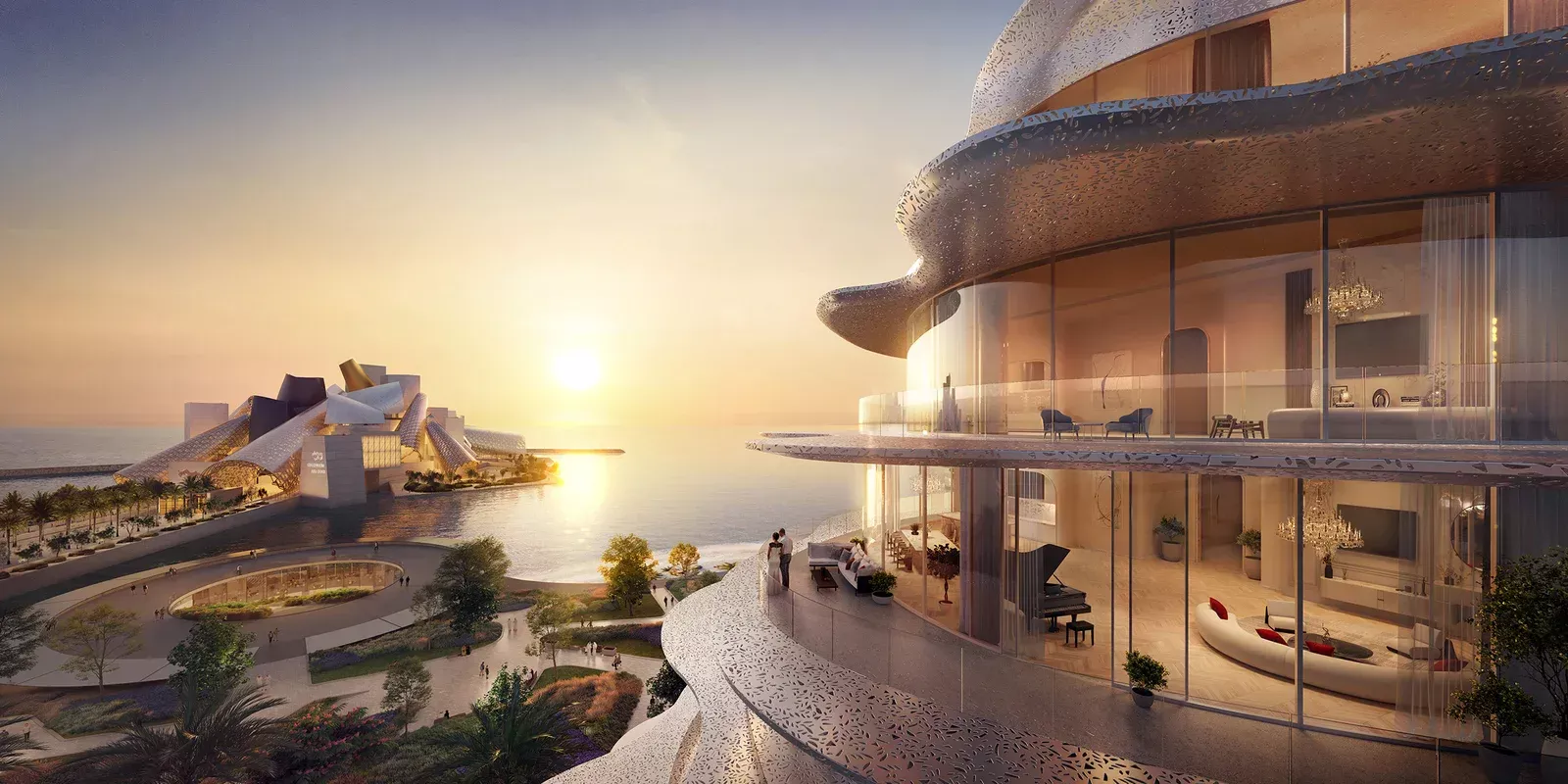
    Situated in the renowned Saadiyat Cultural District, the project comprises 77 exclusive homes, including two- and three-bedroom residences, four-bedroom sky villas, and two signature penthouses. The development marks the UAE residential debut of internationally acclaimed Sou Fujimoto Architects, whose design draws inspiration from the natural rhythm of Saadiyat Island’s shoreline.

    The residences offer panoramic views of iconic cultural landmarks, including the Guggenheim Abu Dhabi, Louvre Abu Dhabi, and the Arabian Sea. Each home integrates Baccarat’s 262-year heritage through subtle crystal detailing and a refined interpretation of the brand’s art de vivre philosophy.

    “Baccarat Residences are designed for those who seek more than a home — they are designed for a life immersed in culture, beauty, and luxury,” said Raul Leal, CEO of Starwood Hotels.

    The development offers exclusive amenities, including a private residents-only spa, wellness centre, state-of-the-art fitness suite, and an outdoor infinity pool. Additional services include 24-hour concierge, valet, and priority access to Baccarat events.

    Located in the final phase of Saadiyat Grove district, residents will enjoy proximity to pristine beaches, Saadiyat Beach Golf Club, and leading educational institutions like NYU Abu Dhabi and Berklee Abu Dhabi.

    This launch reinforces Abu Dhabi’s position as a global destination for luxury lifestyle, offering discerning buyers an opportunity to own a piece of an extraordinary cultural and architectural narrative.

  • Moon Dubai: Founders Clarify Ambitious $5 Billion Project Timelines

    Moon World Resorts, a Canadian design studio and intellectual property licensor, is planning an ambitious global project that has captured international attention, with the Middle East firmly in its sights. The proposed development is a massive spherical structure designed as a unique tourism destination that promises to blend space exploration, hospitality, and immersive experiences.

    Key highlights of the Moon project include:

    • A massive spherical structure described as “the largest sphere in the world”
    • A fully integrated destination resort with convention centers, hotels, and restaurants
    • A simulated lunar surface and base for space tourism experiences
    • 10,000 surrounding residential units
    • Potential first location in the Middle East by 2032

    While Dubai has been a focal point of speculation, the founders emphasize that no specific location is confirmed. “The Middle East Gulf will definitely have a Moon for sure,” said Henderson, noting that government backing and a suitable regional development partner are crucial.

    The project’s timeline is more measured than social media rumors suggest. “Social media is saying Dubai will open in 2027. We look at it and have a chuckle,” Henderson explained. A realistic launch is projected around 2032, with ground potentially breaking in 2027.

    Pricing is designed to make the experience accessible, with a 90-minute lunar surface experience priced at $500. The developers aim to welcome 2.5 million visitors annually to the lunar surface.

    Potential developers are limited, with Henderson highlighting only a few capable of undertaking such a large-scale project: Emaar, Aldar in Abu Dhabi, and Qatari Diar.

    While the project remains in conceptual stages, it represents an ambitious vision of future tourism that combines technology, entertainment, and space exploration.

  • Dubai Property Market Sets Record with Dh15.6 Billion Single-Day Transactions

    Dubai Property Market Sets Record with Dh15.6 Billion Single-Day Transactions

    The Dubai Land Department’s data reveals an unprecedented surge in real estate activity, with sales reaching Dh11.4 billion covering land, residential units, buildings, mortgages, and property gifts. This landmark achievement reflects the emirate’s diverse and expanding property market.

    Badar Rashid AlBlooshi, Chairman of Arabian Gulf Properties, emphasized the significance of this milestone, stating that it represents strong confidence from both local and international investors in Dubai’s real estate sector. The transaction volume underscores the city’s ability to attract large-scale investments in a globally competitive environment.

    The market’s momentum is supported by gradually easing property prices. In December 2025, property prices stabilized, reaching Dh1,673 per square foot—105% above the market’s 2020 trough and 35.7% above the 2014 peak.

    Real estate consultancy Cushman & Wakefield Core predicts that 2026 will be characterized by more selective, fundamentals-driven performance. The continued attraction stems from broader economic growth, corporate expansion, and Dubai’s strengthening position as a global business hub.

    The record-breaking day signals a promising trajectory for Dubai’s real estate market, attracting both residents transitioning to property ownership and foreign investors seeking attractive opportunities.

  • Dubai Tenants May Return in 2026 as Rental Market Stabilizes

    Real estate industry executives predict a significant shift in Dubai’s rental market in 2026, with potentially thousands of tenants returning to the emirate. Property Monitor data reveals that 648 projects were launched in 2025, introducing over 167,000 units to the market.

    Harrison Rackham-Beadle, sales director of haus & haus, highlighted the emerging opportunities: “The wave of new supply expected from 2026 onwards will give tenants something they’ve lacked for a while: choice. As handovers increase in popular communities such as JVC and Dubai Hills Estate, tenants will benefit from more options and gain bargaining power.”

    Key factors driving potential tenant return include:

    • Slowing rent increases
    • More competitive pricing
    • Reduced commute times
    • Proximity to work and amenities

    Bhaskara Santosh Punuru from Arthouse Hills Arjan noted that developers offering properties in the Dh1 million to Dh2 million range could attract residents back from Ajman and Sharjah.

    Rohit Bachani of Merlin Real Estate cautioned that while supply appears significant, the market isn’t experiencing classic oversupply. “Much of this stock is either luxury-focused, investor-held, or not designed around how families and long-term tenants typically live,” he explained.