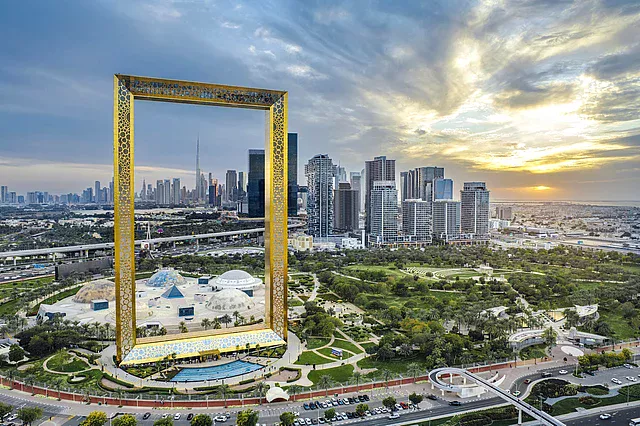
• Dubai Rents Cool as New Supply Reshapes Market

    Dubai Rents Cool as New Supply Reshapes Market

    Fresh data from Allsopp & Allsopp and industry analysts confirms the market is entering a more balanced phase, with demand remaining robust but rental inflation easing across several key segments. Industry experts characterize the shift as a maturing property cycle rather than a downturn, with rents expected to plateau in many communities as more units are handed over.

    Transaction Volumes Surge as Rental Growth Moderates

    Data from Allsopp & Allsopp for January revealed a 48 per cent surge in rental transaction volumes alongside a 5 per cent rise in total rental value, indicating that while tenant activity remains strong, rental growth is slowing compared with previous years. The moderation reflects growing supply and increased tenant choice across the emirate.

    Year-on-year figures from the Dubai Land Department point to further rebalancing. Rental renewals declined by 15 per cent in volume and 9 per cent in value, while new contracts slipped by 3 per cent in volume and 4 per cent in value, suggesting that tenants are negotiating more actively and exploring alternative options as new inventory enters the market.

    Average lettings prices across apartments, villas and townhouses have softened in some locations, with overall rental levels dipping in certain communities. This easing follows a period in which Dubai rents rose sharply amid strong population growth, limited supply and rising demand from global professionals and investors relocating to the emirate.

    After several years of consistent rental growth, we’re now seeing the market move into a phase of stabilisation. Demand remains strong, but as more supply comes to market — particularly apartments — the pace of rental increases is slowing. This is a healthy sign that the market is becoming more balanced and sustainable over the long term.

    Lewis Allsopp, chairman of Allsopp & Allsopp, emphasized the transition.

    Apartment Supply Drives Market Rebalancing

    Supply growth is emerging as a key driver of the shift. In the sales market, nearly 80 per cent of recent off-plan transactions have been apartments, with off-plan deals accounting for 78 per cent of total sales value. As these projects reach completion and enter the leasing market, they are expected to exert downward pressure on apartment rents, especially in mid-market and emerging communities.

    Apartment rentals have already recorded a year-on-year dip in both volume and value, and further adjustments are anticipated as additional units are delivered. In contrast, villa and townhouse rents remain relatively resilient due to limited new supply and continued demand from families seeking larger homes and lifestyle communities.

    Tenant Demand Remains Strong

    Despite signs of stabilization, tenant demand remains strong. Allsopp & Allsopp reported a 70 per cent month-on-month increase in listings, a 50 per cent rise in tenant registrations and a 53 per cent jump in property viewings in January, reflecting sustained interest from new residents and relocating professionals. Dubai’s population growth — driven by business expansion, visa reforms and its safe-haven status — continues to underpin rental demand.

    According to a recent report by property consultancy CBRE, average residential rents in Dubai rose by around 17 per cent in 2025 but the pace of growth is expected to slow significantly in 2026 as supply increases.

    The residential market is transitioning towards a more sustainable trajectory, with rental growth moderating as new completions provide tenants with greater choice.

    Knight Frank echoed a similar view, stating that while prime villa and waterfront locations may continue to command premium rents, broader market conditions are shifting towards equilibrium. “Dubai’s strong population growth and economic expansion will continue to support rental demand, but the scale of new supply scheduled for delivery over the next two years is likely to temper rental inflation,” the consultancy said in a recent research note.

    Market Entering Recalibration Phase

    Market watchers say Dubai’s rental market is entering a phase of recalibration rather than contraction. With demand still supported by economic growth, job creation and continued inflows of global talent, analysts expect rents to stabilise across much of the market through 2026, creating a more sustainable environment for both tenants and landlords.
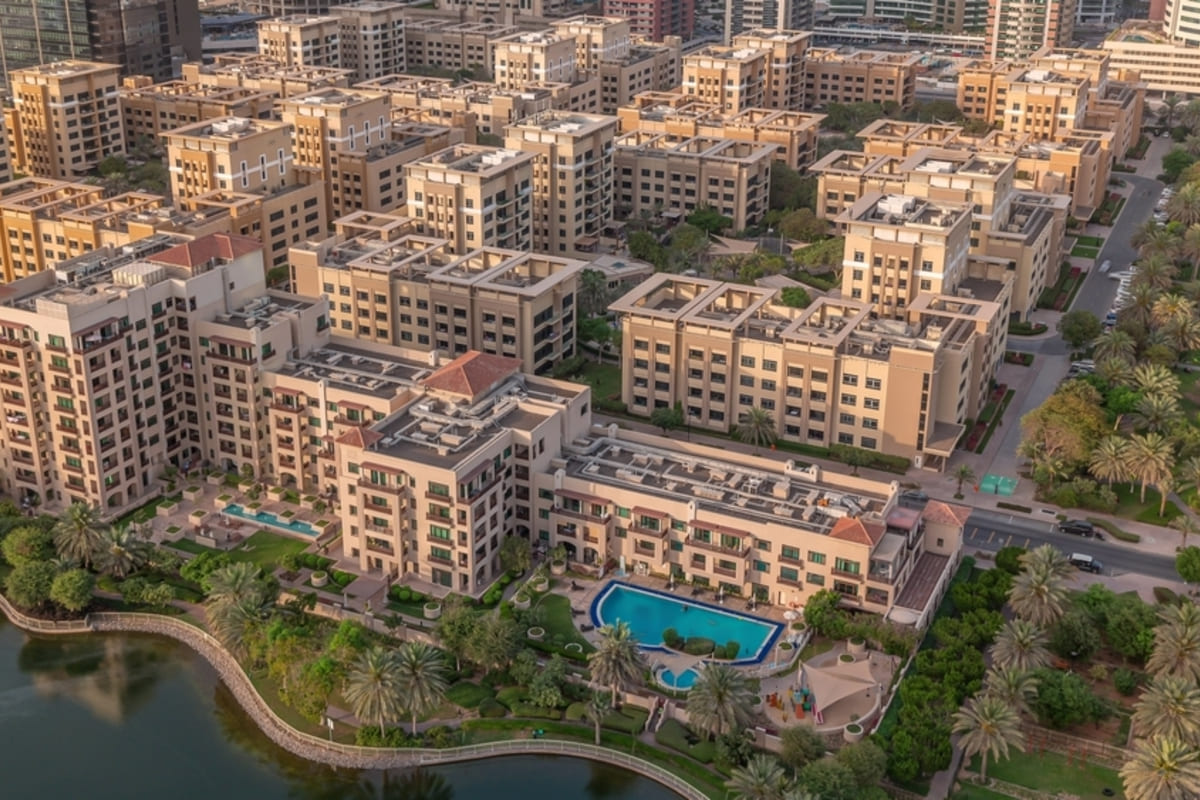
  • Dubai Rental Market Stabilizes as Supply Eases Price Growth

    Dubai Rental Market Stabilizes as Supply Eases Price Growth

    Dubai’s rental sector is experiencing a significant market recalibration according to latest data from the Dubai Land Department and Allsopp & Allsopp, with new supply beginning to ease the price pressure that characterized recent years. In January 2026, rental transaction volumes jumped 48% alongside a modest 5% rise in total rental value, indicating that rents are no longer accelerating at the pace witnessed in previous periods.

    Year-on-year figures reveal further market rebalancing, with renewals declining 15% in volume and 9% in value, while new rental contracts fell 3% in volume and 4% in value. The average lettings price across apartments, villas, and townhouses dropped 25% year-on-year, demonstrating that pricing pressure is easing across key segments.

    Lewis Allsopp, Chairman of Allsopp & Allsopp, noted that after several years of consistent growth, the market is moving into a phase of healthy stabilization as more supply, particularly in the apartment sector, enters circulation. This development follows record-breaking rental contract values recorded throughout 2025.

    Supply Dynamics Reshape Market Balance

    Supply is playing a central role in this transition. In the sales market, nearly 80% of January’s off-plan transactions were apartments, with off-plan properties accounting for 78% of total sales value. As apartment inventory increases significantly compared to villas and townhouses, the expanded pipeline is expected to place further downward pressure on apartment rents.

    Apartments have already recorded an 11% year-on-year decline in rental volume and 5% in value, marking the segment where the most significant price adjustment is anticipated. In contrast, villas and townhouses remain more supply-constrained, with a 10% dip in rental volume year-on-year and just over 1% in value, though prices remain competitive for tenants.

    Robust Tenant Activity Persists

    Despite stabilizing prices, demand remains robust across Dubai’s rental market. Month-on-month, Allsopp & Allsopp reported a 70% increase in listings, 50% growth in registrations, and a 53% rise in viewings compared to December 2025. This demonstrates continued tenant activity, though January typically experiences heightened engagement due to seasonal resident inflows at year start.

    The data points toward a maturing rental market where strong demand is balanced by growing supply, creating conditions that favor sustainability over speculation. This trend aligns with broader population growth dynamics as Dubai’s residential base expands beyond four million residents.

    Market Outlook and Implications

    Industry analysts expect rental prices to continue stabilizing throughout 2026 as additional residential projects reach completion. The current market correction represents a healthy adjustment after years of rapid appreciation, potentially improving affordability for residents while maintaining Dubai’s attractiveness as a global real estate destination.

    The stabilization phase may also encourage long-term renters to transition toward home ownership, particularly as developers offer competitive pricing and flexible payment structures. This dynamic could further reshape Dubai’s residential landscape in the months ahead, balancing rental and ownership markets as the emirate continues its rapid urban expansion.

  • Dubai Rental Contracts Hit Dh126 Billion in 2025

    Dubai Rental Contracts Hit Dh126 Billion in 2025

    Dubai’s rental market demonstrated robust momentum throughout 2025, with registered tenancy contracts climbing to 1.38 million agreements valued at Dh126.4 billion, according to data released by the Dubai Land Department. The 17% increase in contract values and 6% rise in volumes underscore strong residential mobility driven by population growth exceeding four million residents.

    New tenancy agreements reached 513,000 contracts during the year, representing a 10% annual increase that highlights continued demand from residents entering Dubai’s housing market. Contract renewals advanced 3% to exceed 514,000 agreements, indicating stable occupancy levels and improved tenant retention rates.

    The performance reflects a maturing rental ecosystem supported by regulatory clarity and diversified housing options. The sector continues to play a central role in attracting talent and supporting long-term economic growth across the emirate.

    Construction Pipeline Expands Sharply

    Development activity maintained strong momentum through 2025, with completed projects rising 7% to 124 developments. The total value of completed projects jumped 23% to Dh27.5 billion, reflecting confidence among developers and investors.

    Projects under construction expanded 25% to 937 developments, signaling a robust pipeline of future supply. The continued pace of delivery aligns with long-term demand driven by job creation and sustained investor inflows.

    Property transactions recorded exceptional performance, with units sold climbing 25% to 147,500 properties. Total transaction value surged 30% to Dh280 billion, as higher-value homes led much of this growth. Villa sales values rose even as volumes declined, pointing to a shift toward premium real estate assets.

    Brokerage Sector Doubles Capacity

    Real estate licensing activity surged in parallel with market expansion. The number of registered real estate offices reached 4,122 during the year, more than doubling from the previous period and bringing Dubai’s total active offices to over 10,000.

    Authorities issued 14,364 real estate licenses across various activities, with brokerage services dominating the mix. More than 6,000 licenses covered sales brokerage, while over 3,500 addressed leasing brokerage. Additional licenses spanned transaction services, development activities, property supervision, and consultancy.

    The growth reflects rising demand for professional services across the real estate value chain and highlights the strength of Dubai’s regulatory framework, which aims to enhance transparency and support investor confidence.

    Market Outlook

    The sustained growth of Dubai’s rental sector aligns with the emirate’s long-term economic strategies, including initiatives aimed at improving quality of life and strengthening global competitiveness. Industry analysts note that 390,000 new residential units expected by 2030 will help balance supply with continued population expansion.

    The steady rise in both new and renewed contracts suggests a balanced market environment supported by strong regulation, diversified housing supply, and consistent population growth. Recent data shows commercial sectors following similar trajectories, reinforcing Dubai’s position as a comprehensive real estate investment destination.

  • RTA Awards Phase II Contract for Hessa Street Development

    The contract award follows directives from Dubai’s leadership to advance the road infrastructure network in support of sustained development across residential and commercial corridors. The project is designed to support the emirate’s rapid urban growth and rising population.

    His Excellency Mattar Al Tayer, Director General and Chairman of the Board of Executive Directors of the Roads and Transport Authority, confirmed that Phase II builds directly on the progress of the first stage.

    “Phase II of Hessa Street Development complements Phase I, which will be fully completed in the first quarter of 2026,” Al Tayer said.

    The 3-kilometre Phase II project includes upgrading three major intersections through the construction of bridges extending 8,835 metres in total and a 480-metre tunnel. Improvements to entry and exit points along several connecting roads are also part of the scope.

    Once complete, Hessa Street’s capacity will increase by 100 per cent, from 4,000 vehicles per hour to 8,000 vehicles per hour. The development will serve 10 residential and key development areas and benefit an estimated 650,000 residents.

    Complex Engineering Across Major Junctions

    Phase II extends from Al Khail Road to Sheikh Mohammed bin Zayed Road and includes a major upgrade of the Al Khail Road–Hessa Street interchange. The project will expand Hessa Street from two lanes to four lanes in each direction.

    The scope includes the construction of grade-separated collector roads to accommodate loop movements, a two-lane second-level direct ramp serving traffic from Hessa Street to Al Khail Road towards Abu Dhabi, and a third-level two-lane flyover facilitating traffic from Al Khail Road to Hessa Street towards Sheikh Mohammed bin Zayed Road.

    “The total length of bridges reaches 2,215 metres, with the upgraded interchange expected to accommodate 18,200 vehicles per hour,” Al Tayer said.

    The project will also deliver a 525-metre, two-lane braided ramp designed to eliminate traffic overlap between Al Khail Road and Al Khamila Street. The ramp is expected to accommodate approximately 2,800 vehicles per hour.

    Further enhancements will target the Al Khamila Street junction with Al Khail Road and Al Asayel Street, comprising a 1,650-metre second-level directional ramp serving traffic from Al Khamila Street to Al Khail Road towards Sharjah, with a two-lane capacity.

    The project also includes a 780-metre bridge providing entry and exit between Al Khamila Street and Jumeirah Village Circle (JVC), featuring three lanes in each direction. Elevated link ramps extending 1,050 metres will serve traffic movements from Al Khamila Street to Al Khail Road towards Abu Dhabi.

    An 885-metre direct elevated ramp with two lanes will serve traffic from Hessa Street to Al Barsha South 1. A 1,050-metre second-level direct directional ramp will facilitate traffic from JVC towards Al Barsha South.

    “The upgraded intersection will accommodate approximately 11,200 vehicles per hour,” Al Tayer added. “A 680-metre directional two-lane ramp from JVC to Hessa Street in the direction of Al Khail Road will generate a capacity of 16,800 vehicles per hour.”

    Al Tayer noted that Al Hadaeq Street will be widened from its intersection with Hessa Street to its junction at the entrance of Dubai Science Park, extending 2.5 kilometres. The corridor will be upgraded to a dual carriageway with three lanes in each direction, and all existing roundabouts will be converted into signalised intersections with an estimated capacity of 4,400 vehicles per hour.

    Cycling Network to Connect Residential Communities

    Beyond road widening, Phase II incorporates sustainable mobility components. The project includes a 10.4-kilometre cycling and e-scooter track linking Dubai Hills and Dubai Motor City. The route will serve several residential and development areas, including Al Barsha South, Arjan, Dubai Science Park, and Motor City.

    “The roads covered under Phase II of Hessa Street Development currently accommodate approximately half a million trips per day,” Al Tayer said. “The upgrade works increase road capacity by 100 per cent, from 4,000 vehicles per hour in each direction to 8,000 vehicles per hour in each direction, while reducing journey time from 24 minutes to five minutes.”

    He added that the project serves 10 key residential and development areas, including JVC, Arjan, Dubai Science Park, Al Barsha South, Jumeirah Lakes Towers, Jumeirah Islands, Barsha Heights, The Greens, and Emirates Hills.

    Phase I Opens in April

    RTA confirmed that Phase I of the Hessa Street Development will open in April, featuring completed bridges, upgraded intersections, and dedicated cycling infrastructure.

    Phase I focused on upgrading four major intersections at Sheikh Zayed Road, First Al Khail Street, Al Asayel Street, and Al Khail Road. Hessa Street was expanded from two lanes to four lanes in each direction, doubling capacity to 8,000 vehicles per hour. The phase also includes a 13.5-kilometre cycling track.

    In December 2024, RTA opened a key two-lane bridge extending 1,000 metres as part of Phase I. The structure facilitates traffic from Hessa Street to Al Khail Road, offering free-flow connectivity towards the city centre and Dubai International Airport and reducing travel time between the two corridors from 15 minutes to three minutes.

    Phase I also delivers a 13.5-kilometre dedicated cycling and e-scooter track along Hessa Street, linking Al Sufouh and Dubai Hills. The corridor enhances connectivity for residential districts including Al Barsha and Barsha Heights.

    The track integrates with Dubai Internet City Metro Station and nearby commercial and service destinations, strengthening first- and last-mile connectivity. Two architecturally distinctive cycling and pedestrian bridges form part of the corridor, one spanning Sheikh Zayed Road and the other crossing Al Khail Road. Each bridge measures five metres in width, allocating three metres for cycling and e-scooter use and two metres for pedestrians.

    The track has an estimated capacity of approximately 5,200 users per hour, reinforcing Dubai’s broader strategy to promote multimodal mobility and reduce reliance on private vehicles.

    The Hessa Street Development aligns with Dubai’s ongoing infrastructure expansion, which includes large-scale urban growth initiatives supporting the emirate’s rapidly growing population of over four million residents.

  • Dubai Office Market Values Surge to Dh13.1 Billion in 2025

    Dubai Office Market Values Surge to Dh13.1 Billion in 2025

    Dubai’s office sales value surged by 102% compared to 2024, reaching Dh13.1 billion in 2025, marking the strongest performance in more than a decade, according to a report published Monday by Cavendish Maxwell. Transaction volumes increased by more than 53% to reach 4,600 deals last year.

    The top five areas by transactional volume were Business Bay with 1,230 transactions, Jumeirah Lakes Towers with 1,067, Barsha Heights with 267, Dubai Silicon Oasis with 147, and Dubai Investments Park with 92 transactions.

    Dubai’s business ecosystem expanded significantly in 2025, with the Dubai Chamber of Commerce registering 71,830 new member companies, pushing total active membership to 292,486—a 13.2% increase year-on-year.

    Off-Plan Segment Drives Market Momentum

    Off-plan activity jumped dramatically in 2025, with almost 700% growth in sales compared to 2024, fuelled by tight supply of ready premises and attractive prices and payment plans that enabled investors to enter the market. The off-plan segment accounted for 35% of all sales in 2025, with 1,400 transactions.

    Total off-plan sales values grew almost six-fold to Dh4.6 billion in 2025 compared to Dh700 million the year before.

    “With high quality office stock still severely constrained, buyers will be looking for viable entry points to the market through new off-plan premises,” said Vidhi Shah, head of commercial valuation at Cavendish Maxwell.

    Price Appreciation Driven by Demand

    Strong interest from both occupiers and investors drove Dubai’s office sales prices up 25.9% in 2025, reaching Dh1,951 per square foot. Rising rents and reduced landlord incentives prompted some tenants to buy rather than lease, while investors participated aggressively in the market.

    Office rental rates increased by 22.9% year-on-year across the city, as occupancy levels tightened and landlord incentives reduced. The heightened demand, coupled with limited inventory in prime locations, intensified competition and fuelled price appreciation.

    The property consultant expects similar patterns in 2026 as off-plan sales continue to see high demand, positioning Dubai’s commercial real estate sector for sustained growth amid the emirate’s expanding economic landscape. The market’s performance reflects broader property market strength as business activity accelerates across the emirate.

  • RAK Prime Apartment Prices Hit Record High as RAK Central Emerges

    RAK Prime Apartment Prices Hit Record High as RAK Central Emerges

    Prime apartment prices in Ras Al Khaimah have reached the highest level in the current cycle, driven by strong capital appreciation across coastal destinations including Al Marjan Island, Al Hamra, and Mina Al Arab, according to CBRE.

    Global real estate consultancy CBRE reported that prime apartment sales prices hit Dh2,428 per square foot in 2025, marking the peak of the current market cycle. Villa prices also strengthened, rising to an average of Dh1,211 per square foot, with robust growth recorded within Al Hamra.

    Overall market values climbed sharply, with average apartment prices increasing 32 percent year-on-year and villa prices rising 11 percent.

    RAK Central Defines New Business Hub

    While Al Marjan Island anchors Ras Al Khaimah’s leisure-led identity, RAK Central is emerging as the emirate’s work-and-play district—a future business hub integrating offices, residences, hospitality, and lifestyle in one connected urban core.

    The development will require billions of dirhams in investment to accommodate over 6,000 professionals and 4,000-plus residential units, attracting numerous UAE developers who have launched multiple projects in the area.

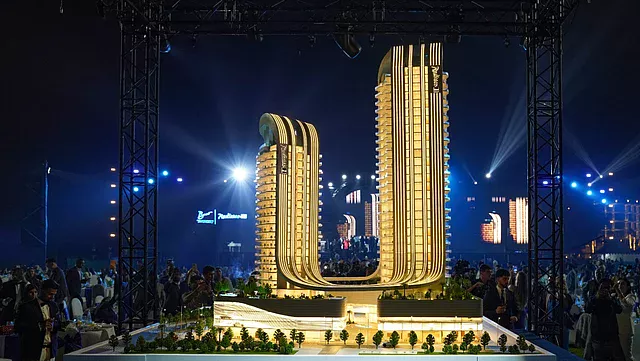
    BNW Developments recently announced the first Radisson Blu Hotel and Radisson Blu Residences in RAK Central.

    “RAK Central is a clear statement of where Ras Al Khaimah is headed, and we help drive that momentum alongside partners of global calibre,”

    said Dr Vivek Anand Oberoi, managing director and co-founder of BNW Developments.

    The Radisson Blu Hotel, RAK Central, will comprise 361 keys within a newly built property positioned above curated retail and cinema offerings, while Radisson Blu Residences will include 222 branded units.

    Elie Milky, chief development officer for the Middle East at Radisson Hotel Group, described entering RAK Central as “an exciting step” bringing a premium hotel and residential offering rooted in strong operations and consistent service.

    Tourism Growth Drives Development

    The much-awaited opening of the $5.1-billion Wynn Al Marjan Island, an integrated gaming resort, remains on schedule for early 2027 after topping out in the fourth quarter of 2025. This landmark project strengthens the profile of both Al Marjan Island and RAK Central as a world-class tourist destination.

    Ras Al Khaimah is targeting 3.5 million tourists by 2030, requiring substantial hospitality infrastructure across the emirate. RAK Central will play a key role in meeting this target and accommodating future tourist growth.

    According to CBRE, the emirate’s plan to reach 3.5 million visitors by 2030 and double its hotel keys is anchored by the strategic attraction of global brands and the addition of new master plans such as RAK Central, Marjan Beach, and the upcoming Jebel Jais master plan, alongside further expansion of Mina and Al Hamra Village.

    Despite a year-on-year reduction in overall sales volume and total transaction value—primarily due to mid-market launches in emerging districts like RAK Central—the market witnessed a strong rebound in the fourth quarter of 2025, underscoring ongoing depth of demand.

    For context, RAK’s 32% apartment price appreciation in 2025 positioned it among the UAE’s fastest-growing investment destinations, while neighboring markets continue their own expansion trajectories.

  • Dubai Population Exceeds 4 Million as Property Transactions Near Dh900 Billion

    Dubai Population Exceeds 4 Million as Property Transactions Near Dh900 Billion

    Dubai added nearly 18,000 residents in a single month by the end of August 2025, marking a demographic milestone that is directly fueling demand across rental and ownership segments, according to research from Savills Middle East.

    The sustained population growth, driven by employment expansion, business relocation, and international migration, has translated into measurable market activity. Dubai Land Department data shows property sales reached more than Dh680 billion in 2025 across over 200,000 transactions, the strongest annual performance on record.

    Total real estate transaction value, including mortgages and gifts, climbed to approximately Dh919 billion, highlighting exceptional market liquidity and depth.

    “When Dubai adds close to 18,000 residents in a single month, it has an immediate impact on market activity. We see it in enquiry levels, viewing volumes, and the pace at which well-priced homes transact,” said Alec James Smith, Head of Residential Sales and Leasing at Savills Middle East.

    New residents are entering the market across multiple price points, from mid-income professionals seeking apartments near employment hubs to high-net-worth individuals targeting prime waterfront and villa communities.

    Record Quarter Reflects Sustained Confidence

    Market momentum strengthened significantly in the second half of 2025, with the fourth quarter recording the highest quarterly sales value ever, exceeding Dh187 billion. Three consecutive record months during that period reflected steady engagement from both investors and end users rather than short-term speculative activity.

    Dubai’s prime residential segment demonstrated particularly strong performance, with nearly 6,000 transactions above Dh10 million completed during the year. Limited supply in established prime locations combined with ongoing wealth migration has helped sustain both price and rental resilience.

    Savills noted that Dubai continued to outperform many global residential markets through 2025, supported by population growth, job creation, and sustained international demand.

    Financing Conditions Improve as Rates Ease

    Financing conditions have begun to improve following recent interest rate reductions by the UAE Central Bank, which are expected to gradually ease mortgage costs. According to Savills, improving affordability typically translates into stronger buyer engagement over subsequent quarters, particularly among end users who had delayed purchasing decisions.

    Lower interest rates also enhance the relative attractiveness of property investment in Dubai, where rental yields remain competitive compared with global markets.

    Infrastructure-Led Development Will Shape Next Phase

    Rapid population growth places increasing emphasis on aligning supply with demand across locations, price ranges, and infrastructure readiness.

    “Dubai crossing the four million population mark is a clear signal of the city’s global appeal and economic momentum. The next phase of the market will be shaped by disciplined supply, infrastructure-led development, and a continued focus on quality,” said Andrew Cummings, Head of Residential Agency at Savills Middle East.

    The emirate is planning for a population of nearly six million residents by 2040, requiring continued coordination between development activity and infrastructure expansion.

    Population expansion, easing financing conditions, and strong transaction activity continue to reinforce confidence in Dubai’s residential market as it enters 2026, with demographic fundamentals providing a sustainable foundation for ongoing growth across multiple segments.

  • School Proximity Drives 35% Villa Price Surge in Dubai

    School Proximity Drives 35% Villa Price Surge in Dubai

    Mature villa neighborhoods with easy access to top-tier educational institutions are significantly outperforming the broader Dubai property market, with genuine end-user demand from families replacing speculative investment as the primary driver of growth.

    The latest Property Monitor Dynamic Price Index, tracking three-month moving average median prices per square foot across 42 master communities, reveals that education proximity has become a primary decision-making filter for villa buyers planning five to ten years ahead.

    Victory Heights leads the surge, with non-renovated villas posting annual price increases between 25% and 35%, while renovated properties rose 15% to 20%. Townhouses around the Dh5 million mark saw more modest gains of approximately 10%, partly due to mortgage loan-to-value restrictions on properties above this threshold.

    Matthew Bate, founder and CEO of BlackBrick, emphasized the fundamental shift in buyer behavior:

    Dubai’s villa market is being led by families planning five to ten years ahead, and education is central to that decision. School proximity is no longer a secondary consideration—it has become one of the primary decision-making filters.

    Arabian Ranches demonstrates similar pricing resilience, driven by sustained demand from families seeking proximity to Jumeirah English Speaking School (JESS). Non-renovated villas in the community have delivered annual gains of 20% to 25%, with high-end properties above Dh15 million achieving rental yields up to 7-8% when fully renovated.

    Annual tuition fees at leading British and International Baccalaureate schools in Dubai typically range from Dh95,000 to over Dh105,000, reinforcing the profile of buyers who prioritize convenience and long-term lifestyle planning over short-term investment returns.

    The trend mirrors patterns in mature global real estate markets such as London and Singapore, where properties near top schools consistently command price premiums. Knight Frank reported that Dubai’s prime villa market recorded double-digit growth through 2025, driven largely by expatriate families relocating for long-term residency.

    Faisal Durrani, partner and head of Middle East research at Knight Frank, observed:

    The shift toward end-user driven buying is making the market more stable and sustainable. Communities offering lifestyle infrastructure such as schools, parks and retail are seeing the strongest and most resilient price growth.

    CBRE data supports the education-driven narrative, reporting that average villa prices in Dubai rose by more than 20% in 2025, significantly outpacing apartment price growth as family buyers sought larger homes in well-established neighborhoods.

    Taimur Khan, head of research for the Middle East and Africa at CBRE, noted that villa communities with strong schooling options and established infrastructure continue to outperform, supported by limited supply and a growing base of long-term residents.

    The growing importance of education-linked property decisions is reinforcing long-term market stability. With many buyers committing to five- to ten-year ownership horizons, transaction volumes in mature villa communities are increasingly driven by end users rather than short-term investors, reducing volatility and supporting sustained capital appreciation.

    Industry analysts expect school proximity to remain a defining factor in villa pricing as Dubai continues to attract global talent and high-income families seeking long-term residency. With limited new supply in mature neighborhoods and strong demand from families prioritizing education and lifestyle, the emirate’s established villa communities are likely to maintain upward momentum through 2026 and beyond.

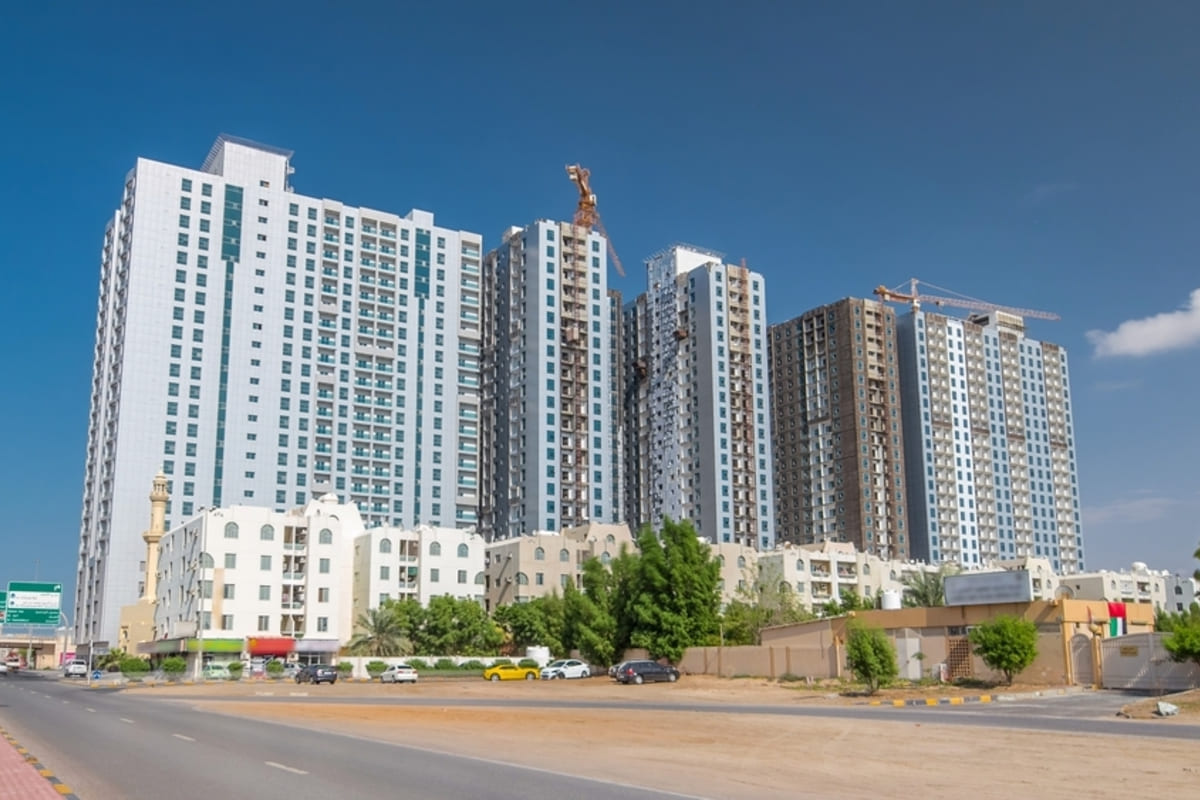
  • Ajman Real Estate Transactions Reach $288.6 Million in January 2026

    Ajman Real Estate Transactions Reach $288.6 Million in January 2026

    The emirate’s commercial real estate sector demonstrated exceptional strength in January 2026, capturing the largest share of valuation activity at AED626.5 million, significantly outpacing residential properties which recorded a combined value of AED329 million.

    Eng. Omar bin Omair Al Muhairi, Director-General of the Ajman Department of Land and Real Estate Regulation, noted that the 242 valuation transactions spanned a diverse range of assets including commercial, residential, and industrial properties.

    “These valuation activities encompassed a variety of transaction types, such as personal valuations, those tied to court proceedings and institutional needs, and others connected to long-term Golden Residence permits for investors,” Al Muhairi stated.

    The report revealed that specific transaction categories — including personal valuations, court-related proceedings, and Golden Residence applications — accounted for 167 transactions surpassing AED303 million in value.

    Beyond property valuations, Ajman’s broader real estate market recorded highly active January performance with 1,520 transactions valued at AED2.07 billion. This surge continues the upward trajectory from December 2025, which saw a 22% year-on-year increase in transaction volumes.

    The Al Helio 2 area emerged as a standout performer, recording the highest individual sales value at AED34 million and leading as the most-traded neighborhood. Among major developments, Emirates City maintained its position as the most active project, followed by City Towers and Ajman One.

    Mortgage activity demonstrated significant strength with 174 operations totaling over AED484 million, led by the Liwara 1 area. The robust figures underscore Ajman’s growing appeal as a value-oriented investment destination, driven by flexible payment structures and residency incentives.

    The emirate’s performance aligns with broader GCC real estate market momentum, as regional property sectors benefit from easing monetary conditions and infrastructure investment. Industry observers note that Ajman continues to attract first-time homebuyers and long-term investors seeking opportunities beyond saturated markets like Dubai, where prices rose 12.1% in 2025.

    The combination of competitive pricing, investor-friendly policies including the Golden Residence program, and strong transaction volumes positions Ajman for sustained growth through 2026.

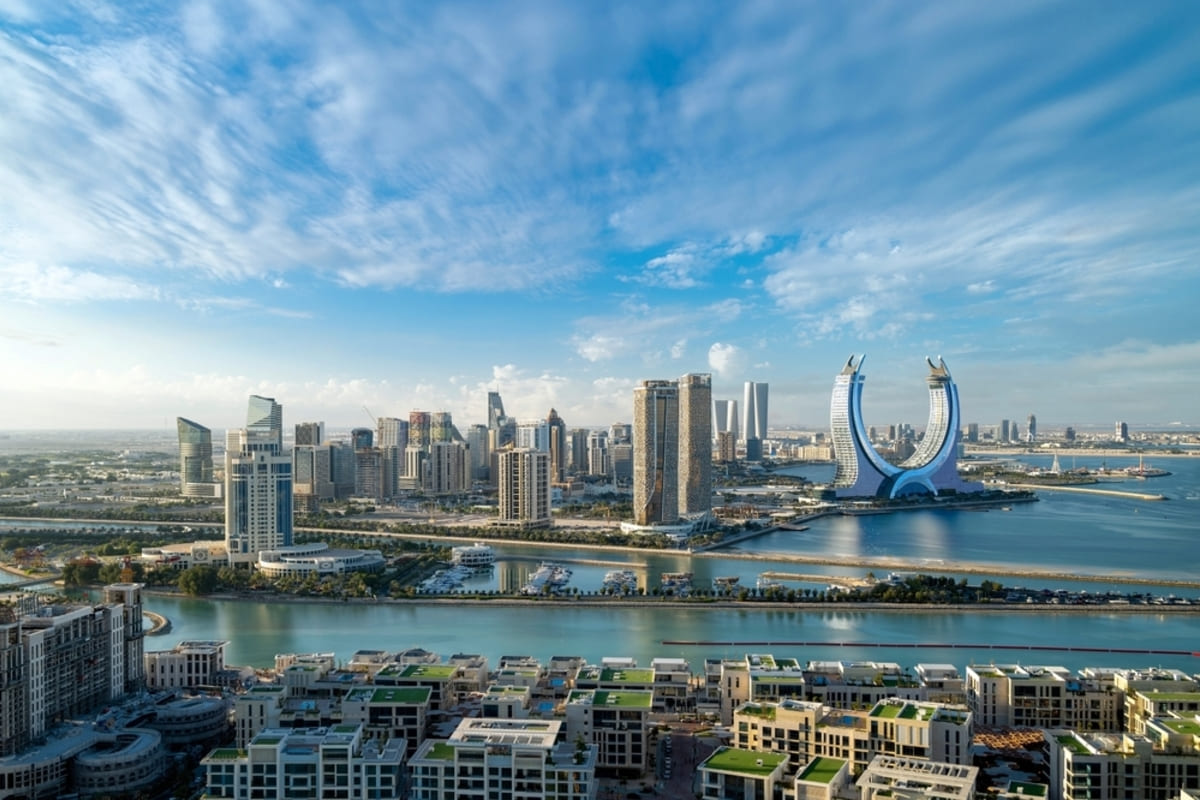
  • Qatar Real Estate Market Stabilizes as Residential Demand Shifts

    Qatar Real Estate Market Stabilizes as Residential Demand Shifts

    The residential real estate sector in Qatar has reached a period of relative stability, according to international strategy and consulting group ValuStrat, with the ValuStrat Price Index (VPI) registering a marginal quarterly decline of only 0.3%. Within this segment, villas have demonstrated stronger resilience than apartments, maintaining better capital value retention in high-end areas such as Al Waab and West Bay Lagoon.

    However, the rental market has faced more significant downward pressure, as residential rents decreased by approximately 1.5% compared to the previous half-year. This shift is largely attributed to a substantial influx of new housing supply entering the market in developing districts like Lusail and The Pearl.

    Prime Office Locations Maintain Stability

    In the commercial sector, the total stock of office space across the country reached an estimated 5.6 million square meters by the conclusion of 2025, with the city of Lusail contributing the largest portion of these new completions. Despite the increase in supply, prime office locations in West Bay managed to keep occupancy rates relatively stable at around 80%.

    A visible “flight to quality” trend has emerged, where corporate tenants are increasingly moving toward modern, high-tier spaces, placing secondary locations at higher risk for vacancies. Consequently, average office rental rates saw a year-on-year decline of 2% as landlords in newer districts adopted more competitive pricing strategies.

    Tourism Drives Hospitality Resilience

    The hospitality industry showed signs of resilience throughout the latter half of the year, bolstered by a steady rise in international visitor arrivals which reached nearly 4 million by late 2025. This increase in tourism has supported healthy performance metrics for hotels, particularly within the 4-star and 5-star categories, where Average Daily Rates and Revenue Per Available Room remained steady.

    Meanwhile, the retail sector continued to expand with the addition of several new community malls. However, analysts at ValuStrat suggest that organized retail space is nearing a point of saturation, forcing landlords to offer more flexible lease terms to attract and retain retail tenants.

    Market Transitions to Sustainable Growth Phase

    Looking ahead to 2026, the Qatari real estate market appears to be transitioning into a more mature phase characterized by a slowing of price corrections. Demand is expected to be increasingly fueled by long-term residents and the broader economic diversification goals outlined in the Qatar National Vision 2030.

    Government-led initiatives—specifically the expansion of residency rights for property owners—are projected to create a consistent floor for residential demand within freehold areas. According to ValuStrat, these factors combined suggest a market that is successfully adjusting to post-tournament economic realities while finding a new baseline for sustainable growth.

    The stabilization reflects a broader regional trend, as GCC real estate markets sustain momentum through easing monetary conditions and infrastructure investment across the Gulf.