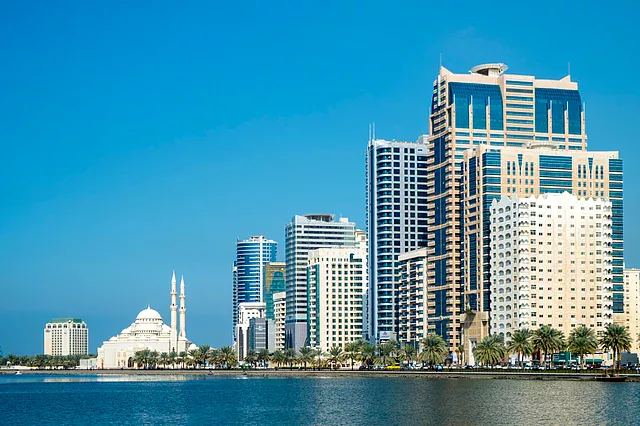
Dubai tenants now have access to significantly more flexible rental payment options following the launch of a new affordability initiative that allows residents to spread housing costs through monthly instalments and other customized payment arrangements.
The programme, branded as ‘Flexi Rents’, was unveiled by the Dubai Land Department (DLD) on June 23, 2026, and aims to reduce the financial burden of large upfront payments that have long characterized Dubai’s rental market.
Under the initiative, tenants can choose from a range of payment schedules including monthly, quarterly and semi-annual instalments, depending on the property and participating landlord. In some cases, payment schedules may be extended for up to 12 months, enabling residents to better align rent payments with their monthly income.
Relief from Upfront Payment Pressure
Khalid Al Shaibani, Director of Rental Affairs Section at Dubai Land Department, said the initiative reflects Dubai’s commitment to improving housing stability and ensuring residents have access to practical rental solutions.
“The Affordable Rental Initiative reflects Dubai’s commitment to promoting housing stability and supporting residents through flexible and accessible rental solutions,” Al Shaibani said.
Traditionally, most Dubai tenants pay rent through one, two, four or six cheques covering significant portions of their annual rent. While this system has functioned for years, it often requires residents to commit substantial amounts of money upfront, creating financial pressure for households managing other living expenses.
Additional Concessions and Benefits
Beyond flexible payment schedules, the initiative introduces several concessions designed to ease the cost of renting. Depending on the property owner or management company, tenants may benefit from grace periods, revised payment schedules and promotional offers. Some participating landlords may also waive rental increases or administrative fees typically associated with delayed cheque payments.
Tenants will be able to make payments through credit cards, debit cards and traditional cheques, offering greater convenience and flexibility. Importantly, the scheme is available not only to new tenants but also to existing residents who can approach participating landlords to explore whether their payment arrangements can be revised under the Flexi Rents framework.
Twelve Major Property Companies on Board
To support the rollout, DLD signed cooperation agreements with 12 major real estate companies operating in Dubai. These include Wasl Properties, Deyaar Property Management, Dubai World Real Estate, Modern Real Estate, Dubai Investment Real Estate, SBK Real Estate, Rocky Real Estate, SRG Properties, Harbor Real Estate, Driven Properties and Al Showaib Real Estate, among others.
Under the agreements, participating companies will apply the Flexi Rents model to eligible vacant and occupied residential units within their portfolios. They will also manage tenancy contracts, process payments and ensure tenants are aware of the flexible options available to them.
DLD will provide the regulatory and operational framework required for implementation, including technical support, system integration and oversight. The department will also promote participating properties through its official channels, including the Dubai REST application and other digital platforms.
Market Context and Strategic Alignment
The launch comes as Dubai’s property market continues its rapid expansion, fuelled by population growth, strong economic activity and sustained demand for housing across multiple income segments.
According to DLD data, nearly 1.2 million tenancy contracts, including both new leases and renewals, were registered in Dubai last year, highlighting the scale and importance of the emirate’s rental sector.
The initiative aligns with the Dubai Real Estate Sector Strategy 2033, which seeks to enhance the competitiveness of the property market through innovation, sustainability and customer-focused services. It also supports the goals of the Dubai Economic Agenda D33, which aims to strengthen Dubai’s position among the world’s leading cities for business, investment and quality of life.
Similar initiatives are emerging across the UAE. Abu Dhabi recently implemented a rent freeze to stabilize housing costs amid growing demand, while efforts to improve affordability have gained momentum across the region.
Expansion and Future Initiatives
While the initial phase covers 12 participating companies, officials expect the programme to expand gradually across Dubai’s real estate market. Al Shaibani indicated that Flexi Rents is only the first of several initiatives aimed at improving housing affordability and customer experience.
“This is only the beginning. More initiatives supporting the same objective of making Dubai the best city to live, work and enjoy will be announced in the coming months,” he said.
DLD will monitor the pilot phase through key performance indicators including the number of units enrolled, tenancy contracts signed under the Flexi Rents model, occupancy rates, tenant payment compliance and customer feedback.
For thousands of tenants facing rising housing costs, the ability to pay rent monthly rather than in large lump sums could offer welcome relief while reinforcing Dubai’s efforts to create a more inclusive and resident-friendly housing market.