Tag: Q1 2026

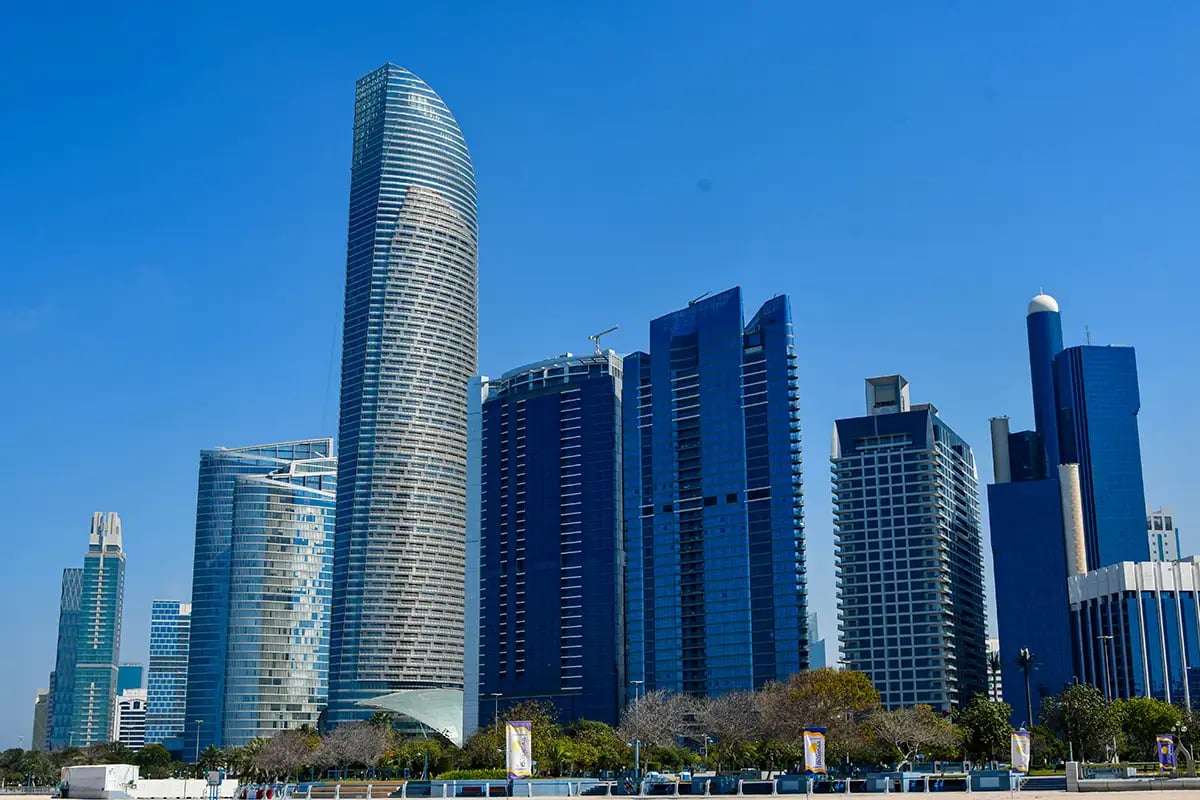
  • Abu Dhabi Approves 20.8M sqm of Development in Q1 2026

    Abu Dhabi Approves 20.8M sqm of Development in Q1 2026

    The Department of Municipalities and Transport (DMT) announced on June 17, 2026, that first-quarter development approvals reached 20.8 million square meters of gross floor area, up from 17.7 million square meters in Q1 2025, signaling accelerating momentum in Abu Dhabi’s construction pipeline.

    New permit requests rose to 5,096, up 14% year-on-year, reflecting fresh demand from developers initiating new projects across residential, commercial, and mixed-use segments.

    Work start notices — issued when approved projects break ground — climbed to 3,244, a 14.3% increase, while inspection requests surged 24.5% to 34,391, indicating high levels of on-site construction activity across the emirate.

    “These figures demonstrate the continued strength and resilience of Abu Dhabi’s development market. The growth we are seeing across approvals, project starts, and on-site activity reflects the confidence investors and developers place in the emirate as a stable, forward-looking destination for long-term capital,” said His Excellency Eng. Abdulla Mohamed Al Blooshi, Director General of the Urban Planning & Permits Centre at DMT.

    The Q1 performance builds on sustained momentum from 2025, when DMT approved 75 million square meters of gross floor area, a 137% year-on-year increase, with over 11,000 building permits issued across housing, manufacturing, technology, and hospitality sectors.

    Housing initiatives represented the largest share of development approvals, with nearly 190,000 residential units planned across new and existing neighborhoods. These include more than 158,000 market units and approximately 30,000 homes dedicated to UAE Nationals, supported by an extensive network of community amenities, including schools, healthcare facilities, community majlis, and retail destinations.

    “This sustained momentum reinforces the belief investors have in our vision for the future and underscores the effectiveness of the regulatory and service environment we have built to enable the emirate’s continued urban transformation,” Al Blooshi added.

    The surge in development approvals comes as Abu Dhabi positions itself for long-term growth, with the emirate’s population projected to reach six million by 2040. Recent government initiatives, including a Dh55 billion public-private partnership pipeline covering 24 infrastructure projects and a housing benefits package worth AED1.54 billion, underscore the emirate’s commitment to supporting residential and commercial expansion.

    The emirate’s property sector has also benefited from rent stabilization measures introduced earlier this month, aimed at maintaining housing affordability amid growing demand and double-digit rent increases in some segments.
  • Dubai Property Market Rebounds to 99% Activity in 51 Days

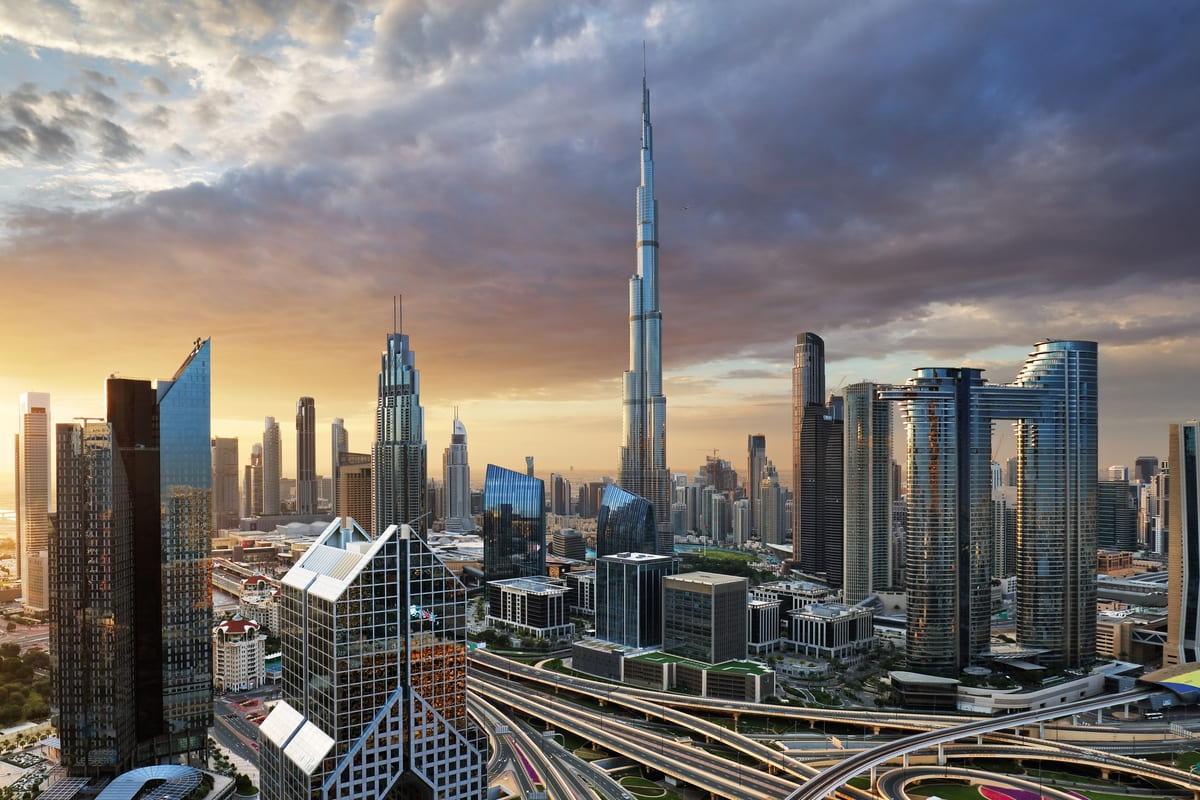
    Dubai Property Market Rebounds to 99% Activity in 51 Days

    Dubai’s real estate market has delivered a historic start to 2026, with first-quarter transactions reaching AED252 billion ($68.6 billion), marking a 31% increase compared to the same period last year, according to Dubai Land Department data released on May 11, 2026.

    The sector demonstrated remarkable recovery speed following regional geopolitical events, with total active users across digital property platforms returning to 99% of baseline levels in just 51 days, according to data from Bayut and dubizzle.

    International Demand Remains Stable

    The distribution of traffic between domestic and international property seekers showed no significant shift during the recovery period, reinforcing Dubai’s position as a stable global investment destination. The United Kingdom, Germany, and India continue to lead international markets actively pursuing opportunities in the emirate.

    India and Germany demonstrated particular resilience, recording smaller traffic decreases than other major markets during regional uncertainty in early 2026. This sustained international interest, combined with robust local participation within the UAE, propelled total engagement back to near-complete recovery within less than two months.

    “The property market in Dubai is increasingly guided by knowledgeable participants who give priority to data rather than impulse. The current observation is a rational market that has recently finished its most successful quarter on record,” said Fibha Ahmed, Vice President of Property Sales at Bayut and dubizzle.

    Ahmed noted that the steady demand split between local and international parties demonstrates that global investors are utilizing digital transparency to manage short-term volatility, supported by a professionalized workforce and real-time transaction data.

    Service Quality Reaches New Standards

    Beyond transaction volume, service quality has achieved new benchmarks, with 82% of property seekers describing agent performance as “Strong” throughout the recovery period, according to platform data.

    Villas Drive Market Momentum

    Demand for both off-plan developments and premium ready properties continues to fuel market growth. Established communities like Dubai Hills Estate saw viewing activity for ready apartments surge to 123% of normal levels.

    Emerging locations including Mohammed Bin Rashid City and Dubai South recorded healthy recoveries, with views reaching 92% and 63% of baseline levels respectively. Villa communities designed for end-users became the city’s recovery engine, with DAMAC Lagoons recording a 186% surge in viewing activity.

    The combination of record-breaking Q1 growth and rapid post-tension recovery underscores Dubai’s institutional-grade market stability and its status as a critical destination for high-value global capital. The emirate’s recent visa policy changes and infrastructure investments continue to support sustained investor confidence across all property segments.

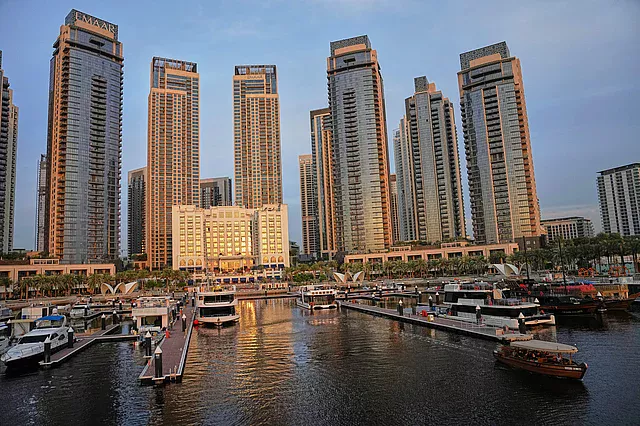
  • Dubai Rental Market Records Dh32.2 Billion in Q1 Contracts

    Dubai Rental Market Records Dh32.2 Billion in Q1 Contracts

    The emirate’s rental market demonstrated consistent performance through the opening months of 2026, with data from Dubai Land Department revealing balanced supply-demand dynamics and improved tenant retention across residential and commercial segments.

    Renewal Activity Outpaces New Contracts

    The 135,607 renewal contracts exceeded new agreements by a notable margin, indicating tenant satisfaction with current terms and locations. Industry analysts view this trend as evidence of market maturation, where both landlords and tenants have adjusted expectations following the sharp price movements of previous years.

    The 25% reduction in contract cancellations marks a significant shift from earlier volatility, suggesting fewer disputes over pricing and terms. This decline reflects the impact of Dubai’s rental regulations, which have helped standardize processes and protect both parties’ interests.

    Professional Services Sector Expands

    The number of registered real estate offices reached 10,200 during the quarter, while 3,599 new licenses were issued across various property-related activities. Brokerage services dominated the licensing landscape, with 1,564 permits for sales and purchases and 928 for leasing operations.

    Additional licenses covered property management, valuation, consultancy, mortgage brokerage, and auction services, highlighting the breadth of Dubai’s real estate ecosystem. This professional infrastructure supports market transparency and provides comprehensive service options for investors and residents.

    Market Context and Outlook

    The Q1 rental performance aligns with broader real estate trends observed across Dubai’s property sector. While off-plan apartment sales climbed 12.9% in March, the rental segment has maintained steady momentum without the dramatic price swings seen in previous cycles.

    The diverse service network—from leasing agents to valuation experts—continues to improve operational efficiency and market accessibility. These professional standards have become increasingly important as Dubai attracts international investors and corporate tenants seeking reliable long-term accommodation.

    With ongoing development projects and consistent tenant inflows, the rental sector is positioned to maintain current activity levels through mid-2026. The combination of regulatory clarity, professional service standards, and balanced market conditions suggests Dubai’s rental landscape has entered a more sustainable phase of growth.