Tag: Emaar

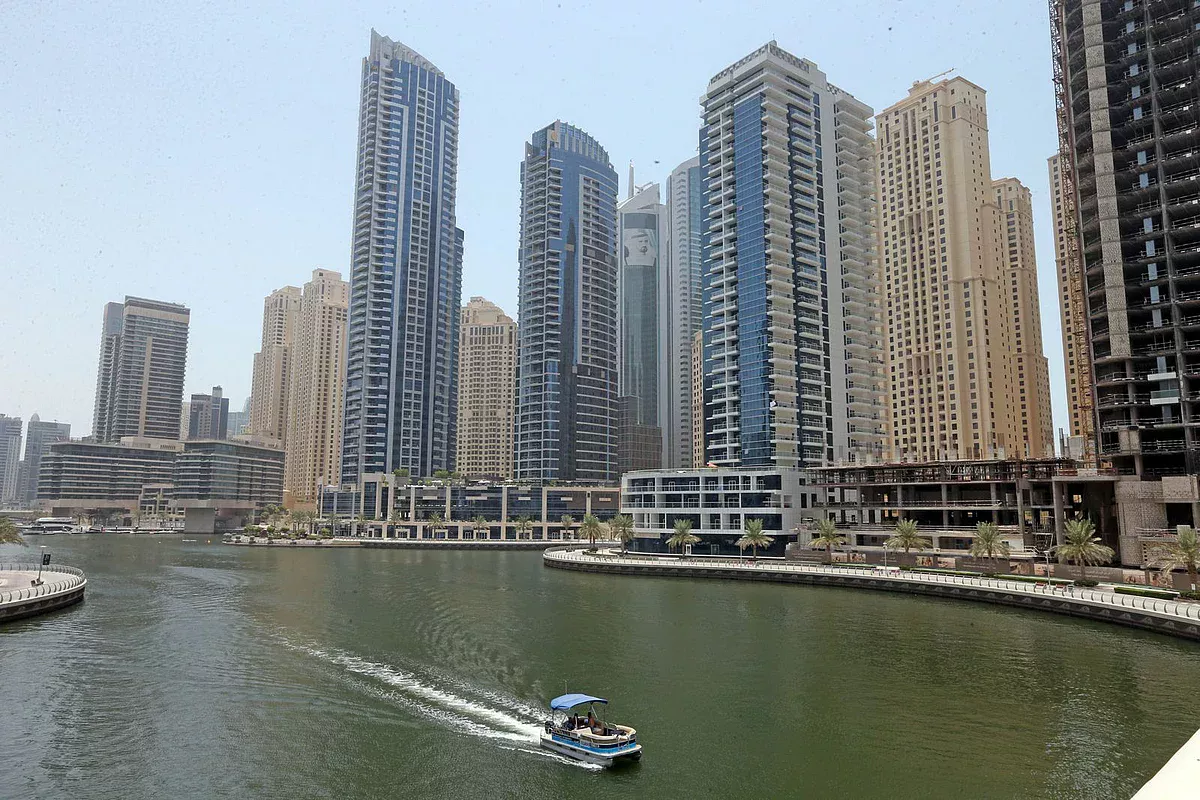
  • Dubai Ready-Home Transactions Surge 46.8% in Strongest Monthly Rise Since 2023

    Dubai Ready-Home Transactions Surge 46.8% in Strongest Monthly Rise Since 2023

    The emirate’s residential market recorded robust transaction activity in June even as the ValuStrat Price Index edged down to 220 points from 222.1 in May, bringing the cumulative decline in values since February 28 to 10%.

    Annual price growth remained broadly stable at 0.1%, with villa values easing to 293.7 points and apartment values slipping to 169.1 points against a January 2021 base of 100.

    Off-Plan Dominates Market Activity

    Registration for Oqood, Dubai Land Department’s official system for off-plan properties, rose 32% month-on-month and accounted for 75% of all residential sales in June, though registrations were 16% lower on an annual basis.

    The top property developers by transaction volume were Azizi (28.6%), Damac (7%), Binghatti (6.8%), Emaar (6.6%), Nakheel (3.8%), and Ellington (3.6%). Leading off-plan locations included Azizi Venice (26.1%), Dubailand Residence Complex (4.3%), Jumeirah Village Circle (4.1%), Jumeirah Islands (3.2%), and Majan (2.9%).

    Ultra-Prime Segment Remains Active

    A total of 19 ready-property transactions exceeded Dh30 million in June, including five deals priced above Dh50 million. These ultra-prime sales were concentrated across Palm Jumeirah, Dubai Hills Estate, Emirates Hills, Al Barari, Jumeirah Islands, Downtown Dubai, and DIFC.

    Villas and Apartments Show Mixed Performance

    Villa capital values declined 1.2% month-on-month, while apartment values dropped 0.6%. On an annual basis, the strongest villa gains were recorded in Jumeirah Islands (17.9%), Emirates Hills (10.7%), The Meadows (10%), The Villa (7.8%), and Mira (5.7%).

    However, declines were seen in Mudon (-5%), Victory Heights (-4%), International City (-3.2%), and Dubai Hills Estate (-2.8%). None of the villa communities tracked by the VPI posted monthly gains in June.

    Dubai’s older freehold villa communities are now valued 188% above post-pandemic levels and 76% above the 2014 market peak.

    The apartment VPI was down 3% year-on-year. DIFC led annual gains at 8.1%, followed by Dubai Sports City (6.6%), Dubai Silicon Oasis (6.4%), and Al Quoz Fourth (6%). By contrast, Burj Khalifa (-16.7%), Jumeirah Beach Residence (-13%), and Town Square (-5.7%) posted the sharpest annual declines.

    International City Phase 2 (0.1%) was the only community to register a marginal monthly gain. Overall, older freehold apartment prices remain 70% above post-pandemic levels but 8% below the 2014 market peak.

    The June performance comes as the UAE property market enters a mature phase, with investor sentiment remaining broadly positive despite continued appetite for premium assets and waterfront developments.
  • S&P Rules Out 2008-Style Crash for Dubai Property Market

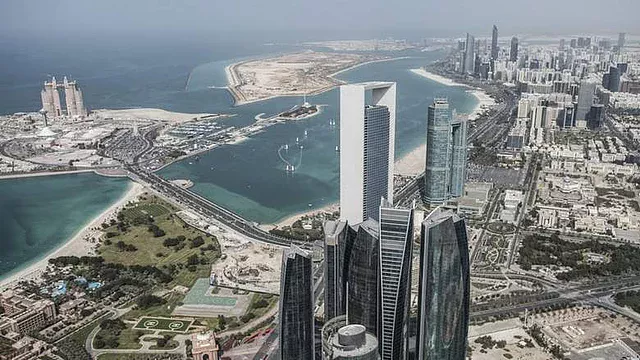
    S&P Rules Out 2008-Style Crash for Dubai Property Market

    Dubai’s real estate sector is structurally resilient and will not experience a collapse comparable to the 2008 global financial crisis, according to S&P Global Ratings analysts speaking at a March 26, 2026 webinar.

    The ratings agency highlighted that major developers have entered the current period of regional uncertainty from a position of strength, supported by years of robust pre-sales, solid revenue backlogs covering several years of operations, and healthy liquidity reserves.

    Four rated developers demonstrate stability

    S&P’s assessment covers four Dubai-based developers: Damac, Emaar, Omniyat, and Sobha Realty. Notably, Sobha Realty exceeded rating expectations and saw its outlook upgraded from negative to stable.

    “We’re not really seeing that play out just yet. The situation has definitely introduced a level of caution, but what we are seeing are lower transaction volumes,” said Sapna Jagtiani, director and lead analyst of Corporate Ratings at S&P Global Ratings.

    Developers in Dubai are entering this period from a position of strength, supported by strong pre-sales in recent years, solid revenue backlogs, and healthy liquidity buffers, which should help them absorb a short-term shock.

    Fares Shweiky, associate director of Corporate Ratings at S&P, emphasized that the current financial cushion should enable developers to weather short-term volatility.

    Base case scenario: temporary slowdown

    S&P’s base case assumes the regional military conflict will last approximately two to four weeks, with a temporary slowdown in demand and price appreciation following years of rapid growth. The agency expects a slight decline in transaction volumes but sees no indication of a broader market collapse.

    Jagtiani noted that some of the reduced activity can be attributed to Ramadan, when markets typically experience quieter periods with lower sales volumes.

    Market data shows resilience

    Despite regional tensions, Dubai’s property market continues to attract capital, with data from proptech firm Smart Bricks indicating that 85 percent of landlords are holding their assets and continuing transactions at scale.

    Even during Ramadan, traditionally a slower period, Dubai real estate recorded 15,196 transactions with a combined value of Dh50.58 billion, representing a 5.63% year-on-year increase in volume and a 29.7% increase in value, according to Kelt and Co Realty.

    Five-year growth trajectory

    Dubai’s property developers have recorded exceptionally strong sales over the past five years, driven by robust investor demand, government reforms, and the emirate’s expanding global appeal. Growth has been broad-based across apartments, villas, and commercial assets, with developers consistently launching projects met with strong off-plan demand and high absorption rates.

    The momentum continued through 2025, which marked a record-breaking performance for Dubai’s property sector. Developers benefited from sustained population inflows, rising investor confidence, and attractive residency policies that drove both end-user demand and international investment.

    The S&P assessment reinforces market sentiment that Dubai’s real estate fundamentals remain sound, with structural advantages and diversified buyer base providing support even as the region navigates geopolitical uncertainty. Unlike 2008, when overleveraged developers faced liquidity crises and massive project cancellations, today’s market operates with stronger financial controls, more conservative lending practices, and significantly improved regulatory oversight.