Tag: construction

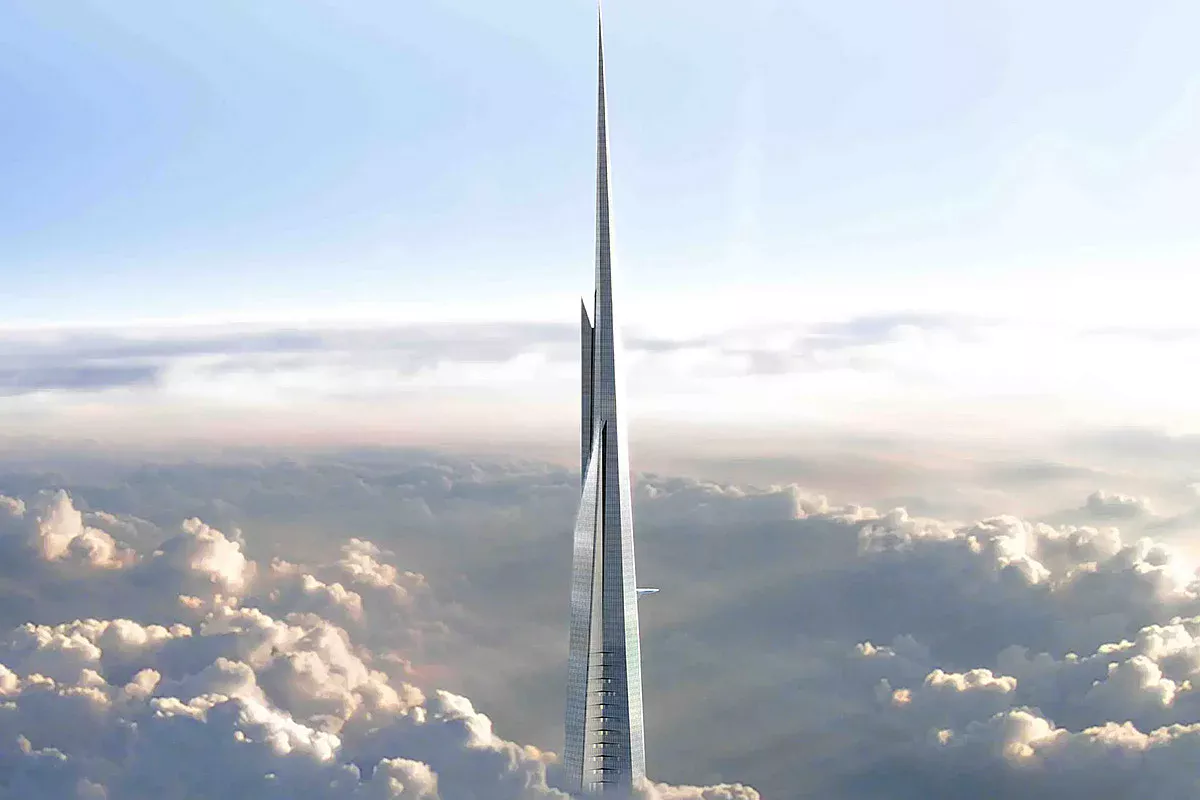
  • Jeddah Tower Reaches 430 Metres in Race to Surpass Burj Khalifa

    Jeddah Tower Reaches 430 Metres in Race to Surpass Burj Khalifa

    The construction milestone was confirmed by Saudi investor Prince Alwaleed bin Talal following a site inspection on July 29, 2026, offering one of the clearest public signals that work on the long-delayed project is gathering momentum.

    “Praise be to God, work is continuing, and we will complete the world’s tallest tower,” Prince Alwaleed said after meeting project teams at the construction site in Jeddah.

    The tower, which began construction in 2013, was suspended in 2018 due to financial and contractor-related challenges. Work resumed in 2025, with crews continuing to add floors to the landmark mixed-use development located within Jeddah Economic City.

    A New Global Icon

    Once completed, Jeddah Tower will exceed 1,000 metres in height, making it the first building in the world to cross the one-kilometre mark. The structure will house residential properties, a luxury hotel, office space, and one of the world’s highest observation decks.

    The tower will serve as the centrepiece of Jeddah Economic City, a 57-million-square-foot development designed to support Saudi Arabia’s ambitions in business and luxury tourism. The project is being developed by Jeddah Economic Company, which is backed by Prince Alwaleed’s Kingdom Holding Company.

    Design and Construction Teams

    Jeddah Economic Company is working with Adrian Smith and Gordon Gill Architecture, the firm behind Burj Khalifa’s design, alongside Thornton Tomasetti for structural engineering, Langan International, RWDI, Dar, and contractor Saudi Binladin Group.

    Current estimates point to completion around 2028, although the final timeline remains dependent on the pace of construction and project execution.

    Regional Context

    The progress on Jeddah Tower comes as the Gulf region continues to see significant activity in supertall construction. Dubai remains home to multiple skyscrapers under development, while Abu Dhabi has launched major waterfront projects as part of broader economic diversification strategies.

    Jeddah Tower’s advancement reflects Saudi Arabia’s push to establish itself as a key destination for international business and tourism, aligning with the kingdom’s Vision 2030 economic transformation agenda.

    With the structure now standing at 430 metres and construction teams accelerating work, the race to claim the title of the world’s tallest building has entered a new phase—one that will see the Gulf skyline reshaped once again.
  • Abu Dhabi Approves 20.8M sqm of Development in Q1 2026

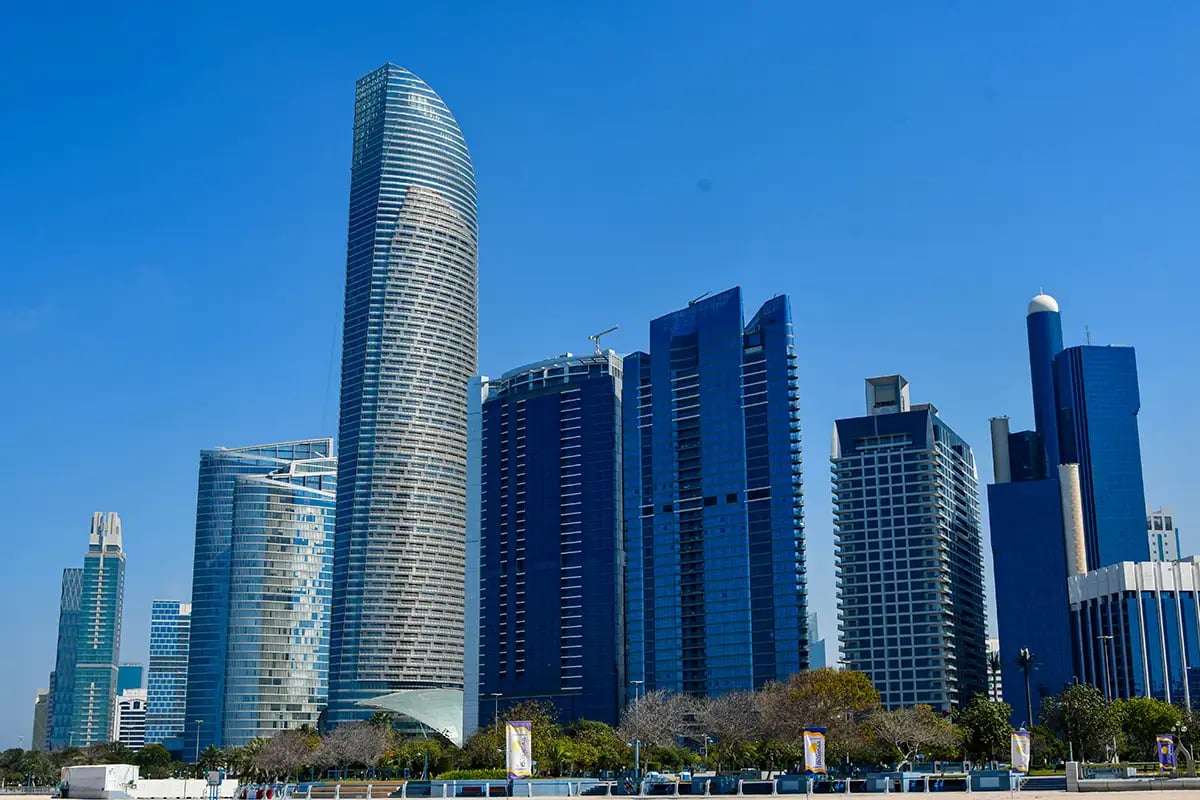
    Abu Dhabi Approves 20.8M sqm of Development in Q1 2026

    The Department of Municipalities and Transport (DMT) announced on June 17, 2026, that first-quarter development approvals reached 20.8 million square meters of gross floor area, up from 17.7 million square meters in Q1 2025, signaling accelerating momentum in Abu Dhabi’s construction pipeline.

    New permit requests rose to 5,096, up 14% year-on-year, reflecting fresh demand from developers initiating new projects across residential, commercial, and mixed-use segments.

    Work start notices — issued when approved projects break ground — climbed to 3,244, a 14.3% increase, while inspection requests surged 24.5% to 34,391, indicating high levels of on-site construction activity across the emirate.

    “These figures demonstrate the continued strength and resilience of Abu Dhabi’s development market. The growth we are seeing across approvals, project starts, and on-site activity reflects the confidence investors and developers place in the emirate as a stable, forward-looking destination for long-term capital,” said His Excellency Eng. Abdulla Mohamed Al Blooshi, Director General of the Urban Planning & Permits Centre at DMT.

    The Q1 performance builds on sustained momentum from 2025, when DMT approved 75 million square meters of gross floor area, a 137% year-on-year increase, with over 11,000 building permits issued across housing, manufacturing, technology, and hospitality sectors.

    Housing initiatives represented the largest share of development approvals, with nearly 190,000 residential units planned across new and existing neighborhoods. These include more than 158,000 market units and approximately 30,000 homes dedicated to UAE Nationals, supported by an extensive network of community amenities, including schools, healthcare facilities, community majlis, and retail destinations.

    “This sustained momentum reinforces the belief investors have in our vision for the future and underscores the effectiveness of the regulatory and service environment we have built to enable the emirate’s continued urban transformation,” Al Blooshi added.

    The surge in development approvals comes as Abu Dhabi positions itself for long-term growth, with the emirate’s population projected to reach six million by 2040. Recent government initiatives, including a Dh55 billion public-private partnership pipeline covering 24 infrastructure projects and a housing benefits package worth AED1.54 billion, underscore the emirate’s commitment to supporting residential and commercial expansion.

    The emirate’s property sector has also benefited from rent stabilization measures introduced earlier this month, aimed at maintaining housing affordability amid growing demand and double-digit rent increases in some segments.