Tag: Abu Dhabi

  • Sheikh Khaled Inaugurates $201 Million Al Samha Housing Project in Abu Dhabi

    Sheikh Khaled Inaugurates $201 Million Al Samha Housing Project in Abu Dhabi

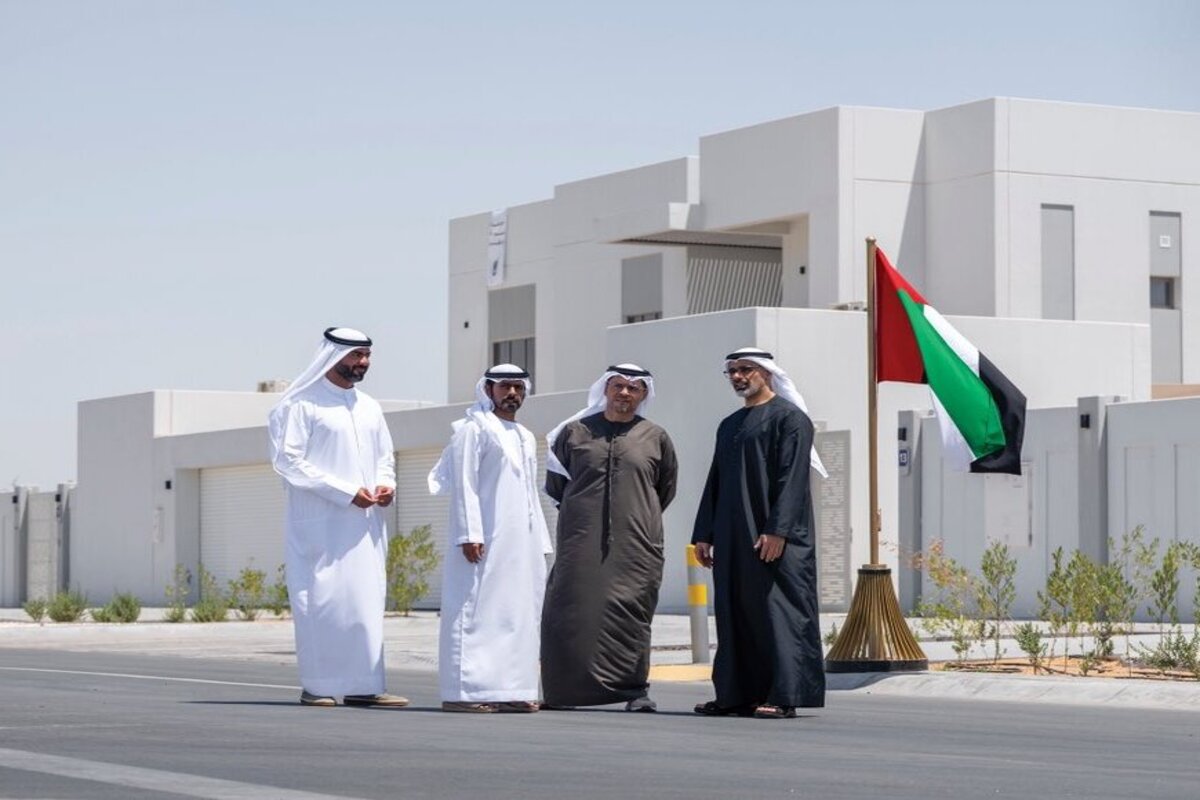
    Abu Dhabi has unveiled another milestone in its mission to deliver sustainable, fully serviced residential communities that enhance quality of life for Emirati families. The Al Samha Housing Project, inaugurated by His Highness Sheikh Khaled bin Mohamed bin Zayed Al Nahyan, Crown Prince of Abu Dhabi and Chairman of the Abu Dhabi Executive Council, represents a comprehensive approach to urban planning that goes beyond housing to create integrated neighborhoods.

    During the visit, His Highness was briefed on the project’s design specifications and key features, including its comprehensive infrastructure and public service facilities. The development covers 50 hectares and includes 242 villas, each built on a 1,080-square-meter plot with a total built-up area of 505 square meters.

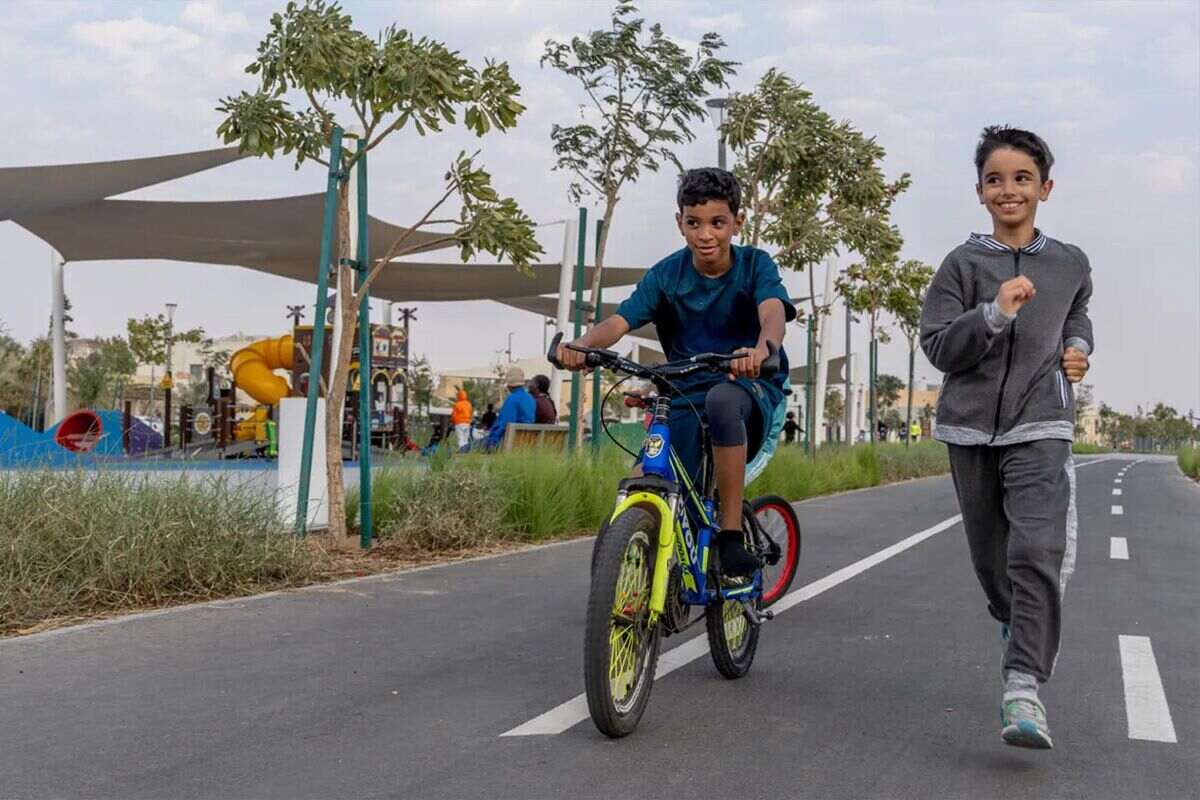
    The project incorporates 33 public parks and green spaces, a mosque spanning 1,228 square meters with capacity for 644 worshippers, two commercial complexes containing 38 retail outlets, and a 3-kilometer cycling track. The development was delivered by the Abu Dhabi Housing Authority (ADHA) in partnership with the Abu Dhabi Projects and Infrastructure Centre (ADPIC), in line with the highest quality standards and international best practices.

    “The project reflects a commitment to providing world-class housing options aligned with the leadership’s vision for stable and well-served communities,” stated Mohamed Ali Al Shorafa, Chairman of the Department of Municipalities and Transport and Chairman of ADHA.

    Officials highlighted that the Al Samha Housing Project reflects the leadership’s commitment to developing fully integrated and sustainable residential communities that support family wellbeing, prosperity and a high quality of life. Abu Dhabi’s housing approach focuses on building comprehensive communities that integrate housing, services and modern infrastructure to enhance social wellbeing and empower Emirati families.

    The project is part of the Emirati Neighbourhood Initiative led by ADHA, which aims to deliver modern housing within well-planned communities that promote social stability and support urban development across the emirate. This initiative aligns with Abu Dhabi’s sustained housing support, which has exceeded AED5.76 billion in 2026.

    Hamad Hareb Al Muhairi, Director-General of ADHA, noted that the project marks an important milestone in meeting citizens’ housing needs, with careful planning to ensure it aligns with Emirati family requirements in terms of space, design and community facilities.

    The Al Samha development demonstrates Abu Dhabi’s long-term commitment to creating liveable, sustainable urban environments as the emirate’s population heads toward six million by 2040. The project contributes to the broader vision of transforming Abu Dhabi into a destination that balances strategic growth with quality of life, reinforcing the emirate’s position as a regional leader in planned urban development.

  • Abu Dhabi Approves 20.8M sqm of Development in Q1 2026

    Abu Dhabi Approves 20.8M sqm of Development in Q1 2026

    The Department of Municipalities and Transport (DMT) announced on June 17, 2026, that first-quarter development approvals reached 20.8 million square meters of gross floor area, up from 17.7 million square meters in Q1 2025, signaling accelerating momentum in Abu Dhabi’s construction pipeline.

    New permit requests rose to 5,096, up 14% year-on-year, reflecting fresh demand from developers initiating new projects across residential, commercial, and mixed-use segments.

    Work start notices — issued when approved projects break ground — climbed to 3,244, a 14.3% increase, while inspection requests surged 24.5% to 34,391, indicating high levels of on-site construction activity across the emirate.

    “These figures demonstrate the continued strength and resilience of Abu Dhabi’s development market. The growth we are seeing across approvals, project starts, and on-site activity reflects the confidence investors and developers place in the emirate as a stable, forward-looking destination for long-term capital,” said His Excellency Eng. Abdulla Mohamed Al Blooshi, Director General of the Urban Planning & Permits Centre at DMT.

    The Q1 performance builds on sustained momentum from 2025, when DMT approved 75 million square meters of gross floor area, a 137% year-on-year increase, with over 11,000 building permits issued across housing, manufacturing, technology, and hospitality sectors.

    Housing initiatives represented the largest share of development approvals, with nearly 190,000 residential units planned across new and existing neighborhoods. These include more than 158,000 market units and approximately 30,000 homes dedicated to UAE Nationals, supported by an extensive network of community amenities, including schools, healthcare facilities, community majlis, and retail destinations.

    “This sustained momentum reinforces the belief investors have in our vision for the future and underscores the effectiveness of the regulatory and service environment we have built to enable the emirate’s continued urban transformation,” Al Blooshi added.

    The surge in development approvals comes as Abu Dhabi positions itself for long-term growth, with the emirate’s population projected to reach six million by 2040. Recent government initiatives, including a Dh55 billion public-private partnership pipeline covering 24 infrastructure projects and a housing benefits package worth AED1.54 billion, underscore the emirate’s commitment to supporting residential and commercial expansion.

    The emirate’s property sector has also benefited from rent stabilization measures introduced earlier this month, aimed at maintaining housing affordability amid growing demand and double-digit rent increases in some segments.

  • UAE Condemns Iran Attack on Habshan Gas Facility and Bab Field

    UAE Condemns Iran Attack on Habshan Gas Facility and Bab Field

    The UAE Ministry of Foreign Affairs issued a strong statement following the attempted strike on critical energy infrastructure, describing the attack as a direct threat to regional security and global energy supply.

    “The UAE reserves its full right to take all necessary measures to protect its sovereignty and national security, and to safeguard its national interests,” the ministry stated.

    This terrorist attack targeting critical infrastructure and oil facilities represents a direct threat to regional security and stability, as well as to global energy security.

    The attack comes amid a broader escalation across Gulf energy infrastructure. Reuters reported that Iran had warned of retaliatory strikes on energy sites in Saudi Arabia, the UAE and Qatar after Iranian gas facilities were hit on Wednesday.

    In Qatar, missile attacks caused extensive damage at Ras Laffan Industrial City, the centre of the country’s LNG operations, although no casualties were reported. The strikes mark a significant escalation in regional tensions, with critical energy infrastructure now directly in the crosshairs.

    Oil Markets React to Energy Security Threat

    Oil markets responded sharply to the latest attacks. Brent crude rose by as much as 3 per cent on Thursday as investors assessed the growing risk to energy infrastructure and supply routes.

    Brent futures climbed $3.69, or 3.44 per cent, reaching $111 per barrel earlier in the day. US West Texas Intermediate (WTI) crude rose $2.29, or 2.38 per cent, to $98.61.

    The attacks on UAE facilities follow a pattern of escalating strikes across the region. Earlier this week, Dubai’s property market demonstrated resilience despite ongoing regional geopolitical tensions, with industry leaders citing structural advantages and diversified buyer base as key factors supporting continued capital inflows.

    The UAE’s air defence systems successfully intercepted the attack, preventing damage to the Habshan gas facility and Bab field. No injuries were reported, according to official sources.

    The incident underscores the vulnerability of Gulf energy infrastructure and raises fresh concerns about the security of global energy supply at a time when markets are already under pressure from geopolitical instability.