Category: Dubai

  • Dubai World Islands Villa Sells for Dh220 Million

    Dubai World Islands Villa Sells for Dh220 Million

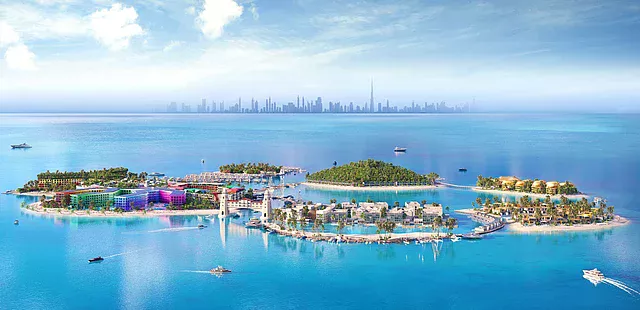
    Dubai’s property market recorded a significant transaction on Thursday with the sale of a luxury villa on the World Islands for Dh220 million, highlighting strong momentum in the emirate’s ultra-prime real estate sector.

    According to data from the Dubai REST application, operated by the Dubai Land Department, the villa spans approximately 58,080 square feet, equivalent to about 5,395 square metres. The transaction reflects an average price of Dh3,787 per square foot.

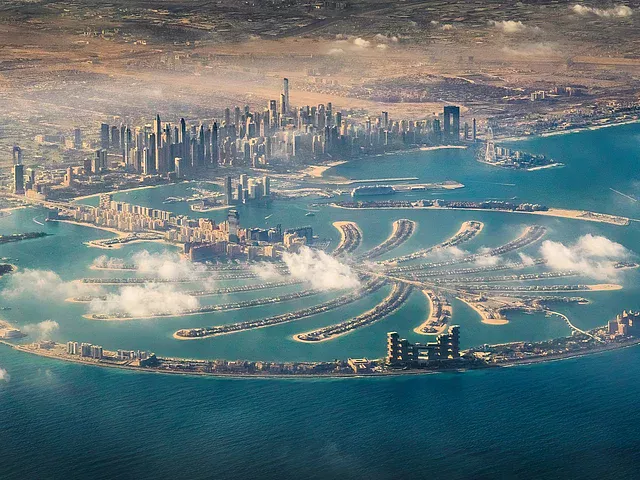
    The property is located on Amali Island, one of the high-end residential projects within the World Islands development, which continues to attract growing interest from international investors and wealthy buyers seeking exclusive waterfront properties in Dubai.

    Dubai’s luxury real estate market recorded unprecedented activity during 2025, supported by rising demand from high-net-worth individuals from around the world who continue to choose the emirate for its attractive investment climate, favourable regulatory framework and competitive tax environment.

    Data show that Dubai recorded 6,668 luxury property transactions last year with a combined value of about Dh143.8 billion. This compares with 4,735 deals worth Dh99.3 billion in 2024, representing a 41% increase in the number of transactions and a 45% rise in total value.

    The Dh220 million villa sale comes as the emirate continues to process high-value transactions across multiple segments. Earlier this month, Dubai recorded a Dh422 million apartment sale at Aman Residences, marking the third most expensive apartment transaction in the emirate’s history.

    The World Islands transaction reflects broader market confidence despite regional tensions, with the emirate’s fundamentals—including stable leadership, long-term planning, and a regulated investment environment—continuing to support investor sentiment in the ultra-prime segment.

    The continued demand for exclusive waterfront properties on developments such as the World Islands underscores Dubai’s position as a leading destination for global wealth, with the emirate’s luxury market showing resilience and sustained momentum into 2026.

  • Dubai Issues New Law to Regulate Shared Housing with Fines up to Dh1 Million

    Dubai Issues New Law to Regulate Shared Housing with Fines up to Dh1 Million

    Dubai has introduced comprehensive legislation to regulate shared housing and establish clear standards for property owners, tenants, and management companies operating such units across the emirate.

    The new law governs how shared housing is managed and occupied throughout Dubai, applying to private development zones and free zones. It covers property owners who allocate units for shared housing, tenants living in those units, and companies licensed to lease and manage real estate on behalf of owners. Housing used for collective labour accommodation is not included under the law.

    Key Objectives

    The regulation aims to protect the rights of property owners and residents, ensure safe and healthy living conditions, prevent overcrowding and informal housing arrangements, address building and land-use violations, promote fair rental practices, and support stability in Dubai’s real estate market.

    Dubai Municipality will oversee shared housing across the emirate, setting policies and strategic plans, determining maximum occupancy levels, defining minimum space requirements per resident, specifying required shared facilities, and designating areas where shared housing is allowed based on urban planning factors such as population density, infrastructure capacity, and neighbourhood character.

    Digital Platform and Registry

    Dubai Municipality will operate a unified digital platform to process permits, store records, and allow authorities to access related data. Dubai Land Department will maintain an electronic registry for shared housing units linked to the municipality’s digital system, updating records when changes occur and setting required details for lease and management contracts.

    Contracts must include information such as landlord details, the number of residents, unit specifications, and space allocated per resident. The authority will also create and update a rent indicator for shared housing based on unit specifications.

    Permit Requirements

    Under the law, no person or company may designate a property as shared housing without a permit. Permits will be issued by Dubai Municipality based on rules set by its Director General in coordination with the Dubai Land Department and other authorities.

    Units must meet technical standards covering maximum occupancy limits, minimum space per resident, required shared facilities, and building and structural standards. Permits will remain valid for one year and can be renewed for similar periods, with owners also able to request a two-year permit. Renewal applications must be submitted at least 30 days before the permit expires.

    Leasing and Technical Standards

    Only property owners or authorised companies may lease shared housing units. Tenants are not allowed to sublease any part of the unit. Units can be leased directly by the property owner, through a company managing the unit for the owner, or through a company leasing the unit from the owner and subleasing it to residents.

    All properties must comply with safety and technical standards covering health, fire safety, sanitation, security, and electrical systems.

    Enforcement and Penalties

    Violations of the law can result in fines ranging from Dh500 to Dh500,000. Repeat violations within one year can lead to doubled fines, up to Dh1 million. The Dubai Land Department may also impose additional measures, including suspending activity for up to six months, cancelling permits, revoking commercial licences, disconnecting public services until violations are fixed, and ordering eviction from units that fail to meet permit rules.

    Dubai Rental Disputes Center will handle all disputes related to the law, resolving cases involving the rights and obligations of owners, tenants, and management companies according to its established procedures.

    Compliance Timeline

    Property owners and companies operating shared housing before the law takes effect must bring their units and operations into compliance within one year. The Director General of Dubai Municipality may grant a one-time extension if needed. The law will come into force 180 days after its publication in the Official Gazette.

    The new regulation follows Dubai’s recent building safety law, demonstrating the emirate’s commitment to establishing comprehensive quality and safety frameworks across its property sector as the market continues to record strong transaction volumes.
  • Azizi Developments Launches Dh75 Billion Hospitality Expansion with 151 Hotels

    Azizi Developments Launches Dh75 Billion Hospitality Expansion with 151 Hotels

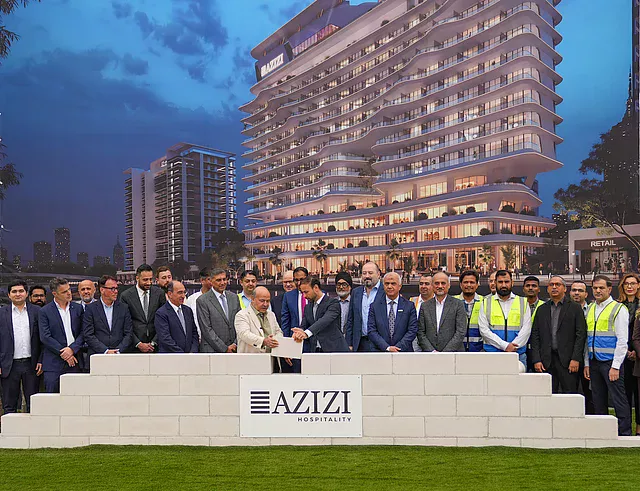
    The luxury property will rise within the Azizi Riviera community in Mohammed Bin Rashid City, representing the first project in a broader pipeline designed to support the emirate’s tourism ambitions.

    The programme, delivered through Azizi’s dedicated hospitality arm, includes 100 four-star hotels, 50 five-star hotels, and one seven-star property. More than 90% of the portfolio will be located in Dubai.

    Once completed, the developments are expected to add approximately 60,000 room keys to Dubai’s hospitality inventory while generating over 75,000 jobs across the sector. Several hotel projects are already progressing through design, development, and construction stages, with Azizi managing the programme through its in-house capabilities.

    “Dubai has consistently proven itself to be one of the world’s most stable, forward-looking and opportunity-rich destinations. The emirate’s leadership has built an environment that inspires confidence among investors and developers, enabling bold projects that contribute to its global standing,” said Mirwais Azizi, Founder and Chairman of Azizi Developments.

    One of the most prominent projects within the portfolio will be a seven-star hotel inside Burj Azizi, the developer’s planned landmark tower on Sheikh Zayed Road. The skyscraper is expected to become the world’s second tallest building once completed, introducing a new luxury hospitality destination in the city.

    Azizi emphasized that the investment reflects confidence in Dubai’s long-term economic trajectory and aligns with the vision of Sheikh Mohammed bin Rashid Al Maktoum. “Our Dh75 billion investment in hospitality reflects our long-term commitment to Dubai and our strong belief in its continued growth as a global tourism hub,” he stated.

    The developer is also planning to launch the Azizi Hospitality Academy, an institution designed to train hospitality professionals and provide internationally recognized programmes for the UAE’s expanding tourism workforce.

    The announcement comes as Dubai’s real estate and tourism sectors continue to demonstrate resilience. The emirate’s brokerage commissions surged 31% in 2025, while new regulatory frameworks, including mandatory building safety standards, aim to ensure sustainable growth across the sector.

  • Dubai Brokerage Commissions Surge 31% to $3.7 Billion in 2025

    Dubai Brokerage Commissions Surge 31% to $3.7 Billion in 2025

    The emirate’s brokerage industry has evolved from a transactional service into a major economic driver, supported by stringent regulatory frameworks and a growing base of professionally licensed agents operating across residential, commercial, and investment property segments.

    Dubai Land Department figures show broker-led transactions climbed 54% to 96,440 deals in 2025, demonstrating the sector’s central role in maintaining market efficiency as property values and transaction volumes continued their upward trajectory.

    Women Drive 83% Commission Growth

    Women brokers emerged as a major force within the sector, completing 28,909 transactions—a 49% increase—and earning AED2.98 billion in commissions, reflecting 83% growth year-on-year.

    By year-end 2025, women accounted for 11,371 of the 32,294 registered brokers in Dubai, underscoring the sector’s capacity to attract diverse talent within a competitive and equitable professional environment.

    The performance demonstrates the impact of inclusive licensing frameworks and professional development initiatives aimed at expanding participation across demographic segments.

    Broker Numbers Expand 38%

    The influx of new real estate brokers rose to 13,083 in 2025, representing a 38% increase from the previous year as the profession gained appeal amid sustained market momentum and attractive commission structures.

    Registered brokerage offices reached 9,785, operating under regulatory standards designed to balance market expansion with service quality and consumer protection.

    The emirate’s property market recorded AED60.60 billion in transactions during February 2026 alone, maintaining the momentum that has driven brokerage sector growth.

    Emirati Broker Development Programme

    Dubai Land Department has prioritized national talent development through initiatives including the Dubai Real Estate Brokers Programme and the Real Estate Brokers Incubator Programme, developed in partnership with Dubai Silicon Oasis and academic institutions.

    These programs support Emirati brokers in transitioning from individual practitioners to owners of integrated brokerage firms aligned with international best practices, with participants now managing transactions worth billions of dirhams.

    The structured approach reflects broader efforts to enhance local participation in the sector while maintaining professional standards that have contributed to market resilience amid regional challenges.

    Regulatory Framework Strengthens Market

    The sector’s expansion has occurred within a regulatory environment that mandates structured licensing requirements, ensuring professionalism and market discipline as transaction values increase.

    This framework has enhanced service quality and transaction efficiency, contributing to Dubai’s position as a transparent and professionally managed real estate market attracting international capital.

    The 2025 performance builds on long-term growth trends, with strategic capital now accounting for approximately 40% of transactions as the market transitions from speculation-led dynamics to structured capital allocation.

  • Dubai Issues New Building Safety Law with Mandatory Certificates

    Dubai Issues New Building Safety Law with Mandatory Certificates

    The new legislation applies universally across Dubai, covering structures in private development zones and free zones such as the Dubai International Financial Centre, regardless of construction date. Officials describe the measure as part of Dubai’s commitment to maintaining high construction standards and protecting residents, tenants, and investors.

    Mandatory Quality and Safety Certificates

    Under the law, all buildings must obtain a Quality and Safety Certificate following comprehensive inspection by a licensed engineering office. The certificate validity depends on building age: 10 years for structures under 40 years old, and five years for those aged 40 years or older.

    Dubai Municipality will lead implementation through a digital system managing safety requirements, maintaining a unified building database, and conducting regular inspections. The authority will establish sustainability standards, monitor maintenance practices, and regulate building materials across the emirate.

    Owner Obligations and Enforcement

    Building owners bear significant responsibility under the legislation. Owners of buildings less than 20 years old must perform regular maintenance and address any structural defects or safety risks. They must allow authority inspections and ensure repair work proceeds when required, even after certification.

    The law introduces strict penalties for non-compliance. Violators face fines between Dh100 and Dh1 million, with repeat violations within two years potentially incurring doubled penalties up to Dh2 million. Administrative measures may include suspended building permits, halted property transactions, or suspended lease certifications until violations are resolved.

    Tenant Protections and Compliance Timeline

    Buildings approved for demolition must follow tenant eviction rules under Law No. 26 of 2007. Displaced tenants receive priority to return after reconstruction at their original rental rates unless alternative terms are agreed.

    Building owners, contractors, and engineering offices have one year from the law’s effective date to comply. The chairman of Dubai’s Executive Council may extend this deadline if necessary. The law takes effect 60 days after publication in the Official Gazette.

    The legislation arrives as Dubai’s property market recorded Dh60.6 billion in February 2026 transactions, reinforcing the emirate’s focus on quality standards amid continued market expansion.

  • Abu Dhabi Property Market Records $1.16 Billion Weekly Sales

    Abu Dhabi Property Market Records $1.16 Billion Weekly Sales

    The emirate’s real estate sector maintained strong performance in early March, with a villa in Hidd Al Saadiyat selling for Dh88 million, marking the highest ready property transaction of the week, according to Abu Dhabi Real Estate Centre (Adrec) data released March 10, 2026.

    A duplex at Four Seasons Private Residences on Saadiyat Island fetched Dh68 million, representing the week’s top off-plan sale. Al Reem Island alone recorded 115 transactions valued at Dh189 million, underscoring sustained demand across multiple segments.

    The weekly figures reinforce Abu Dhabi’s growth trajectory following exceptional 2025 performance. Total transaction volumes reached approximately 22,400 deals last year, up 55% year-on-year, while aggregate sales value climbed to Dh73.2 billion.

    “Overall, Abu Dhabi’s residential market enters 2026 from a position of strength, supported by disciplined supply, strong investor confidence, robust demand drivers, and a supportive macroeconomic backdrop,” according to Cavendish Maxwell.

    Apartments dominated 2025 activity, accounting for 66.1% of transactions, while villas and townhouses recorded strong growth driven by families and high-net-worth individuals seeking larger living spaces.

    Residential stock expanded with approximately 7,400 units completed in 2025, bringing total supply to around 315,000 units. While 15,900 units are projected for 2026 completion, actual deliveries are likely to range between 6,500-9,000 units based on recent handover trends.

    Pricing momentum remained robust across both sales and rental markets. Apartment sales prices increased 15.1% year-on-year, while villa prices rose 12.2%. Rental growth showed apartment rates up 12.5% and villa rents climbing 5.5%, with elevated rental levels reinforcing sales demand as tenants increasingly view homeownership as a cost-effective long-term option.

    The market’s resilience mirrors trends across the UAE, where Dubai recorded sustained momentum despite geopolitical headwinds. Abu Dhabi’s strong fundamentals entering 2026 position the emirate for continued growth, with sales prices and rental rates expected to record further increases in the near term, though growth pace will vary across communities as new supply enters the market.

    The market is expected to remain resilient throughout 2026, supported by measured supply delivery that prevents near-term imbalances while maintaining pricing strength across prime communities.

  • Abu Dhabi Residential Market Enters 2026 with Strong Fundamentals

    The market is expected to remain resilient throughout 2026, with sales prices and rental rates likely to record further increases in the near term, although the pace of growth will vary across communities as new supply gradually enters the market.

    Record-Breaking 2025 Performance

    In 2025, Abu Dhabi’s residential real estate market delivered a record-breaking performance, with total transaction volumes reaching approximately 22,400 deals—up 55% year-on-year—while total sales value climbed to AED73.2 billion. This performance was driven by robust end-user demand, sustained investor activity, and a wave of new project launches that kept the off-plan segment at the center of market activity.

    Apartments dominated the market, accounting for 66.1% of transactions, while villas and townhouses also recorded strong growth, supported by demand from families and high-net-worth individuals seeking larger living spaces.

    Off-Plan Segment Leads Market Activity

    The off-plan segment continued to lead market activity, accounting for 71% of total transactions, supported by flexible payment plans, competitive developer incentives, and strategic launches across key districts. Meanwhile, ready market activity also remained resilient, supported by population growth, rising rental costs, and a growing shift among tenants toward homeownership.

    On the supply side, residential stock continued to expand steadily, with approximately 7,400 units completed in 2025, bringing total supply to around 315,000 units. While approximately 15,900 units are projected for completion in 2026, recent handover trends suggest actual deliveries are likely to be lower, in the range of 6,500-9,000 units. This measured pace of supply delivery is expected to support pricing momentum and help prevent near-term market imbalances.

    Sustained Price Growth Across All Segments

    Apartment sales prices in Abu Dhabi continued their upward trajectory in 2025, rising 15.1% year-on-year, accelerating from the 10.9% growth recorded in 2024. This strong price performance was driven by a broadening buyer base, as owner-occupiers sought affordable homeownership amid rising rental costs and investors were attracted by strong rental yields and capital appreciation potential.

    Villa sales prices grew 12.2% year-on-year in 2025, slightly accelerating from 11.6% in 2024, driven by a combination of end-user and investor demand. This trend has been shaped largely by the post-pandemic shift in lifestyle priorities, with buyers increasingly seeking larger living spaces, community-focused environments, and access to outdoor areas.

    Rental growth also remained robust, with apartment rents rising 12.5% and villa rents increasing 5.5%. Elevated rental levels have further reinforced sales demand, as tenants increasingly viewed homeownership as a more cost-effective long-term option.

    Structural Demand Drivers Remain in Place

    Looking forward, transaction activity is expected to remain elevated in 2026, with the off-plan segment continuing to lead the market. Several structural factors are expected to support robust housing demand beyond 2026, including population growth, continued talent inflows, business-friendly visa policies, and expanding employment across various sectors.

    Long-term residency initiatives, including the Golden Visa program, are also expected to broaden the buyer base by attracting high-net-worth individuals and professionals seeking stable, long-term ties to the emirate.

    Taking these factors into account, Abu Dhabi’s residential market is expected to enter 2026 from a position of strength. Supply discipline, strong investor confidence, and a supportive macroeconomic backdrop support market resilience and help mitigate external shocks. While potential risks should continue to be monitored, the likelihood of a broad market correction remains relatively low, supporting the outlook for sustainable growth throughout the year.

    The Abu Dhabi market’s performance mirrors broader trends across the UAE, where expatriates now drive 62% of home sales and the UAE real estate sector concluded 2025 with exceptional growth led by Abu Dhabi’s record-breaking performance.

  • DIFC Delivers 600,000 Sq Ft Office Project Ahead of Schedule

    DIFC Delivers 600,000 Sq Ft Office Project Ahead of Schedule

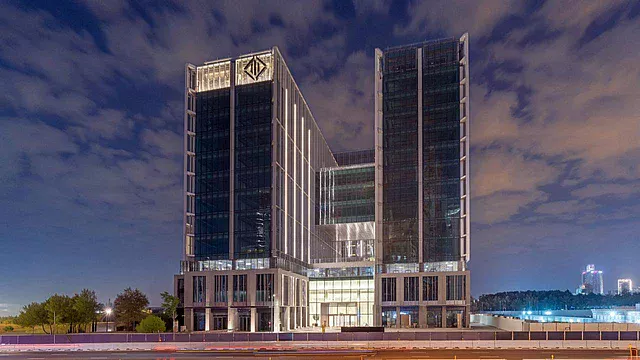
    The completion of DIFC Square marks a significant milestone in Dubai’s commercial real estate sector, responding to unprecedented demand from multinational corporations expanding their regional operations. The three-building glass-façade complex was delivered within an accelerated 24-month design-and-construction timeline.

    Several prominent financial institutions and professional services firms have secured space in the development, including Bank of Singapore, Deutsche Bank, Gallagher Insurance, Herbert Smith Freehills Kramer, Moody’s, and TP ICAP. Some companies are relocating to larger premises within the complex, while others are expanding their footprint by taking additional space.

    “Financial centres of the future focus on innovation, being sustainable, digitally inclusive and customer centric. At DIFC, we are ensuring that all our real estate projects align with this vision, while playing a critical role in ensuring the quality of life that attracts and retains global talent in Dubai as a top four global financial centre,” said Saleh Al Akrabi, Chief Real Estate Officer at DIFC Investments.

    Tenants who have already received their offices have begun fit-out works, according to DIFC. The relocation of existing tenants into DIFC Square is expected to create 100,000 square feet of additional capacity in the centre’s Gate District and Gate Village, which remain among the most sought-after office locations within the financial hub.

    The development includes dedicated parking and retail spaces, with several dining outlets set to open in the complex, including Duck and Rice, Saddle, Hudson and Rye, Liban, and Cakes and Bubbles.

    DIFC Square forms part of the centre’s wider expansion plans to deliver 1.6 million square feet of commercial space in 2026 and 2027. Upcoming projects include DIFC Living, Innovation Two, and Immersive Tower.

    The new development has been built to LEED standards, with certification by the US Green Building Council expected soon. The completion comes as commercial property sales surged 82% in early 2026, driven by limited Grade A office supply in core business districts.

    Dubai’s office market has demonstrated exceptional strength over the past year, with sales values reaching Dh13.1 billion in 2025—more than doubling from 2024 in the strongest performance in over a decade—as occupancy rates in premium locations exceed 95%.

  • Palm Jumeirah Off-Plan Apartment Sells for Dh92.5 Million

    Palm Jumeirah Off-Plan Apartment Sells for Dh92.5 Million

    The 11,520-square-foot apartment was sold at an average price exceeding Dh8,020 per square foot, according to data from the Dubai REST application operated by the Dubai Land Department. The property is located within the Armani Beach Residences development, one of Palm Jumeirah’s high-end branded residential projects.

    The transaction comes amid sustained activity across Dubai’s property market, with total real estate transactions reaching approximately Dh2.4 billion by midday trading on Monday, while property sales alone exceeded Dh1.86 billion.

    Dubai’s luxury property segment has experienced exceptional growth in recent years, fuelled by increasing demand from high-net-worth individuals drawn to the emirate’s investor-friendly regulatory framework, favourable tax environment, and global lifestyle appeal.

    The emirate recorded 6,668 luxury property transactions worth a combined Dh143.8 billion in 2025, compared with 4,735 deals valued at Dh99.3 billion in 2024, marking a 41% increase in transaction volume and a 45% rise in total value.

    The Dh92.5 million sale follows another significant transaction earlier this month, when Dubai recorded a Dh422 million apartment sale at Aman Residences, marking the third most expensive apartment transaction in the emirate’s history.

    The ongoing strength in Dubai’s luxury residential market reflects broader trends across the emirate’s real estate sector. February 2026 saw property sales surge 18% to $16.5 billion, with off-plan sales comprising 62% of total activity.

    Palm Jumeirah remains one of Dubai’s most sought-after addresses for ultra-high-net-worth individuals, combining waterfront luxury with proximity to the city’s business districts and lifestyle amenities. The island’s branded residences, including projects by Armani, continue to attract international investors seeking trophy assets in the emirate.

  • CBA Real Estate Surpasses Dh2 Billion in Dubai Property Sales

    CBA Real Estate Surpasses Dh2 Billion in Dubai Property Sales

    The milestone reflects years of consistent deal-making across residential and investment sectors, including apartments, villas, and off-plan developments throughout Dubai.

    Unlike firms pursuing rapid expansion, CBA Real Estate has built its reputation on long-term relationships with investors and a careful, disciplined approach to property selection, according to founder Salman Bin Ali.

    Two billion dirhams in transactions is an important milestone for our company. But it is really the result of hundreds of individual deals where clients made thoughtful, well-informed investment choices.

    The firm has positioned itself as a brokerage that prioritizes long-term value over short-term market trends in Dubai’s fast-moving property environment.

    Patience Over Speed

    Salman Bin Ali emphasized that success in Dubai’s real estate market comes from strategic patience rather than reactive decision-making.

    A lot of investors believe success comes from moving quickly. In reality, the real advantage comes from patience, waiting for opportunities that truly make sense rather than chasing every new project.

    Over the years, the company has advised a diverse range of international clients seeking both lifestyle properties and investment opportunities, with many returning for repeat investments.

    Repeat Business Model

    The firm’s approach has generated strong client retention, with investors expanding their portfolios through CBA Real Estate after initial successful transactions.

    In this industry, relationships matter. When clients see positive results from their first investment, they naturally come back to expand their portfolio.

    The achievement comes as Dubai’s property market continues to demonstrate strength, with the emirate attracting investors globally through its expanding economy, robust infrastructure, and international business connectivity.

    Dubai’s real estate sector has shown sustained momentum throughout early 2026, with foreign investors maintaining active participation despite regional uncertainties.

    Salman Bin Ali outlined the firm’s continued focus on value-driven advisory.

    Dubai remains one of the most exciting property markets in the world. Our focus will continue to be on helping investors make decisions that deliver value not just today, but for many years into the future.

    The Dh2 billion milestone underscores the viability of relationship-based real estate advisory in a market often characterized by high-volume transaction models and aggressive growth strategies.