Author: Estattor.com

  • Dubai Office Market Values Surge to Dh13.1 Billion in 2025

    Dubai Office Market Values Surge to Dh13.1 Billion in 2025

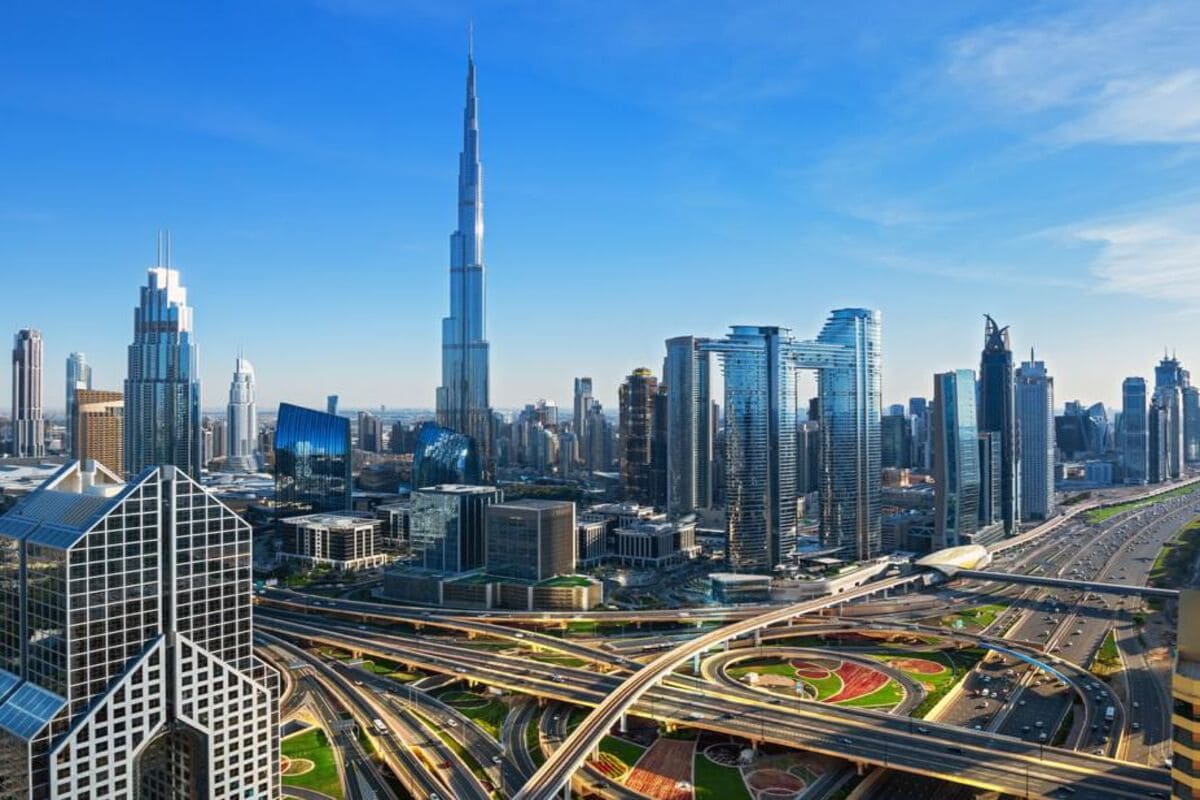
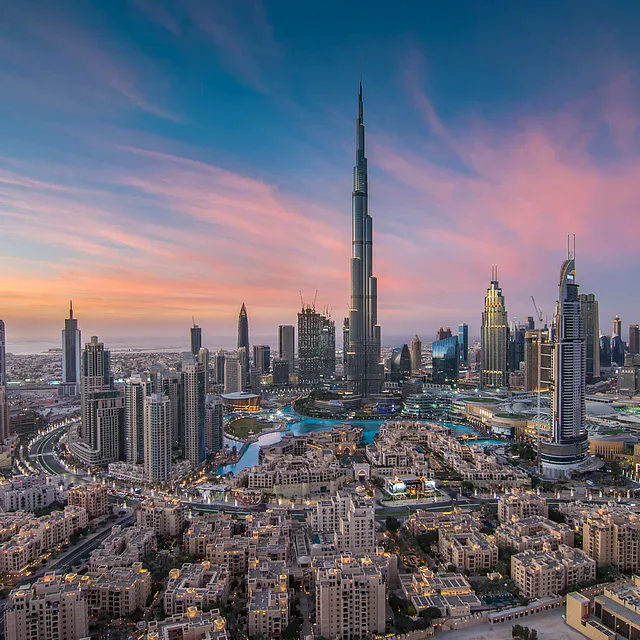
    Dubai’s office sales value surged by 102% compared to 2024, reaching Dh13.1 billion in 2025, marking the strongest performance in more than a decade, according to a report published Monday by Cavendish Maxwell. Transaction volumes increased by more than 53% to reach 4,600 deals last year.

    The top five areas by transactional volume were Business Bay with 1,230 transactions, Jumeirah Lakes Towers with 1,067, Barsha Heights with 267, Dubai Silicon Oasis with 147, and Dubai Investments Park with 92 transactions.

    Dubai’s business ecosystem expanded significantly in 2025, with the Dubai Chamber of Commerce registering 71,830 new member companies, pushing total active membership to 292,486—a 13.2% increase year-on-year.

    Off-Plan Segment Drives Market Momentum

    Off-plan activity jumped dramatically in 2025, with almost 700% growth in sales compared to 2024, fuelled by tight supply of ready premises and attractive prices and payment plans that enabled investors to enter the market. The off-plan segment accounted for 35% of all sales in 2025, with 1,400 transactions.

    Total off-plan sales values grew almost six-fold to Dh4.6 billion in 2025 compared to Dh700 million the year before.

    “With high quality office stock still severely constrained, buyers will be looking for viable entry points to the market through new off-plan premises,” said Vidhi Shah, head of commercial valuation at Cavendish Maxwell.

    Price Appreciation Driven by Demand

    Strong interest from both occupiers and investors drove Dubai’s office sales prices up 25.9% in 2025, reaching Dh1,951 per square foot. Rising rents and reduced landlord incentives prompted some tenants to buy rather than lease, while investors participated aggressively in the market.

    Office rental rates increased by 22.9% year-on-year across the city, as occupancy levels tightened and landlord incentives reduced. The heightened demand, coupled with limited inventory in prime locations, intensified competition and fuelled price appreciation.

    The property consultant expects similar patterns in 2026 as off-plan sales continue to see high demand, positioning Dubai’s commercial real estate sector for sustained growth amid the emirate’s expanding economic landscape. The market’s performance reflects broader property market strength as business activity accelerates across the emirate.

  • RAK Prime Apartment Prices Hit Record High as RAK Central Emerges

    RAK Prime Apartment Prices Hit Record High as RAK Central Emerges

    Prime apartment prices in Ras Al Khaimah have reached the highest level in the current cycle, driven by strong capital appreciation across coastal destinations including Al Marjan Island, Al Hamra, and Mina Al Arab, according to CBRE.

    Global real estate consultancy CBRE reported that prime apartment sales prices hit Dh2,428 per square foot in 2025, marking the peak of the current market cycle. Villa prices also strengthened, rising to an average of Dh1,211 per square foot, with robust growth recorded within Al Hamra.

    Overall market values climbed sharply, with average apartment prices increasing 32 percent year-on-year and villa prices rising 11 percent.

    RAK Central Defines New Business Hub

    While Al Marjan Island anchors Ras Al Khaimah’s leisure-led identity, RAK Central is emerging as the emirate’s work-and-play district—a future business hub integrating offices, residences, hospitality, and lifestyle in one connected urban core.

    The development will require billions of dirhams in investment to accommodate over 6,000 professionals and 4,000-plus residential units, attracting numerous UAE developers who have launched multiple projects in the area.

    BNW Developments recently announced the first Radisson Blu Hotel and Radisson Blu Residences in RAK Central.

    “RAK Central is a clear statement of where Ras Al Khaimah is headed, and we help drive that momentum alongside partners of global calibre,”

    said Dr Vivek Anand Oberoi, managing director and co-founder of BNW Developments.

    The Radisson Blu Hotel, RAK Central, will comprise 361 keys within a newly built property positioned above curated retail and cinema offerings, while Radisson Blu Residences will include 222 branded units.

    Elie Milky, chief development officer for the Middle East at Radisson Hotel Group, described entering RAK Central as “an exciting step” bringing a premium hotel and residential offering rooted in strong operations and consistent service.

    Tourism Growth Drives Development

    The much-awaited opening of the $5.1-billion Wynn Al Marjan Island, an integrated gaming resort, remains on schedule for early 2027 after topping out in the fourth quarter of 2025. This landmark project strengthens the profile of both Al Marjan Island and RAK Central as a world-class tourist destination.

    Ras Al Khaimah is targeting 3.5 million tourists by 2030, requiring substantial hospitality infrastructure across the emirate. RAK Central will play a key role in meeting this target and accommodating future tourist growth.

    According to CBRE, the emirate’s plan to reach 3.5 million visitors by 2030 and double its hotel keys is anchored by the strategic attraction of global brands and the addition of new master plans such as RAK Central, Marjan Beach, and the upcoming Jebel Jais master plan, alongside further expansion of Mina and Al Hamra Village.

    Despite a year-on-year reduction in overall sales volume and total transaction value—primarily due to mid-market launches in emerging districts like RAK Central—the market witnessed a strong rebound in the fourth quarter of 2025, underscoring ongoing depth of demand.

    For context, RAK’s 32% apartment price appreciation in 2025 positioned it among the UAE’s fastest-growing investment destinations, while neighboring markets continue their own expansion trajectories.

  • Dubai Population Exceeds 4 Million as Property Transactions Near Dh900 Billion

    Dubai Population Exceeds 4 Million as Property Transactions Near Dh900 Billion

    Dubai added nearly 18,000 residents in a single month by the end of August 2025, marking a demographic milestone that is directly fueling demand across rental and ownership segments, according to research from Savills Middle East.

    The sustained population growth, driven by employment expansion, business relocation, and international migration, has translated into measurable market activity. Dubai Land Department data shows property sales reached more than Dh680 billion in 2025 across over 200,000 transactions, the strongest annual performance on record.

    Total real estate transaction value, including mortgages and gifts, climbed to approximately Dh919 billion, highlighting exceptional market liquidity and depth.

    “When Dubai adds close to 18,000 residents in a single month, it has an immediate impact on market activity. We see it in enquiry levels, viewing volumes, and the pace at which well-priced homes transact,” said Alec James Smith, Head of Residential Sales and Leasing at Savills Middle East.

    New residents are entering the market across multiple price points, from mid-income professionals seeking apartments near employment hubs to high-net-worth individuals targeting prime waterfront and villa communities.

    Record Quarter Reflects Sustained Confidence

    Market momentum strengthened significantly in the second half of 2025, with the fourth quarter recording the highest quarterly sales value ever, exceeding Dh187 billion. Three consecutive record months during that period reflected steady engagement from both investors and end users rather than short-term speculative activity.

    Dubai’s prime residential segment demonstrated particularly strong performance, with nearly 6,000 transactions above Dh10 million completed during the year. Limited supply in established prime locations combined with ongoing wealth migration has helped sustain both price and rental resilience.

    Savills noted that Dubai continued to outperform many global residential markets through 2025, supported by population growth, job creation, and sustained international demand.

    Financing Conditions Improve as Rates Ease

    Financing conditions have begun to improve following recent interest rate reductions by the UAE Central Bank, which are expected to gradually ease mortgage costs. According to Savills, improving affordability typically translates into stronger buyer engagement over subsequent quarters, particularly among end users who had delayed purchasing decisions.

    Lower interest rates also enhance the relative attractiveness of property investment in Dubai, where rental yields remain competitive compared with global markets.

    Infrastructure-Led Development Will Shape Next Phase

    Rapid population growth places increasing emphasis on aligning supply with demand across locations, price ranges, and infrastructure readiness.

    “Dubai crossing the four million population mark is a clear signal of the city’s global appeal and economic momentum. The next phase of the market will be shaped by disciplined supply, infrastructure-led development, and a continued focus on quality,” said Andrew Cummings, Head of Residential Agency at Savills Middle East.

    The emirate is planning for a population of nearly six million residents by 2040, requiring continued coordination between development activity and infrastructure expansion.

    Population expansion, easing financing conditions, and strong transaction activity continue to reinforce confidence in Dubai’s residential market as it enters 2026, with demographic fundamentals providing a sustainable foundation for ongoing growth across multiple segments.

  • School Proximity Drives 35% Villa Price Surge in Dubai

    School Proximity Drives 35% Villa Price Surge in Dubai

    Mature villa neighborhoods with easy access to top-tier educational institutions are significantly outperforming the broader Dubai property market, with genuine end-user demand from families replacing speculative investment as the primary driver of growth.

    The latest Property Monitor Dynamic Price Index, tracking three-month moving average median prices per square foot across 42 master communities, reveals that education proximity has become a primary decision-making filter for villa buyers planning five to ten years ahead.

    Victory Heights leads the surge, with non-renovated villas posting annual price increases between 25% and 35%, while renovated properties rose 15% to 20%. Townhouses around the Dh5 million mark saw more modest gains of approximately 10%, partly due to mortgage loan-to-value restrictions on properties above this threshold.

    Matthew Bate, founder and CEO of BlackBrick, emphasized the fundamental shift in buyer behavior:

    Dubai’s villa market is being led by families planning five to ten years ahead, and education is central to that decision. School proximity is no longer a secondary consideration—it has become one of the primary decision-making filters.

    Arabian Ranches demonstrates similar pricing resilience, driven by sustained demand from families seeking proximity to Jumeirah English Speaking School (JESS). Non-renovated villas in the community have delivered annual gains of 20% to 25%, with high-end properties above Dh15 million achieving rental yields up to 7-8% when fully renovated.

    Annual tuition fees at leading British and International Baccalaureate schools in Dubai typically range from Dh95,000 to over Dh105,000, reinforcing the profile of buyers who prioritize convenience and long-term lifestyle planning over short-term investment returns.

    The trend mirrors patterns in mature global real estate markets such as London and Singapore, where properties near top schools consistently command price premiums. Knight Frank reported that Dubai’s prime villa market recorded double-digit growth through 2025, driven largely by expatriate families relocating for long-term residency.

    Faisal Durrani, partner and head of Middle East research at Knight Frank, observed:

    The shift toward end-user driven buying is making the market more stable and sustainable. Communities offering lifestyle infrastructure such as schools, parks and retail are seeing the strongest and most resilient price growth.

    CBRE data supports the education-driven narrative, reporting that average villa prices in Dubai rose by more than 20% in 2025, significantly outpacing apartment price growth as family buyers sought larger homes in well-established neighborhoods.

    Taimur Khan, head of research for the Middle East and Africa at CBRE, noted that villa communities with strong schooling options and established infrastructure continue to outperform, supported by limited supply and a growing base of long-term residents.

    The growing importance of education-linked property decisions is reinforcing long-term market stability. With many buyers committing to five- to ten-year ownership horizons, transaction volumes in mature villa communities are increasingly driven by end users rather than short-term investors, reducing volatility and supporting sustained capital appreciation.

    Industry analysts expect school proximity to remain a defining factor in villa pricing as Dubai continues to attract global talent and high-income families seeking long-term residency. With limited new supply in mature neighborhoods and strong demand from families prioritizing education and lifestyle, the emirate’s established villa communities are likely to maintain upward momentum through 2026 and beyond.

  • Ajman Real Estate Transactions Reach $288.6 Million in January 2026

    Ajman Real Estate Transactions Reach $288.6 Million in January 2026

    The emirate’s commercial real estate sector demonstrated exceptional strength in January 2026, capturing the largest share of valuation activity at AED626.5 million, significantly outpacing residential properties which recorded a combined value of AED329 million.

    Eng. Omar bin Omair Al Muhairi, Director-General of the Ajman Department of Land and Real Estate Regulation, noted that the 242 valuation transactions spanned a diverse range of assets including commercial, residential, and industrial properties.

    “These valuation activities encompassed a variety of transaction types, such as personal valuations, those tied to court proceedings and institutional needs, and others connected to long-term Golden Residence permits for investors,” Al Muhairi stated.

    The report revealed that specific transaction categories — including personal valuations, court-related proceedings, and Golden Residence applications — accounted for 167 transactions surpassing AED303 million in value.

    Beyond property valuations, Ajman’s broader real estate market recorded highly active January performance with 1,520 transactions valued at AED2.07 billion. This surge continues the upward trajectory from December 2025, which saw a 22% year-on-year increase in transaction volumes.

    The Al Helio 2 area emerged as a standout performer, recording the highest individual sales value at AED34 million and leading as the most-traded neighborhood. Among major developments, Emirates City maintained its position as the most active project, followed by City Towers and Ajman One.

    Mortgage activity demonstrated significant strength with 174 operations totaling over AED484 million, led by the Liwara 1 area. The robust figures underscore Ajman’s growing appeal as a value-oriented investment destination, driven by flexible payment structures and residency incentives.

    The emirate’s performance aligns with broader GCC real estate market momentum, as regional property sectors benefit from easing monetary conditions and infrastructure investment. Industry observers note that Ajman continues to attract first-time homebuyers and long-term investors seeking opportunities beyond saturated markets like Dubai, where prices rose 12.1% in 2025.

    The combination of competitive pricing, investor-friendly policies including the Golden Residence program, and strong transaction volumes positions Ajman for sustained growth through 2026.

  • Qatar Real Estate Market Stabilizes as Residential Demand Shifts

    Qatar Real Estate Market Stabilizes as Residential Demand Shifts

    The residential real estate sector in Qatar has reached a period of relative stability, according to international strategy and consulting group ValuStrat, with the ValuStrat Price Index (VPI) registering a marginal quarterly decline of only 0.3%. Within this segment, villas have demonstrated stronger resilience than apartments, maintaining better capital value retention in high-end areas such as Al Waab and West Bay Lagoon.

    However, the rental market has faced more significant downward pressure, as residential rents decreased by approximately 1.5% compared to the previous half-year. This shift is largely attributed to a substantial influx of new housing supply entering the market in developing districts like Lusail and The Pearl.

    Prime Office Locations Maintain Stability

    In the commercial sector, the total stock of office space across the country reached an estimated 5.6 million square meters by the conclusion of 2025, with the city of Lusail contributing the largest portion of these new completions. Despite the increase in supply, prime office locations in West Bay managed to keep occupancy rates relatively stable at around 80%.

    A visible “flight to quality” trend has emerged, where corporate tenants are increasingly moving toward modern, high-tier spaces, placing secondary locations at higher risk for vacancies. Consequently, average office rental rates saw a year-on-year decline of 2% as landlords in newer districts adopted more competitive pricing strategies.

    Tourism Drives Hospitality Resilience

    The hospitality industry showed signs of resilience throughout the latter half of the year, bolstered by a steady rise in international visitor arrivals which reached nearly 4 million by late 2025. This increase in tourism has supported healthy performance metrics for hotels, particularly within the 4-star and 5-star categories, where Average Daily Rates and Revenue Per Available Room remained steady.

    Meanwhile, the retail sector continued to expand with the addition of several new community malls. However, analysts at ValuStrat suggest that organized retail space is nearing a point of saturation, forcing landlords to offer more flexible lease terms to attract and retain retail tenants.

    Market Transitions to Sustainable Growth Phase

    Looking ahead to 2026, the Qatari real estate market appears to be transitioning into a more mature phase characterized by a slowing of price corrections. Demand is expected to be increasingly fueled by long-term residents and the broader economic diversification goals outlined in the Qatar National Vision 2030.

    Government-led initiatives—specifically the expansion of residency rights for property owners—are projected to create a consistent floor for residential demand within freehold areas. According to ValuStrat, these factors combined suggest a market that is successfully adjusting to post-tournament economic realities while finding a new baseline for sustainable growth.

    The stabilization reflects a broader regional trend, as GCC real estate markets sustain momentum through easing monetary conditions and infrastructure investment across the Gulf.

  • Ras Al Khaimah Reports 25% Rent Surge, 32% Apartment Price Growth

    Ras Al Khaimah Reports 25% Rent Surge, 32% Apartment Price Growth

    The emirate’s residential market experienced unprecedented momentum throughout 2025, with prime apartment sales reaching AED 2,428 per square foot—the highest level in the current cycle. Growth was concentrated across coastal developments including Al Marjan Island, Al Hamra, and Mina Al Arab, while villa prices averaged AED 1,211 per square foot, marking an 11% annual increase.

    The performance comes amid broader economic resilience across the UAE, where non-oil sector growth and strong foreign direct investment have offset softer oil projections. RAK has capitalized on this environment through major industrial and tourism infrastructure, most notably the $5.2 billion Wynn Al Marjan Island development.

    “The residential and hospitality sectors have entered a new phase of growth driven by global brand partnerships and a deepening pool of international buyers,” said Matthew Green, Head of Research at CBRE MENA.

    The emirate’s business environment remained robust, with more than 19,000 new companies registered through RAKEZ alone, supporting steady employment growth and reinforcing sustained real estate demand.

    Rental Market Dynamics

    Apartment rents surged nearly 25% year-on-year, supported by new supply deliveries in key communities. Villa rents remained broadly stable, though prime locations like Mina Al Arab recorded notable increases. CBRE noted that rapid escalation in prime pricing has created a growing divergence between sales and rental values, a trend expected to moderate as new inventory reaches completion in coming years.

    Luxury Segment Expansion

    High-profile project launches including Mondrian Beach Residences and Jacob & Co Residences continue to elevate the emirate’s luxury positioning. Despite a year-on-year reduction in overall sales volume due to mid-market launches in districts like RAK Central, the market witnessed a strong rebound in the fourth quarter, underscoring ongoing demand depth.

    Record Hospitality Performance

    The hospitality sector delivered standout results, with visitor arrivals reaching an all-time high of 1.36 million during 2025. Key metrics showed broad-based improvement: occupancy rose 4.6 percentage points, Average Daily Rate increased 6.6%, and RevPAR surged 11.5% year-on-year.

    RAK’s hotel inventory now exceeds 9,000 keys, with a development pipeline for 2026–2030 planning more than 9,500 additional keys. Notably, 92% of planned inventory falls within the five-star category, as international operators deepen their presence and new entrants diversify the luxury landscape.

    Market Outlook

    As the delivery cycle accelerates from 2027 onwards, RAK is positioned to solidify its standing as one of the UAE’s most dynamic real estate markets. The emirate’s low inflation environment, combined with its strong sovereign rating and record greenfield investment levels, provides a solid foundation for continued growth.

    The performance aligns with broader trends across the region, where GCC real estate markets maintain upward momentum through the first half of 2026, driven by easing monetary conditions and infrastructure investment. The UAE is also set to add 390,000 residential units by 2030, reflecting one of the region’s largest residential expansion cycles.

  • Saudi Giga Projects Redefine Urban Planning, Says AtkinsRéalis CEO

    Saudi Giga Projects Redefine Urban Planning, Says AtkinsRéalis CEO

    The Gulf region is undergoing one of the world’s most ambitious infrastructure investment cycles, but according to Campbell Gray, CEO of AtkinsRéalis Middle East, the defining characteristic is no longer magnitude—it’s maturity.

    Over the past five years, the region has transitioned from delivering landmark projects to constructing integrated systems designed to support long-term economic transformation. Saudi Arabia’s giga projects exemplify this evolution, redefining city-making rather than simply expanding it.

    “In recent years, the region has shifted from delivering individual projects to building fully integrated systems and approaches that support long-term economic transformation. National visions now provide a clear sense of direction, aligning investment, delivery models, and expected outcomes,”

    Gray explains.

    From Standalone Projects to Urban Ecosystems

    Giga projects across Saudi Arabia and the UAE are now conceived as interconnected ecosystems, raising expectations for integration, governance, and delivery discipline. Sustainability has become a baseline requirement, and digital tools now anchor how risk, sequencing, and performance are managed.

    “The key difference now is the necessity for clearly defined brief and basis of design leading to a development investment that provides a demonstrable and tangible return,”

    Gray says.

    This emphasis on measurable outcomes marks a departure from earlier rapid-growth phases. Governments and developers now prioritize front-end clarity, lifecycle performance, and return on investment over project completion timelines alone.

    The region’s accelerated localization agenda is reshaping procurement and supply chains, creating clearer pathways for national participation. These changes signal a more mature development environment increasingly focused on measurable results rather than activity alone.

    Redefining City-Making in Saudi Arabia

    While Saudi Arabia’s giga projects are frequently discussed in terms of scale, Gray argues their real impact lies in how they are redefining urban planning fundamentals.

    “These programmes reflect a deeper understanding that cities are dynamic systems that have evolved over decades. Planning now begins with how people will move, live, work, and interact with their environment, as well as how places will perform socially and environmentally over time,”

    he notes.

    This systemic approach influences mixed-use design, mobility integration, and long-term asset stewardship. Development companies are increasingly structured as long-term custodians rather than short-term delivery entities.

    Digital integration has become essential, enabling thousands of decisions and interfaces to be managed with clarity and consistency. Once operational, these cities rely on real-time data to optimize energy use, transport, and public services, creating urban environments that adapt to changing needs and continue generating value long after construction completes.

    Industrialized construction methods, local manufacturing investment, and performance-driven commercial frameworks are becoming standard delivery model features.

    Economic Diversification Drives New Demands

    Economic diversification across the Gulf is creating new asset classes, from cultural districts to innovation hubs, reshaping demand for engineering and advisory services.

    “Diversification is driving a clear shift toward integrated and multidisciplinary thinking. Cultural districts, innovation hubs and creative clusters need planning, engineering, mobility, landscape, digital and ESG considerations to be shaped as a single coherent strategy rather than separate workstreams,”

    Gray says.

    He highlights the growing importance of upstream advisory work, noting that clients now require technical advisory expertise upfront to ensure vision can be matched in delivery around return on investment, quality, cost, and program.

    Saudi Arabia’s SAR81 billion commitment to cultural infrastructure underscores this shift, with culture targeted to contribute approximately 3% to GDP. Consultants are increasingly expected to stay engaged across the full asset lifecycle, connecting policy ambition with delivery discipline.

    Sustainability as Baseline Expectation

    Sustainability in the Gulf is no longer a differentiator—it’s a baseline expectation. However, the definition has evolved significantly.

    “Sustainability is now viewed through the lens of long-term resilience. Clients want assets that reduce emissions, manage climate risks, and maintain strong performance over many decades,”

    Gray explains.

    Whole-life carbon analysis, circularity, water efficiency, and extreme heat adaptation are now embedded in project briefs from the outset. Nature-based solutions are gaining traction alongside engineered resilience measures.

    Importantly, performance is increasingly evaluated during operation, not just at handover, showing how deeply sustainability is now embedded in everyday decision-making.

    Speed with Discipline

    While the Gulf remains known for pace, Gray believes the narrative has shifted from speed at any cost to speed with discipline.

    “The region has moved beyond the mentality of building fast at any cost. The prevailing approach now is to build fast while safeguarding long-term value,”

    he says.

    Front-end planning, scenario modeling, and closer contractor collaboration are becoming essential. A key development is much closer working relationships with contractors and clients, adopting a joint problem-solving approach.

    However, challenges remain. Governments are increasingly assessing projects based on whole-life value rather than upfront cost or delivery timelines alone, though Gray notes this approach is still immature, and lowest cost often still wins, which rarely creates value for money.

    Digital assurance tools are playing a crucial role in managing complexity at scale, offering real-time risk visibility while maintaining quality and resilience.

    Digital Tools Reshape Decision-Making

    Across the built environment, digital technology is fundamentally reshaping how decisions are made and assets are managed. Digital twins and advanced modeling enable teams to test scenarios and understand impacts well before construction begins.

    AI-enabled delivery tools are enhancing predictability and productivity, while integrated data platforms allow urban systems—energy, mobility, and public services—to be managed proactively.

    This shift from project-level decision-making to system-level planning is creating more resilient, efficient cities and enabling governments to allocate resources with far greater confidence.

    Setting Regional Benchmarks

    Gulf cities continue to draw on global best practices, particularly in transit-oriented development and low-carbon planning. However, the region is increasingly setting its own benchmarks through the pace and scale of implementation.

    “The focus has shifted from iconic individual assets to integrated citywide strategies that connect land use, mobility, climate resilience, and quality of life,”

    Gray notes.

    Major waterfront regeneration projects, heritage districts, and large-scale public realm initiatives demonstrate how global expertise can be adapted to local ambition, similar to emerging master-planned developments across the region.

    Future Focus: Systems Over Projects

    Looking ahead, Gray believes the next phase of growth will center on systems that support diversified, knowledge-based economies.

    Green and resilient infrastructure will be essential as populations expand and climate pressures intensify. Social infrastructure and mixed-use districts will play central roles in developing talent and strengthening quality of life.

    Mass transit will play a defining role. With rapid population growth, how people move around cities will significantly impact how they work, play, and live—a fundamental consideration for regional developers. For the first time, commuter times will play a much bigger part in where and how residents spend their time.

    The emphasis on logistics and industrial infrastructure will reinforce the Gulf’s role as a global trade and innovation hub, while experience-led cultural destinations emerge as critical pillars of diversification.

    Across all sectors, a consistent theme is emerging: the focus will be on long-term performance, integration, and value creation rather than short-term delivery milestones, reflecting broader trends in GCC real estate market evolution.

    For the Gulf’s built environment, scale remains impressive. But maturity, not magnitude, is increasingly the defining characteristic of this infrastructure cycle.

  • UAE Industrial Real Estate Market Grows Amid Strong Trade Demand

    The country is strengthening its position as a global logistics and connectivity hub through an ambitious array of infrastructure projects, including advanced rail networks, cutting-edge transportation technologies, urban mobility solutions, and integrated logistics platforms.

    Trade Boom Fuels Warehousing Demand

    The UAE’s foreign trade account has been rising steadily, with imports witnessing a 15.6% increase and non-oil exports recording substantial year-on-year growth of 41.3% in Q1 2025. Re-exports totaled Dh630 billion, reinforcing structural demand for warehousing and logistics.

    “The UAE’s industrial landscape is witnessing a significant transformation. As this market matures, an accelerated focus on technological efficiency, sustainability and human-centric design will be crucial to meet the diverse needs of international occupiers and optimize new logistical models,” said Taimur Khan, Head of Research, MEA, JLL.

    Khan added that streamlined, long-term trade policies and GCC-wide government infrastructure development are driving sustained demand for specialized warehousing and logistics solutions, reinforcing the UAE’s position as a regional gateway.

    Near-Full Occupancy in Established Zones

    Warehousing across core UAE hubs remains tight, with established industrial zones across Dubai experiencing near-full occupancy rates. Landlords are implementing significant rental increases in response to market conditions, creating a spillover effect extending to Abu Dhabi and the Northern Emirates.

    The Al Maktoum International Airport expansion is shifting the economic focal point toward Dubai South, while smart-mobility targets and the RTA-Dubai Land Department data-sharing partnership are improving transparency and enabling faster decision-making.

    In Abu Dhabi, as the Khalifa Economic Zones reaches operational maturity, it is diversifying into new development categories, bringing significant new industrial stock to the market. These range from specialized storage facilities to integrated business districts, including the Aquaculture Zone, Rahayel Auto City, Metal Park, Al Ain Business Park, and new logistics parks.

    Investment Yields Remain Attractive

    The industrial real estate market’s unprecedented growth has attracted sizeable investment deals from major regional and international players. All grades, including Prime, A & B, maintained consistent yield ranges over the past two years, with slight compression evident in Q4 2025 for Prime and Grade A assets.

    “Robust macroeconomic fundamentals, including a growing non-oil economy, population and enhanced business competitiveness, are driving demand and resilience in the UAE’s industrial market,” said Abhishek Mittal, Head of Industrial, JLL.

    Consistent returns ranging from 7.25% to 8.25% across both Dubai and Abu Dhabi indicate a mature, low-risk market with strong fundamentals, making it ideal for income-focused strategies.

    Economic Fundamentals Support Growth

    The UAE’s GDP is forecast to grow 5.1% in 2026, reaching around Dh2.1 trillion by 2028. Population projections indicate growth rates moderating from 2.9% in 2025 to 1.1% by 2030, when the population is expected to reach 12.5 million.

    Trade flows remain robust, while expanding e-commerce drives demand for modern warehousing, distribution centers, and last-mile logistics. This growth is reinforced by long-term industrial policy, including the federal Operation 300bn program, Abu Dhabi’s Industrial Strategy 2031, and Dubai Industrial Strategy 2030.

    Looking ahead, JLL expects market momentum to remain resilient as the non-oil economy expands and trade-led activity deepens. Occupiers will prioritize flexibility and automation-ready, energy-efficient facilities, while investors are expected to remain selective, favoring institutional-grade platforms as infrastructure investment broadens viable industrial nodes across the UAE.

  • UAE to Add 390,000 New Homes by 2030

    UAE to Add 390,000 New Homes by 2030

    Dubai will account for the majority of this pipeline, with apartment-led mixed-use communities continuing to dominate new launches, while Abu Dhabi focuses more on premium villas and waterfront neighbourhoods.

    Across the broader Gulf region, residential supply is expected to increase from approximately 6.26 million units in 2025 to 7.28 million units by 2030, with Saudi Arabia and the UAE accounting for the bulk of new supply. Saudi Arabia’s residential stock is estimated to grow by 499,000 units during this period, reaching 3.45 million by 2030, driven by giga projects in Riyadh and Jeddah.

    “Dubai has led this transformation, establishing itself as a global metropolis fuelled by foreign ownership, massive infrastructure investments and ambitious strategies,” said Sameena Ahmad, Managing Director, Alpen Capital.

    According to Ahmad, the region’s real estate industry is expected to witness steady supply across residential, commercial, hospitality and retail segments over the next few years, largely supported by continued government spending and investments in world-class infrastructure.

    What This Means for Rental Prices

    A supply increase of this scale typically shifts the balance between landlords and tenants. The report stated that supply growth in the GCC is becoming more “structured” and increasingly aligned with demand rather than speculative expansion, which could reduce the risk of sharp corrections.

    However, with nearly 390,000 additional homes entering the UAE market over five years, rental growth is likely to moderate if deliveries outpace new household formation. The study highlights that population growth, expatriate inflows and urbanisation remain strong demand drivers.

    The UAE’s population has surpassed 11 million in 2025, according to Worldometer, with continued inflow of expatriates and high-net-worth individuals supporting both mid-tier and luxury segments. If those inflows remain steady, the additional supply may ease pressure without triggering a widespread rent correction. But in sub-markets where deliveries cluster heavily, tenants could gain greater negotiating power.

    Property Price Outlook

    The report from Alpen stated that supply across the GCC is entering a more disciplined phase, with greater emphasis on mixed-use developments, asset quality and long-term livability.

    “Over the coming years, we expect supply–demand dynamics across the GCC to become more balanced. Large-scale developments are being phased more strategically, with a clear emphasis on quality, mixed-use formats, and demand-led execution,” said Sharmin Karanjia, Executive Director, Alpen Capital.

    Karanjia noted that development trends are shifting towards master-planned, sustainable, and technology-enabled communities focused on long-term liveability. While certain sub-markets may experience short-term oversupply pressures, well-located and high-quality projects are likely to continue seeing strong absorption and pricing support.

    “As major development zones reach operational maturity, investors will have a broad base of high-quality assets maintaining interest from both regional and international buyers,” Sharmin added.

    Future Development Drivers

    High disposable incomes, steady population growth, expatriate inflows, and a favourable tax environment will remain key demand drivers across the region. Future development pipelines will feature mixed-use projects, enhanced asset quality, sustainability, and the integration of residential, commercial and lifestyle components.

    In the commercial segment, office supply across the GCC is estimated to expand from 33.3 million sqm in 2025 to 42.4 million sqm by 2030, with over 65 per cent of new supply delivered in Saudi Arabia and the UAE, according to the existing pipeline.

    The findings align with broader market trends, as GCC real estate markets sustain growth momentum driven by infrastructure investment and easing monetary conditions. Meanwhile, property buyers shift to value-driven approaches, prioritizing developer credibility and rental yields over speculative gains.