Tag: Vision 2030

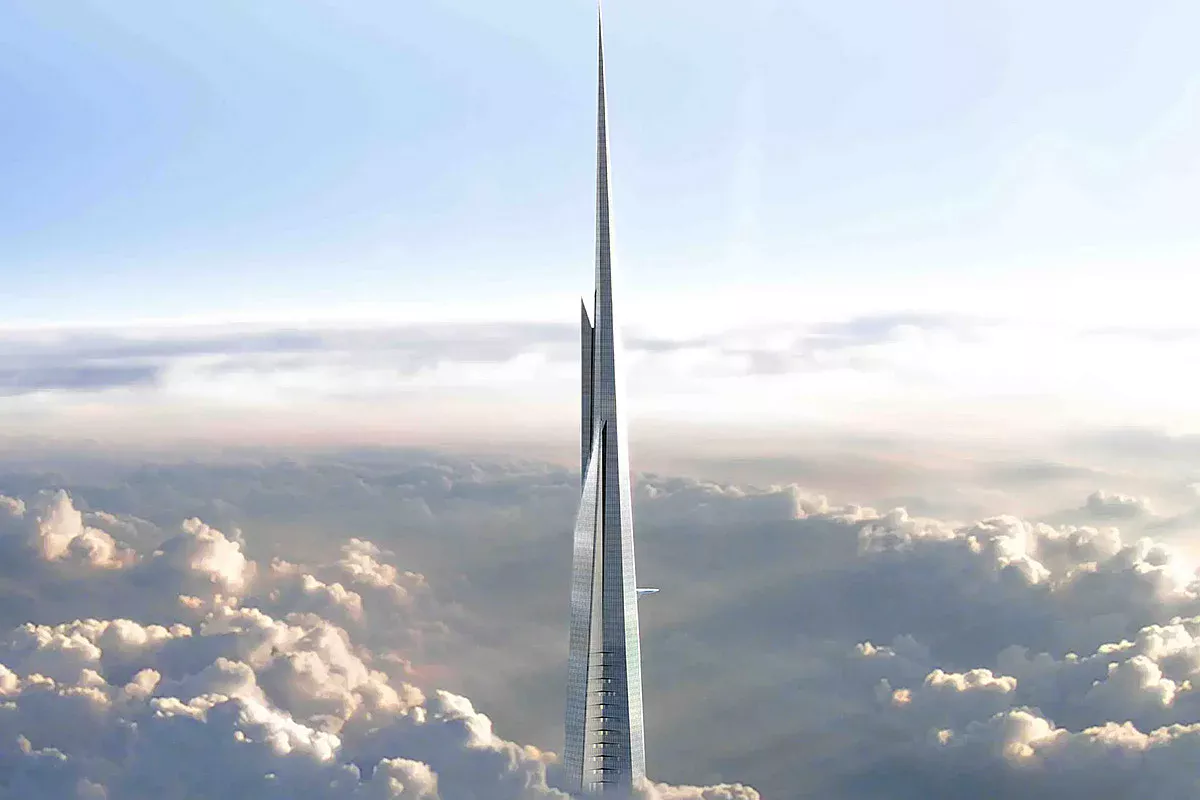
  • Jeddah Tower Reaches 430 Metres in Race to Surpass Burj Khalifa

    Jeddah Tower Reaches 430 Metres in Race to Surpass Burj Khalifa

    The construction milestone was confirmed by Saudi investor Prince Alwaleed bin Talal following a site inspection on July 29, 2026, offering one of the clearest public signals that work on the long-delayed project is gathering momentum.

    “Praise be to God, work is continuing, and we will complete the world’s tallest tower,” Prince Alwaleed said after meeting project teams at the construction site in Jeddah.

    The tower, which began construction in 2013, was suspended in 2018 due to financial and contractor-related challenges. Work resumed in 2025, with crews continuing to add floors to the landmark mixed-use development located within Jeddah Economic City.

    A New Global Icon

    Once completed, Jeddah Tower will exceed 1,000 metres in height, making it the first building in the world to cross the one-kilometre mark. The structure will house residential properties, a luxury hotel, office space, and one of the world’s highest observation decks.

    The tower will serve as the centrepiece of Jeddah Economic City, a 57-million-square-foot development designed to support Saudi Arabia’s ambitions in business and luxury tourism. The project is being developed by Jeddah Economic Company, which is backed by Prince Alwaleed’s Kingdom Holding Company.

    Design and Construction Teams

    Jeddah Economic Company is working with Adrian Smith and Gordon Gill Architecture, the firm behind Burj Khalifa’s design, alongside Thornton Tomasetti for structural engineering, Langan International, RWDI, Dar, and contractor Saudi Binladin Group.

    Current estimates point to completion around 2028, although the final timeline remains dependent on the pace of construction and project execution.

    Regional Context

    The progress on Jeddah Tower comes as the Gulf region continues to see significant activity in supertall construction. Dubai remains home to multiple skyscrapers under development, while Abu Dhabi has launched major waterfront projects as part of broader economic diversification strategies.

    Jeddah Tower’s advancement reflects Saudi Arabia’s push to establish itself as a key destination for international business and tourism, aligning with the kingdom’s Vision 2030 economic transformation agenda.

    With the structure now standing at 430 metres and construction teams accelerating work, the race to claim the title of the world’s tallest building has entered a new phase—one that will see the Gulf skyline reshaped once again.
  • Saudi Real Estate Prices Rise 1.3% in Q2 2026

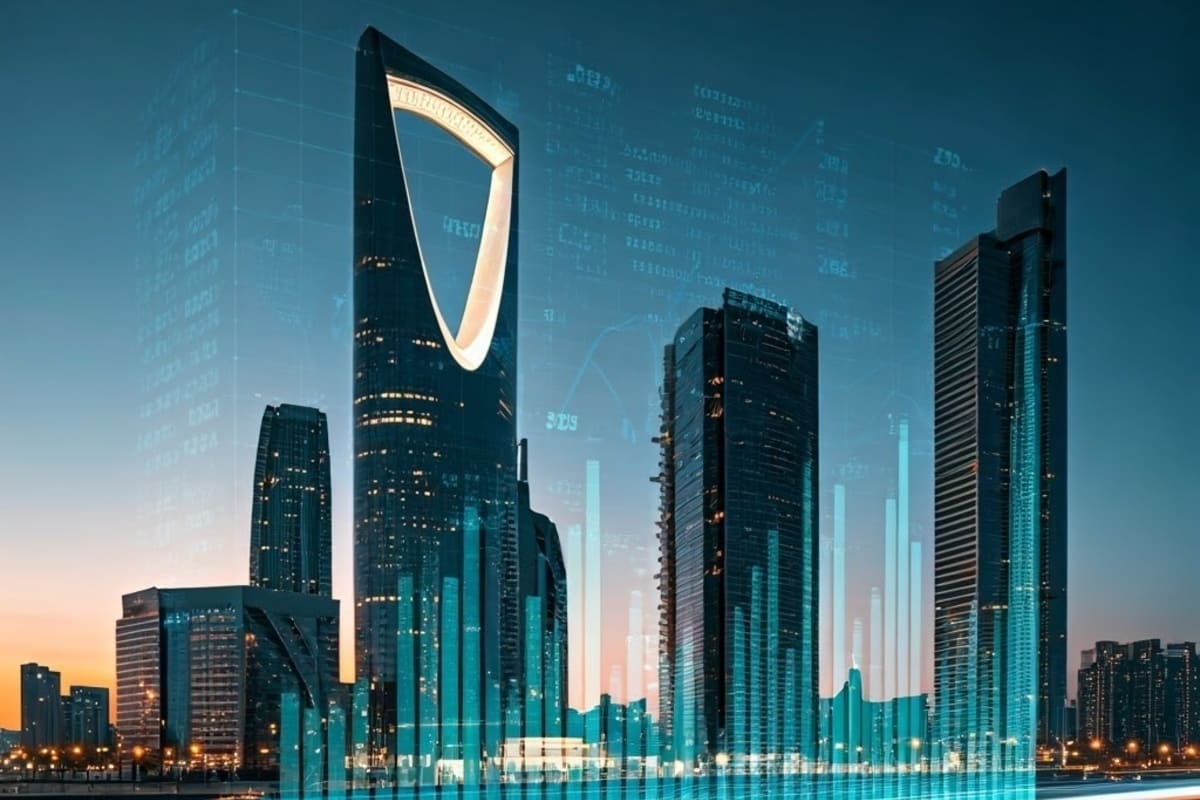
    Saudi Real Estate Prices Rise 1.3% in Q2 2026

    The Real Estate Price Index rose 1.3 percent in the second quarter compared with the corresponding period of 2025, reversing the 1.6 percent decline recorded during the first quarter. The quarterly increase was driven primarily by a 2.6 percent rise in residential property prices and an 11.3 percent increase in agricultural real estate prices, while commercial property prices declined 3.2 percent.

    Residential land prices increased 6.3 percent year-on-year during the second quarter, providing the strongest contribution to the overall index. Apartment prices rose 1.1 percent and residential floor prices edged 0.4 percent higher, while villa prices declined 9.7 percent.

    On a quarterly basis, the Real Estate Price Index increased 3 percent from the first three months of 2026. Residential property prices rose 3.7 percent quarter-on-quarter, supported by a 6.1 percent increase in residential land prices.

    Regional Performance Shows Wide Variation

    Real estate price movements varied considerably among Saudi Arabia’s administrative regions during the second quarter. Al-Jouf registered the highest increase at 10.4 percent, followed by the Northern Borders region with growth of 4.6 percent. Riyadh recorded a 4.2 percent annual increase, while prices in Makkah rose 0.4 percent.

    Hail recorded the steepest annual decline at 10.1 percent, followed by Qassim with a 5.4 percent decrease. Prices also declined 4.5 percent in Madinah and 2.8 percent in Al-Baha.

    Business Revenues Surge 11.4%

    Saudi Arabia’s Operating Revenues Index increased 11.4 percent year-on-year in May 2026, according to preliminary short-term business statistics released alongside the property data. Mining and quarrying recorded the largest increase among main economic activities, with operating revenues surging 38.7 percent.

    Manufacturing revenues rose 9.6 percent, while wholesale and retail trade revenues increased 3.6 percent. Financial and insurance activities recorded growth of 12.9 percent, and transportation and storage revenues increased 9.5 percent.

    Construction operating revenues advanced 2.5 percent, while real estate activities recorded growth of 5.8 percent. Accommodation and food services rose 8.2 percent, and information and communication revenues increased 4.8 percent.

    Employee Compensation Rises

    The Employee Compensation Index increased 9.8 percent year-on-year in May 2026. Accommodation and food services recorded the highest increase at 17.7 percent, followed by other service activities at 14.8 percent. Manufacturing employee compensation rose 11.4 percent, while financial and insurance activities increased 12.8 percent.

    Transportation and storage compensation rose 13.6 percent, while construction recorded an increase of 7.6 percent. Compensation in wholesale and retail trade increased 9.4 percent.

    Building Permits Decline Sharply

    The number of building permits issued in Saudi Arabia fell 33.3 percent year-on-year in May, with 5,056 permits issued during the month compared with 7,584 permits in May 2025. The number also declined 25.7 percent month-on-month from April 2026.

    The permit data contrasted with the quarterly rise in real estate prices and the annual increase in construction operating revenues, presenting a mixed picture of the market.

    Vision 2030 Housing Targets Advance

    Saudi Arabia’s real estate market continues to develop alongside the Housing Program under Vision 2030, which aims to increase homeownership among Saudi families to 70 percent by the end of the decade. The homeownership rate reached 66.24 percent at the end of 2025, exceeding the annual target of 65 percent and rising from 47 percent before the launch of the national housing transformation.

    GASTAT calculates the Real Estate Price Index quarterly using data from completed real estate transactions across Saudi Arabia. The system employs a geospatial artificial intelligence model to process different types of real estate transactions and connect them with multiple data sources and satellite imagery.

    The second-quarter data indicates that while Dammam’s property market surged earlier this year, the national picture now shows broader residential strength concentrated in land and apartment segments, while villa prices continue to face headwinds and commercial properties remain under pressure.