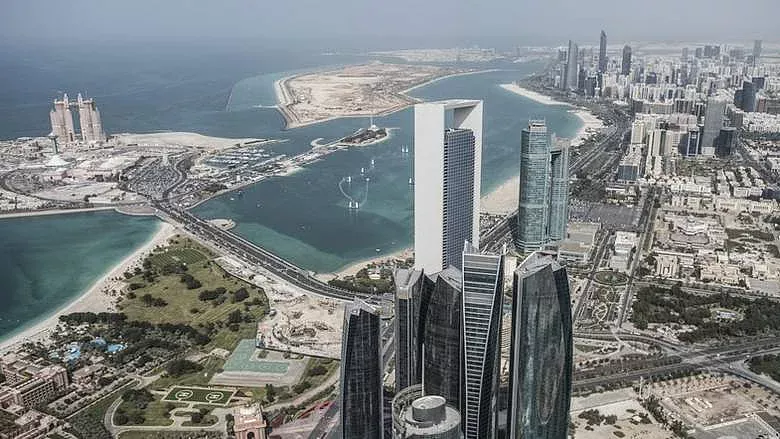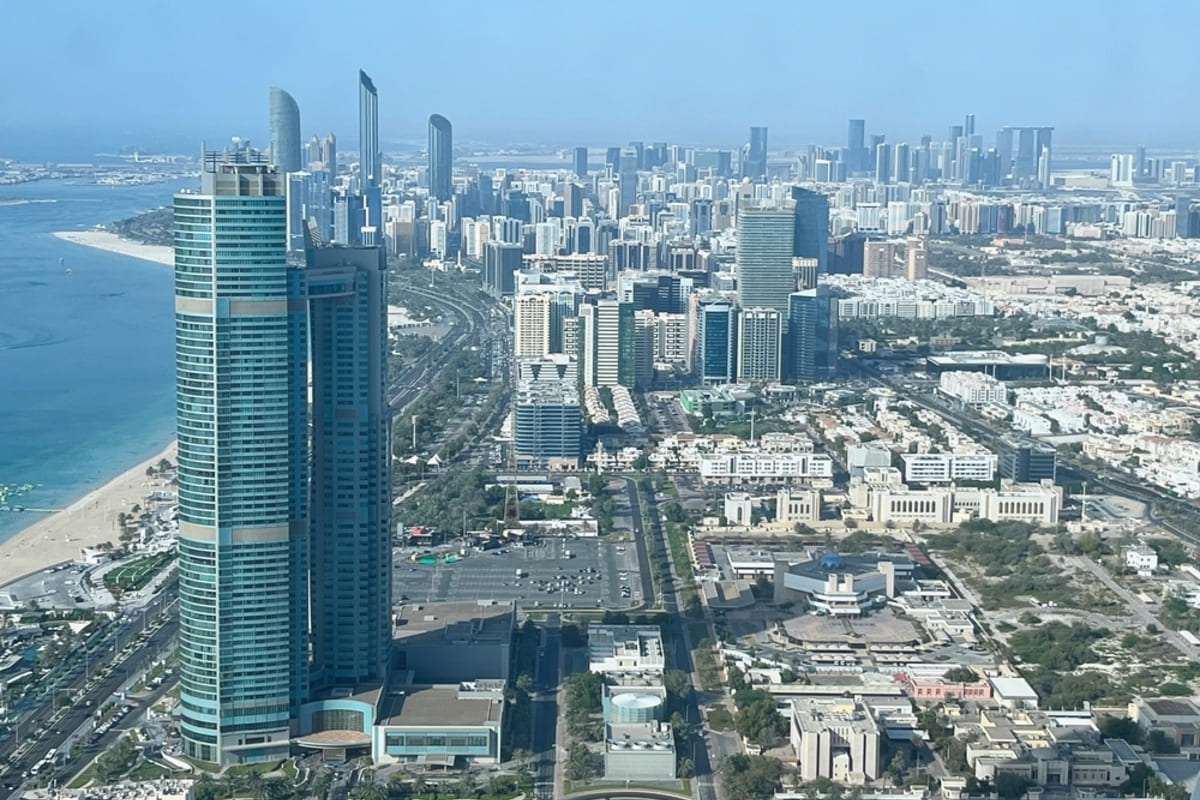
The ValuStrat Price Index (VPI) for Abu Dhabi’s freehold residential market reached 151.1 points in Q2 2026, marking a 2.1 percent quarter-on-quarter increase and 17.8 percent annual growth, according to data released by ValuStrat on August 4, 2026.
The slower quarterly pace signals a gradual moderation following an extended period of rapid appreciation, positioning the capital at an earlier stage in its property cycle compared to Dubai, with relatively more affordable price points continuing to support end-user demand.
Apartments outpace villas with 24.1% annual growth
Apartments delivered the strongest performance across Abu Dhabi’s residential market, with the apartment VPI rising 2.9 percent quarterly and 24.1 percent annually. Villa values increased 1.3 percent quarter-on-quarter and 12 percent year-on-year, reflecting strong domestic demand for strategically located communities offering ready homes at accessible price points.
Al Reef led capital appreciation in the apartment segment with a 41.6 percent annual increase, followed by Al Muneera Island at 24.7 percent, Al Reem Island at 22 percent, and Al Bandar at 21.8 percent. Saadiyat Island posted an 18.3 percent annual gain.
In the villa segment, Al Reef again topped performance with 27.9 percent annual growth, followed by Saadiyat Island at 12 percent and Al Raha at 4.6 percent.
“Despite ongoing geopolitical uncertainty across the region, Abu Dhabi’s residential market has remained resilient, with no material evidence of weakening demand,” said Haider Tuaima, Managing Director & Head of Real Estate Research at ValuStrat.
“While Abu Dhabi and Dubai do not move in perfect synchrony, they have historically followed similar long-term market cycles, with changes in sentiment typically reaching the capital after a delay.”
Rental growth moderates as 0% cap takes effect
The VPI for rental values grew 4.7 percent annually to reach 128.6 points, compared to a baseline of 100 points in Q1 2021, while remaining stable quarter-on-quarter. Villa rents rose 4.4 percent annually to 131.5 points, while apartment rents climbed 5 percent year-on-year to 126 points.
Average annual residential asking rent in Abu Dhabi stood at AED163,700, with apartment asking rents in Abu Dhabi City averaging AED122,500 per annum and citywide villa asking rents averaging AED260,000 per year.
On June 2, 2026, Abu Dhabi implemented a temporary 0 percent rent increase cap, replacing the previous 5 percent annual limit on residential, commercial and industrial properties until further notice.
37,700 new homes scheduled through 2030
Abu Dhabi completed 1,834 apartments and 1,620 villas during the first half of 2026, representing 18.8 percent of the expected residential pipeline for the full year. An estimated 37,700 new residential units are scheduled for delivery by 2030, with 18,339 homes projected to enter supply in 2026 alone—51 percent apartments and 49 percent villas and townhouses.
Major project announcements during the quarter included Sobha Realty’s AED40 billion Sobha City in Al Bahia, spanning 38 million square feet with 4,000 apartments, 2,500 villas and 80 mansions, with first-phase completion targeted for Q4 2029. Object 1 launched A1LA Residence, a 171-unit development on Al Reem Island due for completion in Q4 2028, while Aldar unveiled Yas Point, a AED6 billion waterfront project on Yas Island comprising 1,600 branded residences, a five-star resort, and retail facilities across 600,000 square metres.
Commercial and industrial sectors sustain momentum
Beyond residential property, Abu Dhabi’s commercial and industrial markets continued to demonstrate resilience. The office market remained supported by sustained business activity and limited availability of high-quality space, allowing both capital values and rents to maintain their upward trajectory.
The industrial sector performed strongly, underpinned by robust demand from logistics operators, manufacturing businesses and trade-related occupiers, reflecting Abu Dhabi’s ongoing investment in infrastructure, economic diversification and supply chain development.
Ras Al Khaimah growth slows to 5.4%
In a separate report, ValuStrat revealed that capital values in Ras Al Khaimah’s freehold residential market eased to 123.5 points in Q2 2026. While the index recorded a marginal quarterly decline, it remained 5.4 percent higher year-on-year, representing the slowest annual rate of growth in two years based on a Q1 2024 baseline of 100 points.
Villa capital value growth moderated from 7.4 percent annually in Q1 2026 to 4.6 percent in Q2 2026, with the freehold villa index stable quarter-on-quarter at 124.1 points. Apartment values eased to 123.1 points, reflecting 5.8 percent annual growth alongside a 0.8 percent quarterly decline. Average gross rental yield for both apartments and villas in Ras Al Khaimah stood at 5.3 percent.