Tag: UAE rental market

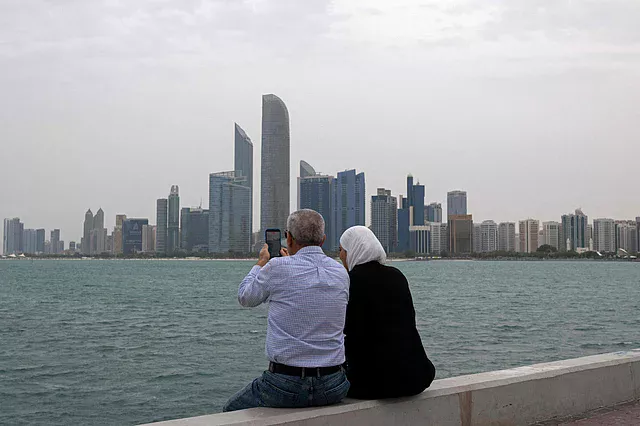
  • Abu Dhabi Freezes All Rent Increases Until Further Notice

    Abu Dhabi Freezes All Rent Increases Until Further Notice

    Abu Dhabi’s residential and commercial tenants now have certainty over one of their largest monthly expenses: the rent in their previous contract will remain the benchmark for renewals, with no increases permitted under the new suspension.

    The decision by ADREC means that landlords cannot demand higher rent when tenants renew their leases or sign new contracts. The approved rental value must match the amount listed in the last agreement, effectively freezing rent levels across the emirate until the regulator announces otherwise.

    What the Freeze Means for Tenants

    For existing tenants approaching lease renewals, the suspension removes the uncertainty of potential rent increases. Annual rents in Abu Dhabi range from approximately Dh30,000 for studio apartments in more affordable areas to over Dh400,000 for luxury villas, with monthly payments typically between Dh3,500 and Dh15,000 or more depending on location, size, and amenities.

    The freeze applies equally to residential and commercial properties, benefiting both families and businesses. Small and medium-sized enterprises that rely on stable operating costs can now plan budgets without worrying about immediate rental cost increases.

    The approved rental value must remain the same as the amount listed in the last contract.

    Market Context and Timing

    The decision comes as Abu Dhabi’s property market continues to attract residents, businesses, and investors. The emirate’s residential sector has sustained positive momentum through 2026, with property prices jumping 6.4% in Q1 2026 according to market data.

    In April 2026, Abu Dhabi recorded more than 3,200 residential unit sales, rebounding from a softer March and exceeding transaction volumes from the first two months of the year. As demand for homes and commercial space grows, rents often come under pressure to rise.

    Impact on Landlords and Property Owners

    Landlords and property management companies must continue using the current approved rental value and cannot increase rents while the suspension remains in force. The move creates clearer rules for both tenants and landlords, potentially reducing disputes over rent increases during contract renewals.

    Property owners will need to maintain current rental income levels without the ability to adjust for market conditions or inflation until ADREC lifts the suspension.

    Duration and Future Changes

    ADREC has not specified an end date for the rent freeze, stating only that it will remain in place “until further notice.” The regulator is expected to continue monitoring market conditions, housing demand, and rental trends before making any future adjustments to the policy.

    The suspension represents a significant intervention in Abu Dhabi’s property market, prioritizing tenant stability over market-driven rental adjustments in a period of sustained real estate activity across the UAE.


  • UAE Landlords Can Now Check Tenants’ Credit Scores Through UAE PASS

    UAE Landlords Can Now Check Tenants’ Credit Scores Through UAE PASS

    The new “Tenant Screening” solution allows landlords to access a tenant’s credit score only after the tenant gives approval through UAE PASS, the country’s national digital identity platform. The service is now available through the Etihad Credit Bureau mobile app after being previewed at GITEX 2025 by the Telecommunications and Digital Government Regulatory Authority (TDRA) and Digital Dubai.

    The move is expected to affect thousands of UAE residents searching for rental homes, as landlords increasingly seek financial checks before signing tenancy contracts. Etihad Credit Bureau said the system is designed to improve transparency and confidence in the rental market while giving residents greater control over how their financial data is shared.

    How the System Works

    The platform operates through a consent-based process. Landlords can send a request for a tenant’s credit score, but the information is only released after approval through UAE PASS. This ensures tenants maintain control over their financial data while enabling landlords to make informed decisions.

    Marwan Ahmad Lutfi, Director General of Etihad Credit Bureau, said the service was developed through collaboration between government and private sector entities to provide “practical” and “easy-to-use” digital solutions aligned with market needs.

    “This initiative supports the UAE’s wider push to build an interconnected digital ecosystem that enables secure and efficient services across sectors,” said Eng. Majed Sultan Al Mesmar, TDRA Director General.

    AI-Enhanced Cheque Clearance

    The bureau also announced upgrades to its existing Cheque Clearance Indicator feature, which now uses artificial intelligence to help cheque recipients assess the likelihood of a cheque being cleared based on the issuer’s credit records.

    Officials said the combined services could help reduce financial risks linked to rental disputes, bounced cheques and delayed payments in the real estate sector. This development comes as Dubai’s rental market recorded Dh32.2 billion in contracts during Q1 2026.

    Broader Digital Trust Infrastructure

    Hamad Obaid Al Mansoori, Director General of Digital Dubai, described UAE PASS as a growing “digital trust infrastructure” that now goes beyond digital identity to support secure consent management and trusted data exchange.

    Etihad Credit Bureau said it plans to further develop the Tenant Screening service with the real estate sector and introduce more consent-based digital services using UAE PASS. Residents can access their credit score, credit report, Tenant Screening service and Cheque Clearance Indicator through the Etihad Credit Bureau app and website.

    The initiative aligns with the UAE’s broader efforts to digitize government services and streamline processes across multiple sectors, reinforcing the country’s position as a regional leader in digital transformation and financial technology innovation.

  • Dubai Rental Contracts Reach Dh32.2 Billion in Q1 2026

    Dubai Rental Contracts Reach Dh32.2 Billion in Q1 2026

    Market activity remained robust through the opening quarter of 2026, reflecting structural demand drivers rather than short-term cyclical momentum. The relatively high renewal share suggests a maturing rental cycle marked by stability rather than volatility, with tenants increasingly committing to longer occupancy patterns.

    The 25% decline in cancelled contracts reinforces evidence of stronger market cohesion and improving tenant retention. Industry analysts attribute these trends to Dubai’s sustained population growth, rising business formation, and continued inflow of skilled professionals across multiple price segments.

    The expansion of the property services ecosystem remained a key feature of the quarter. The number of registered real estate offices reached 10,200, highlighting the breadth of participation across brokerage, management, and advisory functions that support the rental market’s efficiency and transparency.

    In parallel, 3,599 licences were issued across a wide range of real estate-related activities. Brokerage licences dominated the total, with 1,564 issued for sales and purchase brokerage and 928 for leasing brokerage. Additional licences covered transaction follow-up services, development activities, valuation, surveying, owners’ association supervision, mortgage brokerage, and property management.

    This diversification reflects the continued institutionalisation of Dubai’s real estate sector and the strengthening of service layers that underpin investor confidence. The steady performance aligns with broader structural shifts in Dubai’s housing landscape driven by corporate relocations and strong job creation in technology, finance, and trade-linked sectors.

    Authorities attribute part of the stability to continuous policy refinement and transparent governance mechanisms that regulate landlord–tenant relationships. The emirate’s evolving rental index system and digital contract platforms have improved visibility for both tenants and landlords, supporting more predictable leasing decisions.

    Strong project launches across emerging corridors are helping broaden housing choices. New mid-market and family-oriented developments in suburban districts are easing pressure on prime locations, contributing to a more balanced supply-demand equation across the city.

    Residential yields in Dubai remain among the most attractive globally, typically ranging between 6% and 8% in many communities, which continues to draw long-term investors into buy-to-let strategies. This has reinforced the rental market’s depth while supporting liquidity across the wider property sector.

    Commercial leasing activity has also remained resilient, particularly in business districts benefiting from continued company formation and expansion. The steady rise in real estate-related licensing activity further reflects confidence among service providers and developers in medium-term demand prospects.

    With sustained infrastructure investment, continued inflows of global talent, and a forward-looking economic agenda centred on entrepreneurship and diversification, the emirate’s leasing sector is expected to remain a central pillar of real estate activity throughout 2026. The latest indicators suggest that Dubai’s rental market is evolving within a well-integrated regulatory and investment ecosystem that combines development momentum with policy stability.