Tag: UAE real estate 2026

  • Dubai Property Transactions Rebound 49% After Eid Al Fitr

    Dubai’s property market demonstrated remarkable resilience last week, with transaction volumes climbing sharply as activity resumed after the Eid Al Fitr holiday period. According to Dubai Land Department data, total ex-land transactions reached Dh8.66 billion ($2.36 billion) for the week ending March 29, 2026, up from Dh5.82 billion in the shortened working week prior.

    The sharp recovery indicates that the previous week’s moderated performance was a temporary calendar-driven lull rather than a structural cooling of investor appetite. The data reinforces a broader trend throughout 2026: a market heavily weighted toward primary off-plan sales and apartment-led volume.

    Off-Plan Segment Drives Market Activity

    The off-plan segment continues to serve as the market’s primary engine, generating Dh6.74 billion and accounting for 77.8% of total weekly value. Within this category, apartments remained the preferred asset class, contributing Dh5.46 billion, or 81% of off-plan value.

    Villas followed with a more modest share of 11.3% (Dh763.2 million), while commercial assets represented 7.3% of the off-plan segment.

    In contrast, the secondary or ready market recorded Dh1.92 billion in transactions. While smaller in total volume, the ready segment remains the cornerstone of the city’s established residential hubs, led by Business Bay and Jumeirah Village Circle.

    Cash Dominates Off-Plan, Mortgages Support Ready Market

    The funding structure of the market remains split along traditional lines. The off-plan sector continues to be primarily cash-driven, with 97.9% of transactions conducted as direct sales. Mortgages accounted for a marginal 1.3% of off-plan activity, as buyers typically opt for developer-led payment plans over traditional bank financing for uncompleted projects.

    The secondary market shows higher reliance on the banking sector, with mortgages accounting for 38.3% of transactions (Dh734.8 million). This distinction underscores the differing profiles: the primary market remains a magnet for global capital and investors seeking capital appreciation, while the ready market serves as the gateway for end-users and residents tapping into local liquidity.

    Geographic Highlights and Trophy Deals

    Investor interest remains concentrated in high-liquidity master-planned districts and emerging waterfront developments. Jumeirah Second emerged as the week’s value leader in the off-plan segment, recording Dh591.4 million in deals. This was bolstered by the week’s standout transaction: an off-plan apartment sale worth Dh356.2 million.

    Other top-performing primary locations included Al Yelayiss 1 (Dh566.1 million) and Madinat Al Mataar (Dh555.4 million).

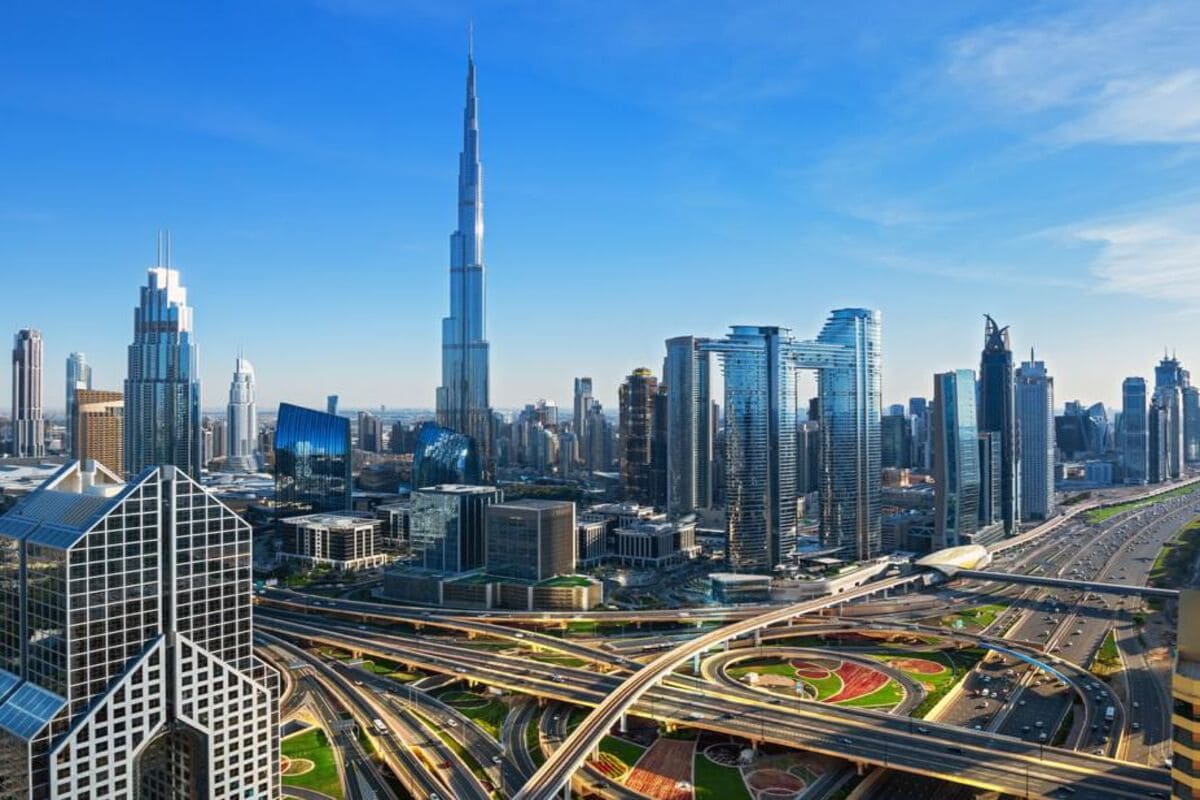
    In the secondary market, Business Bay maintained its status as the most liquid district, followed by Jumeirah Village Circle and the Burj Khalifa area. The highest-value resale was an apartment in Business Bay which cleared at Dh34.1 million, while the top ready villa deal was recorded in Jumeirah Park for Dh11.5 million.

    Market Outlook

    The swift return to high-volume trading following the holiday period highlights the robust buy-and-hold sentiment currently pervading the UAE’s real estate sector. With off-plan developments continuing to absorb the lion’s share of liquidity, the market appears well-positioned to maintain its momentum through the second quarter of 2026.

    As Dubai continues to expand its urban footprint toward the south and through major coastal redevelopments, these high-velocity corridors are expected to remain the focus of both regional and international portfolios. The data suggests that investor confidence remains strong despite ongoing geopolitical uncertainty in the region.

  • Dubai Landlords Offer Flexible Payment Plans Amid Regional Tensions

    Dubai Landlords Offer Flexible Payment Plans Amid Regional Tensions

    Dubai landlords are adapting to evolving market conditions by introducing more flexible payment terms for tenants, with properties previously marketed on one or two cheques now being offered with additional payment options to help secure occupancy.

    The shift comes as the emirate’s rental market maintains steady activity despite regional uncertainty, with real estate firm Betterhomes recording more than 1,200 tenant inquiries over the eight days preceding March 13, 2026.

    Market Remains Functional

    “We understand that many people are looking for reassurance right now,” said Rupert Simmonds, Director of Leasing at Betterhomes. “What our data shows is that Dubai’s leasing market is still functioning.”

    “Tenants continue to search for, renew, and move homes, which shows how the leasing market is able to withstand regional uncertainty.”

    Recent leasing data indicates that tenant enquiry levels continue to exceed the number of new rental listings entering the market, demonstrating sustained demand despite a 45% drop in enquiries from typical levels following the escalation of regional tensions on February 28, 2026.

    Supply Wave on the Horizon

    The increased flexibility from landlords is driven in part by a sustained increase in residential supply expected between 2026 and 2028. According to property consultancy Colliers, Dubai recorded the highest volume of residential completions in its history in 2025.

    The scale of the development pipeline could influence rental and pricing dynamics in the coming years, with performance expected to vary by asset quality, location and pricing, Colliers noted.

    “The market has become more measured, but it hasn’t stopped,” Simmonds said. “In the current environment, accurate pricing, flexibility and strong local insight are making the biggest difference.”

    Context of Growth

    Before regional tensions escalated dramatically in late February, Dubai’s property boom had reached a record Dh916 billion amid growing population and improved borrowing conditions. Engagement levels across digital platforms have remained consistent, suggesting that many potential tenants continue to monitor the market actively.

    The trend toward greater flexibility in Dubai’s rental sector aligns with broader regulatory changes, including new shared housing regulations that introduce mandatory permits and occupancy standards.

    As more projects come online, well-positioned and competitively priced properties are likely to perform strongly, while others may rely more on incentives and flexible payment structures to maintain occupancy, according to market analysts.

  • Sharjah Property Deals Hit Record Dh9.3 Billion in January 2026

    Sharjah Property Deals Hit Record Dh9.3 Billion in January 2026

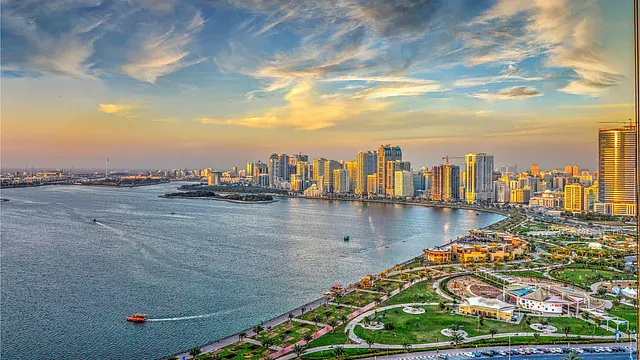
    Sharjah recorded 10,333 property transactions in January 2026, with total trading area reaching approximately 23.8 million square feet, reflecting continued rapid growth and solidified confidence in the emirate’s real estate market at the outset of the year.

    The emirate’s real estate landscape continues to evolve, demonstrating increasing market maturity and diversification of its investor base. Government policies, progressive legislation, and strategic urban planning initiatives have reinforced Sharjah’s position as a premier long-term investment destination. Large-scale development projects and infrastructure expansion have further stimulated both local and international capital inflows.

    A total of 4,868 sales transactions took place across 129 areas distributed throughout the cities and regions of Sharjah, encompassing residential, commercial, industrial, and agricultural land. By property type, 2,101 transactions involved units in towers, 1,672 transactions were for land, and 1,095 transactions for built-in land.

    Al-Khan area recorded the highest real estate transaction for built-in land, valued at Dh90 million, while Al-Tay West area recorded the highest mortgage transaction for land valued at Dh240 million.

    Within Sharjah City, 4,061 sales transactions were recorded in January. Muwaileh Commercial led with 787 transactions, followed by Al-Khan with 442, Al-Mamzar with 334, and Al-Hamriyah West with 293 transactions.

    In terms of trading value, Muwaileh Commercial topped the list with Dh1.1 billion, followed by Al-Khan with Dh718 million, Al-Hamriyah West with Dh714.6 million, and Rawdat Al-Sidr with Dh567.5 million.

    In the Central Region, a total of 753 sales transactions were recorded, with the majority concentrated in Al-Belaida area, which recorded 433 transactions and the highest trading volume valued at Dh649.8 million.

    In the Eastern Region, 54 sales transactions took place, with Hay Al-Gharb area leading with 11 deals and accounting for the highest share of trading volume at Dh24.9 million.

    Sharjah’s performance mirrors broader UAE real estate market strength across emirates. The emirate’s strategic positioning and investment-friendly policies continue to attract both regional and international buyers seeking value-driven property opportunities amid ongoing residential expansion across the UAE.

  • UAE Long-Term Renters Turn Homeowners Amid Flexible Payment Plans

    UAE Long-Term Renters Turn Homeowners Amid Flexible Payment Plans

    Competitive pricing compared to global cities, flexible payment plans, and residency incentives such as the Golden Visa are helping nudge more UAE residents towards home ownership, according to real estate experts.

    Blagoje Antic, CEO and Founder of DHG, noted strong interest in emerging, master-planned communities with a clear long-term vision, such as Meydan Horizon and Dubai Islands.

    “Looking ahead to 2026, demand is moving toward communities that balance accessibility with green spaces and a more sustainable way of living,”

    he said.

    The shift comes as buyer intent remains strong. Last month, a survey revealed that seven in 10 UAE residents plan to buy property in the next six months. The findings, based on Property Finder’s bi-annual Market Pulse survey, gathered responses from 5,540 participants and showed that buyers expect only moderate changes in prices.

    That intent is increasingly translating into actual purchases, supported by government-backed initiatives aimed at making home ownership more accessible. Dubai’s First-Time Home Buyer Programme has enabled more than 2,000 residents to purchase their first home in the past six months, generating over Dh3.25 billion in residential property sales, according to figures from the Dubai Land Department.

    Launched in July 2025 by the Dubai Department of Economy and Tourism and DLD, the programme offers first-time buyers priority access to new projects, tailored mortgage solutions and preferential pricing. More than 41,000 residents have registered for the programme so far, with nearly half of completed purchases made by residents who have lived in Dubai for more than five years without previously owning a home, highlighting its role in converting long-term renters into homeowners.

    Industry experts say this renewed confidence is drawing more first-time buyers and long-term residents into the market, with purchasers increasingly focused on build quality, location, developer reputation, and how well a home will hold up over time.

    “End users are more informed and are prioritising good layouts, practical design, amenities, and strong community infrastructure,”

    Antic said. “One- and two-bedroom apartments remain the most in-demand, mainly due to affordability and strong rental demand, with well-planned layouts and quality finishes playing a bigger role in decision-making.”

    Svetlana Vasilieva, Head of Secondary Sales at Metropolitan Premium Properties, said most first-time buyers currently have a budget range between Dh2 million and Dh3 million. She added that while some developers rarely offer incentives, others provide flexible payment plans or upfront discounts to encourage sales.

    “My advice to first timers is to buy with resale and long-term value in mind, not just what fits your budget today,”

    she said.

    Affordability and space remain key considerations.

    “Many first-time buyers are looking for larger apartments or townhouses within family-oriented communities and are willing to live further out to achieve a lower price per square foot,”

    Vasilieva added. In Dubai, buyers are most frequently enquiring about Arabian Ranches 3, The Valley, Dubai South, Nad Al Sheba and Town Square.

    Elie Namaan, CEO and Co-Founder of Ellington Properties, said market momentum is increasingly being driven by end-users buying with intent rather than urgency.

    “We have noticed far more confident and deliberate first-time buyers than even a year ago. These buyers are asking sharper questions and making decisions after more consideration, not just around price but around how a home fits into their daily life,”

    he said.

    Namaan added that livability has become central to the decision-making process, with buyers prioritising thoughtful layouts, natural light, storage, walkability and a sense of community over short-term gains.

    “There’s a growing recognition that a first home is not just a financial milestone, but an everyday environment that needs to support work, wellbeing and long-term comfort,”

    he said.

    The trend aligns with broader market shifts toward value-driven purchases across the region, as buyers prioritize developer credibility and long-term stability. With Dubai recording over 200,000 transactions in 2025 and residential prices rising 12.1%, the emirate continues to attract investors seeking quality and sustainable communities.