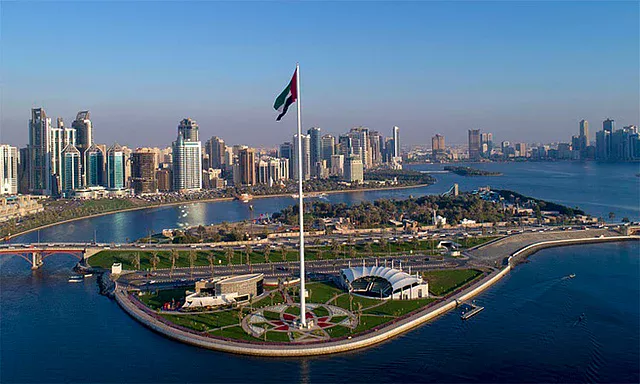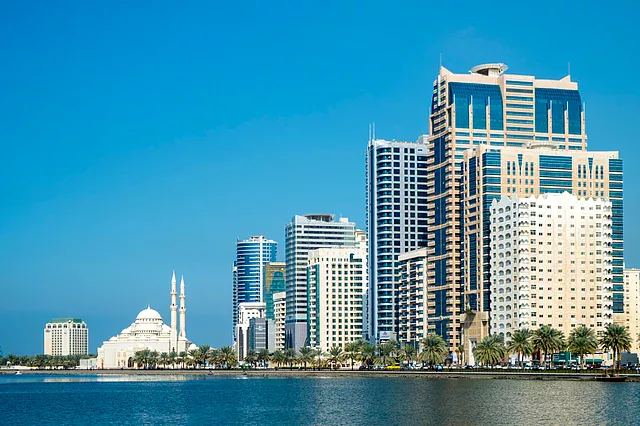
Sharjah’s residential rental market is experiencing one of its strongest growth phases in recent years, fueled by population growth, an influx of Dubai residents seeking lower housing costs, and a robust infrastructure and development pipeline reshaping the emirate’s residential landscape.
Overall rental activity, including both residential and commercial leases, exceeded 368,500 contracts in 2025, representing annual growth of 4.4%, the Cavendish Maxwell report shows.
Families accounted for 86% of all residential rental contracts, underlining Sharjah’s position as the preferred destination for long-term family living. Single tenants represented 10% of contracts, while staff and worker accommodation accounted for the remaining 4%.
“Foreign ownership reforms, infrastructure investments and Sharjah’s comparatively lower living costs are driving unprecedented demand for real estate across the emirate,” said Ali Siddiqui, research manager at Cavendish Maxwell.
Affordability Driving Migration from Dubai
Residential rents in Sharjah are typically 20% to 30% lower than comparable properties in Dubai, encouraging a growing number of professionals and families to relocate while continuing to work in Dubai, the report estimates.
Industry executives say this migration trend has intensified over the past two years as rental costs in Dubai have climbed sharply amid strong population growth and record residential demand.
The resulting pressure on Sharjah’s housing stock has pushed rents significantly higher in several popular districts. Market data shows that some residential neighbourhoods have recorded annual rental increases ranging from 33% to 56%, particularly in high-demand areas such as Muwaileh, Aljada and emerging mixed-use communities offering modern amenities and improved transport connectivity.
Tenant Protection Framework
To protect residents from excessive rent hikes, Sharjah maintains one of the UAE’s most tenant-friendly rental frameworks. Under the emirate’s regulations, rents are frozen for the first three years from the commencement of a tenancy agreement. Landlords are prohibited from increasing rents or refusing lease renewals during this period unless tenants violate contractual obligations.
Following the initial three-year period, landlords may raise rents only once every two years and any increase must reflect fair market value. The regulations also prohibit renewal fees and require tenancy contracts to be registered with the municipality, creating greater transparency and protection for both landlords and tenants.
Real estate consultants say these rules have helped Sharjah maintain market stability even as rental values continue to rise.
Supply Pipeline and Infrastructure
Around 2,600 residential units were delivered in 2025, with apartments accounting for more than 80% of new supply. Another 1,100 apartments entered the market during the first quarter of 2026.
Approximately 33,700 additional homes are scheduled for delivery by 2030, including 24,800 apartments and 9,900 villas and townhouses. Major developments by leading developers including Arada, Alef Group, Beeah Group and Eagle Hills are expected to expand housing choices and moderate rental pressures over the medium term.
Infrastructure investment will further strengthen residential demand. Projects such as the Etihad Rail network, major road upgrades and the expansion of Sharjah International Airport are improving connectivity and reducing commuting times, making Sharjah increasingly attractive for residents employed across the UAE.
Sharjah’s population is projected to rise from about 1.98 million today to more than 2.1 million by 2030, while expatriates account for over 85% of residents.
Sharjah’s rental market closely mirrors broader regional trends, with property sales reaching a record Dh65.6 billion in 2025 as the emirate capitalizes on affordability advantages over Dubai. Meanwhile, Abu Dhabi has frozen all rent increases to stabilize its housing market amid rising costs.
With strong demand fundamentals, a growing population, tenant-friendly regulations and thousands of new homes in the development pipeline, analysts expect Sharjah’s rental market to remain resilient. While fresh supply could ease some pressure on rents over time, the emirate’s affordability advantage and family-oriented appeal are likely to keep demand elevated for the foreseeable future.