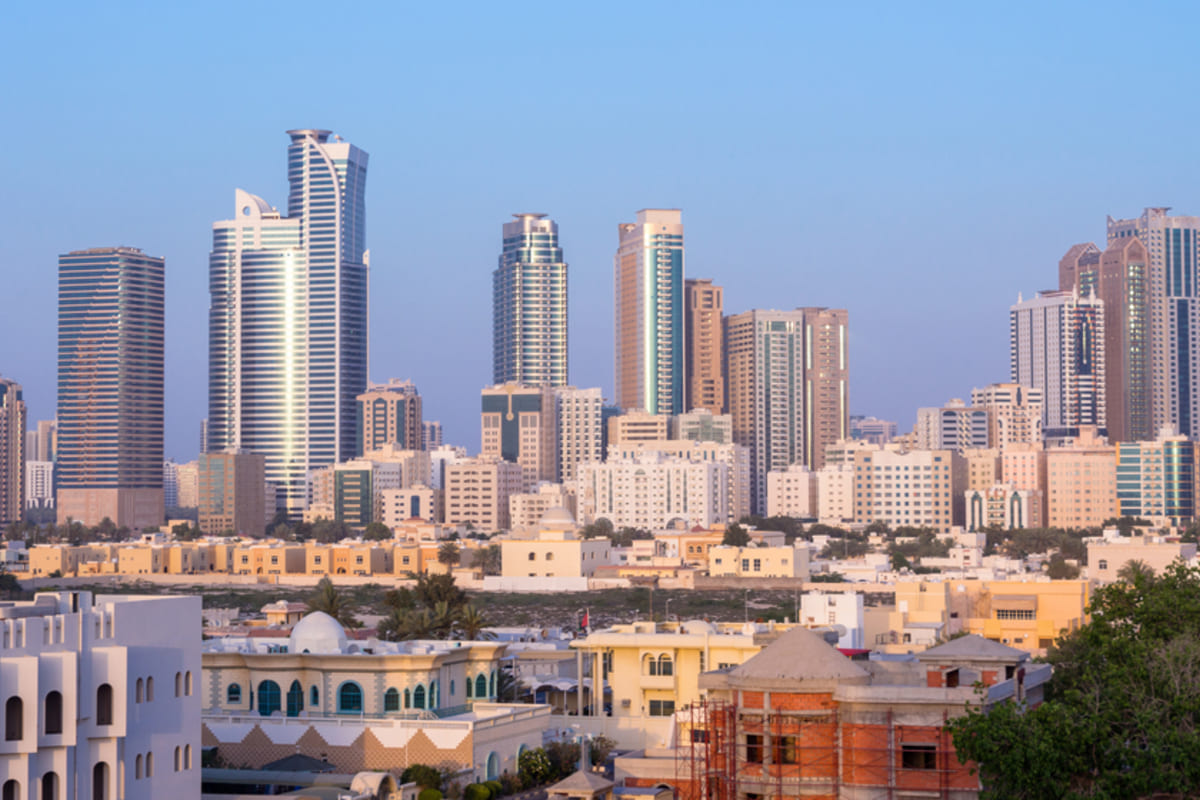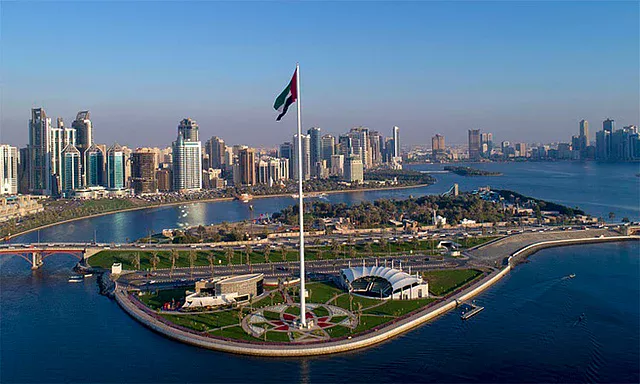
Sharjah’s property market is experiencing unprecedented growth, with transaction values reaching a historic Dh65.6 billion in 2025 as the emirate positions itself as a compelling alternative to Dubai’s more expensive real estate landscape.
The momentum carried into 2026, with first-quarter transaction values surging 41 percent year-on-year to Dh18.5 billion, according to a new report by Cavendish Maxwell released on June 11, 2026. Nearly 9,980 properties changed hands during Q1 2026, up 23 percent from the same period in 2025.
“Sharjah is entering a new phase of economic ambition,” said Ali Siddiqui, research manager at Cavendish Maxwell. “Foreign direct investment reached Dh7.7 billion last year, with the first half alone recording a 361 percent surge to Dh5.5 billion. GDP grew 4.4 percent, business licences climbed nearly 9 percent to more than 77,500, and annual real estate transactions reached a record Dh65.6 billion.”
The emirate’s transformation accelerated following the introduction of freehold ownership reforms in 2022, which opened the market to international investors. Buyers from nearly 130 nationalities acquired property in Sharjah during 2025, reflecting growing diversity in the investor base.
33,700 Homes in the Pipeline
Around 33,700 residential units are scheduled for delivery by 2030, including 24,800 apartments and 9,900 villas and townhouses. The pipeline represents one of the most significant residential expansion programmes in Sharjah’s history, with major projects being developed by Arada, Alef Group, BEEAH Group, Shurooq, and Eagle Hills.
Approximately 2,600 residential units were delivered during 2025, while another 1,100 apartments entered the market during the first quarter of 2026.
Affordability Drives Demand
Residential rents in Sharjah are typically between 20 percent and 30 percent lower than in Dubai, reinforcing demand among both end-users and investors. Many professionals working in Dubai are relocating to Sharjah in search of larger homes and lower housing costs while maintaining access to employment opportunities in the neighbouring emirate.
The expatriate population, which accounts for more than 85 percent of Sharjah’s residents, continues to support residential demand. UAE nationals remain the largest buyer group, but foreign investors are increasingly attracted by the emirate’s affordability and integrated master-planned communities.
Infrastructure Investment Strengthens Appeal
The Dh40 billion Etihad Rail network is expected to enhance connectivity between Sharjah and other emirates, creating new demand drivers for residential and mixed-use developments. Meanwhile, the widening of Emirates Road (E611) is projected to reduce peak-hour travel times to Dubai by up to 45 percent.
A Dh2.4 billion expansion of Sharjah International Airport aims to raise annual passenger capacity to 20 million by 2027. The airport handled 19.5 million passengers in 2025, an increase of 14 percent year-on-year. Hotel guest arrivals climbed 22 percent to 2.1 million, while hospitality revenues rose 20 percent to Dh780 million, with occupancy reaching 78 percent.
With Sharjah’s population projected to increase from 1.98 million today to around 2.1 million by 2030, housing demand is expected to remain robust. While the substantial new supply will test absorption capacity, analysts believe the emirate’s combination of affordability, infrastructure investment, and regulatory reforms will sustain strong real estate growth through the remainder of the decade.
Sharjah’s performance mirrors broader trends across the UAE property sector, where property prices in select Dubai communities have more than doubled in recent years. Meanwhile, Sharjah’s commercial property market also posted robust momentum in Q1 2026, with Grade A office occupancy reaching 85 percent.