Tag: Saadiyat Island

  • Abu Dhabi Property Prices Rise 17.8% in Q2 2026

    Abu Dhabi Property Prices Rise 17.8% in Q2 2026

    The ValuStrat Price Index (VPI) for Abu Dhabi’s freehold residential market reached 151.1 points in Q2 2026, marking a 2.1 percent quarter-on-quarter increase and 17.8 percent annual growth, according to data released by ValuStrat on August 4, 2026.

    The slower quarterly pace signals a gradual moderation following an extended period of rapid appreciation, positioning the capital at an earlier stage in its property cycle compared to Dubai, with relatively more affordable price points continuing to support end-user demand.

    Apartments outpace villas with 24.1% annual growth

    Apartments delivered the strongest performance across Abu Dhabi’s residential market, with the apartment VPI rising 2.9 percent quarterly and 24.1 percent annually. Villa values increased 1.3 percent quarter-on-quarter and 12 percent year-on-year, reflecting strong domestic demand for strategically located communities offering ready homes at accessible price points.

    Al Reef led capital appreciation in the apartment segment with a 41.6 percent annual increase, followed by Al Muneera Island at 24.7 percent, Al Reem Island at 22 percent, and Al Bandar at 21.8 percent. Saadiyat Island posted an 18.3 percent annual gain.

    In the villa segment, Al Reef again topped performance with 27.9 percent annual growth, followed by Saadiyat Island at 12 percent and Al Raha at 4.6 percent.

    “Despite ongoing geopolitical uncertainty across the region, Abu Dhabi’s residential market has remained resilient, with no material evidence of weakening demand,” said Haider Tuaima, Managing Director & Head of Real Estate Research at ValuStrat.

    “While Abu Dhabi and Dubai do not move in perfect synchrony, they have historically followed similar long-term market cycles, with changes in sentiment typically reaching the capital after a delay.”

    Rental growth moderates as 0% cap takes effect

    The VPI for rental values grew 4.7 percent annually to reach 128.6 points, compared to a baseline of 100 points in Q1 2021, while remaining stable quarter-on-quarter. Villa rents rose 4.4 percent annually to 131.5 points, while apartment rents climbed 5 percent year-on-year to 126 points.

    Average annual residential asking rent in Abu Dhabi stood at AED163,700, with apartment asking rents in Abu Dhabi City averaging AED122,500 per annum and citywide villa asking rents averaging AED260,000 per year.

    On June 2, 2026, Abu Dhabi implemented a temporary 0 percent rent increase cap, replacing the previous 5 percent annual limit on residential, commercial and industrial properties until further notice.

    37,700 new homes scheduled through 2030

    Abu Dhabi completed 1,834 apartments and 1,620 villas during the first half of 2026, representing 18.8 percent of the expected residential pipeline for the full year. An estimated 37,700 new residential units are scheduled for delivery by 2030, with 18,339 homes projected to enter supply in 2026 alone—51 percent apartments and 49 percent villas and townhouses.

    Major project announcements during the quarter included Sobha Realty’s AED40 billion Sobha City in Al Bahia, spanning 38 million square feet with 4,000 apartments, 2,500 villas and 80 mansions, with first-phase completion targeted for Q4 2029. Object 1 launched A1LA Residence, a 171-unit development on Al Reem Island due for completion in Q4 2028, while Aldar unveiled Yas Point, a AED6 billion waterfront project on Yas Island comprising 1,600 branded residences, a five-star resort, and retail facilities across 600,000 square metres.

    Commercial and industrial sectors sustain momentum

    Beyond residential property, Abu Dhabi’s commercial and industrial markets continued to demonstrate resilience. The office market remained supported by sustained business activity and limited availability of high-quality space, allowing both capital values and rents to maintain their upward trajectory.

    The industrial sector performed strongly, underpinned by robust demand from logistics operators, manufacturing businesses and trade-related occupiers, reflecting Abu Dhabi’s ongoing investment in infrastructure, economic diversification and supply chain development.

    Ras Al Khaimah growth slows to 5.4%

    In a separate report, ValuStrat revealed that capital values in Ras Al Khaimah’s freehold residential market eased to 123.5 points in Q2 2026. While the index recorded a marginal quarterly decline, it remained 5.4 percent higher year-on-year, representing the slowest annual rate of growth in two years based on a Q1 2024 baseline of 100 points.

    Villa capital value growth moderated from 7.4 percent annually in Q1 2026 to 4.6 percent in Q2 2026, with the freehold villa index stable quarter-on-quarter at 124.1 points. Apartment values eased to 123.1 points, reflecting 5.8 percent annual growth alongside a 0.8 percent quarterly decline. Average gross rental yield for both apartments and villas in Ras Al Khaimah stood at 5.3 percent.

  • Abu Dhabi Home Values Rise 17.8% as Apartments Gain 24.1%

    Abu Dhabi Home Values Rise 17.8% as Apartments Gain 24.1%

    The ValuStrat Price Index for Abu Dhabi’s freehold residential market reached 151.1 points in Q2 2026, marking a 2.1 percent increase from the previous quarter. The quarterly gain was the slowest in two years, signaling a more measured pace of growth after several quarters of strong appreciation.

    Apartment values rose 2.9 percent quarter-on-quarter, while villa prices increased 1.3 percent quarterly and 12 percent annually. ValuStrat noted that Abu Dhabi remains at an earlier stage of its property cycle compared to Dubai, with comparatively accessible prices continuing to support demand from end-users.

    Al Reef Leads Price Growth

    Al Reef recorded the strongest annual appreciation among apartment communities tracked by ValuStrat, with values rising 41.6 percent year-on-year. It was followed by Al Muneera Island at 24.7 percent, Al Reem Island at 22 percent and Al Bandar at 21.8 percent. Apartment values on Saadiyat Island increased 18.3 percent.

    Al Reef also led villa price growth, with annual appreciation of 27.9 percent, followed by Saadiyat Island at 12 percent and Al Raha at 4.6 percent.

    Residential rents increased 4.7 percent annually but remained broadly stable during the quarter. Average asking rents across Abu Dhabi stood at approximately Dh163,700 per year. Apartment asking rents averaged Dh122,500 annually, while villa rents averaged Dh260,000.

    Studios recorded the strongest annual apartment rental growth at 13.8 percent, followed by one-bedroom homes at 7.7 percent. Four-bedroom villas led the villa segment, with rents rising 7.2 percent.

    Off-Plan Sales Dominate Transactions

    Abu Dhabi recorded 6,061 off-plan transactions during the second quarter, representing 84 percent of total residential sales and marking a 156 percent increase from a year earlier. Off-plan prices averaged Dh2,104 per square foot, up 21.2 percent annually, although they declined 4 percent from the previous quarter.

    The average off-plan transaction value reached Dh4.4 million, rising 25.9 percent year-on-year as developers continued to focus on premium residential projects.

    Ready-home transaction volumes fell 28.3 percent annually to 1,145 sales. However, average prices for completed homes increased 10.9 percent to Dh1,442 per square foot. The average ready-home transaction value reached Dh2.8 million, up 18.8 percent annually.

    Across all residential sales, transaction volume stood at 7,206, down 8 percent from the previous quarter, while the average transaction value was Dh4.14 million.

    Office Rents Jump 27.3%

    Abu Dhabi’s commercial property market maintained strong momentum, supported by sustained business activity and limited availability of high-quality offices. Office asking rents in the capital’s main commercial districts increased 27.3 percent annually and 11.4 percent quarterly. Average occupancy in central business district buildings reached 90 percent.

    Office asking prices rose 16.3 percent year-on-year to an average of Dh2.7 million, while the median asking price stood at Dh1,666 per square foot.

    Mubadala Investment Company and Aldar Properties have announced a Dh60 billion expansion of Al Maryah Island, which is expected to add more than 16 million square feet of mixed-use space and expand Abu Dhabi Global Market’s commercial capacity.

    The industrial and logistics market also remained well supported, with occupancy at Khalifa Economic Zones Abu Dhabi reaching approximately 98 percent. ValuStrat said demand for modern warehouses and logistics facilities continued to exceed the availability of Grade A stock, supported by manufacturing, e-commerce, pharmaceuticals and food companies.

    The residential rental market showed signs of stabilization following the mid-year rent freeze, with landlords increasingly focused on tenant retention and occupancy rather than short-term price increases, according to ValuStrat’s Q2 2026 market report released on August 4, 2026.

  • Abu Dhabi Residential Yields Reach 8.92% in H1 2026

    Abu Dhabi Residential Yields Reach 8.92% in H1 2026

    Abu Dhabi’s residential market maintained momentum across multiple price segments during the first half of 2026, with affordable communities delivering the highest projected rental returns while premium waterfront developments attracted wealthy buyers focused on lifestyle and long-term appreciation.

    Al Reef led the affordable apartment category with a projected return on investment of 8.92 percent, according to data released by property portal Bayut on July 28, 2026. Masdar City delivered 7.63 percent within the mid-tier segment, while Yas Island and Al Maryah Island each generated projected returns of 5.94 percent among luxury apartments.

    Villa returns followed a similar pattern. Al Reef produced a projected yield of 5.92 percent in the affordable category, narrowly ahead of Al Raha Gardens at 5.91 percent. Al Raha Beach offered 5.11 percent among luxury villas, while Saadiyat Island delivered 4.32 percent in the ultra-luxury segment, where investors prioritize exclusivity and capital appreciation over immediate income.

    “The first half demonstrated the residential market’s growing maturity. Demand across multiple price segments demonstrated the depth of market confidence,” said Haider Ali Khan, chief executive of Bayut and Dubizzle Group MENA.

    Rental Demand Strengthens Across Communities

    Abu Dhabi’s rental market remained balanced during the first six months of the year, supported by population growth and expanding employment opportunities. Saadiyat Island maintained its position as the leading ultra-luxury apartment rental destination, while Yas Island recorded strong interest within the luxury segment.

    Average advertised apartment rents increased 2.85 percent in Al Reem Island and 3.81 percent in Al Khalidiyah compared with the second half of 2025. Villa rental demand strengthened as households continued prioritizing space and family-oriented amenities.

    Shakhbout City recorded the strongest increase, with average villa rents rising 6.57 percent during the period. Khalifa City’s average villa rents increased 6.53 percent, while Al Reef posted growth of 3.76 percent. Al Raha Gardens recorded a more moderate gain of 2.37 percent in the mid-tier segment.

    Average advertised rents on Yas Island rose 4.17 percent as the waterfront community attracted tenants seeking premium lifestyle amenities.

    Buyer Interest Spans All Segments

    Saadiyat Island remained the leading destination for ultra-luxury apartments and villas, supported by its cultural attractions and appeal among buyers focused on long-term capital appreciation. Al Raha Beach retained its position among luxury apartment buyers, while Al Reem Island was the preferred choice within the mid-tier segment.

    Al Reef continued to draw value-conscious investors seeking lower entry prices and competitive rental returns. Yas Island emerged as the most popular luxury villa destination, while Al Shamkha remained prominent for investors seeking more affordable properties.

    Interest remained strong in off-plan properties. High-net-worth investors focused on Saadiyat Cultural District, Nouran Living and Manarat Living III on Saadiyat Island. Gardenia Bay, Yas Bay and Diva supported off-plan momentum on Yas Island, while Bloom Living and Reem Hills attracted mid-tier buyers.

    Market Activity Surges 112%

    The Abu Dhabi Real Estate Centre reported Dh117 billion in total real estate transactions during H1 2026, representing annual growth of 112 percent. Transaction volume increased 61.7 percent.

    Sales accounted for Dh86.1 billion across 16,838 transactions, with their value increasing 163.7 percent from a year earlier. Mortgage transactions reached Dh26.7 billion through 8,876 deals.

    Foreign direct investment in Abu Dhabi property reached Dh13.8 billion, increasing 309 percent and exceeding the amount recorded during the whole of 2025. Non-resident buyers from 116 nationalities participated, compared with 82 nationalities during H1 2025.

    Investment zones open to buyers of all nationalities attracted Dh75 billion, up 181 percent annually. Authorities approved eight additional investment zones, bringing the emirate-wide total to 50.

    Transaction Prices Rise in Key Areas

    Independent research by Knight Frank reported that average apartment transaction prices on Yas Island and Al Reem Island increased approximately 18 percent year-on-year through June 2026.

    Saadiyat Island remained Abu Dhabi’s most expensive apartment location, with average transaction values rising around 21 percent to Dh43,100 per square meter. Al Jubail Island led annual villa-price growth at approximately 40 percent, while Saadiyat remained the emirate’s most expensive villa market at Dh26,500 per square meter.

    The consultancy estimated that around 36,900 homes were under construction for delivery between 2026 and 2030. Apartments represented 66 percent of the pipeline, with 70 percent of planned apartment completions scheduled for 2026 and 2027.

    Rental Freeze Takes Effect

    The rental environment changed during the first half when Abu Dhabi temporarily reduced the permitted annual increase from 5 percent to zero. The Abu Dhabi Real Estate Centre said the temporary measure applied across residential, commercial and industrial properties and would remain in place until further notice.

    The authority said demand had exceeded supply during recent years, pushing prices for new leases 15 percent higher across Abu Dhabi and 23 percent higher within investment zones compared with a year earlier. The measure was introduced to provide greater predictability for households and businesses.

    Bayut’s H1 rent changes compare advertised rates between H1 2026 and H2 2025, including periods before the freeze was announced.

    Population Growth Supports Demand

    Abu Dhabi’s population increased 7.5 percent during 2024 to 4.14 million, representing growth of approximately 51 percent over the preceding decade. Employment among people aged at least 15 increased 9.1 percent to 2.76 million.

    The emirate added about 29,000 real estate units during 2024, taking the total to nearly 784,000. Residential properties represented approximately 466,700 units.

    The findings are based on property advertisements placed on Bayut rather than completed transactions. They reflect asking prices, projected yields and search preferences rather than final prices agreed between buyers and sellers.

    Abu Dhabi’s residential market performance contrasts with broader UAE property market trends, where Dubai recorded its first quarterly price decline since the pandemic while other emirates show varied growth patterns. The emirate’s transaction volumes significantly exceeded earlier projections, with foreign investment reaching record levels as authorities expanded designated investment zones.
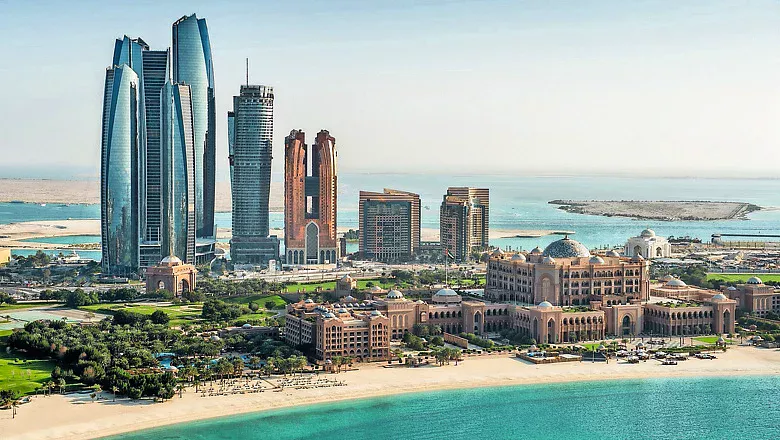
  • Abu Dhabi Launches Dh100 Billion Marsa Al Saadiyat Waterfront Development

    Abu Dhabi Launches Dh100 Billion Marsa Al Saadiyat Waterfront Development

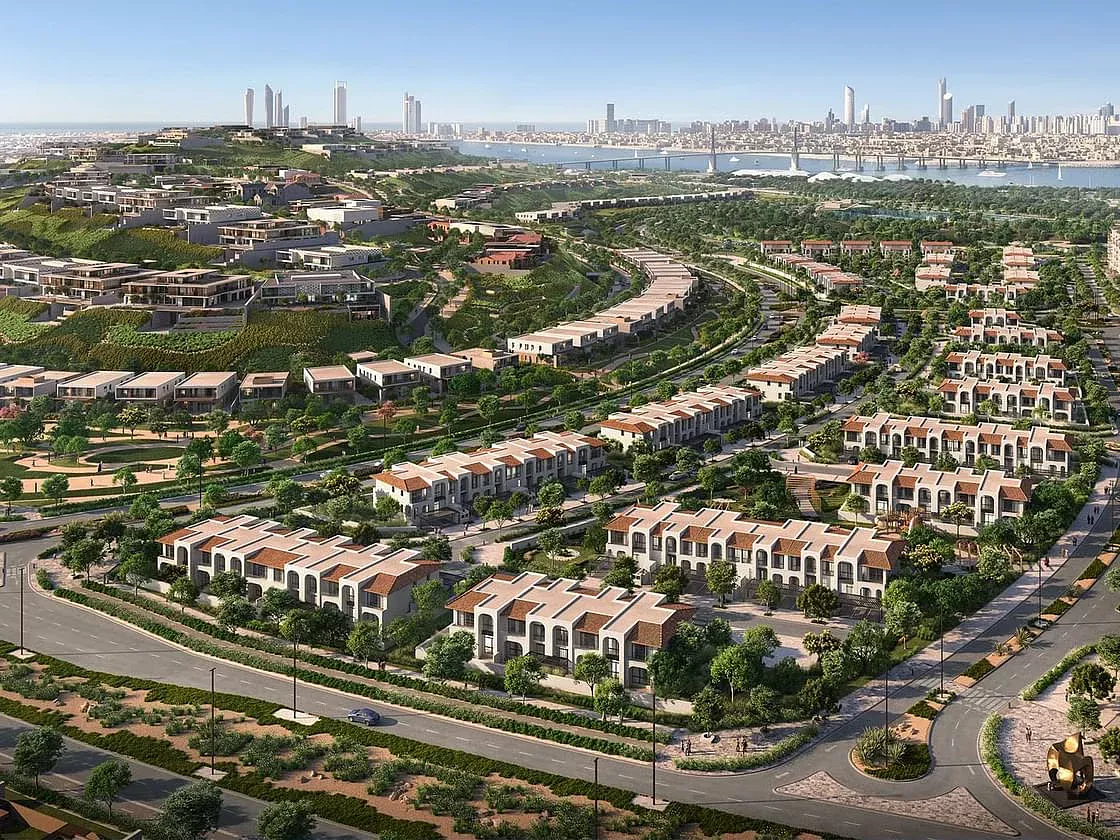
    The waterfront district will extend across eight kilometres of waterfront, including 5.6 kilometres of beaches, and is designed to accommodate more than 58,000 residents through a mix of homes, hotels, schools, cultural facilities, parks and commercial areas.

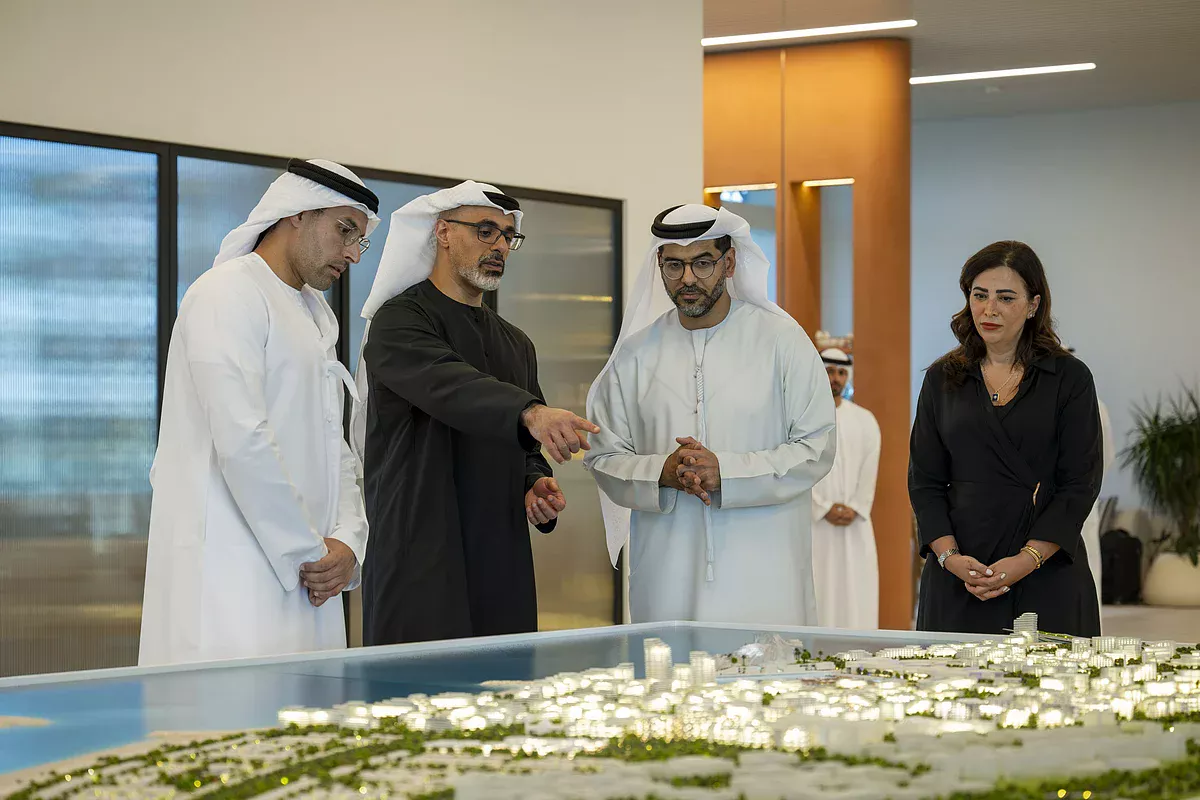
    Sheikh Khaled bin Mohamed bin Zayed Al Nahyan, Crown Prince of Abu Dhabi and Chairman of the Abu Dhabi Executive Council, visited the project site to review its masterplan, infrastructure and community amenities. He directed that the development be renamed from Saadiyat Marina District to Marsa Al Saadiyat, reflecting the UAE’s maritime heritage.

    The development’s centrepiece will be Abu Dhabi’s largest marina, with capacity for up to 350 sailing boats and luxury yachts. Aldar has been appointed as the project’s master developer, responsible for its overall design and primary infrastructure.

    Sales of the first homes will begin in the second half of 2026, with site enabling and infrastructure works scheduled to start in the third quarter.

    “Marsa Al Saadiyat marks the activation of the final phase of the Saadiyat Island masterplan, and with it, the beginning of the most ambitious chapter yet in the island’s evolution,” said Mohamed Khalifa Al Mubarak, Chairman of the Department of Culture and Tourism – Abu Dhabi and Chairman of Aldar.

    The residential mix will include private mansions, luxury villas, waterfront apartments and branded residences. A hillside community of standalone villas rising 22.5 metres will be positioned to make use of the surrounding landscape.

    Community Infrastructure and Amenities

    A landscaped central park will extend towards the waterfront and connect with a network of linear green spaces. The community will feature children’s play areas, clubhouses with outdoor swimming pools, sports courts, healthcare facilities and three schools.

    The masterplan includes approximately 140 kilometres of interconnected walking paths and a 46-kilometre cycling track. Its layout will place everyday services within walking, cycling or short driving distance of homes.

    A one-kilometre promenade will form the development’s main retail and dining district. Marsa Al Saadiyat will also contain a yacht club and two luxury hotels, creating a commercial and leisure centre around the marina.

    Cultural and Performing Arts Hub

    A theatre district will be anchored by Dar al Funoon, a performing arts venue with capacity for more than 6,000 guests. It is planned to host musicals, live productions and international performances throughout the year.

    A scenic walkway will connect Marsa Al Saadiyat directly with the Saadiyat Cultural District, giving residents access to Louvre Abu Dhabi, the Natural History Museum, Zayed National Museum and teamLab Phenomena Abu Dhabi. Guggenheim Abu Dhabi is also planned for the island.

    Saadiyat Island’s wider education network includes NYU Abu Dhabi, Berklee Abu Dhabi, Cranleigh Abu Dhabi, American Community School of Abu Dhabi and Harrow International School Abu Dhabi.

    Transport and Connectivity

    Marsa Al Saadiyat will connect with Umm Yifeenah Island and Reem Island through a new network of roads and tunnels designed to cut travel time between the development and central Abu Dhabi.

    The district will feature an underground station for Etihad Rail’s high-speed passenger service, strengthening links between Abu Dhabi and the other emirates. A new bridge will provide a further connection between Marsa Al Saadiyat and another island being developed off Saadiyat Island’s coast.

    Talal Al Dhiyebi, Group Chief Executive Officer at Aldar, said the masterplan would add scale and character to Saadiyat Island, which has developed into one of Abu Dhabi’s main cultural and lifestyle districts.

    Sheikh Khaled emphasized that the project reflected the UAE leadership’s commitment to developing integrated infrastructure that meets future needs and strengthens the country’s competitiveness as a place to live, supporting the UAE’s development model by bringing together quality of life, economic competitiveness and sustainability.

    The Dh100 billion development adds to Abu Dhabi’s record real estate momentum in 2026, as the emirate continues to expand its waterfront portfolio alongside major projects on Yas Island and other strategic locations across the capital.

  • Abu Dhabi Property Market Records $1.16 Billion Weekly Sales

    Abu Dhabi Property Market Records $1.16 Billion Weekly Sales

    The emirate’s real estate sector maintained strong performance in early March, with a villa in Hidd Al Saadiyat selling for Dh88 million, marking the highest ready property transaction of the week, according to Abu Dhabi Real Estate Centre (Adrec) data released March 10, 2026.

    A duplex at Four Seasons Private Residences on Saadiyat Island fetched Dh68 million, representing the week’s top off-plan sale. Al Reem Island alone recorded 115 transactions valued at Dh189 million, underscoring sustained demand across multiple segments.

    The weekly figures reinforce Abu Dhabi’s growth trajectory following exceptional 2025 performance. Total transaction volumes reached approximately 22,400 deals last year, up 55% year-on-year, while aggregate sales value climbed to Dh73.2 billion.

    “Overall, Abu Dhabi’s residential market enters 2026 from a position of strength, supported by disciplined supply, strong investor confidence, robust demand drivers, and a supportive macroeconomic backdrop,” according to Cavendish Maxwell.

    Apartments dominated 2025 activity, accounting for 66.1% of transactions, while villas and townhouses recorded strong growth driven by families and high-net-worth individuals seeking larger living spaces.

    Residential stock expanded with approximately 7,400 units completed in 2025, bringing total supply to around 315,000 units. While 15,900 units are projected for 2026 completion, actual deliveries are likely to range between 6,500-9,000 units based on recent handover trends.

    Pricing momentum remained robust across both sales and rental markets. Apartment sales prices increased 15.1% year-on-year, while villa prices rose 12.2%. Rental growth showed apartment rates up 12.5% and villa rents climbing 5.5%, with elevated rental levels reinforcing sales demand as tenants increasingly view homeownership as a cost-effective long-term option.

    The market’s resilience mirrors trends across the UAE, where Dubai recorded sustained momentum despite geopolitical headwinds. Abu Dhabi’s strong fundamentals entering 2026 position the emirate for continued growth, with sales prices and rental rates expected to record further increases in the near term, though growth pace will vary across communities as new supply enters the market.

    The market is expected to remain resilient throughout 2026, supported by measured supply delivery that prevents near-term imbalances while maintaining pricing strength across prime communities.

  • Aldar Unveils Exclusive Baccarat Residences in Saadiyat Cultural District

    Aldar Unveils Exclusive Baccarat Residences in Saadiyat Cultural District

    Abu Dhabi’s real estate landscape welcomes a new pinnacle of luxury with the launch of Baccarat Residences Saadiyat, a prestigious development by Aldar that combines architectural excellence, cultural significance, and unparalleled design.

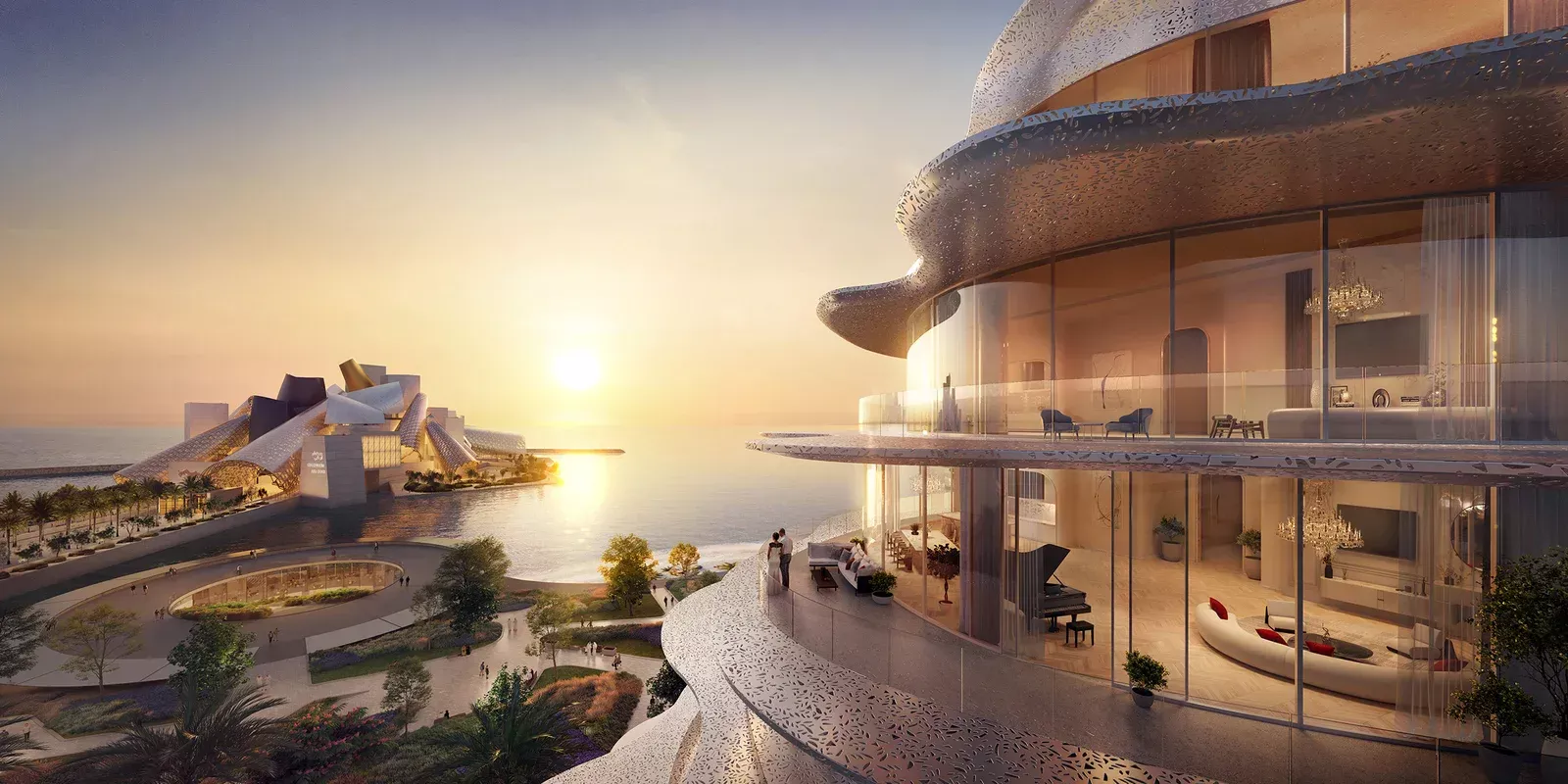
    Situated in the renowned Saadiyat Cultural District, the project comprises 77 exclusive homes, including two- and three-bedroom residences, four-bedroom sky villas, and two signature penthouses. The development marks the UAE residential debut of internationally acclaimed Sou Fujimoto Architects, whose design draws inspiration from the natural rhythm of Saadiyat Island’s shoreline.

    The residences offer panoramic views of iconic cultural landmarks, including the Guggenheim Abu Dhabi, Louvre Abu Dhabi, and the Arabian Sea. Each home integrates Baccarat’s 262-year heritage through subtle crystal detailing and a refined interpretation of the brand’s art de vivre philosophy.

    “Baccarat Residences are designed for those who seek more than a home — they are designed for a life immersed in culture, beauty, and luxury,” said Raul Leal, CEO of Starwood Hotels.

    The development offers exclusive amenities, including a private residents-only spa, wellness centre, state-of-the-art fitness suite, and an outdoor infinity pool. Additional services include 24-hour concierge, valet, and priority access to Baccarat events.

    Located in the final phase of Saadiyat Grove district, residents will enjoy proximity to pristine beaches, Saadiyat Beach Golf Club, and leading educational institutions like NYU Abu Dhabi and Berklee Abu Dhabi.

    This launch reinforces Abu Dhabi’s position as a global destination for luxury lifestyle, offering discerning buyers an opportunity to own a piece of an extraordinary cultural and architectural narrative.