Tag: RAK property market

  • RAK Retail Property Prices Soar Up to 348% in H1 2026

    RAK Retail Property Prices Soar Up to 348% in H1 2026

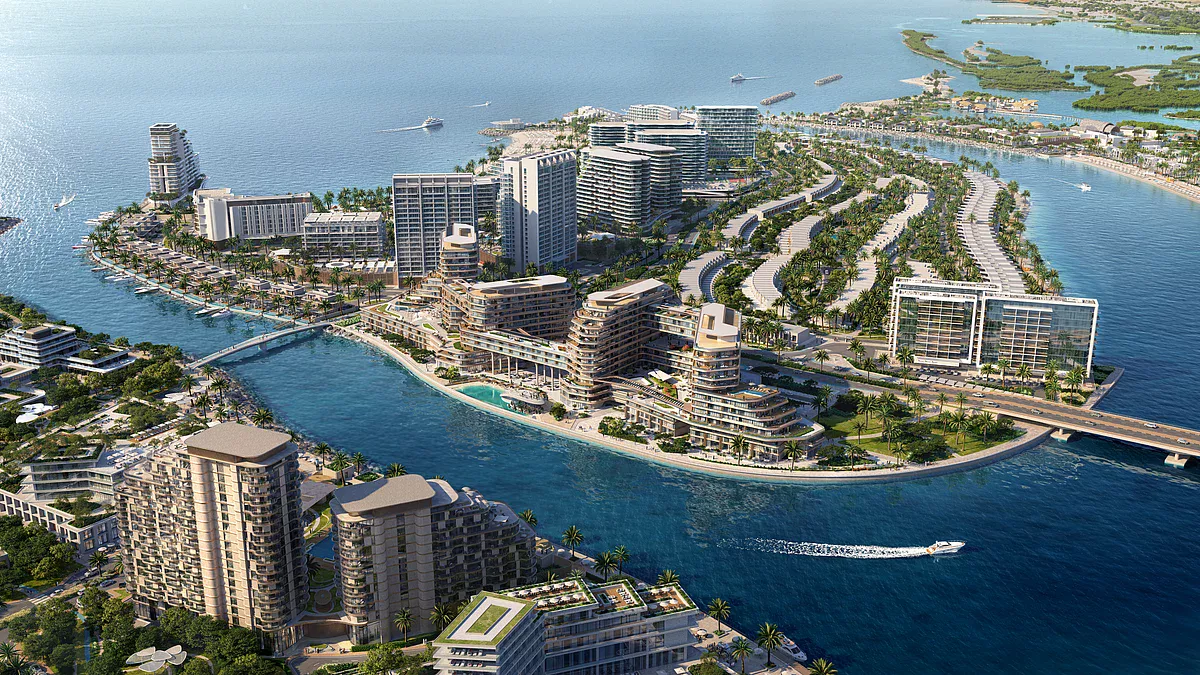
    Average retail property prices in key Ras Al Khaimah locations recorded sharp annual increases during the first half of 2026, led by Al Marjan Island and RAK Central, according to data from Property Finder released on August 5, 2026.

    The average price of retail properties on Al Marjan Island reached Dh19.7 million, up 348 percent from Dh4.4 million in the first half of 2025. RAK Central recorded a 254 percent increase to an average of Dh11.9 million, while retail property prices in Al Hamra Village rose 44 percent to Dh2.4 million.

    The figures point to growing investor interest in Ras Al Khaimah’s commercial property market as the emirate expands its tourism, residential and business infrastructure.

    Retail Rents Rise Across RAK

    Average retail rents in Mina Al Arab increased 109.9 percent year-on-year to Dh187,490, while Al Qusaidat recorded an 83.3 percent rise to Dh58,528. Retail rents on Al Marjan Island grew by a more moderate 5.8 percent to Dh181,564.

    In the office market, average rents in Al Seer more than doubled to Dh61,211, while the Corniche area recorded a 15.6 percent increase to Dh155,058. Julfar office sale prices rose 3.9 percent to an average of Dh613,800, while Al Marjan Island office prices averaged Dh8.6 million.

    Dubai Office Rents Maintain Growth

    Dubai’s commercial property market also recorded strong annual rental growth in several leading business districts. Average office rents in Jumeirah Lakes Towers increased 30.6 percent to Dh475,870 during the first half, while Deira recorded a 23.4 percent rise to Dh64,391.

    Sheikh Zayed Road office rents increased 14.5 percent to Dh578,394, while Business Bay rose 11.4 percent to Dh421,041. The performance aligns with broader trends observed across the emirate’s commercial office sector during Q2 2026.

    Among retail locations, Deira recorded the strongest increase, with average rents rising 61.5 percent to Dh643,855. Jumeirah Village Circle retail rents increased 33.4 percent to Dh511,536, while Arjan rose 19.3 percent to Dh422,612.

    Dubai’s office sales market also recorded increases across several districts. Property Finder’s figures showed average first-half sale prices of about Dh10.6 million in Business Bay, Dh6 million in Jumeirah Lakes Towers and Dh2.45 million in Jumeirah Village Circle.

    The data, however, showed varying performance between the first and second quarters, reflecting differences in property size, quality and the composition of listings in each location.

    Growth Across Abu Dhabi and Sharjah Locations

    In Abu Dhabi, average retail rents in Khalifa City increased 17.1 percent to Dh665,200, while Al Raha Beach recorded an 8.5 percent rise to about Dh317,449. Al Reem Island office rents increased 7.4 percent to Dh570,030, while average retail sale prices at Al Raha Beach rose 11.5 percent to Dh5.2 million.

    Average office sale prices on Al Reem Island increased 28 percent to Dh3.8 million, according to the data. The capital’s commercial sector has shown resilience alongside the residential market, which recorded 17.8 percent annual price growth in Q2 2026.

    Sharjah also recorded strong rental growth in selected commercial locations. Average office rents in Al Majaz rose 64.4 percent to Dh121,627, while Sharjah Industrial Area recorded an increase of 57.3 percent to Dh61,262. Office rents in Al Qasimia increased 41.3 percent to Dh122,765, while retail rents in Muwaileh rose 42.3 percent to Dh88,796.

    The figures also showed declines in some areas, underscoring the varied performance of the commercial property market across different asset types and locations. The expansion of commercial infrastructure across northern emirates reflects the broader diversification of the UAE’s property market beyond Dubai and Abu Dhabi’s traditional dominance.
  • RAK Property Market Records Dh12.4 Billion in 2025 Sales

    RAK Property Market Records Dh12.4 Billion in 2025 Sales

    The emirate’s property sector maintained steady price growth despite a year-on-year decline in total sales volume, driven primarily by fewer new project launches compared to 2024. Off-plan sales fell 17.2%, while ready property transactions dropped 18.7%, according to the property consultant’s annual analysis.

    Rental rates demonstrated consistent upward momentum throughout 2025, with annual apartment leases increasing 10.2% and villa rents rising 8.7% against a backdrop of continued business formation and investment activity across the emirate.

    At year-end, the average cost of an off-plan unit stood at Dh1.98 million, while ready homes averaged Dh1.16 million, reflecting a significant premium for under-construction properties as buyers positioned themselves ahead of future delivery.

    Yousir Habib, associate director at Cavendish Maxwell, noted that despite the moderation in transaction volumes, the emirate’s “underlying fundamentals stayed strong, with prices rising for both sales and rentals, reflecting continued investor and end-user interest in the emirate’s expanding portfolio of waterfront developments, branded residences, lifestyle offerings and competitive pricing.”

    Supply Pipeline Accelerates Through 2028

    The emirate delivered 1,200 new homes in 2025, with another 1,300 units scheduled to enter the market in 2026. Supply is projected to accelerate significantly in the coming years, with 1,900 properties planned for 2027, followed by a sharp increase to 5,200 new units in 2028. In total, 8,400 residential units are scheduled for delivery over the next three years.

    Habib attributed the robust development pipeline to continued enhancements in the emirate’s infrastructure, connectivity, and amenities, which are attracting and retaining residents. “The Wynn Al Marjan Island, scheduled to open in spring 2027, is expected to be key to demand by boosting tourism, creating new jobs and generating additional demand for housing,” he said.

    Construction on the Dh18.7 billion integrated gaming resort resumed after a brief pause during the start of the US-Israel-Iran conflict in early March. The US-based operator confirmed the project remains on schedule to open early next year after topping out in the fourth quarter of 2025.

    Strong Economic Fundamentals Support Market

    Despite the decline in transaction volumes, macroeconomic conditions across Ras Al Khaimah remained strong throughout 2025, with robust GDP performance and continued growth in free zone license issuance supporting the residential sector’s pricing power.

    The emirate’s property market performance reflects a maturing sector where pricing stability and rental growth take precedence over transaction volume as developers focus on quality projects aligned with long-term demand rather than speculative launches.

    With the substantial supply pipeline scheduled through 2028 and the upcoming opening of Wynn Al Marjan Island, Ras Al Khaimah’s residential market is positioned for continued evolution as the emirate strengthens its position as an attractive destination for investors and end-users seeking value relative to neighboring markets.

  • Ras Al Khaimah Reports 25% Rent Surge, 32% Apartment Price Growth

    Ras Al Khaimah Reports 25% Rent Surge, 32% Apartment Price Growth

    The emirate’s residential market experienced unprecedented momentum throughout 2025, with prime apartment sales reaching AED 2,428 per square foot—the highest level in the current cycle. Growth was concentrated across coastal developments including Al Marjan Island, Al Hamra, and Mina Al Arab, while villa prices averaged AED 1,211 per square foot, marking an 11% annual increase.

    The performance comes amid broader economic resilience across the UAE, where non-oil sector growth and strong foreign direct investment have offset softer oil projections. RAK has capitalized on this environment through major industrial and tourism infrastructure, most notably the $5.2 billion Wynn Al Marjan Island development.

    “The residential and hospitality sectors have entered a new phase of growth driven by global brand partnerships and a deepening pool of international buyers,” said Matthew Green, Head of Research at CBRE MENA.

    The emirate’s business environment remained robust, with more than 19,000 new companies registered through RAKEZ alone, supporting steady employment growth and reinforcing sustained real estate demand.

    Rental Market Dynamics

    Apartment rents surged nearly 25% year-on-year, supported by new supply deliveries in key communities. Villa rents remained broadly stable, though prime locations like Mina Al Arab recorded notable increases. CBRE noted that rapid escalation in prime pricing has created a growing divergence between sales and rental values, a trend expected to moderate as new inventory reaches completion in coming years.

    Luxury Segment Expansion

    High-profile project launches including Mondrian Beach Residences and Jacob & Co Residences continue to elevate the emirate’s luxury positioning. Despite a year-on-year reduction in overall sales volume due to mid-market launches in districts like RAK Central, the market witnessed a strong rebound in the fourth quarter, underscoring ongoing demand depth.

    Record Hospitality Performance

    The hospitality sector delivered standout results, with visitor arrivals reaching an all-time high of 1.36 million during 2025. Key metrics showed broad-based improvement: occupancy rose 4.6 percentage points, Average Daily Rate increased 6.6%, and RevPAR surged 11.5% year-on-year.

    RAK’s hotel inventory now exceeds 9,000 keys, with a development pipeline for 2026–2030 planning more than 9,500 additional keys. Notably, 92% of planned inventory falls within the five-star category, as international operators deepen their presence and new entrants diversify the luxury landscape.

    Market Outlook

    As the delivery cycle accelerates from 2027 onwards, RAK is positioned to solidify its standing as one of the UAE’s most dynamic real estate markets. The emirate’s low inflation environment, combined with its strong sovereign rating and record greenfield investment levels, provides a solid foundation for continued growth.

    The performance aligns with broader trends across the region, where GCC real estate markets maintain upward momentum through the first half of 2026, driven by easing monetary conditions and infrastructure investment. The UAE is also set to add 390,000 residential units by 2030, reflecting one of the region’s largest residential expansion cycles.