Tag: investment zones Abu Dhabi

  • Hudayriyat Island Leads Abu Dhabi Property Market with Dh19 Billion in Sales

    Hudayriyat Island Leads Abu Dhabi Property Market with Dh19 Billion in Sales

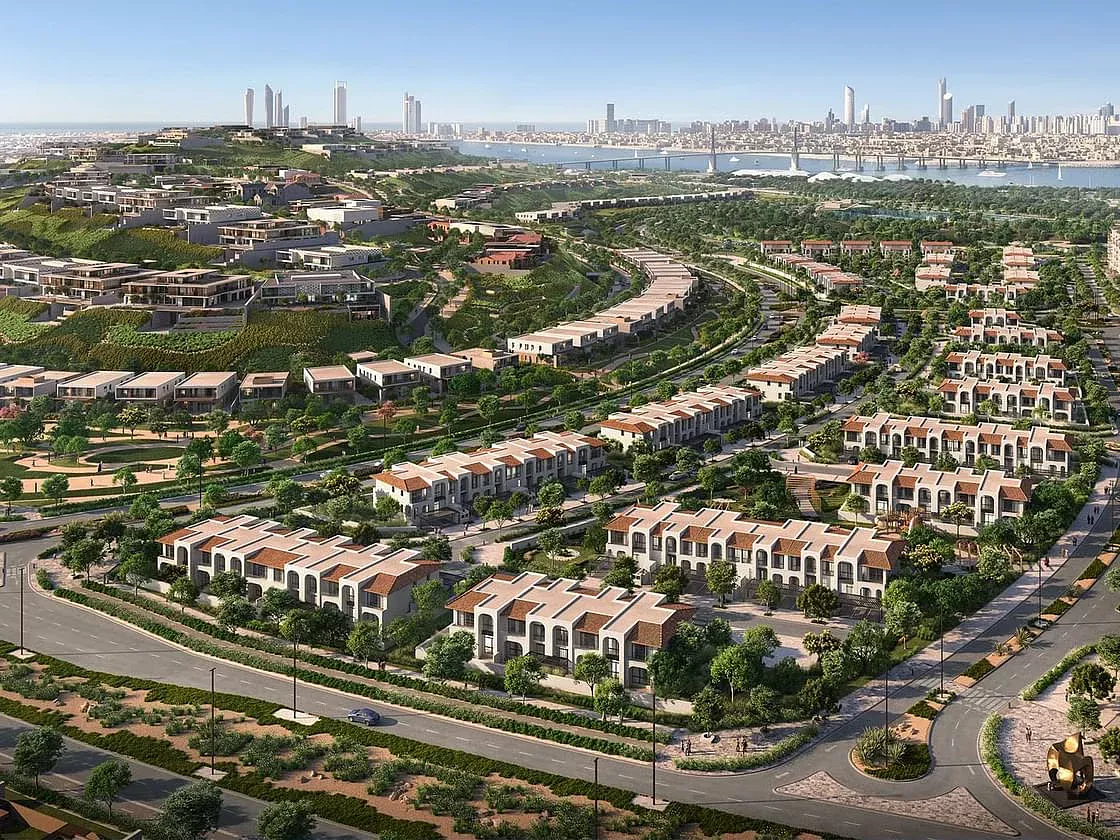
    Abu Dhabi’s property market showed clear geographic concentration during the first six months of 2026, with Hudayriyat Island emerging as the dominant sales destination across the emirate’s residential sector.

    According to the Abu Dhabi Real Estate Market Report for the first half of 2026, released by the Abu Dhabi Real Estate Centre (ADREC) on August 21, Hudayriyat Island’s Dh19 billion in residential sales represented more than one-quarter of all residential transactions by value in the capital.

    The island’s performance marks the second consecutive quarter it has led the market, reflecting sustained buyer interest in developments across this location as Abu Dhabi’s total real estate transactions doubled to AED117 billion during the same period.

    Saadiyat and Island Clusters Follow

    Saadiyat Island ranked second with Dh13.3 billion in residential sales during H1 2026, while Al Reem Island and Al Maryah Island combined recorded Dh10.5 billion. Yas Island contributed Dh7.3 billion to the emirate’s residential sales total.

    Together, these five island and waterfront destinations accounted for the majority of Abu Dhabi’s residential transaction value, underscoring the market’s preference for lifestyle-oriented developments with direct water access and integrated amenities.

    Investment Zones Hold 72,000 Homes

    Investment zones represented more than 22 percent of Abu Dhabi’s total residential stock during the first half of 2026, with approximately 72,000 residential units located within these designated areas.

    Al Reem Island held the largest residential inventory among investment zones, with around 27,500 units, followed by Al Raha, Yas Island and Saadiyat Island.

    The concentration of stock within investment zones reflects Abu Dhabi’s structured approach to residential development, with designated areas offering specific regulatory frameworks designed to attract both domestic and international buyers.

    Market Context

    The first-half performance comes as Abu Dhabi property prices rose 17.8 percent year-on-year in Q2 2026, driven by apartment values that increased 24.1 percent, while off-plan transactions surged 156 percent during the same quarter.

    Hudayriyat Island’s sustained lead in sales value suggests that location-specific demand remains a key driver in Abu Dhabi’s residential market, even as overall transaction volumes and pricing continue to rise across multiple property segments.

    The figures also indicate that Abu Dhabi’s residential market has maintained momentum into 2026, with buyer activity concentrated in established island communities that offer a combination of completed infrastructure, lifestyle amenities and proximity to the capital’s central business districts.
  • Abu Dhabi Records Dh117 Billion in Real Estate Transactions in H1 2026

    Abu Dhabi Records Dh117 Billion in Real Estate Transactions in H1 2026

    The Abu Dhabi Real Estate Centre (ADREC) reported that transaction volumes rose 61.7% during the period, reinforcing the emirate’s position as a global destination for real estate investment and mirroring momentum seen across UAE property markets.

    Sales transactions led activity in the first half, with values climbing 163.7% to Dh86.1 billion across 16,838 transactions compared with the same period in 2025. Mortgage transactions increased 33.5% to Dh26.7 billion through 8,876 deals, while musataha and long-term lease transactions totaled approximately Dh4 billion. Gift transactions reached Dh311.5 million.

    Foreign Investment Hits All-Time High

    Foreign direct investment into Abu Dhabi real estate reached Dh13.8 billion in H1 2026, a 309% surge compared with the same period in 2025. This six-month total exceeded the entire 2025 annual figure, marking the highest level of foreign investment ever recorded in a half-year period.

    The number of nationalities represented by non-resident foreign investors expanded to 116, up from 82 during the same period last year. The United Kingdom, China, Russia, the United States, Germany, and France ranked among the leading sources of capital inflow.

    Investment zones open to foreign ownership attracted Dh75 billion during the first half of 2026, a 181% increase compared with Dh26.7 billion in H1 2025.

    “Investment decisions begin long before any transaction is completed. They start with a clear understanding of the market, its trends and the regulatory frameworks governing it,” said Rashed Al Omaira, Director-General of the Abu Dhabi Real Estate Centre.

    Al Omaira emphasized that the Centre’s focus remains on providing investors with transparency and credibility through a clear regulatory framework and continuously updated market data.

    Expansion of Investment Zones and New Projects

    ADREC approved eight new investment zones during the first half of the year, bringing the total number of such zones in the emirate to 50. The Centre also registered 28 new real estate projects, a 16% increase compared with the same period in 2025, reflecting sustained development activity.

    The number of licensed real estate brokers in Abu Dhabi reached 3,302, with the Centre issuing 2,040 licenses for real estate professions during H1 2026, representing 34% annual growth.

    Since its launch, the Madhmoun platform has issued more than 41,200 permits for real estate advertisements, enhancing transparency and the credibility of property listings across the emirate.

    Market Context

    Abu Dhabi’s performance in the first half of 2026 builds on strong quarterly results and reflects growing investor confidence in the capital’s long-term real estate fundamentals. The emirate continues to diversify its property offerings through new financing solutions and an expanding portfolio of residential, commercial, and mixed-use developments.

    The surge in foreign investment and transaction volumes positions Abu Dhabi as a key beneficiary of the UAE’s projected real estate growth through 2031, as international buyers increasingly view the emirate as a stable, high-growth market within the region.