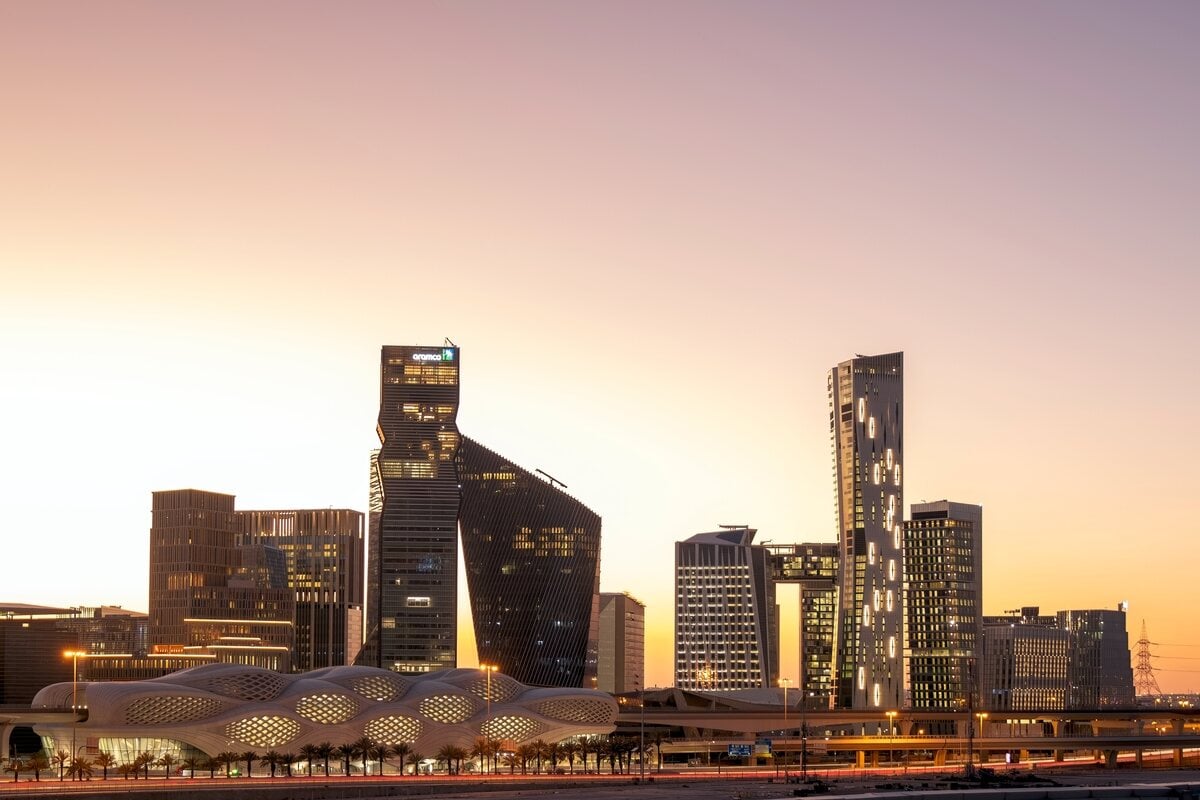
Kuwait-based investment firm Markaz has released its Real Estate Outlook for H1 2026, forecasting sustained growth across GCC property markets despite evolving macroeconomic dynamics. The report identifies higher oil production, non-oil sector expansion, continued government infrastructure spending, and policy rate cuts as key drivers supporting borrowing and investment activity across residential, commercial, and industrial segments.
UAE Market Expected to Peak in First Half
The UAE real estate sector demonstrated exceptional performance through the first three quarters of 2025. In Dubai, transaction values surged 28.3 percent year-on-year to AED554.1 billion, while Abu Dhabi recorded AED58 billion in total sales—a remarkable 75.8 percent annual increase. Transaction volumes in the capital also climbed 42.3 percent to 15,800 deals.
Dubai continues to offer compelling investment returns, with rental yields standing at 7.47 percent as of June 2025, significantly outperforming major global markets including Singapore, New York, and London. This aligns with recent data showing that long-term UAE renters are turning homeowners amid competitive pricing and flexible payment plans.
While acknowledging concerns about market sustainability given three consecutive years of exceptional performance, Markaz emphasized that strong fundamentals reduce the likelihood of a sharp correction. The firm forecasts the UAE market could peak in H1 2026, characterized by steady growth in both prices and rental rates across Dubai and Abu Dhabi.
The outlook reflects broader shifts in buyer behavior across the Gulf, with investors increasingly prioritizing developer credibility, rental yields, and long-term stability over speculative gains.
Saudi Arabia Maintains Accelerating Phase
Saudi Arabia’s real estate sector remained in an accelerating phase through H2 2025, propelled by robust residential activity and constrained office market conditions. Residential transactions increased 17.9 percent quarter-on-quarter in Q3 2025, with Riyadh and Jeddah leading price appreciation.
The Kingdom’s office segment faces extreme supply constraints, with Riyadh vacancy rates near zero, supporting prime rent growth of 7.3 percent year-on-year. Demand stems from the Regional Headquarters Program and expanding healthcare and technology sectors.
Despite a fiscal deficit projected at 3.7 percent of GDP for both 2025 and 2026, increased capital expenditure under Vision 2030 continues supporting construction activity. Saudi Arabia’s population reached 35.3 million by mid-2024, up 4.7 percent annually, with non-Saudis comprising 44.4 percent—a demographic dynamic that underpins sustained housing demand.
Kuwait Shows Stable Growth Trajectory
Kuwait’s real estate sector maintained steady growth through the first nine months of 2025, supported by rising land prices and rental rates. Total real estate sales increased 26.9 percent year-on-year to KWD3.043 billion, with transaction volumes up 27.8 percent to 4,247 deals.
The investment segment led growth with a 60 percent annual increase in sales, while residential and commercial segments rose 8 percent and 17.4 percent respectively.
Kuwait’s real GDP is projected to expand 3.9 percent in 2026, driven by higher oil production, improved non-oil activity, stronger project awards, and anticipated interest rate reductions. Based on a Markaz Real Estate Macro Index score of 3.45 out of 5.0, the firm expects Kuwait’s market to remain stable in H1 2026, with prospects for further increases in land prices and rental rates.
The regional outlook comes as governments continue enhancing investor protection frameworks. Abu Dhabi recently launched mandatory digital registration for off-plan property interests through its Madhmoun platform, with funds secured in government-managed escrow accounts.
Markaz emphasized that real estate will remain a key contributor to the GCC’s economic development in 2026, offering attractive opportunities for investors across all major property segments as the region’s markets continue to mature and evolve.