Tag: Gulf real estate

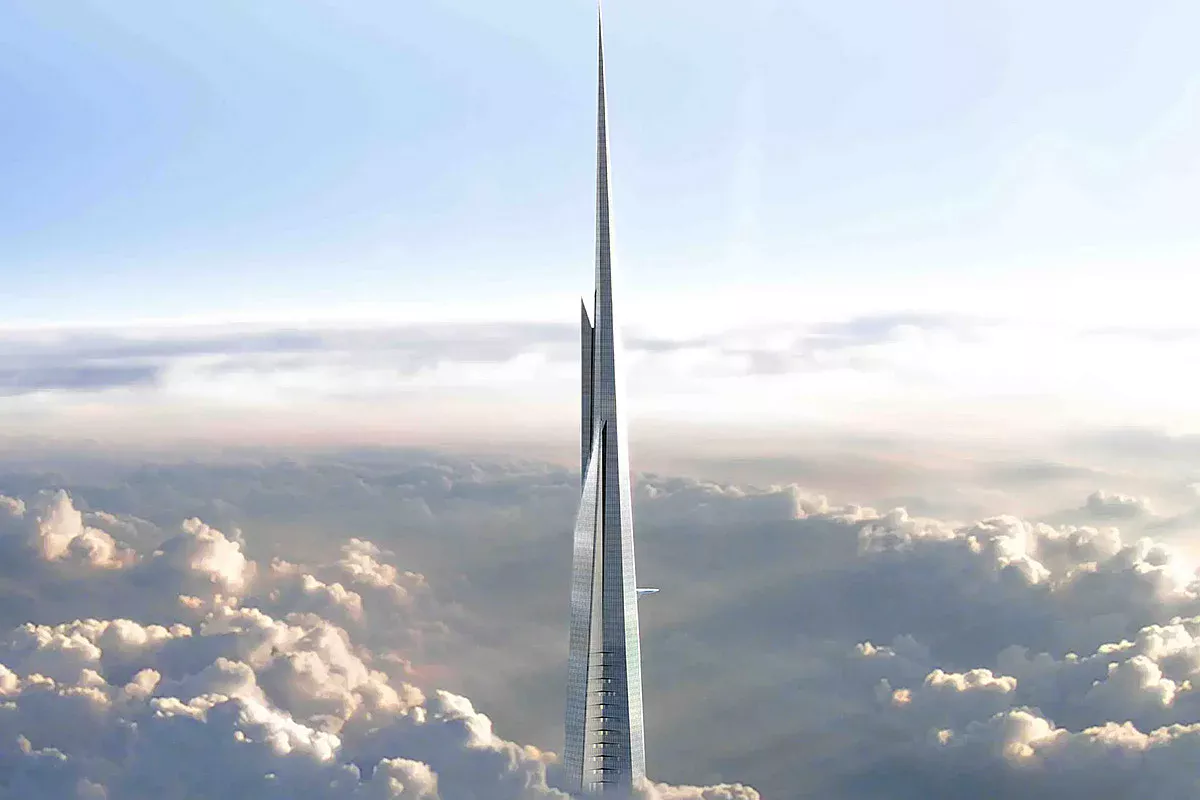
  • Jeddah Tower Reaches 430 Metres in Race to Surpass Burj Khalifa

    Jeddah Tower Reaches 430 Metres in Race to Surpass Burj Khalifa

    The construction milestone was confirmed by Saudi investor Prince Alwaleed bin Talal following a site inspection on July 29, 2026, offering one of the clearest public signals that work on the long-delayed project is gathering momentum.

    “Praise be to God, work is continuing, and we will complete the world’s tallest tower,” Prince Alwaleed said after meeting project teams at the construction site in Jeddah.

    The tower, which began construction in 2013, was suspended in 2018 due to financial and contractor-related challenges. Work resumed in 2025, with crews continuing to add floors to the landmark mixed-use development located within Jeddah Economic City.

    A New Global Icon

    Once completed, Jeddah Tower will exceed 1,000 metres in height, making it the first building in the world to cross the one-kilometre mark. The structure will house residential properties, a luxury hotel, office space, and one of the world’s highest observation decks.

    The tower will serve as the centrepiece of Jeddah Economic City, a 57-million-square-foot development designed to support Saudi Arabia’s ambitions in business and luxury tourism. The project is being developed by Jeddah Economic Company, which is backed by Prince Alwaleed’s Kingdom Holding Company.

    Design and Construction Teams

    Jeddah Economic Company is working with Adrian Smith and Gordon Gill Architecture, the firm behind Burj Khalifa’s design, alongside Thornton Tomasetti for structural engineering, Langan International, RWDI, Dar, and contractor Saudi Binladin Group.

    Current estimates point to completion around 2028, although the final timeline remains dependent on the pace of construction and project execution.

    Regional Context

    The progress on Jeddah Tower comes as the Gulf region continues to see significant activity in supertall construction. Dubai remains home to multiple skyscrapers under development, while Abu Dhabi has launched major waterfront projects as part of broader economic diversification strategies.

    Jeddah Tower’s advancement reflects Saudi Arabia’s push to establish itself as a key destination for international business and tourism, aligning with the kingdom’s Vision 2030 economic transformation agenda.

    With the structure now standing at 430 metres and construction teams accelerating work, the race to claim the title of the world’s tallest building has entered a new phase—one that will see the Gulf skyline reshaped once again.
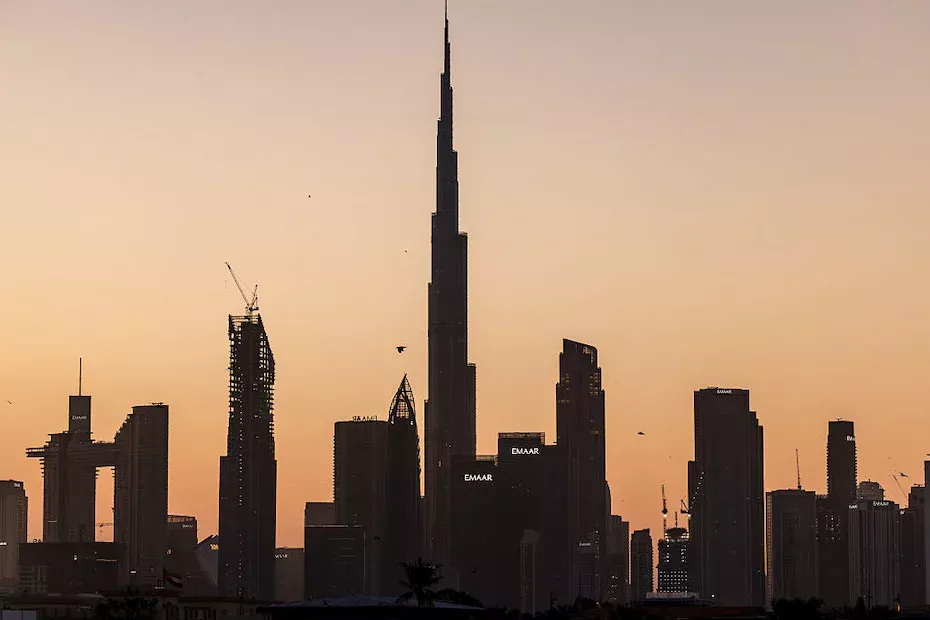
  • Dubai Property Market Rebounds as DFM Real Estate Stocks Extend Losses

    Dubai Property Market Rebounds as DFM Real Estate Stocks Extend Losses

    Two weeks after regional conflict began on February 28, Dubai’s real estate sector is demonstrating a striking divergence between physical market performance and listed equity valuations.

    According to Dubai Land Department (DLD) data analyzed by The Real Estate Reports, total transaction value surged to Dh15.66 billion in the week of March 9–15, representing a 51% increase in value and a 58% jump in transaction counts compared to the previous week.

    However, when excluding land plots to remove volatility from high-value land deals, built property value grew a more modest 13% to Dh8.26 billion, while transaction volume rose 56% to 4,327 deals. The gap between volume growth and value growth suggests buyers are proceeding with caution, resulting in a lower average ticket size per transaction.

    Off-Plan Sales Drive Market Activity

    Off-plan properties continued to dominate, accounting for 63% of built property value in the second week of March, only slightly below the 66% recorded immediately after conflict began. Within this segment, villa sales increased their share to approximately 23% of off-plan value, up from 16% the previous week, indicating buyer preference for tangible residential assets over commercial properties.

    The recovery in mortgage registrations provided further evidence of market functionality, with 1,053 mortgages registered during the week, nearly double the prior period, suggesting that the financing infrastructure supporting Dubai’s property sector remains intact despite regional tensions.

    “While the physical market shows signs of a recovery in activity, the heavy-volume sell-off on the DFM suggests that financial markets may be pricing in a more prolonged period of uncertainty.”

    Equity Markets Tell Different Story

    In stark contrast to the physical market’s resilience, the Dubai Financial Market (DFM) continued its downward trajectory. The DFM General Index (DFMGI) fell 5.7% in the second week of March on turnover of 1.52 billion shares—nearly double the volume of the previous week.

    Real estate stocks bore the brunt of the sell-off, with the DFM Real Estate Index (DFMREI) plunging 13.8% last week as investors demanded higher risk premiums for regional exposure. Trading resumed on March 4 with a temporary 5% limit-down threshold implemented to prevent panic selling.

    The divergence highlights how sentiment-driven equity markets are repricing regional risk while the underlying property economy continues to function. For investors, the data suggests that while short-term caution prevails in financial markets, Dubai’s real estate infrastructure and transactional mechanisms remain operational.

    Ali Shahin, founder of The Real Estate Reports, noted that Dubai real estate is proving it can operate under pressure even as listed property companies absorb the immediate shock of geopolitical uncertainty.

    The physical market’s resilience comes despite an initial 50% drop in weekly transactions immediately following the start of regional conflict, with industry leaders citing structural advantages and a diversified buyer base as key factors supporting continued capital inflows.

    For now, Dubai’s property sector appears capable of maintaining operational momentum despite elevated geopolitical risk, though the heavy selling in listed real estate stocks suggests investors remain cautious about medium-term prospects in the region.