Tag: Golden Visa UAE

  • Abu Dhabi Residential Market Enters 2026 with Strong Fundamentals

    The market is expected to remain resilient throughout 2026, with sales prices and rental rates likely to record further increases in the near term, although the pace of growth will vary across communities as new supply gradually enters the market.

    Record-Breaking 2025 Performance

    In 2025, Abu Dhabi’s residential real estate market delivered a record-breaking performance, with total transaction volumes reaching approximately 22,400 deals—up 55% year-on-year—while total sales value climbed to AED73.2 billion. This performance was driven by robust end-user demand, sustained investor activity, and a wave of new project launches that kept the off-plan segment at the center of market activity.

    Apartments dominated the market, accounting for 66.1% of transactions, while villas and townhouses also recorded strong growth, supported by demand from families and high-net-worth individuals seeking larger living spaces.

    Off-Plan Segment Leads Market Activity

    The off-plan segment continued to lead market activity, accounting for 71% of total transactions, supported by flexible payment plans, competitive developer incentives, and strategic launches across key districts. Meanwhile, ready market activity also remained resilient, supported by population growth, rising rental costs, and a growing shift among tenants toward homeownership.

    On the supply side, residential stock continued to expand steadily, with approximately 7,400 units completed in 2025, bringing total supply to around 315,000 units. While approximately 15,900 units are projected for completion in 2026, recent handover trends suggest actual deliveries are likely to be lower, in the range of 6,500-9,000 units. This measured pace of supply delivery is expected to support pricing momentum and help prevent near-term market imbalances.

    Sustained Price Growth Across All Segments

    Apartment sales prices in Abu Dhabi continued their upward trajectory in 2025, rising 15.1% year-on-year, accelerating from the 10.9% growth recorded in 2024. This strong price performance was driven by a broadening buyer base, as owner-occupiers sought affordable homeownership amid rising rental costs and investors were attracted by strong rental yields and capital appreciation potential.

    Villa sales prices grew 12.2% year-on-year in 2025, slightly accelerating from 11.6% in 2024, driven by a combination of end-user and investor demand. This trend has been shaped largely by the post-pandemic shift in lifestyle priorities, with buyers increasingly seeking larger living spaces, community-focused environments, and access to outdoor areas.

    Rental growth also remained robust, with apartment rents rising 12.5% and villa rents increasing 5.5%. Elevated rental levels have further reinforced sales demand, as tenants increasingly viewed homeownership as a more cost-effective long-term option.

    Structural Demand Drivers Remain in Place

    Looking forward, transaction activity is expected to remain elevated in 2026, with the off-plan segment continuing to lead the market. Several structural factors are expected to support robust housing demand beyond 2026, including population growth, continued talent inflows, business-friendly visa policies, and expanding employment across various sectors.

    Long-term residency initiatives, including the Golden Visa program, are also expected to broaden the buyer base by attracting high-net-worth individuals and professionals seeking stable, long-term ties to the emirate.

    Taking these factors into account, Abu Dhabi’s residential market is expected to enter 2026 from a position of strength. Supply discipline, strong investor confidence, and a supportive macroeconomic backdrop support market resilience and help mitigate external shocks. While potential risks should continue to be monitored, the likelihood of a broad market correction remains relatively low, supporting the outlook for sustainable growth throughout the year.

    The Abu Dhabi market’s performance mirrors broader trends across the UAE, where expatriates now drive 62% of home sales and the UAE real estate sector concluded 2025 with exceptional growth led by Abu Dhabi’s record-breaking performance.
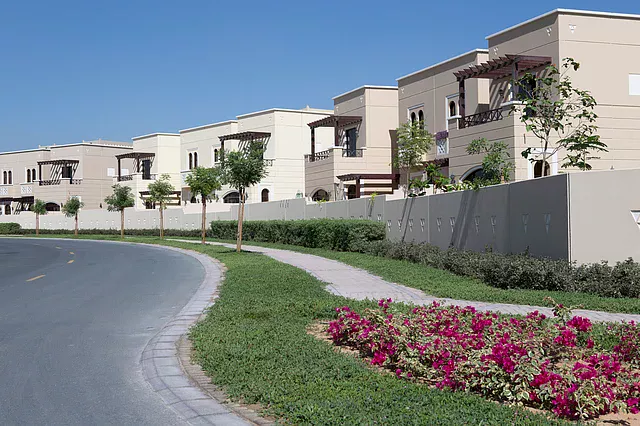
  • UAE Long-Term Renters Turn Homeowners Amid Flexible Payment Plans

    UAE Long-Term Renters Turn Homeowners Amid Flexible Payment Plans

    Competitive pricing compared to global cities, flexible payment plans, and residency incentives such as the Golden Visa are helping nudge more UAE residents towards home ownership, according to real estate experts.

    Blagoje Antic, CEO and Founder of DHG, noted strong interest in emerging, master-planned communities with a clear long-term vision, such as Meydan Horizon and Dubai Islands.

    “Looking ahead to 2026, demand is moving toward communities that balance accessibility with green spaces and a more sustainable way of living,”

    he said.

    The shift comes as buyer intent remains strong. Last month, a survey revealed that seven in 10 UAE residents plan to buy property in the next six months. The findings, based on Property Finder’s bi-annual Market Pulse survey, gathered responses from 5,540 participants and showed that buyers expect only moderate changes in prices.

    That intent is increasingly translating into actual purchases, supported by government-backed initiatives aimed at making home ownership more accessible. Dubai’s First-Time Home Buyer Programme has enabled more than 2,000 residents to purchase their first home in the past six months, generating over Dh3.25 billion in residential property sales, according to figures from the Dubai Land Department.

    Launched in July 2025 by the Dubai Department of Economy and Tourism and DLD, the programme offers first-time buyers priority access to new projects, tailored mortgage solutions and preferential pricing. More than 41,000 residents have registered for the programme so far, with nearly half of completed purchases made by residents who have lived in Dubai for more than five years without previously owning a home, highlighting its role in converting long-term renters into homeowners.

    Industry experts say this renewed confidence is drawing more first-time buyers and long-term residents into the market, with purchasers increasingly focused on build quality, location, developer reputation, and how well a home will hold up over time.

    “End users are more informed and are prioritising good layouts, practical design, amenities, and strong community infrastructure,”

    Antic said. “One- and two-bedroom apartments remain the most in-demand, mainly due to affordability and strong rental demand, with well-planned layouts and quality finishes playing a bigger role in decision-making.”

    Svetlana Vasilieva, Head of Secondary Sales at Metropolitan Premium Properties, said most first-time buyers currently have a budget range between Dh2 million and Dh3 million. She added that while some developers rarely offer incentives, others provide flexible payment plans or upfront discounts to encourage sales.

    “My advice to first timers is to buy with resale and long-term value in mind, not just what fits your budget today,”

    she said.

    Affordability and space remain key considerations.

    “Many first-time buyers are looking for larger apartments or townhouses within family-oriented communities and are willing to live further out to achieve a lower price per square foot,”

    Vasilieva added. In Dubai, buyers are most frequently enquiring about Arabian Ranches 3, The Valley, Dubai South, Nad Al Sheba and Town Square.

    Elie Namaan, CEO and Co-Founder of Ellington Properties, said market momentum is increasingly being driven by end-users buying with intent rather than urgency.

    “We have noticed far more confident and deliberate first-time buyers than even a year ago. These buyers are asking sharper questions and making decisions after more consideration, not just around price but around how a home fits into their daily life,”

    he said.

    Namaan added that livability has become central to the decision-making process, with buyers prioritising thoughtful layouts, natural light, storage, walkability and a sense of community over short-term gains.

    “There’s a growing recognition that a first home is not just a financial milestone, but an everyday environment that needs to support work, wellbeing and long-term comfort,”

    he said.

    The trend aligns with broader market shifts toward value-driven purchases across the region, as buyers prioritize developer credibility and long-term stability. With Dubai recording over 200,000 transactions in 2025 and residential prices rising 12.1%, the emirate continues to attract investors seeking quality and sustainable communities.