Tag: foreign investment

  • Dubai Real Estate to Attract $272 Billion Over Next Five Years

    Dubai Real Estate to Attract $272 Billion Over Next Five Years

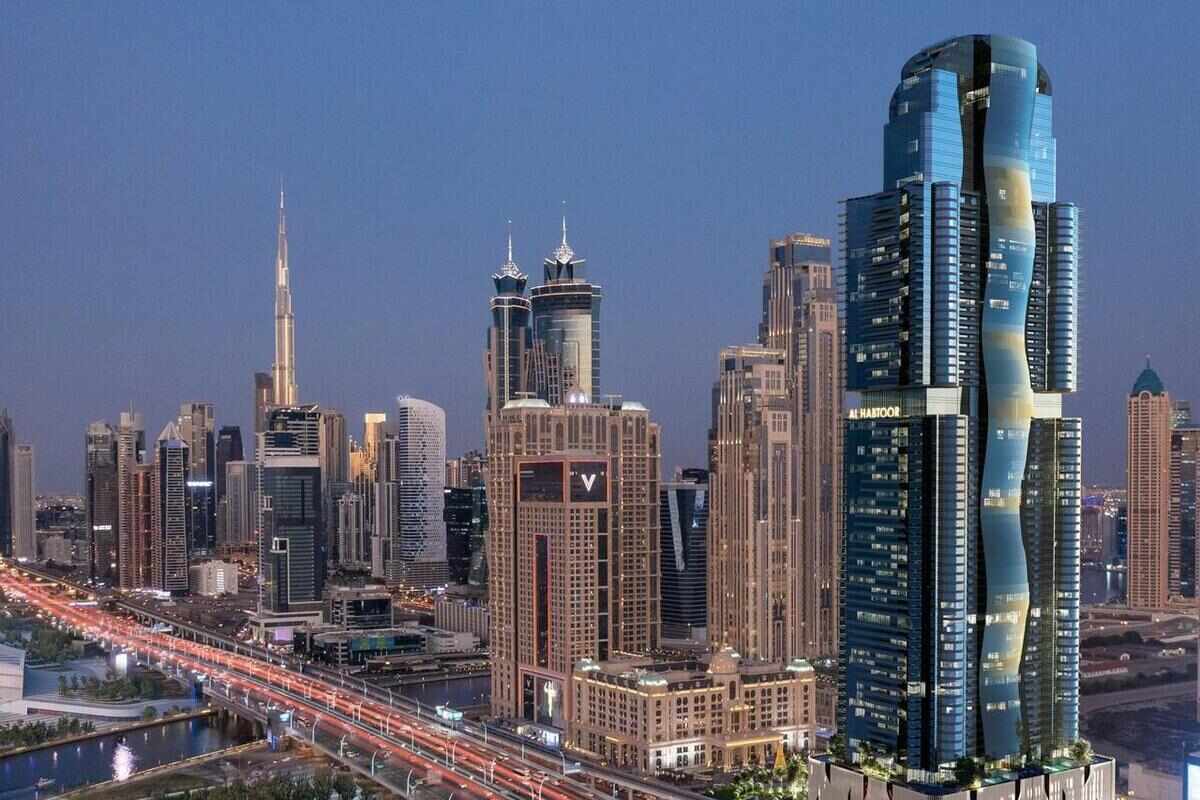
    W Capital Real Estate has projected that the total value of new projects launched or developed in Dubai will surpass AED1 trillion ($272.3 billion) over the next five years, reflecting sustained momentum across the emirate’s property sector.

    The outlook is underpinned by strong population growth, continued inflows of foreign investment, and a steady pipeline of mega-project announcements from leading developers, reinforcing Dubai’s position as one of the world’s most dynamic property investment hubs.

    New Phase of Urban and Investment Expansion

    Walid Al Zarooni, CEO of W Capital Real Estate, affirmed that Emaar’s AED200 billion development announcement clearly indicates that the market is moving toward a new phase of urban and investment expansion, reinforcing expectations of continued mega-project launches in the future.

    Al Zarooni said that the company’s estimates are based on projects announced by major real estate developers, project launch rates over the past years, and development plans linked to Dubai’s economic agenda and the emirate’s D33 population and urban growth targets, which support continued demand for various types of real estate assets.

    He noted that Dubai’s real estate market is witnessing a qualitative shift in the nature of projects offered. It is no longer limited to traditional residential complexes but now includes integrated cities, mixed-use projects, business centers, and community projects that rely on the latest sustainability concepts and smart infrastructure, reflecting the evolving needs of both investors and residents.

    Population Growth and Infrastructure Drive Demand

    The rapid population growth, along with Dubai’s ability to attract global talent, entrepreneurs, and investors, is a key driver of real estate demand across residential, commercial, and hospitality segments. This trend is giving developers greater clarity and confidence to expand and pursue long-term project development.

    Al Zarooni further highlighted that Dubai’s advanced regulatory framework, modern infrastructure, economic stability, and overall resilience have strengthened its status as one of the world’s most attractive real estate destinations, allowing it to continue drawing capital and long-term investment despite broader global economic and geopolitical uncertainty.

    Dubai is well-positioned to maintain its leadership in regional real estate growth, noting that the wave of recently announced mega-projects underscores strong confidence from both developers and investors in the emirate’s long-term outlook.

    He also pointed out that ongoing large-scale infrastructure developments, including enhancements to transport and service networks, are expected to further boost the real estate sector. These initiatives are set to unlock new urban districts and generate a wider range of investment opportunities in the years ahead.

    Al Zarooni concluded that these developments mark the start of a new phase of urban expansion, with expected projects set to exceed AED1 trillion in total value over the next five years.

    The projection comes as Dubai continues to demonstrate market resilience, with neighboring Sharjah recording strong property performance and Abu Dhabi approving major developments across the UAE.
  • Abu Dhabi Expats Drive 62% of Home Sales as Ownership Trend Accelerates

    Abu Dhabi Expats Drive 62% of Home Sales as Ownership Trend Accelerates

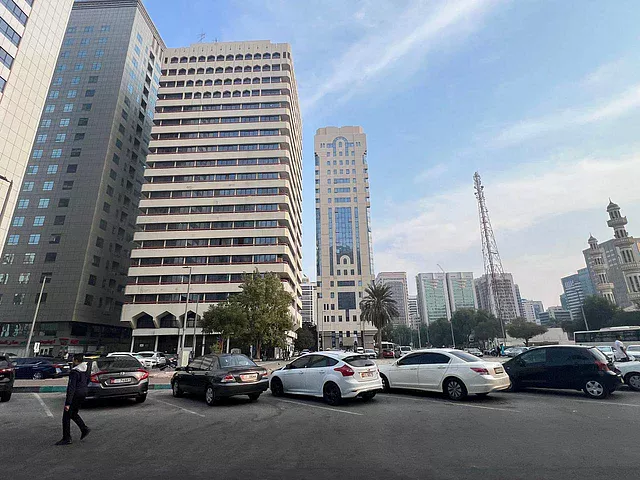
    New data released by the Abu Dhabi Real Estate Centre confirms that resident expatriates and non-resident foreign buyers dominated the capital’s residential market in 2025, collectively representing 62% of all unit sales and reshaping demand patterns across the emirate.

    The report found that nearly 69% of growth in residential unit sales between 2022 and 2025 was driven specifically by resident foreign buyers—expatriates who live and work in Abu Dhabi and are increasingly choosing ownership over long-term renting.

    Overall real estate transaction values reached Dh142 billion in 2025, up 44% year-on-year, with residential sales rising 67% to Dh76 billion. Foreign direct investment into real estate stood at Dh8.2 billion, with buyers from more than 100 nationalities participating.

    Ben Crompton, founding partner at Crompton Real Estate Agents, said the figures reflect a fundamental shift in Abu Dhabi’s buyer base and its growing appeal to international capital.

    “Abu Dhabi’s real estate market has historically had a smaller investor base and opened later to expatriate buyers. But that narrative is now rapidly evolving, with international capital flowing into the market in unprecedented numbers,” Crompton said.

    He noted that the trend raises a broader question about how Abu Dhabi is now being viewed globally. “Is Abu Dhabi becoming a genuine global property investment destination—not just a local one?”

    For years, the emirate was seen as a more conservative and measured market, with expatriate ownership initially limited to designated investment zones from the mid-2000s. That perception has changed visibly in recent years.

    “International attention is no longer just regional,” Crompton said. “Buyers from established investor markets such as the UK, China, India, Russia and across Europe are now actively looking at Abu Dhabi.”

    Cultural and Lifestyle Appeal

    One of the strongest drivers behind the shift has been the emirate’s expanding cultural, entertainment and lifestyle offering. Projects such as Louvre Abu Dhabi, teamLab Phenomena Abu Dhabi and the upcoming Guggenheim Abu Dhabi have helped reposition the city internationally, while major leisure and entertainment developments have broadened its appeal beyond the Gulf.

    “These projects generate brand recognition far beyond the region,” Crompton said. “They make Abu Dhabi more recognisable as a place to live, visit and invest, and collectively signal that the city has developed strong global cultural and lifestyle pull.”

    Regulatory Reforms Build Confidence

    Legal and regulatory reforms have also played a key role in building confidence among foreign buyers, Crompton added.

    “Property investment carries risks if it’s not properly regulated,” he said. “Abu Dhabi has addressed this by imposing stricter requirements on developers, brokers and valuers, and enforcing escrow protections tied to construction milestones.”

    He highlighted the expansion of the Abu Dhabi Global Market to cover prime areas such as Reem and Maryah Islands as a particularly important step. Operating under English common law with its own courts, ADGM offers a legal framework that many international buyers already understand and trust.

    Developer Outreach Widens Buyer Pool

    Developer outreach has further widened the buyer pool. Crompton noted that early phases of some residential communities were once dominated by buyers from within the UAE, while more recent launches have attracted a far more international audience.

    “Launch statistics from flagship projects like Fahid Island show that roughly two-thirds of buyers came from overseas,” he said, describing it as “a dramatic shift.” He added that developers such as Aldar Properties have expanded international roadshows and broker networks across Asia, Europe and North America, significantly increasing global awareness of Abu Dhabi’s market.

    The change in buyer behaviour is already being felt on the ground. Crompton said resident expatriates are increasingly viewing ownership as a long-term lifestyle and financial decision, while non-resident investors are being drawn to Abu Dhabi’s narrative of stability, culture and quality of life.

    “Not long ago, selling a unit could be a challenge, with buyers highly price-sensitive and cautious. Today, capital appears to be moving more freely, and investors from around the world are participating with confidence,” Crompton said.

    “So, are buyers increasing from outside the emirate? The data says unequivocally yes—and at a pace that is reshaping the market’s identity and potential.”