Tag: Dubai luxury real estate

  • Dubai Waterfront Property Values Surge 140% in Five Years

    Dubai Waterfront Property Values Surge 140% in Five Years

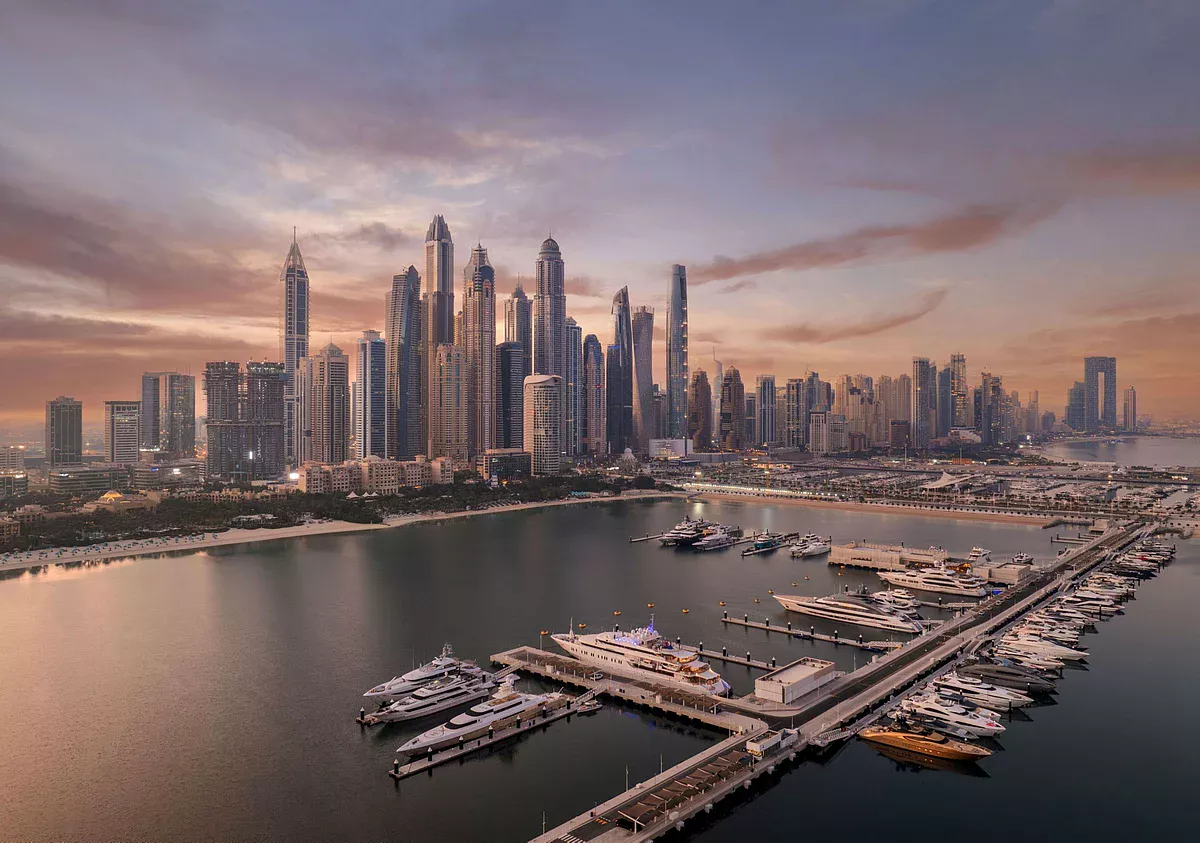
    Waterfront homes in Dubai commanded a 90 percent premium over inland properties in 2021, a figure that rose to 128 percent by the first quarter of 2026 as buyers competed for a finite supply of coastal homes, according to The Future of Seafront Being report produced by White Paper Media Consulting for Shamal Holding.

    The premium is being driven by a classic supply-demand imbalance. As developable seafront land becomes increasingly scarce, the number of premium waterfront homes under construction is expected to decline sharply from 4,261 units in 2026 to just 848 by 2031, according to the study. Demand, meanwhile, continues to strengthen on the back of population growth, inflows of high-net-worth individuals and Dubai’s growing reputation as a global hub for wealth and investment.

    The strength of the market was evident in 2025 when a record 68 homes valued at more than $25 million changed hands in Dubai. Total transaction value in the luxury residential segment reached $9.05 billion, up 27.7 percent from 2024. Four of the city’s five best-performing neighbourhoods during the fourth quarter of 2025 were waterfront communities, accounting for 79 transactions, while 55.6 percent of all Dubai homes sold above $10 million during the period were located in seafront communities.

    A YouGov survey found that 82 percent of UAE residents are considering moving to a seafront or marina-front home within the next two to three years, while 93 percent said they would pay a premium for waterfront living. Nearly all respondents — 99 percent — believe proximity to water enhances a property’s long-term value.

    “We believe that Seafront Being is the evolution of seafront living, from simply residing by the water to experiencing the waterfront as an integrated part of daily life, work, leisure, wellbeing and belonging. At Shamal, we see this as a responsibility of design, not a benefit of position,” said Abdulla Binhabtoor, Chief Executive Officer of Shamal Holding.

    Among those surveyed, 96 percent said proximity to water influences their daily decisions, from how they exercise to where they spend their leisure time, while 88 percent believe living near the sea improves both mental and physical wellbeing.

    Shehzad Jamal, Partner for Strategy and Consultancy at Knight Frank Mena, noted that demand for coastline property has surged as buyers increasingly seek complete lifestyle ecosystems rather than standalone residences.

    “UHNW buyers are no longer just buying a home by the water, they are buying into a lifestyle. The next phase of growth will be defined less by volume and more by quality, differentiation, and experience,” Jamal said.

    Dubai’s prime waterfront market continues to command significant premiums, with prime seafront properties attracting an average premium of around 68 percent. Buyers are increasingly prioritising privacy, direct beach access, wellness offerings and low-density developments over sheer scale.

    The wellness dimension is becoming an equally important driver of the sector’s growth. The YouGov study found that 91 percent of UAE residents feel noticeably more relaxed near water, while one-third described the emotional impact as profound. Sunset walks, marina visits and seaside dining ranked among the most valued experiences associated with coastal living.

    The study found that 48 percent of respondents now regard proximity to the seafront as the most important marker of modern luxury, ahead of prestige and design trends. As Dubai continues to expand its beaches, marinas, parks and public waterfronts, access to the sea is increasingly being viewed not merely as a premium amenity, but as a cornerstone of quality of life and long-term value.

    The convergence of scarcity, wellness and community is reshaping how luxury is defined in the UAE, positioning waterfront property as one of Dubai’s most enduring assets for investors and residents alike.

  • Dubai Residential Prices Rise 12.1% as Market Records 200,000 Transactions

    Dubai’s property sector concluded 2025 with landmark performance metrics, recording over 200,000 sales transactions—an 18.8% increase over 2024—as both off-plan and ready property segments outperformed previous years, according to a report by Cavendish Maxwell.

    Residential prices rose 12.1% during the year, down from 16.5% growth in 2024, while rental increases moderated to 11-12% by year-end compared to 13-15% earlier in the year, signaling a gradual market stabilization.

    Off-Plan Dominance Intensifies Market Concentration

    Off-plan transactions represented 72.9% of total real estate activity in Dubai, up from 69.3% in 2024, with transaction volumes reaching 146,400 units—a 25% year-on-year increase. This surge was driven by sustained developer confidence and robust investor appetite for future developments.

    Ready property sales recorded more modest but steady growth, reaching 54,400 transactions, up 5% compared to 2024, supported by stable demand from end-users and investors seeking immediate occupancy opportunities.

    The market’s increasing reliance on off-plan sales, however, creates concentration risks, making it potentially vulnerable to shifts in launch momentum and buyer sentiment.

    Supply Dynamics Show Persistent Delivery Gaps

    Approximately 40,400 residential units were completed in 2025, significantly below the initial projection of 82,600 units, resulting in a materialization rate of just 48.9%. Despite falling short of targets, actual completions were 16.4% higher than the 34,700 units delivered in 2024.

    Looking ahead, around 110,500 residential units are projected for delivery in 2026, though historical completion patterns suggest actual deliveries may range between 33,000 and 50,000 units, with some projects likely spilling into 2027.

    Apartments are expected to dominate upcoming completions, representing 84.3% of projected units through 2028. Key locations including Jumeirah Village Circle, Dubai South, Business Bay, Dubai Residence Complex and DAMAC Lagoons are forecast to contribute 30.7% of all projected deliveries during this period.

    Luxury Segment Surges 47% in Transaction Volumes

    Dubai’s luxury real estate segment recorded approximately 2,500 transactions in 2025, marking a 47.1% increase compared to the previous year. Off-plan sales led growth with a 52.6% year-on-year increase, accounting for 70.5% of all luxury transactions.

    The ultra-luxury segment exhibited robust performance with 302 transactions totaling Dh27.9 billion, representing increases of 31.9% in volume and 53.7% in value compared to 2024, highlighting growing preference among high-net-worth individuals for Dubai as both a residential and investment destination.

    Economic Fundamentals Remain Supportive

    Despite emerging supply pressures, broader macroeconomic fundamentals continue supporting the market. UAE GDP growth is projected at 5.2% in 2026, with Dubai expected to expand by 4.5%, supported by ongoing infrastructure investment, population growth, and sustained tourism momentum.

    Tourism is projected to maintain momentum with visitor volumes expected to surpass prior-year levels, while business activity indicators remain positive, providing continued support across housing, retail and commercial sectors.

    Market Enters Transition Phase

    Looking ahead, Dubai’s real estate market is expected to remain relatively stable in 2026, though entering a critical transition phase where supply pressures, moderating growth trajectories and potential external headwinds require heightened vigilance.

    While a sharp correction appears unlikely given Dubai’s solid macroeconomic foundation, diversified economy and sustained population growth, stakeholders should prepare for a more balanced environment characterized by moderate appreciation and heightened selectivity.

    The market’s performance contrasts with record results posted by developers in 2025, suggesting continued confidence in long-term fundamentals despite near-term moderation signals.