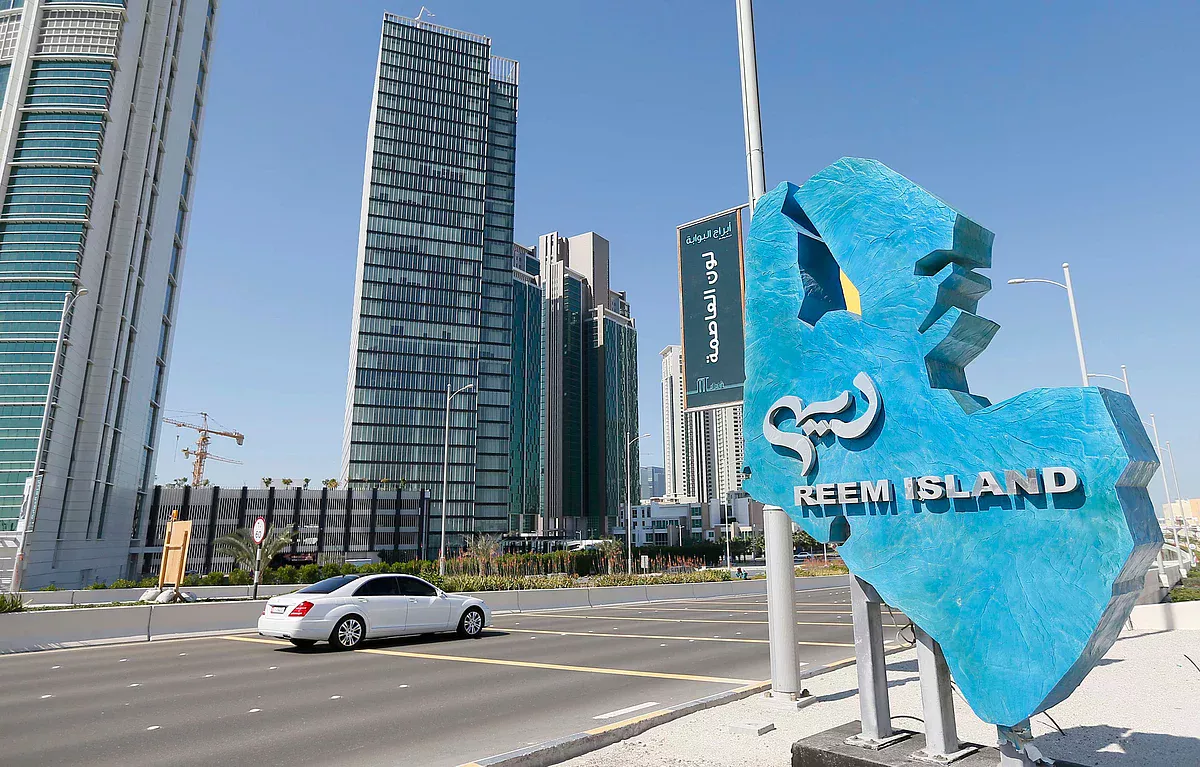
Abu Dhabi’s prime waterfront communities maintained strong momentum through mid-2026, with average apartment prices on Yas Island and Al Reem Island rising around 18 percent compared to the same period a year earlier, property consultancy Knight Frank reported on July 22, 2026.
Al Saadiyat Island retained its position as the emirate’s most expensive apartment market, with average transaction prices reaching Dh43,100 per square metre, marking a 21 percent year-on-year increase. The continued price appreciation reflects sustained demand for waterfront living and lifestyle-oriented developments across the capital.
In the villa segment, Al Jubail Island recorded the strongest annual price growth of approximately 40 percent, while Al Saadiyat Island remained Abu Dhabi’s most expensive villa location with average transaction values of Dh26,500 per square metre.
Faisal Durrani, Partner and Head of Research, MENA at Knight Frank, said:
Despite the geopolitical challenges posed by the ongoing regional conflict, Abu Dhabi’s residential market continues to be supported by robust domestic demand, with prime waterfront communities such as Al Saadiyat and Yas Island leading the emirate’s price growth.
Knight Frank estimates that around 36,900 homes are under construction between 2026 and 2030, with apartments accounting for two-thirds of the pipeline. Approximately 70 percent of new apartment supply is expected to be delivered in 2026 and 2027, although construction cost pressures and higher shipping insurance costs could lead to delays.
Yas Island accounts for the largest share of upcoming residential supply with around 7,700 units under construction, followed by Fahid Island with 3,550 units and Saadiyat Island with 3,250 units.
Shehzad Jamal, Partner, Real Estate Consultancy, MENA, noted:
With close to 37,000 homes in the pipeline through to 2030, supply is beginning to catch up with several years of sustained demand. Even so, the concentration of new stock in a handful of master-planned communities means well-located, ready properties in areas like Al Saadiyat and Yas Island are likely to retain their premium.
While the residential market remained resilient, the office sector showed early signs of cooling. Office leasing transactions totalled approximately 23,616 in the first half of 2026, down 13 percent from the same period a year earlier, marking the first annual contraction in the current market cycle.
The decline was recorded across most districts, although Al Reem Island stood out with leasing activity surging by more than 148 percent. Knight Frank expects about 428,000 square metres of new office space to be delivered between 2026 and 2028, with most of the supply entering the market over the next two years.
James Hodgets, Partner, Occupier Strategy and Solutions, MEA, said:
The outlook for Abu Dhabi’s office market is firmly positive. Occupancy stands at around 98 percent with rental rates up year-on-year, and with only around 166,000 square metres of new supply due in 2026, Grade A space will remain scarce.
The consultancy warned that additional office supply, combined with softer leasing demand, could put upward pressure on vacancy rates as the market absorbs new stock through 2028.
Abu Dhabi’s residential market performance contrasts with Dubai’s stabilization trend, where monthly price declines eased significantly in the second quarter of 2026. The capital’s waterfront premium aligns with broader regional interest in coastal developments, as evidenced by the recent launch of the Dh100 billion Marsa Al Saadiyat waterfront project, which marks the final phase of Saadiyat Island’s masterplan.