Tag: Al Reem Island

  • Hudayriyat Island Leads Abu Dhabi Property Market with Dh19 Billion in Sales

    Hudayriyat Island Leads Abu Dhabi Property Market with Dh19 Billion in Sales

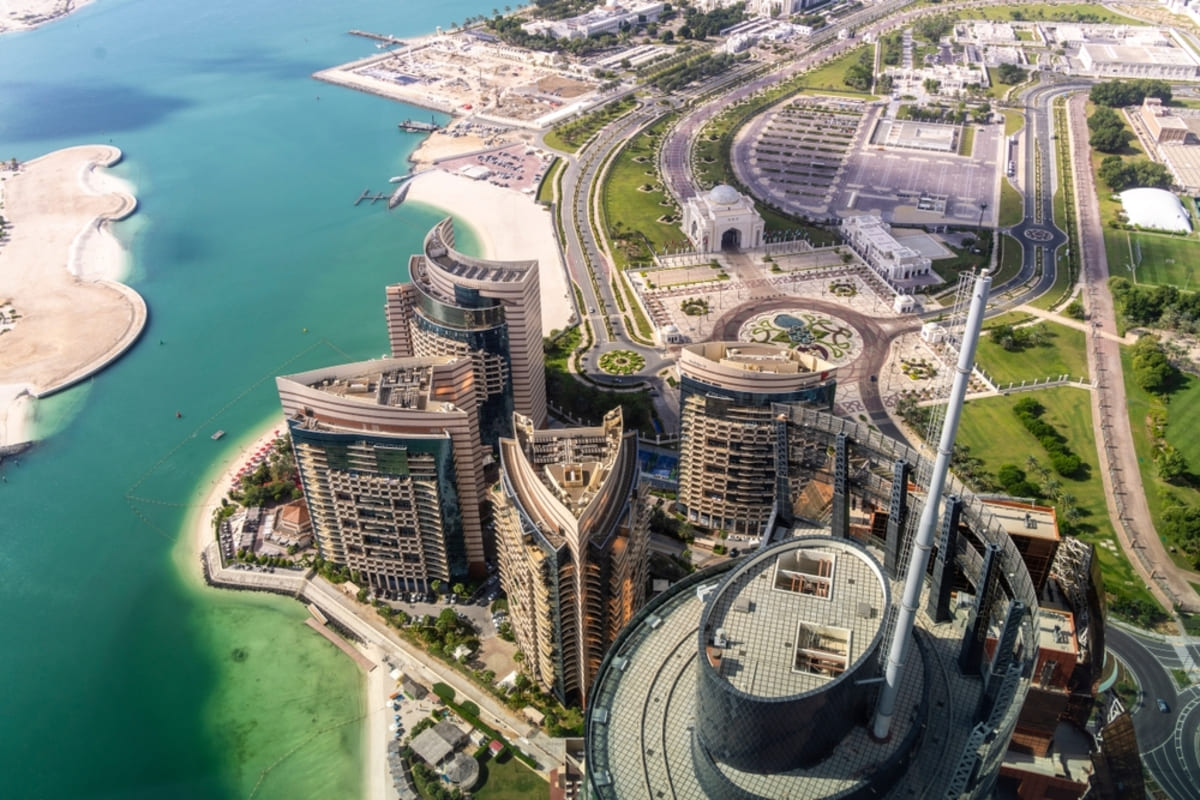
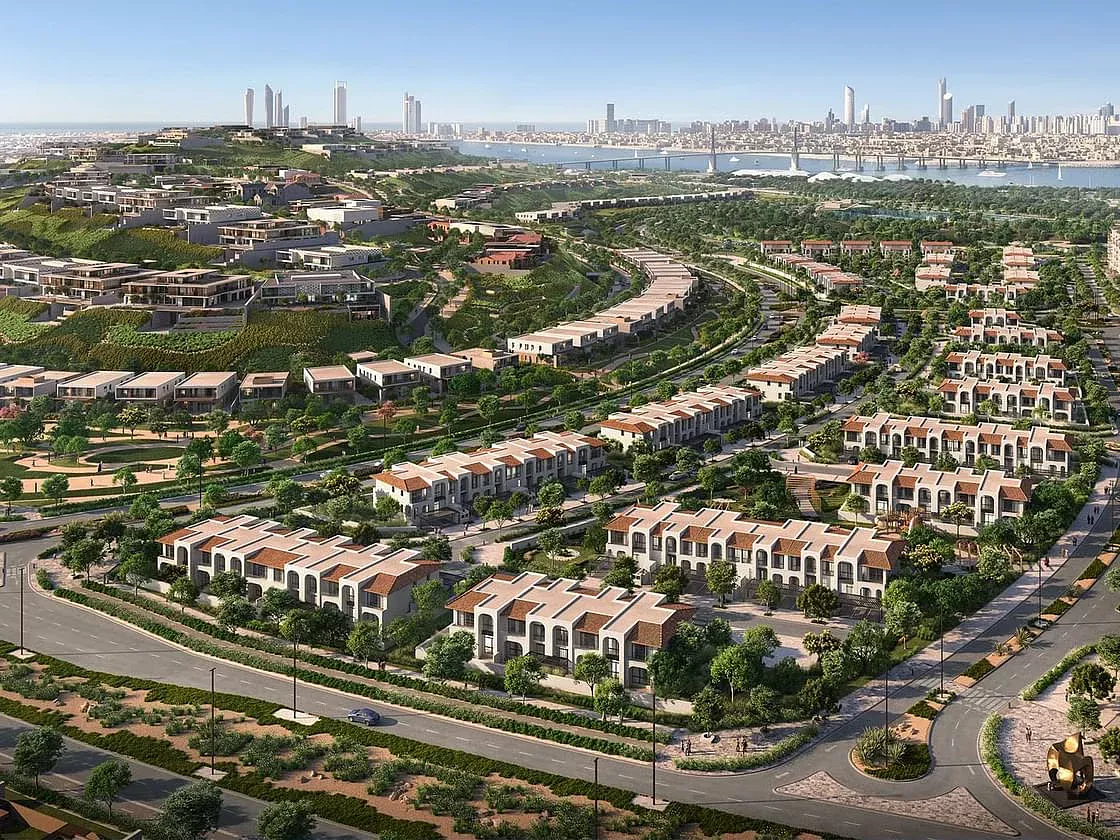
    Abu Dhabi’s property market showed clear geographic concentration during the first six months of 2026, with Hudayriyat Island emerging as the dominant sales destination across the emirate’s residential sector.

    According to the Abu Dhabi Real Estate Market Report for the first half of 2026, released by the Abu Dhabi Real Estate Centre (ADREC) on August 21, Hudayriyat Island’s Dh19 billion in residential sales represented more than one-quarter of all residential transactions by value in the capital.

    The island’s performance marks the second consecutive quarter it has led the market, reflecting sustained buyer interest in developments across this location as Abu Dhabi’s total real estate transactions doubled to AED117 billion during the same period.

    Saadiyat and Island Clusters Follow

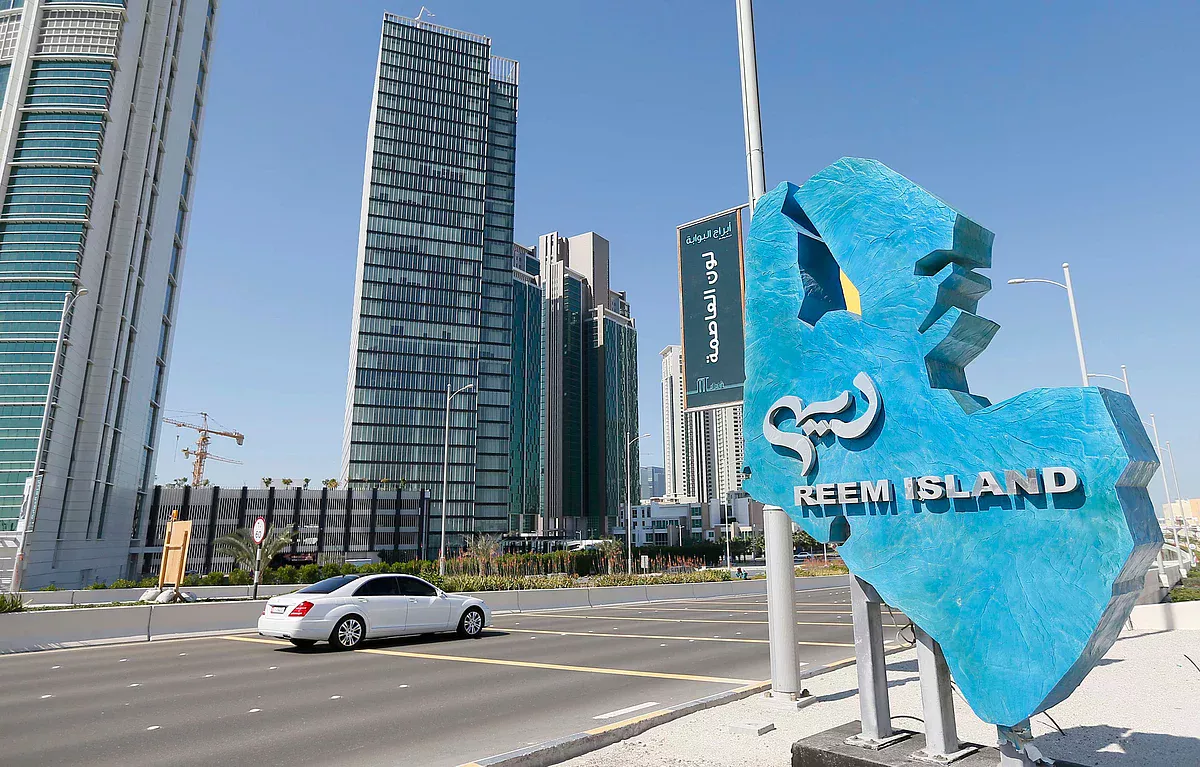
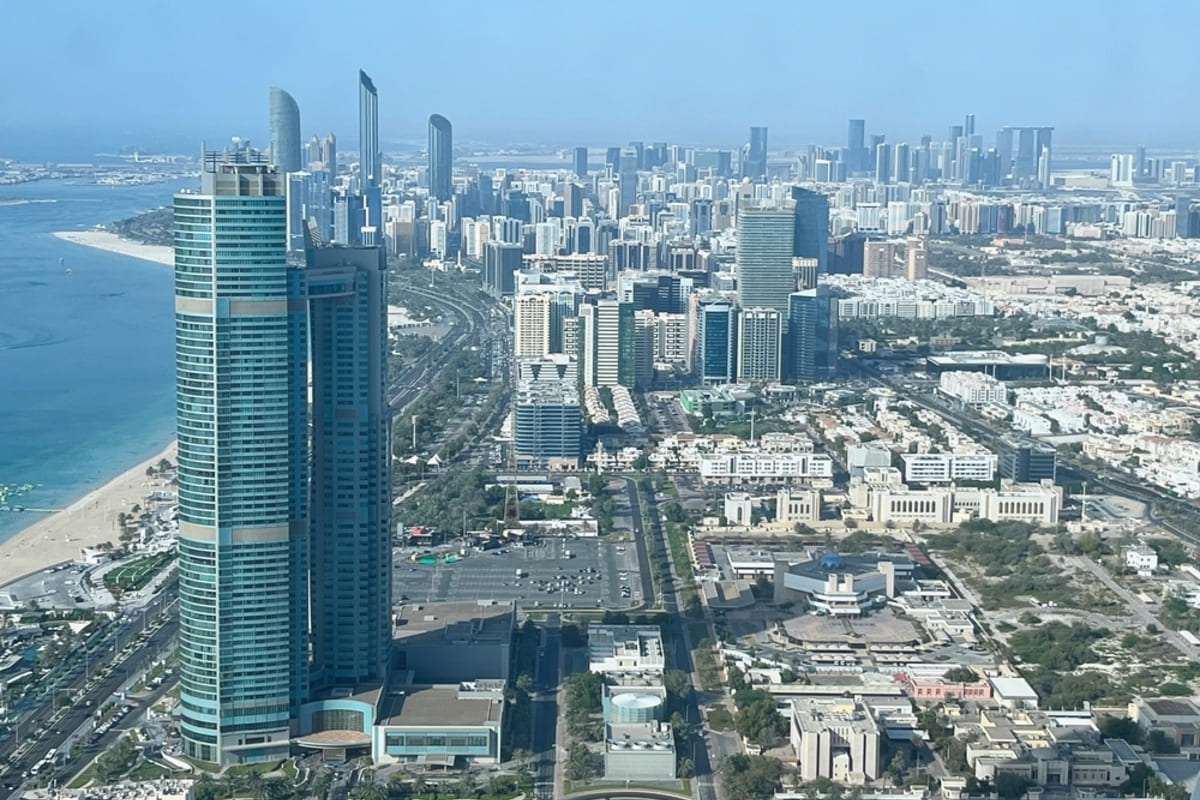
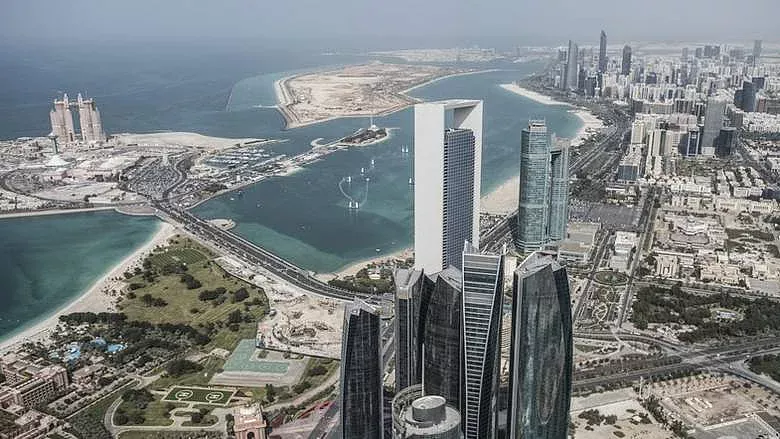
    Saadiyat Island ranked second with Dh13.3 billion in residential sales during H1 2026, while Al Reem Island and Al Maryah Island combined recorded Dh10.5 billion. Yas Island contributed Dh7.3 billion to the emirate’s residential sales total.

    Together, these five island and waterfront destinations accounted for the majority of Abu Dhabi’s residential transaction value, underscoring the market’s preference for lifestyle-oriented developments with direct water access and integrated amenities.

    Investment Zones Hold 72,000 Homes

    Investment zones represented more than 22 percent of Abu Dhabi’s total residential stock during the first half of 2026, with approximately 72,000 residential units located within these designated areas.

    Al Reem Island held the largest residential inventory among investment zones, with around 27,500 units, followed by Al Raha, Yas Island and Saadiyat Island.

    The concentration of stock within investment zones reflects Abu Dhabi’s structured approach to residential development, with designated areas offering specific regulatory frameworks designed to attract both domestic and international buyers.

    Market Context

    The first-half performance comes as Abu Dhabi property prices rose 17.8 percent year-on-year in Q2 2026, driven by apartment values that increased 24.1 percent, while off-plan transactions surged 156 percent during the same quarter.

    Hudayriyat Island’s sustained lead in sales value suggests that location-specific demand remains a key driver in Abu Dhabi’s residential market, even as overall transaction volumes and pricing continue to rise across multiple property segments.

    The figures also indicate that Abu Dhabi’s residential market has maintained momentum into 2026, with buyer activity concentrated in established island communities that offer a combination of completed infrastructure, lifestyle amenities and proximity to the capital’s central business districts.
  • Abu Dhabi Property Prices Rise 17.8% in Q2 2026

    Abu Dhabi Property Prices Rise 17.8% in Q2 2026

    The ValuStrat Price Index (VPI) for Abu Dhabi’s freehold residential market reached 151.1 points in Q2 2026, marking a 2.1 percent quarter-on-quarter increase and 17.8 percent annual growth, according to data released by ValuStrat on August 4, 2026.

    The slower quarterly pace signals a gradual moderation following an extended period of rapid appreciation, positioning the capital at an earlier stage in its property cycle compared to Dubai, with relatively more affordable price points continuing to support end-user demand.

    Apartments outpace villas with 24.1% annual growth

    Apartments delivered the strongest performance across Abu Dhabi’s residential market, with the apartment VPI rising 2.9 percent quarterly and 24.1 percent annually. Villa values increased 1.3 percent quarter-on-quarter and 12 percent year-on-year, reflecting strong domestic demand for strategically located communities offering ready homes at accessible price points.

    Al Reef led capital appreciation in the apartment segment with a 41.6 percent annual increase, followed by Al Muneera Island at 24.7 percent, Al Reem Island at 22 percent, and Al Bandar at 21.8 percent. Saadiyat Island posted an 18.3 percent annual gain.

    In the villa segment, Al Reef again topped performance with 27.9 percent annual growth, followed by Saadiyat Island at 12 percent and Al Raha at 4.6 percent.

    “Despite ongoing geopolitical uncertainty across the region, Abu Dhabi’s residential market has remained resilient, with no material evidence of weakening demand,” said Haider Tuaima, Managing Director & Head of Real Estate Research at ValuStrat.

    “While Abu Dhabi and Dubai do not move in perfect synchrony, they have historically followed similar long-term market cycles, with changes in sentiment typically reaching the capital after a delay.”

    Rental growth moderates as 0% cap takes effect

    The VPI for rental values grew 4.7 percent annually to reach 128.6 points, compared to a baseline of 100 points in Q1 2021, while remaining stable quarter-on-quarter. Villa rents rose 4.4 percent annually to 131.5 points, while apartment rents climbed 5 percent year-on-year to 126 points.

    Average annual residential asking rent in Abu Dhabi stood at AED163,700, with apartment asking rents in Abu Dhabi City averaging AED122,500 per annum and citywide villa asking rents averaging AED260,000 per year.

    On June 2, 2026, Abu Dhabi implemented a temporary 0 percent rent increase cap, replacing the previous 5 percent annual limit on residential, commercial and industrial properties until further notice.

    37,700 new homes scheduled through 2030

    Abu Dhabi completed 1,834 apartments and 1,620 villas during the first half of 2026, representing 18.8 percent of the expected residential pipeline for the full year. An estimated 37,700 new residential units are scheduled for delivery by 2030, with 18,339 homes projected to enter supply in 2026 alone—51 percent apartments and 49 percent villas and townhouses.

    Major project announcements during the quarter included Sobha Realty’s AED40 billion Sobha City in Al Bahia, spanning 38 million square feet with 4,000 apartments, 2,500 villas and 80 mansions, with first-phase completion targeted for Q4 2029. Object 1 launched A1LA Residence, a 171-unit development on Al Reem Island due for completion in Q4 2028, while Aldar unveiled Yas Point, a AED6 billion waterfront project on Yas Island comprising 1,600 branded residences, a five-star resort, and retail facilities across 600,000 square metres.

    Commercial and industrial sectors sustain momentum

    Beyond residential property, Abu Dhabi’s commercial and industrial markets continued to demonstrate resilience. The office market remained supported by sustained business activity and limited availability of high-quality space, allowing both capital values and rents to maintain their upward trajectory.

    The industrial sector performed strongly, underpinned by robust demand from logistics operators, manufacturing businesses and trade-related occupiers, reflecting Abu Dhabi’s ongoing investment in infrastructure, economic diversification and supply chain development.

    Ras Al Khaimah growth slows to 5.4%

    In a separate report, ValuStrat revealed that capital values in Ras Al Khaimah’s freehold residential market eased to 123.5 points in Q2 2026. While the index recorded a marginal quarterly decline, it remained 5.4 percent higher year-on-year, representing the slowest annual rate of growth in two years based on a Q1 2024 baseline of 100 points.

    Villa capital value growth moderated from 7.4 percent annually in Q1 2026 to 4.6 percent in Q2 2026, with the freehold villa index stable quarter-on-quarter at 124.1 points. Apartment values eased to 123.1 points, reflecting 5.8 percent annual growth alongside a 0.8 percent quarterly decline. Average gross rental yield for both apartments and villas in Ras Al Khaimah stood at 5.3 percent.

  • Abu Dhabi Home Values Rise 17.8% as Apartments Gain 24.1%

    Abu Dhabi Home Values Rise 17.8% as Apartments Gain 24.1%

    The ValuStrat Price Index for Abu Dhabi’s freehold residential market reached 151.1 points in Q2 2026, marking a 2.1 percent increase from the previous quarter. The quarterly gain was the slowest in two years, signaling a more measured pace of growth after several quarters of strong appreciation.

    Apartment values rose 2.9 percent quarter-on-quarter, while villa prices increased 1.3 percent quarterly and 12 percent annually. ValuStrat noted that Abu Dhabi remains at an earlier stage of its property cycle compared to Dubai, with comparatively accessible prices continuing to support demand from end-users.

    Al Reef Leads Price Growth

    Al Reef recorded the strongest annual appreciation among apartment communities tracked by ValuStrat, with values rising 41.6 percent year-on-year. It was followed by Al Muneera Island at 24.7 percent, Al Reem Island at 22 percent and Al Bandar at 21.8 percent. Apartment values on Saadiyat Island increased 18.3 percent.

    Al Reef also led villa price growth, with annual appreciation of 27.9 percent, followed by Saadiyat Island at 12 percent and Al Raha at 4.6 percent.

    Residential rents increased 4.7 percent annually but remained broadly stable during the quarter. Average asking rents across Abu Dhabi stood at approximately Dh163,700 per year. Apartment asking rents averaged Dh122,500 annually, while villa rents averaged Dh260,000.

    Studios recorded the strongest annual apartment rental growth at 13.8 percent, followed by one-bedroom homes at 7.7 percent. Four-bedroom villas led the villa segment, with rents rising 7.2 percent.

    Off-Plan Sales Dominate Transactions

    Abu Dhabi recorded 6,061 off-plan transactions during the second quarter, representing 84 percent of total residential sales and marking a 156 percent increase from a year earlier. Off-plan prices averaged Dh2,104 per square foot, up 21.2 percent annually, although they declined 4 percent from the previous quarter.

    The average off-plan transaction value reached Dh4.4 million, rising 25.9 percent year-on-year as developers continued to focus on premium residential projects.

    Ready-home transaction volumes fell 28.3 percent annually to 1,145 sales. However, average prices for completed homes increased 10.9 percent to Dh1,442 per square foot. The average ready-home transaction value reached Dh2.8 million, up 18.8 percent annually.

    Across all residential sales, transaction volume stood at 7,206, down 8 percent from the previous quarter, while the average transaction value was Dh4.14 million.

    Office Rents Jump 27.3%

    Abu Dhabi’s commercial property market maintained strong momentum, supported by sustained business activity and limited availability of high-quality offices. Office asking rents in the capital’s main commercial districts increased 27.3 percent annually and 11.4 percent quarterly. Average occupancy in central business district buildings reached 90 percent.

    Office asking prices rose 16.3 percent year-on-year to an average of Dh2.7 million, while the median asking price stood at Dh1,666 per square foot.

    Mubadala Investment Company and Aldar Properties have announced a Dh60 billion expansion of Al Maryah Island, which is expected to add more than 16 million square feet of mixed-use space and expand Abu Dhabi Global Market’s commercial capacity.

    The industrial and logistics market also remained well supported, with occupancy at Khalifa Economic Zones Abu Dhabi reaching approximately 98 percent. ValuStrat said demand for modern warehouses and logistics facilities continued to exceed the availability of Grade A stock, supported by manufacturing, e-commerce, pharmaceuticals and food companies.

    The residential rental market showed signs of stabilization following the mid-year rent freeze, with landlords increasingly focused on tenant retention and occupancy rather than short-term price increases, according to ValuStrat’s Q2 2026 market report released on August 4, 2026.

  • Yas Island and Al Reem Apartment Prices Rise 18% Annually

    Yas Island and Al Reem Apartment Prices Rise 18% Annually

    Abu Dhabi’s prime waterfront communities maintained strong momentum through mid-2026, with average apartment prices on Yas Island and Al Reem Island rising around 18 percent compared to the same period a year earlier, property consultancy Knight Frank reported on July 22, 2026.

    Al Saadiyat Island retained its position as the emirate’s most expensive apartment market, with average transaction prices reaching Dh43,100 per square metre, marking a 21 percent year-on-year increase. The continued price appreciation reflects sustained demand for waterfront living and lifestyle-oriented developments across the capital.

    In the villa segment, Al Jubail Island recorded the strongest annual price growth of approximately 40 percent, while Al Saadiyat Island remained Abu Dhabi’s most expensive villa location with average transaction values of Dh26,500 per square metre.

    Faisal Durrani, Partner and Head of Research, MENA at Knight Frank, said:

    Despite the geopolitical challenges posed by the ongoing regional conflict, Abu Dhabi’s residential market continues to be supported by robust domestic demand, with prime waterfront communities such as Al Saadiyat and Yas Island leading the emirate’s price growth.

    Knight Frank estimates that around 36,900 homes are under construction between 2026 and 2030, with apartments accounting for two-thirds of the pipeline. Approximately 70 percent of new apartment supply is expected to be delivered in 2026 and 2027, although construction cost pressures and higher shipping insurance costs could lead to delays.

    Yas Island accounts for the largest share of upcoming residential supply with around 7,700 units under construction, followed by Fahid Island with 3,550 units and Saadiyat Island with 3,250 units.

    Shehzad Jamal, Partner, Real Estate Consultancy, MENA, noted:

    With close to 37,000 homes in the pipeline through to 2030, supply is beginning to catch up with several years of sustained demand. Even so, the concentration of new stock in a handful of master-planned communities means well-located, ready properties in areas like Al Saadiyat and Yas Island are likely to retain their premium.

    While the residential market remained resilient, the office sector showed early signs of cooling. Office leasing transactions totalled approximately 23,616 in the first half of 2026, down 13 percent from the same period a year earlier, marking the first annual contraction in the current market cycle.

    The decline was recorded across most districts, although Al Reem Island stood out with leasing activity surging by more than 148 percent. Knight Frank expects about 428,000 square metres of new office space to be delivered between 2026 and 2028, with most of the supply entering the market over the next two years.

    James Hodgets, Partner, Occupier Strategy and Solutions, MEA, said:

    The outlook for Abu Dhabi’s office market is firmly positive. Occupancy stands at around 98 percent with rental rates up year-on-year, and with only around 166,000 square metres of new supply due in 2026, Grade A space will remain scarce.

    The consultancy warned that additional office supply, combined with softer leasing demand, could put upward pressure on vacancy rates as the market absorbs new stock through 2028.

    Abu Dhabi’s residential market performance contrasts with Dubai’s stabilization trend, where monthly price declines eased significantly in the second quarter of 2026. The capital’s waterfront premium aligns with broader regional interest in coastal developments, as evidenced by the recent launch of the Dh100 billion Marsa Al Saadiyat waterfront project, which marks the final phase of Saadiyat Island’s masterplan.

  • Abu Dhabi Residential Market Posts Second-Strongest Quarter on Record

    Abu Dhabi Residential Market Posts Second-Strongest Quarter on Record

    The capital’s property sector maintained robust momentum through January and February before moderating in March as regional geopolitical tensions, Ramadan observance, and school holidays influenced activity levels.

    Off-plan sales continued to dominate the market in Q1 2026, accounting for 81 percent of all transactions, up from 80 percent in Q4 2025. Demand was supported by major launches, including Manchester City Yas Residences by Ohana Development, which generated AED6 billion in sales within 72 hours.

    Apartment activity reached unprecedented levels, with a record 5,200 apartment transactions in the quarter, representing 73 percent of all sales, up from 67 percent in 2025. This marked the third consecutive quarter with apartment volumes above 4,000.

    Average sales rates across Abu Dhabi increased sharply during the period. Off-plan rates rose 39 percent quarter-on-quarter, from AED16,540 per square meter at the end of 2025 to AED23,067 per square meter in Q1 2026. The ready market also improved, with average rates rising 2.66 percent to AED15,480 from AED15,087 in Q4 2025.

    “The market showed remarkable resilience, delivering near-record transaction volumes in Q1 despite regional geopolitical developments and seasonal factors,” said Ali Ishaq, Head of Residential Agency Abu Dhabi at Savills Middle East.

    March showed a shift in off-plan market composition, with resale off-plan transactions rising from 4 percent to 15 percent of total activity, indicating growing investor-led activity and reassignment transactions. Monthly transaction volumes in March declined 16 percent month-on-month, though reporting lags may not fully capture underlying trends.

    Developer confidence remained strong in Q1, with approximately 20 projects launching around 4,000 units, 80 percent of which were apartments, compared with 3,400 units launched in Q4 2025. Modon Properties launched Tara Park on Al Reem Island in March, demonstrating resilience despite the uncertain backdrop.

    Key completions during the quarter included Fay Al Reeman Phase 2 and The Gate Residence in Masdar City. Q1 2026 accounted for 35 percent of full-year 2025 transaction volumes, underlining the sustained depth of demand across the market.

    Ishaq noted that underlying demand fundamentals remain intact, with supply constraints, limited near-term handovers, and continued investment in major infrastructure and cultural assets supporting a strong medium-term market case.

    The emirate’s broader growth story, supported by ADGM’s expansion, new cultural attractions on Saadiyat Island, and the opening of Disneyland Abu Dhabi, is expected to keep driving wealth migration and prime market demand over the medium term. The UAE’s ultra-wealthy population growth continues to underpin luxury residential demand across the capital.

    Savills cautioned that headline figures should be read with consideration, as transaction data, especially in March, may reflect deals initiated in January and February and may not yet fully capture current market conditions shaped by regional developments.

  • Abu Dhabi Property Market Records $1.16 Billion Weekly Sales

    Abu Dhabi Property Market Records $1.16 Billion Weekly Sales

    The emirate’s real estate sector maintained strong performance in early March, with a villa in Hidd Al Saadiyat selling for Dh88 million, marking the highest ready property transaction of the week, according to Abu Dhabi Real Estate Centre (Adrec) data released March 10, 2026.

    A duplex at Four Seasons Private Residences on Saadiyat Island fetched Dh68 million, representing the week’s top off-plan sale. Al Reem Island alone recorded 115 transactions valued at Dh189 million, underscoring sustained demand across multiple segments.

    The weekly figures reinforce Abu Dhabi’s growth trajectory following exceptional 2025 performance. Total transaction volumes reached approximately 22,400 deals last year, up 55% year-on-year, while aggregate sales value climbed to Dh73.2 billion.

    “Overall, Abu Dhabi’s residential market enters 2026 from a position of strength, supported by disciplined supply, strong investor confidence, robust demand drivers, and a supportive macroeconomic backdrop,” according to Cavendish Maxwell.

    Apartments dominated 2025 activity, accounting for 66.1% of transactions, while villas and townhouses recorded strong growth driven by families and high-net-worth individuals seeking larger living spaces.

    Residential stock expanded with approximately 7,400 units completed in 2025, bringing total supply to around 315,000 units. While 15,900 units are projected for 2026 completion, actual deliveries are likely to range between 6,500-9,000 units based on recent handover trends.

    Pricing momentum remained robust across both sales and rental markets. Apartment sales prices increased 15.1% year-on-year, while villa prices rose 12.2%. Rental growth showed apartment rates up 12.5% and villa rents climbing 5.5%, with elevated rental levels reinforcing sales demand as tenants increasingly view homeownership as a cost-effective long-term option.

    The market’s resilience mirrors trends across the UAE, where Dubai recorded sustained momentum despite geopolitical headwinds. Abu Dhabi’s strong fundamentals entering 2026 position the emirate for continued growth, with sales prices and rental rates expected to record further increases in the near term, though growth pace will vary across communities as new supply enters the market.

    The market is expected to remain resilient throughout 2026, supported by measured supply delivery that prevents near-term imbalances while maintaining pricing strength across prime communities.