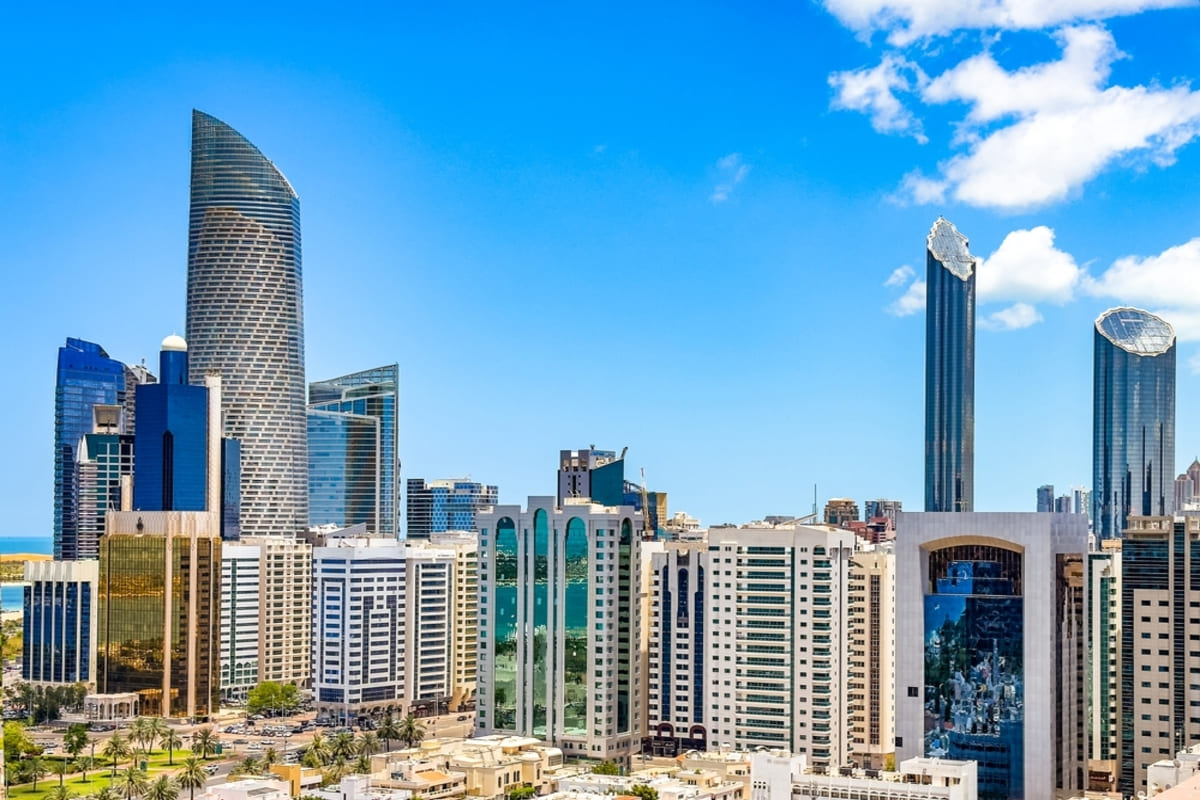
Abu Dhabi’s residential market maintained momentum across multiple price segments during the first half of 2026, with affordable communities delivering the highest projected rental returns while premium waterfront developments attracted wealthy buyers focused on lifestyle and long-term appreciation.
Al Reef led the affordable apartment category with a projected return on investment of 8.92 percent, according to data released by property portal Bayut on July 28, 2026. Masdar City delivered 7.63 percent within the mid-tier segment, while Yas Island and Al Maryah Island each generated projected returns of 5.94 percent among luxury apartments.
Villa returns followed a similar pattern. Al Reef produced a projected yield of 5.92 percent in the affordable category, narrowly ahead of Al Raha Gardens at 5.91 percent. Al Raha Beach offered 5.11 percent among luxury villas, while Saadiyat Island delivered 4.32 percent in the ultra-luxury segment, where investors prioritize exclusivity and capital appreciation over immediate income.
“The first half demonstrated the residential market’s growing maturity. Demand across multiple price segments demonstrated the depth of market confidence,” said Haider Ali Khan, chief executive of Bayut and Dubizzle Group MENA.
Rental Demand Strengthens Across Communities
Abu Dhabi’s rental market remained balanced during the first six months of the year, supported by population growth and expanding employment opportunities. Saadiyat Island maintained its position as the leading ultra-luxury apartment rental destination, while Yas Island recorded strong interest within the luxury segment.
Average advertised apartment rents increased 2.85 percent in Al Reem Island and 3.81 percent in Al Khalidiyah compared with the second half of 2025. Villa rental demand strengthened as households continued prioritizing space and family-oriented amenities.
Shakhbout City recorded the strongest increase, with average villa rents rising 6.57 percent during the period. Khalifa City’s average villa rents increased 6.53 percent, while Al Reef posted growth of 3.76 percent. Al Raha Gardens recorded a more moderate gain of 2.37 percent in the mid-tier segment.
Average advertised rents on Yas Island rose 4.17 percent as the waterfront community attracted tenants seeking premium lifestyle amenities.
Buyer Interest Spans All Segments
Saadiyat Island remained the leading destination for ultra-luxury apartments and villas, supported by its cultural attractions and appeal among buyers focused on long-term capital appreciation. Al Raha Beach retained its position among luxury apartment buyers, while Al Reem Island was the preferred choice within the mid-tier segment.
Al Reef continued to draw value-conscious investors seeking lower entry prices and competitive rental returns. Yas Island emerged as the most popular luxury villa destination, while Al Shamkha remained prominent for investors seeking more affordable properties.
Interest remained strong in off-plan properties. High-net-worth investors focused on Saadiyat Cultural District, Nouran Living and Manarat Living III on Saadiyat Island. Gardenia Bay, Yas Bay and Diva supported off-plan momentum on Yas Island, while Bloom Living and Reem Hills attracted mid-tier buyers.
Market Activity Surges 112%
The Abu Dhabi Real Estate Centre reported Dh117 billion in total real estate transactions during H1 2026, representing annual growth of 112 percent. Transaction volume increased 61.7 percent.
Sales accounted for Dh86.1 billion across 16,838 transactions, with their value increasing 163.7 percent from a year earlier. Mortgage transactions reached Dh26.7 billion through 8,876 deals.
Foreign direct investment in Abu Dhabi property reached Dh13.8 billion, increasing 309 percent and exceeding the amount recorded during the whole of 2025. Non-resident buyers from 116 nationalities participated, compared with 82 nationalities during H1 2025.
Investment zones open to buyers of all nationalities attracted Dh75 billion, up 181 percent annually. Authorities approved eight additional investment zones, bringing the emirate-wide total to 50.
Transaction Prices Rise in Key Areas
Independent research by Knight Frank reported that average apartment transaction prices on Yas Island and Al Reem Island increased approximately 18 percent year-on-year through June 2026.
Saadiyat Island remained Abu Dhabi’s most expensive apartment location, with average transaction values rising around 21 percent to Dh43,100 per square meter. Al Jubail Island led annual villa-price growth at approximately 40 percent, while Saadiyat remained the emirate’s most expensive villa market at Dh26,500 per square meter.
The consultancy estimated that around 36,900 homes were under construction for delivery between 2026 and 2030. Apartments represented 66 percent of the pipeline, with 70 percent of planned apartment completions scheduled for 2026 and 2027.
Rental Freeze Takes Effect
The rental environment changed during the first half when Abu Dhabi temporarily reduced the permitted annual increase from 5 percent to zero. The Abu Dhabi Real Estate Centre said the temporary measure applied across residential, commercial and industrial properties and would remain in place until further notice.
The authority said demand had exceeded supply during recent years, pushing prices for new leases 15 percent higher across Abu Dhabi and 23 percent higher within investment zones compared with a year earlier. The measure was introduced to provide greater predictability for households and businesses.
Bayut’s H1 rent changes compare advertised rates between H1 2026 and H2 2025, including periods before the freeze was announced.
Population Growth Supports Demand
Abu Dhabi’s population increased 7.5 percent during 2024 to 4.14 million, representing growth of approximately 51 percent over the preceding decade. Employment among people aged at least 15 increased 9.1 percent to 2.76 million.
The emirate added about 29,000 real estate units during 2024, taking the total to nearly 784,000. Residential properties represented approximately 466,700 units.
The findings are based on property advertisements placed on Bayut rather than completed transactions. They reflect asking prices, projected yields and search preferences rather than final prices agreed between buyers and sellers.
Abu Dhabi’s residential market performance contrasts with broader UAE property market trends, where Dubai recorded its first quarterly price decline since the pandemic while other emirates show varied growth patterns. The emirate’s transaction volumes significantly exceeded earlier projections, with foreign investment reaching record levels as authorities expanded designated investment zones.