Tag: Al Marjan Island

  • RAK Retail Property Prices Soar Up to 348% in H1 2026

    RAK Retail Property Prices Soar Up to 348% in H1 2026

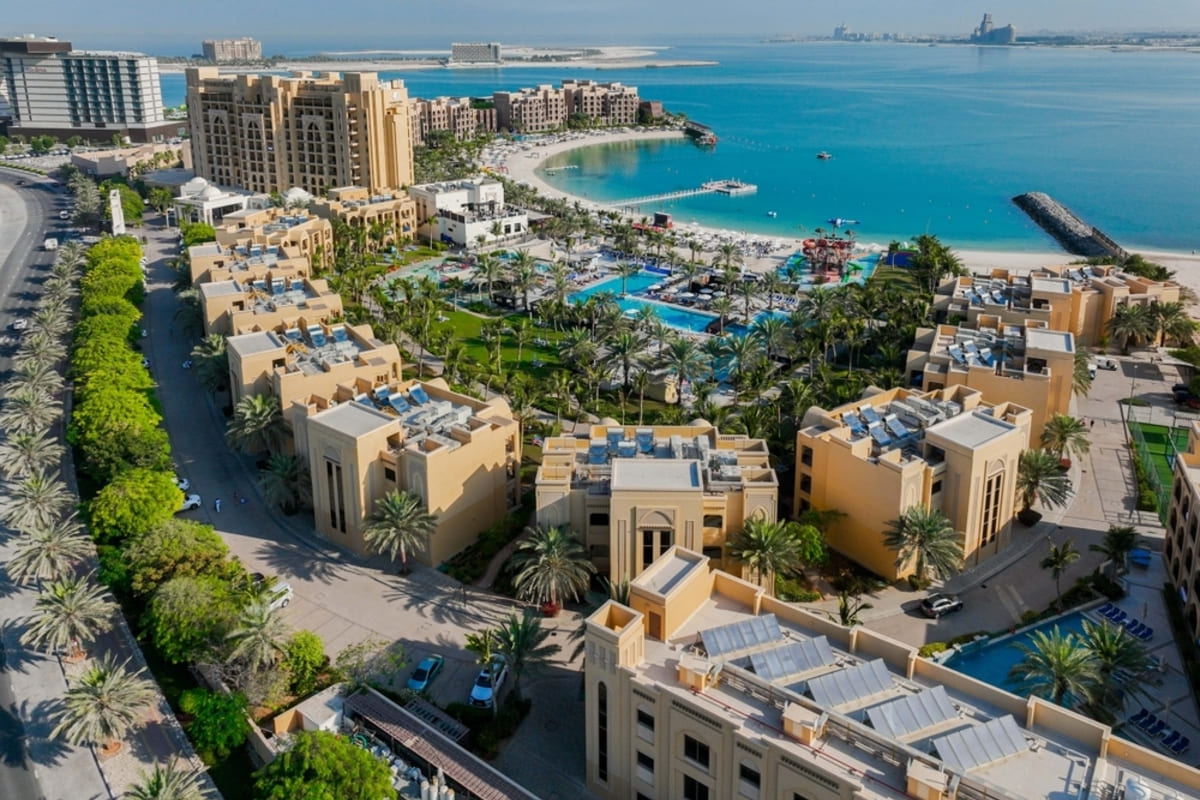
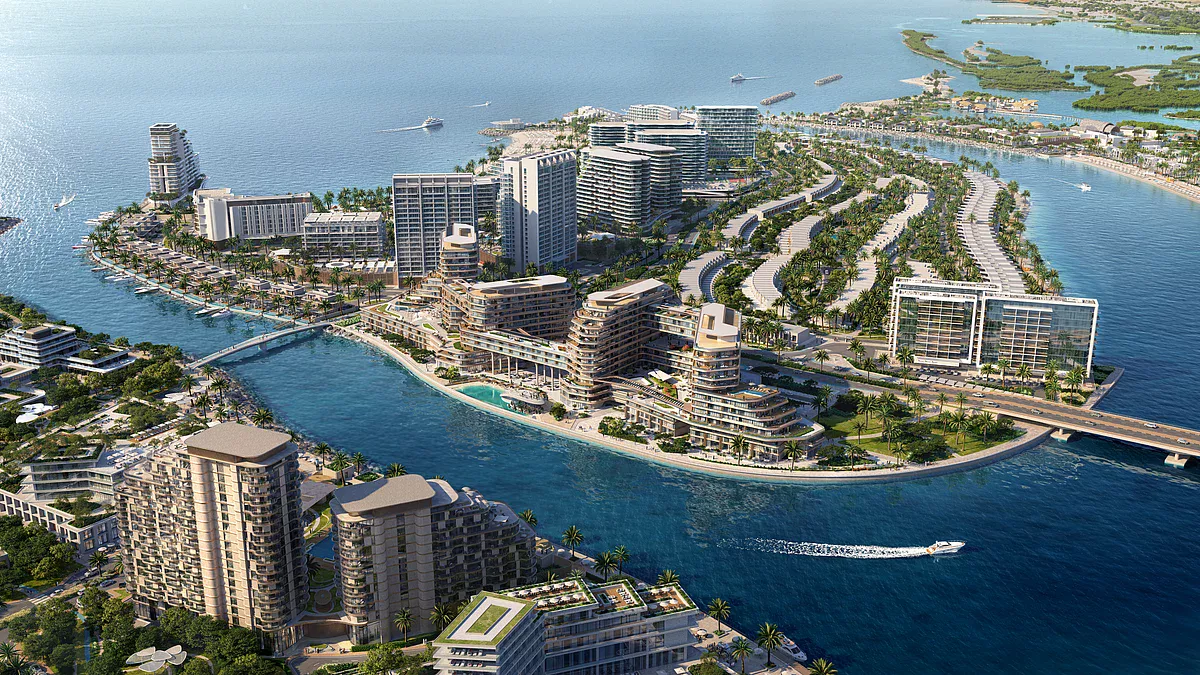
    Average retail property prices in key Ras Al Khaimah locations recorded sharp annual increases during the first half of 2026, led by Al Marjan Island and RAK Central, according to data from Property Finder released on August 5, 2026.

    The average price of retail properties on Al Marjan Island reached Dh19.7 million, up 348 percent from Dh4.4 million in the first half of 2025. RAK Central recorded a 254 percent increase to an average of Dh11.9 million, while retail property prices in Al Hamra Village rose 44 percent to Dh2.4 million.

    The figures point to growing investor interest in Ras Al Khaimah’s commercial property market as the emirate expands its tourism, residential and business infrastructure.

    Retail Rents Rise Across RAK

    Average retail rents in Mina Al Arab increased 109.9 percent year-on-year to Dh187,490, while Al Qusaidat recorded an 83.3 percent rise to Dh58,528. Retail rents on Al Marjan Island grew by a more moderate 5.8 percent to Dh181,564.

    In the office market, average rents in Al Seer more than doubled to Dh61,211, while the Corniche area recorded a 15.6 percent increase to Dh155,058. Julfar office sale prices rose 3.9 percent to an average of Dh613,800, while Al Marjan Island office prices averaged Dh8.6 million.

    Dubai Office Rents Maintain Growth

    Dubai’s commercial property market also recorded strong annual rental growth in several leading business districts. Average office rents in Jumeirah Lakes Towers increased 30.6 percent to Dh475,870 during the first half, while Deira recorded a 23.4 percent rise to Dh64,391.

    Sheikh Zayed Road office rents increased 14.5 percent to Dh578,394, while Business Bay rose 11.4 percent to Dh421,041. The performance aligns with broader trends observed across the emirate’s commercial office sector during Q2 2026.

    Among retail locations, Deira recorded the strongest increase, with average rents rising 61.5 percent to Dh643,855. Jumeirah Village Circle retail rents increased 33.4 percent to Dh511,536, while Arjan rose 19.3 percent to Dh422,612.

    Dubai’s office sales market also recorded increases across several districts. Property Finder’s figures showed average first-half sale prices of about Dh10.6 million in Business Bay, Dh6 million in Jumeirah Lakes Towers and Dh2.45 million in Jumeirah Village Circle.

    The data, however, showed varying performance between the first and second quarters, reflecting differences in property size, quality and the composition of listings in each location.

    Growth Across Abu Dhabi and Sharjah Locations

    In Abu Dhabi, average retail rents in Khalifa City increased 17.1 percent to Dh665,200, while Al Raha Beach recorded an 8.5 percent rise to about Dh317,449. Al Reem Island office rents increased 7.4 percent to Dh570,030, while average retail sale prices at Al Raha Beach rose 11.5 percent to Dh5.2 million.

    Average office sale prices on Al Reem Island increased 28 percent to Dh3.8 million, according to the data. The capital’s commercial sector has shown resilience alongside the residential market, which recorded 17.8 percent annual price growth in Q2 2026.

    Sharjah also recorded strong rental growth in selected commercial locations. Average office rents in Al Majaz rose 64.4 percent to Dh121,627, while Sharjah Industrial Area recorded an increase of 57.3 percent to Dh61,262. Office rents in Al Qasimia increased 41.3 percent to Dh122,765, while retail rents in Muwaileh rose 42.3 percent to Dh88,796.

    The figures also showed declines in some areas, underscoring the varied performance of the commercial property market across different asset types and locations. The expansion of commercial infrastructure across northern emirates reflects the broader diversification of the UAE’s property market beyond Dubai and Abu Dhabi’s traditional dominance.
  • Wynn Al Marjan Island Enters Final Construction Phase Ahead of 2027 Opening

    Wynn Al Marjan Island Enters Final Construction Phase Ahead of 2027 Opening

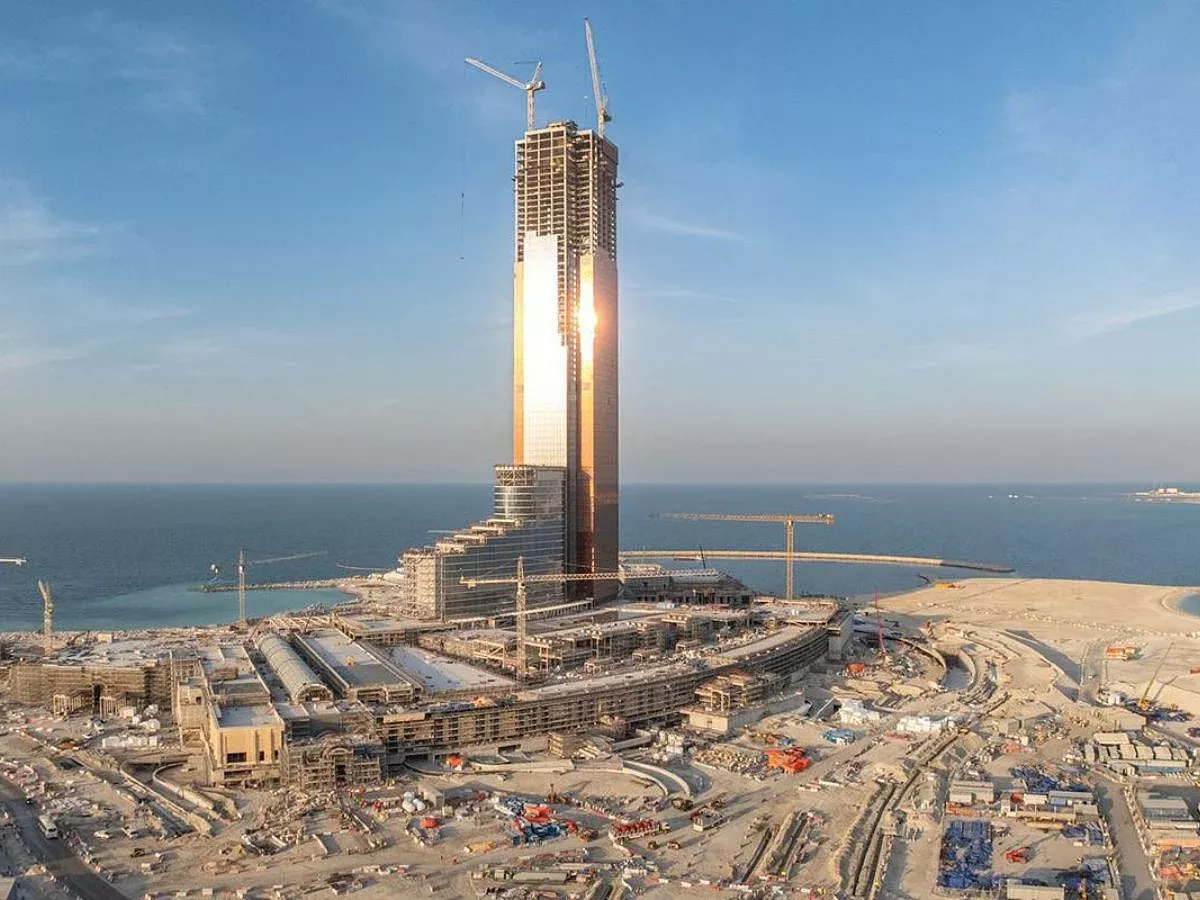
    The landmark resort on Al Marjan Island, a man-made archipelago extending 4.5 kilometres into the Arabian Gulf, is being developed through a joint venture between Wynn Resorts (40% ownership), Marjan, and RAK Hospitality Holding. As of March 31, 2026, Wynn Resorts had invested approximately $1.01 billion (Dh3.7 billion) in equity toward the development.

    By early 2026, construction had reached significant milestones. The tower structure was topped out in November 2025, structural work has been completed across all 1,530 rooms and residences, more than 83% of the exterior façade has been installed, and over 482,000 cubic metres of concrete have been poured alongside more than 15,000 tonnes of structural steel erected. Construction has generated more than 18,000 jobs to date.

    When completed, Wynn Al Marjan Island will include 1,530 luxury accommodations comprising 1,217 resort guestrooms, 297 Enclave suites, 2 Royal Apartments, 4 Garden Townhomes, and 10 Marina Estates. The resort will feature 22 restaurants, lounges and bars, 12 swimming pools, a 900-seat theatre, a luxury spa, a beach club, a 15,000-square-metre retail promenade, a 145,000-square-foot meetings and convention centre, and 420 metres of private white-sand beach with a deep-water marina designed for superyachts.

    The resort’s signature feature will be Enclave, a luxury hotel-within-a-hotel occupying the tower’s upper floors, offering private arrival, exclusive dining and dedicated leisure facilities.

    Supporting infrastructure is also advancing. Wynn Bridge, a 548-metre access bridge directly connecting the resort to the E311 (Sheikh Mohammed bin Zayed Road) and E611 (Emirates Road), is expected to open in late 2026. Meanwhile, Oasis, a 26-acre employee community scheduled for completion during summer 2026, will house more than 7,000 employees before the resort opens. Recruitment is already underway, with more than 3,500 food-and-beverage positions planned across the resort’s 22 dining venues.

    The project became a landmark in UAE history after receiving the country’s first commercial gaming facility licence on October 4, 2024, from the General Commercial Gaming Regulatory Authority (GCGRA). The licence authorizes Island 3 AMI FZ LLC, operating as Wynn Al Marjan Island, to offer regulated land-based gaming under the UAE’s new federal regulatory framework. While gaming will be a major attraction, Wynn says it represents only one component of a much broader luxury destination focused on hospitality, entertainment, dining, meetings, wellness and tourism.

    The development reflects the UAE’s broader push to diversify its economy beyond oil, positioning itself as a global leisure destination. Ras Al Khaimah, the northernmost emirate located around 45 minutes from Dubai International Airport, is betting on a mix of beachfront serenity, adventure offerings in its mountainous hinterland, and now regulated gaming, to carve out its own identity in the region’s competitive tourism landscape.

    Beyond introducing the country’s first regulated commercial gaming destination, the project is expected to diversify Ras Al Khaimah’s economy, attract millions of international visitors, create thousands of jobs, and strengthen the emirate’s position as a global luxury tourism destination when it opens in spring 2027.

  • RAK Prime Apartment Prices Hit Record High as RAK Central Emerges

    RAK Prime Apartment Prices Hit Record High as RAK Central Emerges

    Prime apartment prices in Ras Al Khaimah have reached the highest level in the current cycle, driven by strong capital appreciation across coastal destinations including Al Marjan Island, Al Hamra, and Mina Al Arab, according to CBRE.

    Global real estate consultancy CBRE reported that prime apartment sales prices hit Dh2,428 per square foot in 2025, marking the peak of the current market cycle. Villa prices also strengthened, rising to an average of Dh1,211 per square foot, with robust growth recorded within Al Hamra.

    Overall market values climbed sharply, with average apartment prices increasing 32 percent year-on-year and villa prices rising 11 percent.

    RAK Central Defines New Business Hub

    While Al Marjan Island anchors Ras Al Khaimah’s leisure-led identity, RAK Central is emerging as the emirate’s work-and-play district—a future business hub integrating offices, residences, hospitality, and lifestyle in one connected urban core.

    The development will require billions of dirhams in investment to accommodate over 6,000 professionals and 4,000-plus residential units, attracting numerous UAE developers who have launched multiple projects in the area.

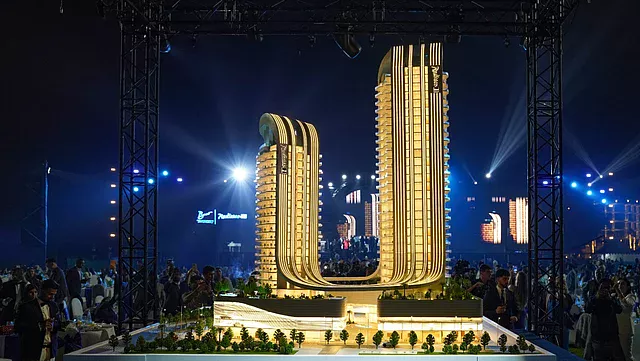
    BNW Developments recently announced the first Radisson Blu Hotel and Radisson Blu Residences in RAK Central.

    “RAK Central is a clear statement of where Ras Al Khaimah is headed, and we help drive that momentum alongside partners of global calibre,”

    said Dr Vivek Anand Oberoi, managing director and co-founder of BNW Developments.

    The Radisson Blu Hotel, RAK Central, will comprise 361 keys within a newly built property positioned above curated retail and cinema offerings, while Radisson Blu Residences will include 222 branded units.

    Elie Milky, chief development officer for the Middle East at Radisson Hotel Group, described entering RAK Central as “an exciting step” bringing a premium hotel and residential offering rooted in strong operations and consistent service.

    Tourism Growth Drives Development

    The much-awaited opening of the $5.1-billion Wynn Al Marjan Island, an integrated gaming resort, remains on schedule for early 2027 after topping out in the fourth quarter of 2025. This landmark project strengthens the profile of both Al Marjan Island and RAK Central as a world-class tourist destination.

    Ras Al Khaimah is targeting 3.5 million tourists by 2030, requiring substantial hospitality infrastructure across the emirate. RAK Central will play a key role in meeting this target and accommodating future tourist growth.

    According to CBRE, the emirate’s plan to reach 3.5 million visitors by 2030 and double its hotel keys is anchored by the strategic attraction of global brands and the addition of new master plans such as RAK Central, Marjan Beach, and the upcoming Jebel Jais master plan, alongside further expansion of Mina and Al Hamra Village.

    Despite a year-on-year reduction in overall sales volume and total transaction value—primarily due to mid-market launches in emerging districts like RAK Central—the market witnessed a strong rebound in the fourth quarter of 2025, underscoring ongoing depth of demand.

    For context, RAK’s 32% apartment price appreciation in 2025 positioned it among the UAE’s fastest-growing investment destinations, while neighboring markets continue their own expansion trajectories.

  • Ras Al Khaimah Reports 25% Rent Surge, 32% Apartment Price Growth

    Ras Al Khaimah Reports 25% Rent Surge, 32% Apartment Price Growth

    The emirate’s residential market experienced unprecedented momentum throughout 2025, with prime apartment sales reaching AED 2,428 per square foot—the highest level in the current cycle. Growth was concentrated across coastal developments including Al Marjan Island, Al Hamra, and Mina Al Arab, while villa prices averaged AED 1,211 per square foot, marking an 11% annual increase.

    The performance comes amid broader economic resilience across the UAE, where non-oil sector growth and strong foreign direct investment have offset softer oil projections. RAK has capitalized on this environment through major industrial and tourism infrastructure, most notably the $5.2 billion Wynn Al Marjan Island development.

    “The residential and hospitality sectors have entered a new phase of growth driven by global brand partnerships and a deepening pool of international buyers,” said Matthew Green, Head of Research at CBRE MENA.

    The emirate’s business environment remained robust, with more than 19,000 new companies registered through RAKEZ alone, supporting steady employment growth and reinforcing sustained real estate demand.

    Rental Market Dynamics

    Apartment rents surged nearly 25% year-on-year, supported by new supply deliveries in key communities. Villa rents remained broadly stable, though prime locations like Mina Al Arab recorded notable increases. CBRE noted that rapid escalation in prime pricing has created a growing divergence between sales and rental values, a trend expected to moderate as new inventory reaches completion in coming years.

    Luxury Segment Expansion

    High-profile project launches including Mondrian Beach Residences and Jacob & Co Residences continue to elevate the emirate’s luxury positioning. Despite a year-on-year reduction in overall sales volume due to mid-market launches in districts like RAK Central, the market witnessed a strong rebound in the fourth quarter, underscoring ongoing demand depth.

    Record Hospitality Performance

    The hospitality sector delivered standout results, with visitor arrivals reaching an all-time high of 1.36 million during 2025. Key metrics showed broad-based improvement: occupancy rose 4.6 percentage points, Average Daily Rate increased 6.6%, and RevPAR surged 11.5% year-on-year.

    RAK’s hotel inventory now exceeds 9,000 keys, with a development pipeline for 2026–2030 planning more than 9,500 additional keys. Notably, 92% of planned inventory falls within the five-star category, as international operators deepen their presence and new entrants diversify the luxury landscape.

    Market Outlook

    As the delivery cycle accelerates from 2027 onwards, RAK is positioned to solidify its standing as one of the UAE’s most dynamic real estate markets. The emirate’s low inflation environment, combined with its strong sovereign rating and record greenfield investment levels, provides a solid foundation for continued growth.

    The performance aligns with broader trends across the region, where GCC real estate markets maintain upward momentum through the first half of 2026, driven by easing monetary conditions and infrastructure investment. The UAE is also set to add 390,000 residential units by 2030, reflecting one of the region’s largest residential expansion cycles.