Tag: Abu Dhabi residential sales

  • Hudayriyat Island Leads Abu Dhabi Property Market with Dh19 Billion in Sales

    Hudayriyat Island Leads Abu Dhabi Property Market with Dh19 Billion in Sales

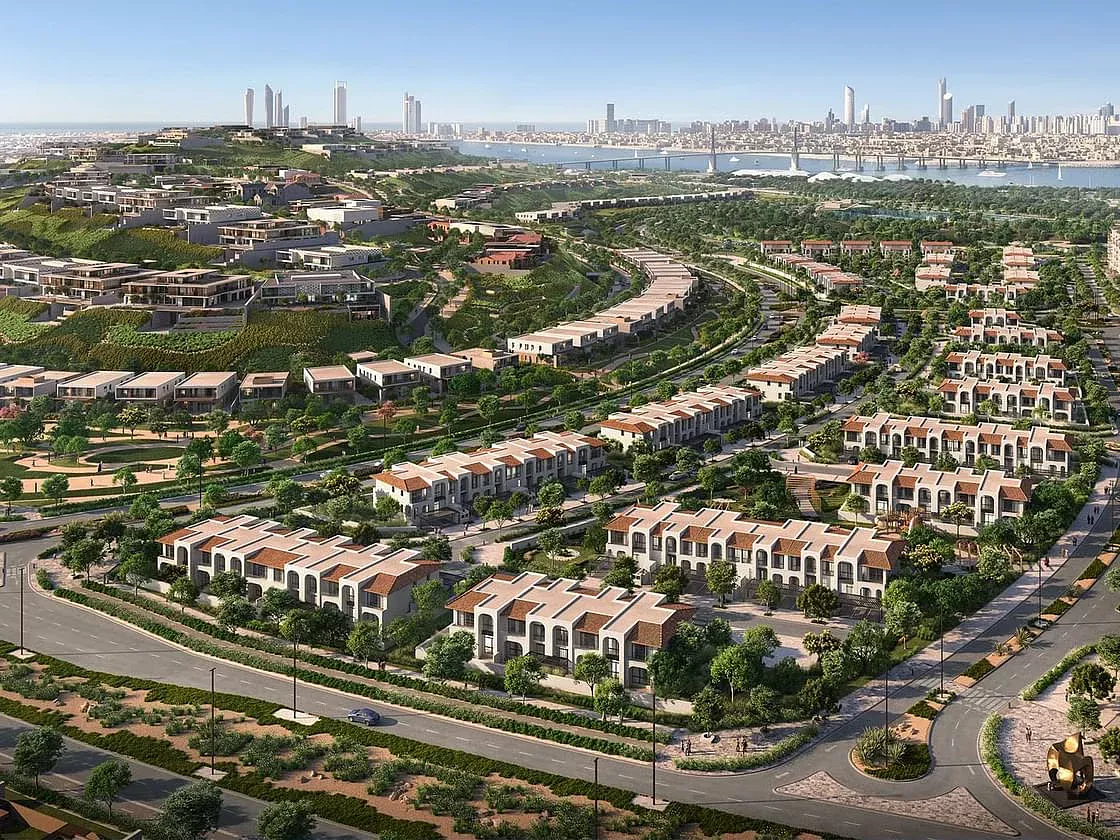
    Abu Dhabi’s property market showed clear geographic concentration during the first six months of 2026, with Hudayriyat Island emerging as the dominant sales destination across the emirate’s residential sector.

    According to the Abu Dhabi Real Estate Market Report for the first half of 2026, released by the Abu Dhabi Real Estate Centre (ADREC) on August 21, Hudayriyat Island’s Dh19 billion in residential sales represented more than one-quarter of all residential transactions by value in the capital.

    The island’s performance marks the second consecutive quarter it has led the market, reflecting sustained buyer interest in developments across this location as Abu Dhabi’s total real estate transactions doubled to AED117 billion during the same period.

    Saadiyat and Island Clusters Follow

    Saadiyat Island ranked second with Dh13.3 billion in residential sales during H1 2026, while Al Reem Island and Al Maryah Island combined recorded Dh10.5 billion. Yas Island contributed Dh7.3 billion to the emirate’s residential sales total.

    Together, these five island and waterfront destinations accounted for the majority of Abu Dhabi’s residential transaction value, underscoring the market’s preference for lifestyle-oriented developments with direct water access and integrated amenities.

    Investment Zones Hold 72,000 Homes

    Investment zones represented more than 22 percent of Abu Dhabi’s total residential stock during the first half of 2026, with approximately 72,000 residential units located within these designated areas.

    Al Reem Island held the largest residential inventory among investment zones, with around 27,500 units, followed by Al Raha, Yas Island and Saadiyat Island.

    The concentration of stock within investment zones reflects Abu Dhabi’s structured approach to residential development, with designated areas offering specific regulatory frameworks designed to attract both domestic and international buyers.

    Market Context

    The first-half performance comes as Abu Dhabi property prices rose 17.8 percent year-on-year in Q2 2026, driven by apartment values that increased 24.1 percent, while off-plan transactions surged 156 percent during the same quarter.

    Hudayriyat Island’s sustained lead in sales value suggests that location-specific demand remains a key driver in Abu Dhabi’s residential market, even as overall transaction volumes and pricing continue to rise across multiple property segments.

    The figures also indicate that Abu Dhabi’s residential market has maintained momentum into 2026, with buyer activity concentrated in established island communities that offer a combination of completed infrastructure, lifestyle amenities and proximity to the capital’s central business districts.
  • Abu Dhabi Real Estate Transactions Double to $31.86 Billion in H1 2026

    Abu Dhabi Real Estate Transactions Double to $31.86 Billion in H1 2026

    The capital’s property sector delivered its strongest half-year performance on record, with residential unit sales surging from AED25.3 billion in H1 2025 to AED70.4 billion in H1 2026, according to the latest Real Estate Market Report released by the Abu Dhabi Real Estate Centre (ADREC) on August 18, 2026.

    Off-plan transactions dominated the market, representing 89 percent of sales value and 82 percent of all deals as buyers—both local and international—prioritised properties under development. Emirati buyers committed AED21.0 billion during the period, up from AED8.9 billion in the first half of 2025, while resident expatriates and non-resident foreign investors together accounted for 70 percent of residential sales value.

    “The first half of 2026 reflects a resilient market, supported by sustained demand, clear regulations, transparent data, and a balanced approach to supply and demand,” said Rashed Al Omaira, Director General of ADREC.

    “The largest share of residential sales value went to homes not yet built, which places the weight of our regulatory work before completion. ADREC remains focused on ensuring clarity, confidence, and fairness for all market participants, supported by reliable information, protected buyer funds and rules that apply across market cycles.”

    Hudayriyat Island led all locations with AED19 billion in residential sales—27 percent of the emirate’s total—followed by Saadiyat Island at AED13.3 billion, Al Reem Island and Al Maryah Island at AED10.5 billion, and Yas Island at AED7.3 billion.

    The capital’s residential supply reached approximately 409,000 units, reflecting an average annual increase of 2.9 percent since 2022. Abu Dhabi Region drove this expansion with 3.3 percent annual growth and now represents 79 percent of the emirate’s total residential stock. Around 71,000 additional units are projected across the emirate by 2030, with deliveries expected to peak at approximately 21,800 units in 2028.

    Investment zones accounted for more than 22 percent of total residential stock in the first half of 2026, with approximately 72,000 units led by Al Reem Island at 27,500 units, followed by Al Raha, Yas Island, and Al Saadiyat Island. Repeat sales prices rose 20 percent year-on-year for apartments and 12 percent for villas, underscoring sustained appreciation across property types.

    The ten leading developers accounted for 90 percent of off-plan primary sales at AED51 billion, while ten projects alone accounted for 43 percent of residential unit sales at AED30 billion. In the ready market, 61 percent of purchases were completed in cash, reflecting strong buyer liquidity.

    Abu Dhabi’s real estate market recorded 233,000 active residential lease contracts in H1 2026, with total lease values reaching AED9.3 billion—an 8 percent year-on-year increase. Contract volumes rose 2 percent. Rental units comprise 69 percent of occupied units in Abu Dhabi Region, underpinning a deep rental market and ample homeownership opportunities with accessible housing options.

    Six key districts will drive 77 percent of projected incremental supply through 2030, including Al Saadiyat Island, Al Reem Island, Yas Island, Zayed City, Khalifa City and Al Hudayriyat Island. Nine major developers account for 76 percent of the development projects pipeline, delivering high-end and mid-market apartment and villa communities predominantly within investment zones.

    Retail supply reached 3.85 million square metres of gross leasable area, growing 5 percent on an annualised basis, with occupancy in the mid-nineties and new lease prices up 9 percent. Office supply reached 3.4 million square metres, up 0.3 percent from the end of 2025. Occupancy remained strong at 95 percent across both the overall market and the prime and Grade A segments, while new lease prices rose 13 percent.

    The capital’s performance mirrors broader trends across the UAE, where off-plan properties attracted buyers across all price segments during the first half of 2026. While Abu Dhabi home values rose 17.8 percent year-on-year in Q2 2026, Dubai’s market saw 24,800 new homes delivered in the same period as prices and rents eased slightly under increased supply.