Tag: Abu Dhabi Real Estate

  • Ohana Development Records Dh6 Billion in Sales Within 72 Hours

    Ohana Development Records Dh6 Billion in Sales Within 72 Hours

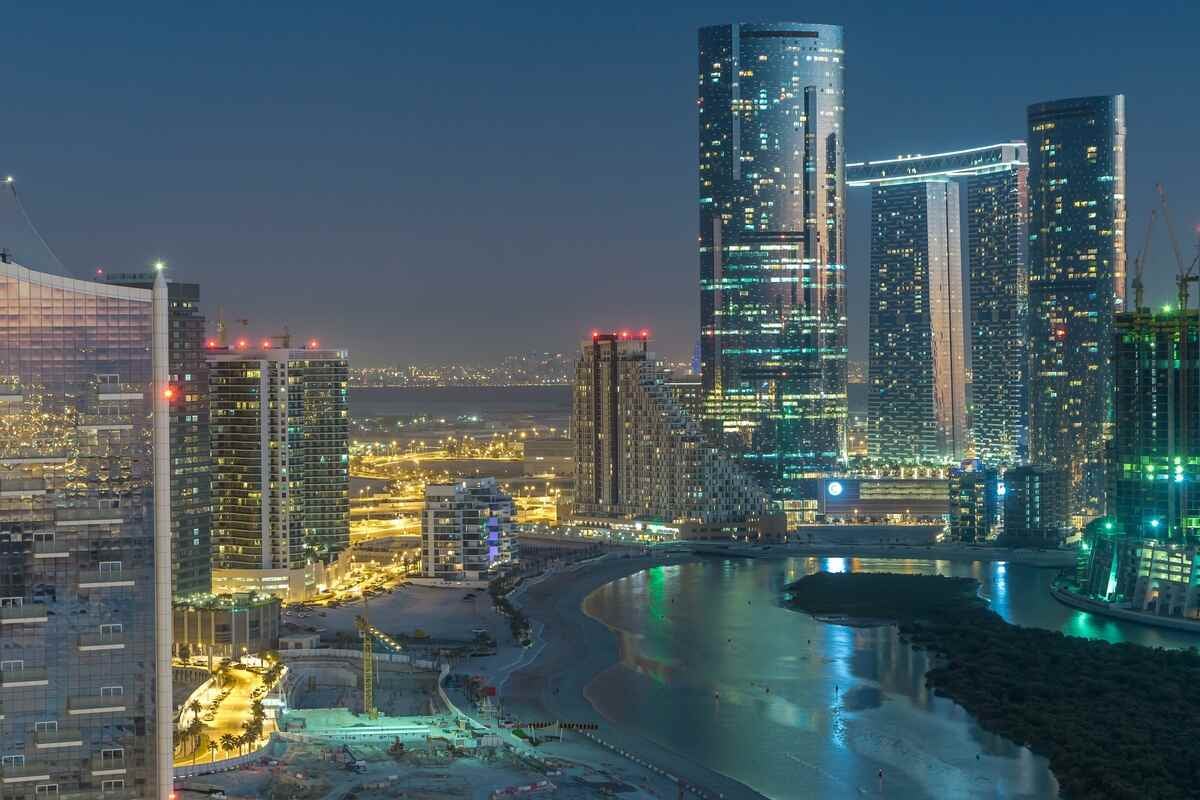
    The sales performance of Manchester City Yas Residences by Ohana marks one of the strongest project launches in Abu Dhabi’s real estate history, with the waterfront community on Yas Canal achieving the record figure between March 14 and March 17, 2026.

    Investors formed queues at the sales launch, reflecting exceptional demand for the project. The buyer profile shows 35% Emirati nationals and 65% expatriate and international investors, demonstrating broad appeal across market segments.

    “We would like to express our sincere appreciation to the UAE government and its visionary leadership for fostering a stable and forward-looking investment environment,” said Husein Salem, CEO of Ohana Development. “This strong foundation continues to strengthen confidence among investors and developers, supporting the resilience and growth of Abu Dhabi’s thriving real estate sector, despite any evolving circumstances.”

    Salem added that the strong response and sales record in just 72 hours reflects continued trust from investors locally and internationally, as well as the appeal of the project’s unique offering in the emirate.

    In response to the significant interest, Ohana Development is expected to release additional inventory from the project soon.

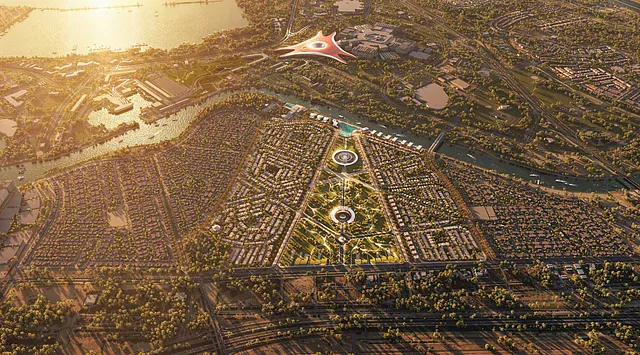
    The development spans 1.67 million square meters, with more than 55% of the masterplan dedicated to landscaped gardens and green spaces. Designed around sport and active living, the community will feature integrated training and recovery facilities, alongside a waterfront promenade with retail, dining and lifestyle destinations.

    Manchester City Yas Residences will include a marina sports club with water sports activities, as well as resort-style amenities including fitness facilities and pools.

    The sales achievement comes as Abu Dhabi’s property market recorded strong weekly sales in early March 2026, demonstrating sustained investor confidence. The UAE capital has been accelerating its development pipeline, with nearly 75 million square meters approved in 2025, marking a 137% year-on-year increase.

    The record-breaking launch underscores Abu Dhabi’s growing appeal as a premium residential destination, particularly for branded developments that combine lifestyle amenities with strategic locations on the emirate’s most sought-after addresses.
  • Abu Dhabi Approves 75 Million Sqm of Development in 2025

    Abu Dhabi Approves 75 Million Sqm of Development in 2025

    The Department of Municipalities and Transport (DMT) announced on March 12, 2026, that it approved nearly 75 million square meters of gross floor area for development across Abu Dhabi in 2025, representing a 137% year-on-year increase that signals the emirate’s rapid urban expansion.

    The scale of this expansion is equivalent to the entire developed capacity of Yas Island being built out seven times over, according to DMT officials.

    “This milestone reflects Abu Dhabi’s growing momentum as a world destination for investment and development. Through forward-looking approaches and streamlined regulatory processes, we are enabling diverse mixed-use districts that strengthen economic diversification, attract international talent and enhance quality of life across the emirate,” said His Excellency Eng Abdulla Mohamed Al Blooshi, Director General of the Urban Planning & Permits Centre at DMT.

    Nearly 190,000 Residential Units Approved

    Housing initiatives represented the largest share of development approvals, with nearly 190,000 residential units planned across new and existing neighborhoods. These include more than 158,000 market units and approximately 30,000 homes dedicated to UAE Nationals, supported by an extensive network of community amenities, including schools, healthcare facilities, community majlis and retail destinations.

    Industry and technology sectors also emerged as major drivers of activity, with new approved projects spanning industrial zones, data centers and advanced manufacturing facilities expected to support the emirate’s digital economy, logistics sector and technology-driven industries.

    In the hospitality and tourism sector, projects delivering nearly 5,000 new hotel keys were added across multiple destinations, alongside new waterfront attractions, beaches and cultural experiences that reinforce Abu Dhabi’s tourism appeal.

    Approval Cycle Reduced by 60 Days

    To facilitate this unprecedented scale of development, DMT reduced the approval cycle for master developers by 60 days, accelerating the delivery of major projects across the emirate while maintaining rigorous compliance standards.

    “The reduction in evaluation timelines demonstrates our commitment to enabling rapid and high-quality construction across Abu Dhabi. By balancing efficiency with strong regulatory oversight, we are ensuring that the emirate’s urban landscape evolves to meet market demand while maintaining the highest standards,” said Mansour Saleh Al Harbi, Acting Executive Director for Activation and Development Control Sector at DMT.

    The surge in planning approvals has been supported by the launch of BINAA, the region’s first AI-driven permits platform. Since its introduction in June 2025, the platform has shortened the average time required to issue a residential villa building permit by 57% and decreased resubmissions by 53% by automating complex technical reviews.

    In total, over 11,000 building permits were issued in 2025, representing a 15% increase compared with the previous year. DMT also conducted upskilling workshops for more than 7,000 consultants and contractors to support their adaptation to evolving regulatory and market requirements.

    The development surge comes as Abu Dhabi leads UAE real estate growth and as expatriate residents drive 62% of home sales in the emirate. DMT will continue to expand BINAA’s capabilities while promoting the adoption of digital and AI-enabled submissions to further streamline processes and strengthen Abu Dhabi’s global competitiveness.

  • Abu Dhabi Residential Market Enters 2026 with Strong Fundamentals

    The market is expected to remain resilient throughout 2026, with sales prices and rental rates likely to record further increases in the near term, although the pace of growth will vary across communities as new supply gradually enters the market.

    Record-Breaking 2025 Performance

    In 2025, Abu Dhabi’s residential real estate market delivered a record-breaking performance, with total transaction volumes reaching approximately 22,400 deals—up 55% year-on-year—while total sales value climbed to AED73.2 billion. This performance was driven by robust end-user demand, sustained investor activity, and a wave of new project launches that kept the off-plan segment at the center of market activity.

    Apartments dominated the market, accounting for 66.1% of transactions, while villas and townhouses also recorded strong growth, supported by demand from families and high-net-worth individuals seeking larger living spaces.

    Off-Plan Segment Leads Market Activity

    The off-plan segment continued to lead market activity, accounting for 71% of total transactions, supported by flexible payment plans, competitive developer incentives, and strategic launches across key districts. Meanwhile, ready market activity also remained resilient, supported by population growth, rising rental costs, and a growing shift among tenants toward homeownership.

    On the supply side, residential stock continued to expand steadily, with approximately 7,400 units completed in 2025, bringing total supply to around 315,000 units. While approximately 15,900 units are projected for completion in 2026, recent handover trends suggest actual deliveries are likely to be lower, in the range of 6,500-9,000 units. This measured pace of supply delivery is expected to support pricing momentum and help prevent near-term market imbalances.

    Sustained Price Growth Across All Segments

    Apartment sales prices in Abu Dhabi continued their upward trajectory in 2025, rising 15.1% year-on-year, accelerating from the 10.9% growth recorded in 2024. This strong price performance was driven by a broadening buyer base, as owner-occupiers sought affordable homeownership amid rising rental costs and investors were attracted by strong rental yields and capital appreciation potential.

    Villa sales prices grew 12.2% year-on-year in 2025, slightly accelerating from 11.6% in 2024, driven by a combination of end-user and investor demand. This trend has been shaped largely by the post-pandemic shift in lifestyle priorities, with buyers increasingly seeking larger living spaces, community-focused environments, and access to outdoor areas.

    Rental growth also remained robust, with apartment rents rising 12.5% and villa rents increasing 5.5%. Elevated rental levels have further reinforced sales demand, as tenants increasingly viewed homeownership as a more cost-effective long-term option.

    Structural Demand Drivers Remain in Place

    Looking forward, transaction activity is expected to remain elevated in 2026, with the off-plan segment continuing to lead the market. Several structural factors are expected to support robust housing demand beyond 2026, including population growth, continued talent inflows, business-friendly visa policies, and expanding employment across various sectors.

    Long-term residency initiatives, including the Golden Visa program, are also expected to broaden the buyer base by attracting high-net-worth individuals and professionals seeking stable, long-term ties to the emirate.

    Taking these factors into account, Abu Dhabi’s residential market is expected to enter 2026 from a position of strength. Supply discipline, strong investor confidence, and a supportive macroeconomic backdrop support market resilience and help mitigate external shocks. While potential risks should continue to be monitored, the likelihood of a broad market correction remains relatively low, supporting the outlook for sustainable growth throughout the year.

    The Abu Dhabi market’s performance mirrors broader trends across the UAE, where expatriates now drive 62% of home sales and the UAE real estate sector concluded 2025 with exceptional growth led by Abu Dhabi’s record-breaking performance.

  • Abu Dhabi Expats Drive 62% of Home Sales as Ownership Trend Accelerates

    Abu Dhabi Expats Drive 62% of Home Sales as Ownership Trend Accelerates

    New data released by the Abu Dhabi Real Estate Centre confirms that resident expatriates and non-resident foreign buyers dominated the capital’s residential market in 2025, collectively representing 62% of all unit sales and reshaping demand patterns across the emirate.

    The report found that nearly 69% of growth in residential unit sales between 2022 and 2025 was driven specifically by resident foreign buyers—expatriates who live and work in Abu Dhabi and are increasingly choosing ownership over long-term renting.

    Overall real estate transaction values reached Dh142 billion in 2025, up 44% year-on-year, with residential sales rising 67% to Dh76 billion. Foreign direct investment into real estate stood at Dh8.2 billion, with buyers from more than 100 nationalities participating.

    Ben Crompton, founding partner at Crompton Real Estate Agents, said the figures reflect a fundamental shift in Abu Dhabi’s buyer base and its growing appeal to international capital.

    “Abu Dhabi’s real estate market has historically had a smaller investor base and opened later to expatriate buyers. But that narrative is now rapidly evolving, with international capital flowing into the market in unprecedented numbers,” Crompton said.

    He noted that the trend raises a broader question about how Abu Dhabi is now being viewed globally. “Is Abu Dhabi becoming a genuine global property investment destination—not just a local one?”

    For years, the emirate was seen as a more conservative and measured market, with expatriate ownership initially limited to designated investment zones from the mid-2000s. That perception has changed visibly in recent years.

    “International attention is no longer just regional,” Crompton said. “Buyers from established investor markets such as the UK, China, India, Russia and across Europe are now actively looking at Abu Dhabi.”

    Cultural and Lifestyle Appeal

    One of the strongest drivers behind the shift has been the emirate’s expanding cultural, entertainment and lifestyle offering. Projects such as Louvre Abu Dhabi, teamLab Phenomena Abu Dhabi and the upcoming Guggenheim Abu Dhabi have helped reposition the city internationally, while major leisure and entertainment developments have broadened its appeal beyond the Gulf.

    “These projects generate brand recognition far beyond the region,” Crompton said. “They make Abu Dhabi more recognisable as a place to live, visit and invest, and collectively signal that the city has developed strong global cultural and lifestyle pull.”

    Regulatory Reforms Build Confidence

    Legal and regulatory reforms have also played a key role in building confidence among foreign buyers, Crompton added.

    “Property investment carries risks if it’s not properly regulated,” he said. “Abu Dhabi has addressed this by imposing stricter requirements on developers, brokers and valuers, and enforcing escrow protections tied to construction milestones.”

    He highlighted the expansion of the Abu Dhabi Global Market to cover prime areas such as Reem and Maryah Islands as a particularly important step. Operating under English common law with its own courts, ADGM offers a legal framework that many international buyers already understand and trust.

    Developer Outreach Widens Buyer Pool

    Developer outreach has further widened the buyer pool. Crompton noted that early phases of some residential communities were once dominated by buyers from within the UAE, while more recent launches have attracted a far more international audience.

    “Launch statistics from flagship projects like Fahid Island show that roughly two-thirds of buyers came from overseas,” he said, describing it as “a dramatic shift.” He added that developers such as Aldar Properties have expanded international roadshows and broker networks across Asia, Europe and North America, significantly increasing global awareness of Abu Dhabi’s market.

    The change in buyer behaviour is already being felt on the ground. Crompton said resident expatriates are increasingly viewing ownership as a long-term lifestyle and financial decision, while non-resident investors are being drawn to Abu Dhabi’s narrative of stability, culture and quality of life.

    “Not long ago, selling a unit could be a challenge, with buyers highly price-sensitive and cautious. Today, capital appears to be moving more freely, and investors from around the world are participating with confidence,” Crompton said.

    “So, are buyers increasing from outside the emirate? The data says unequivocally yes—and at a pace that is reshaping the market’s identity and potential.”

  • GCC Real Estate Markets to Sustain Growth Momentum in H1 2026

    GCC Real Estate Markets to Sustain Growth Momentum in H1 2026

    Kuwait-based investment firm Markaz has released its Real Estate Outlook for H1 2026, forecasting sustained growth across GCC property markets despite evolving macroeconomic dynamics. The report identifies higher oil production, non-oil sector expansion, continued government infrastructure spending, and policy rate cuts as key drivers supporting borrowing and investment activity across residential, commercial, and industrial segments.

    UAE Market Expected to Peak in First Half

    The UAE real estate sector demonstrated exceptional performance through the first three quarters of 2025. In Dubai, transaction values surged 28.3 percent year-on-year to AED554.1 billion, while Abu Dhabi recorded AED58 billion in total sales—a remarkable 75.8 percent annual increase. Transaction volumes in the capital also climbed 42.3 percent to 15,800 deals.

    Dubai continues to offer compelling investment returns, with rental yields standing at 7.47 percent as of June 2025, significantly outperforming major global markets including Singapore, New York, and London. This aligns with recent data showing that long-term UAE renters are turning homeowners amid competitive pricing and flexible payment plans.

    While acknowledging concerns about market sustainability given three consecutive years of exceptional performance, Markaz emphasized that strong fundamentals reduce the likelihood of a sharp correction. The firm forecasts the UAE market could peak in H1 2026, characterized by steady growth in both prices and rental rates across Dubai and Abu Dhabi.

    The outlook reflects broader shifts in buyer behavior across the Gulf, with investors increasingly prioritizing developer credibility, rental yields, and long-term stability over speculative gains.

    Saudi Arabia Maintains Accelerating Phase

    Saudi Arabia’s real estate sector remained in an accelerating phase through H2 2025, propelled by robust residential activity and constrained office market conditions. Residential transactions increased 17.9 percent quarter-on-quarter in Q3 2025, with Riyadh and Jeddah leading price appreciation.

    The Kingdom’s office segment faces extreme supply constraints, with Riyadh vacancy rates near zero, supporting prime rent growth of 7.3 percent year-on-year. Demand stems from the Regional Headquarters Program and expanding healthcare and technology sectors.

    Despite a fiscal deficit projected at 3.7 percent of GDP for both 2025 and 2026, increased capital expenditure under Vision 2030 continues supporting construction activity. Saudi Arabia’s population reached 35.3 million by mid-2024, up 4.7 percent annually, with non-Saudis comprising 44.4 percent—a demographic dynamic that underpins sustained housing demand.

    Kuwait Shows Stable Growth Trajectory

    Kuwait’s real estate sector maintained steady growth through the first nine months of 2025, supported by rising land prices and rental rates. Total real estate sales increased 26.9 percent year-on-year to KWD3.043 billion, with transaction volumes up 27.8 percent to 4,247 deals.

    The investment segment led growth with a 60 percent annual increase in sales, while residential and commercial segments rose 8 percent and 17.4 percent respectively.

    Kuwait’s real GDP is projected to expand 3.9 percent in 2026, driven by higher oil production, improved non-oil activity, stronger project awards, and anticipated interest rate reductions. Based on a Markaz Real Estate Macro Index score of 3.45 out of 5.0, the firm expects Kuwait’s market to remain stable in H1 2026, with prospects for further increases in land prices and rental rates.

    The regional outlook comes as governments continue enhancing investor protection frameworks. Abu Dhabi recently launched mandatory digital registration for off-plan property interests through its Madhmoun platform, with funds secured in government-managed escrow accounts.

    Markaz emphasized that real estate will remain a key contributor to the GCC’s economic development in 2026, offering attractive opportunities for investors across all major property segments as the region’s markets continue to mature and evolve.

  • Abu Dhabi Introduces Digital Registration for Off-Plan Property Interest

    Abu Dhabi Introduces Digital Registration for Off-Plan Property Interest

    Abu Dhabi’s property sector has implemented a significant regulatory upgrade designed to strengthen transparency and safeguard investor funds in off-plan transactions.

    The Abu Dhabi Real Estate Centre (ADREC) now requires all developers launching new off-plan projects to register Expressions of Interest (EOIs) digitally through its Madhmoun platform. An EOI represents an early payment or commitment made by a buyer before a property project reaches completion.

    Under the new framework, EOI funds will be placed in a government-managed escrow account supervised by ADREC. This arrangement ensures that buyer payments are held securely and monitored before being transferred to developers, offering a higher level of financial protection than traditional manual or intermediary-based processes.

    The first project to operate under the updated system is Manchester City Yas Residences by Ohana, marking the operational rollout of the digital registration requirement.

    ADREC emphasized that the new system reduces risks associated with manual fund handling and introduces a digital refund mechanism if required. Officials stated that the changes are designed to protect investors while maintaining a clear and efficient process for developers.

    “The move is part of wider efforts to improve transparency, strengthen regulation and modernise Abu Dhabi’s real estate sector,” ADREC said in a statement.

    The initiative reinforces Abu Dhabi’s commitment to positioning itself as a secure and transparent real estate investment destination. The digital EOI system adds a layer of regulatory oversight that aligns with broader efforts across the UAE to enhance buyer confidence and market stability.

    The regulatory development comes as UAE property markets continue to attract significant investor interest, with Dubai recording over 200,000 transactions in 2025 and major developers reporting record-breaking sales figures.

    Abu Dhabi’s emphasis on modernizing its real estate infrastructure through digital solutions reflects a strategic approach to maintaining investor trust and supporting sustainable market growth in a competitive regional environment.

  • Aldar Unveils Exclusive Baccarat Residences in Saadiyat Cultural District

    Aldar Unveils Exclusive Baccarat Residences in Saadiyat Cultural District

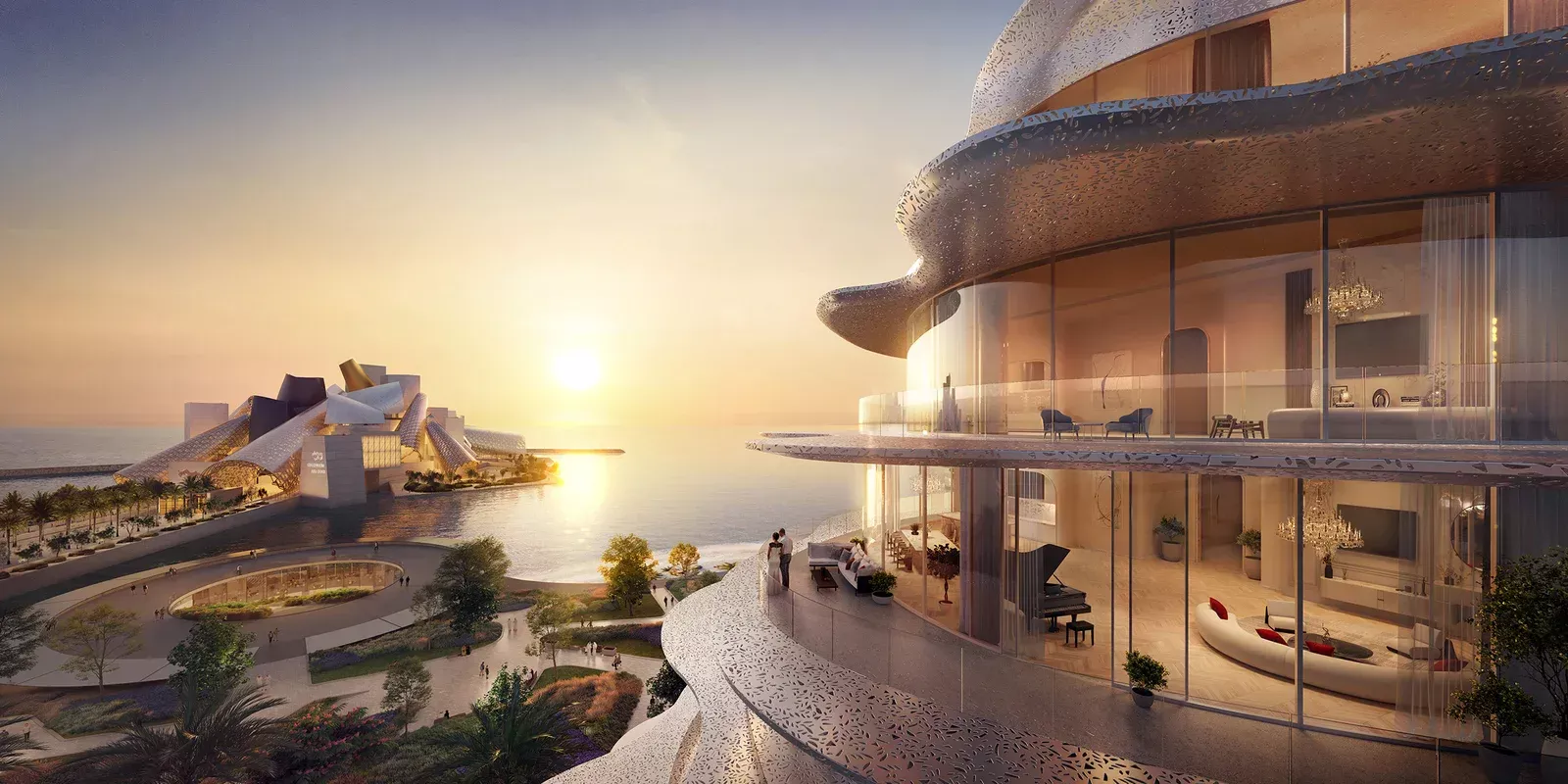
    Abu Dhabi’s real estate landscape welcomes a new pinnacle of luxury with the launch of Baccarat Residences Saadiyat, a prestigious development by Aldar that combines architectural excellence, cultural significance, and unparalleled design.

    Situated in the renowned Saadiyat Cultural District, the project comprises 77 exclusive homes, including two- and three-bedroom residences, four-bedroom sky villas, and two signature penthouses. The development marks the UAE residential debut of internationally acclaimed Sou Fujimoto Architects, whose design draws inspiration from the natural rhythm of Saadiyat Island’s shoreline.

    The residences offer panoramic views of iconic cultural landmarks, including the Guggenheim Abu Dhabi, Louvre Abu Dhabi, and the Arabian Sea. Each home integrates Baccarat’s 262-year heritage through subtle crystal detailing and a refined interpretation of the brand’s art de vivre philosophy.

    “Baccarat Residences are designed for those who seek more than a home — they are designed for a life immersed in culture, beauty, and luxury,” said Raul Leal, CEO of Starwood Hotels.

    The development offers exclusive amenities, including a private residents-only spa, wellness centre, state-of-the-art fitness suite, and an outdoor infinity pool. Additional services include 24-hour concierge, valet, and priority access to Baccarat events.

    Located in the final phase of Saadiyat Grove district, residents will enjoy proximity to pristine beaches, Saadiyat Beach Golf Club, and leading educational institutions like NYU Abu Dhabi and Berklee Abu Dhabi.

    This launch reinforces Abu Dhabi’s position as a global destination for luxury lifestyle, offering discerning buyers an opportunity to own a piece of an extraordinary cultural and architectural narrative.